REVIEW · ROME
Rome: Pasta, Ravioli & Tiramisu Cooking Class by Colosseum
Book on GetYourGuide →Operated by EnjoyCooking.com · Bookable on GetYourGuide
One kitchen. Two Italian classics. A lot of fun.
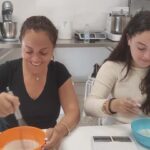
This Rome class is a hands-on way to learn handmade pasta and perfect tiramisu in just 3 hours, led in English by local chefs. I like that you don’t just watch. You shape, cut, fill, and layer your way through real technique. One consideration: if you’re late, participation isn’t guaranteed.
What makes it feel especially Roman is the pace and the small size. With a maximum of 10 people, you get personal attention while you cook, eat what you made, and leave with recipes to repeat at home. Expect free-flowing Italian wine during the experience, which is great fun, but it also means you should plan to take it easy with timing afterward.
In This Review
- Key Points to Know Before You Book
- A 3-Hour Rome Pasta-and-Tiramisu Class That Actually Teaches
- Getting Oriented: Meeting Point, Timing, and What to Wear
- Inside the Kitchen: Small-Group Setup (and Why It Matters)
- Handmade Pasta from Scratch: Dough, Rolling, Filling, and Sauce Basics
- The Ravioli Part: What You Actually Learn in Your Hands
- The Second Pasta Dish: Same Technique, Different Payoff
- Tiramisu from Scratch: Mastering the Layer Technique
- Wine, Eating Together, and the Recipe Book That Extends the Fun
- Price and Value: Is $112.15 Worth It?
- Who This Class Is For (and Who Should Skip It)
- Tips to Make the Most of Your 3 Hours
- Should You Book This Rome Pasta and Tiramisu Class by Colosseum?
- FAQ
- How long is the cooking class?
- What will I learn to cook?
- Is wine included?
- How many people are in the group?
- Is the class taught in English?
- Where does the class start and end?
- Is transportation included?
- What should I wear?
- What if I have allergies or dietary restrictions?
- Does the class run in bad weather?
- Is free cancellation available?
- Can I pay later?
Key Points to Know Before You Book
- You’ll learn handmade pasta technique step-by-step, including making ravioli and finishing with sauce concepts.
- Tiramisu is built layer-by-layer from scratch, not assembled from a shortcut.
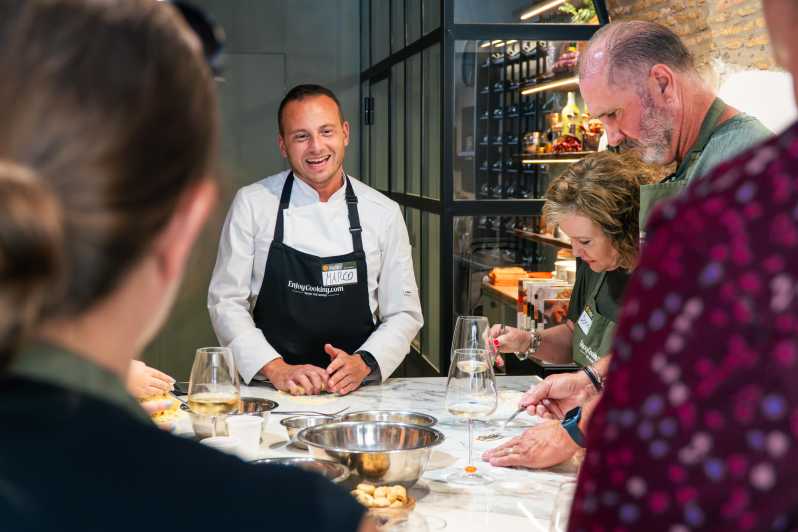
- Maximum group size is 10, so you get real attention instead of standing on the sidelines.
- Free-flowing Italian wine is included, plus you’ll sit down to eat your creations together.
- You’ll get recipes to take home, so the class doesn’t vanish the next day.
A 3-Hour Rome Pasta-and-Tiramisu Class That Actually Teaches
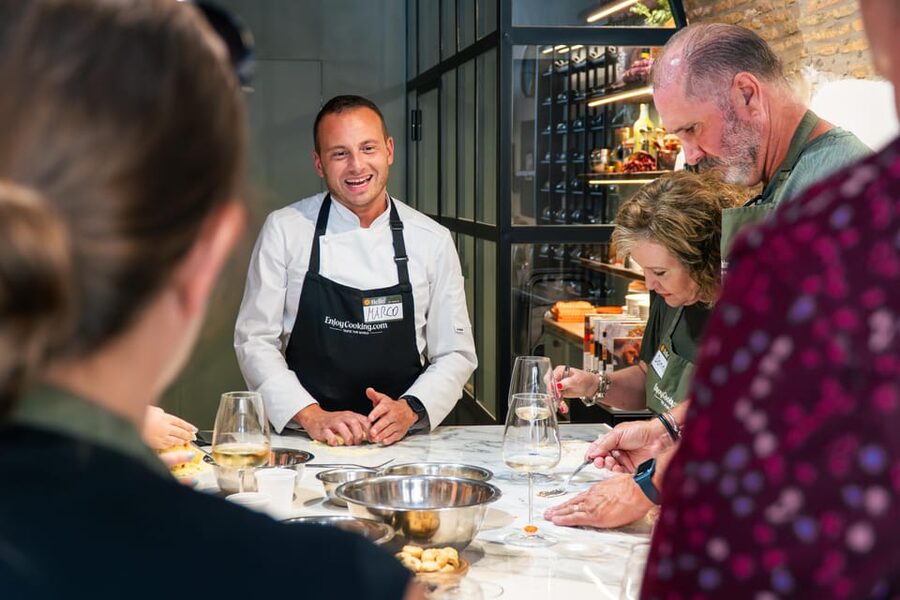
Rome has no shortage of food tours. This one is different because it’s a cooking class with a clear skill goal: make pasta from scratch and nail tiramisu. The format is built for results. In a small group, you move through dough prep, rolling, filling, cooking, and then straight into dessert layers.
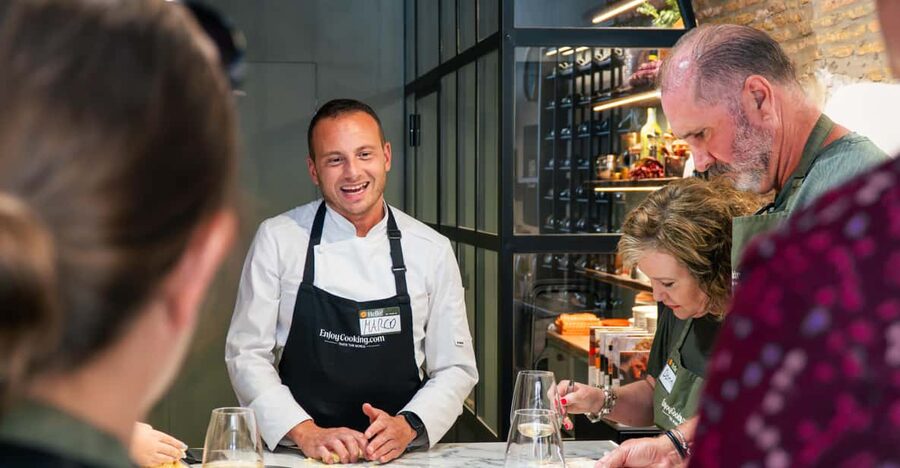
Also, it’s not an all-serious chef theater experience. People leave talking about the vibe—cheerful chefs, laughter around the table, and that good feeling of eating your own work. In classes led by chefs like Marco, Max, or Alex, the tone tends to be relaxed and instructional at the same time, which matters if you’re nervous in a kitchen.
This is an EnjoyCooking experience, running in Lazio and designed to fit into an evening plan near the Colosseum area.
You can also read our reviews of more tours and experiences in Rome.
Getting Oriented: Meeting Point, Timing, and What to Wear
The meeting point can vary depending on what you book, and the activity ends back at that same spot. That’s convenient because you’re not stuck figuring out how to get home from somewhere obscure—you just return to where you started.
Plan for the class to run about 3 hours (check available start times). It proceeds regardless of weather, so treat it like a set appointment, not an outdoor stroll that can get postponed forever. Wear practical cooking clothes. You’ll be handling dough, working surfaces, and likely tasting as you go.
One more practical note: your spot isn’t a spectator pass. If you arrive late, participation isn’t guaranteed, so I’d build in buffer time—especially if you’re pairing this with an evening visit near the Colosseum.
Inside the Kitchen: Small-Group Setup (and Why It Matters)
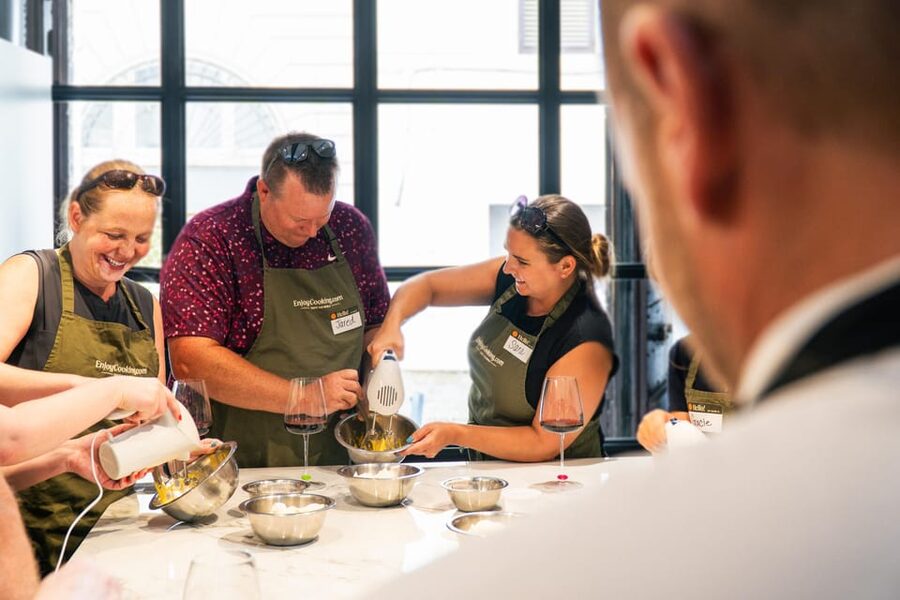
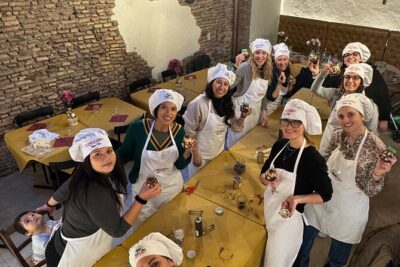
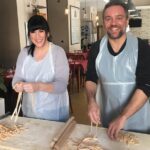
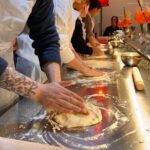
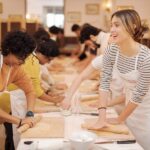
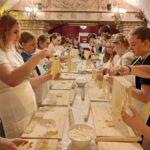
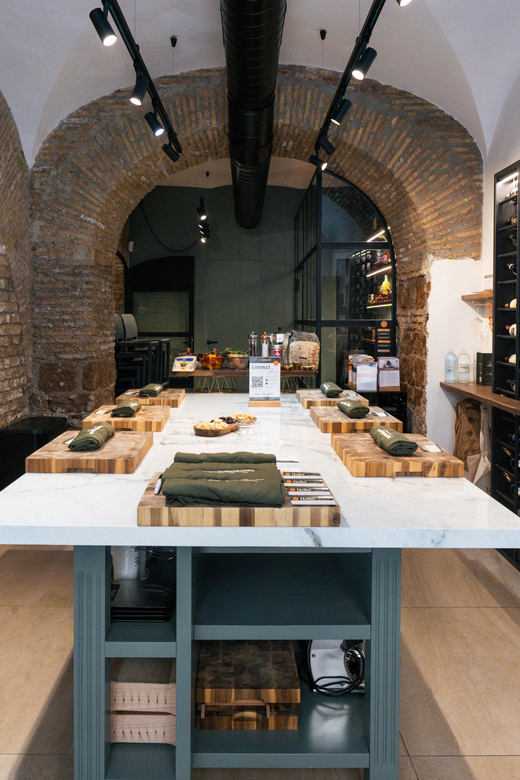
This class caps at 10 participants, which changes everything. In a bigger group, you might get a quick demo and then hope the kitchen moves fast enough for you to try. Here, the small size keeps the workflow tight and the instruction personal.
From the way the class is described, you’ll get step-by-step guidance on the big techniques:
- making pasta dough from scratch
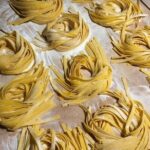
- rolling/cutting/filling ravioli-style pasta
- understanding how sauces and fillings come together
- assembling tiramisu layers and finishing it properly
You also get an English-speaking instructor, which is a big deal for cooking classes. Food technique has a lot of tiny cues—texture, thickness, consistency. Having those cues in a language you can think in makes the learning stick.
Handmade Pasta from Scratch: Dough, Rolling, Filling, and Sauce Basics
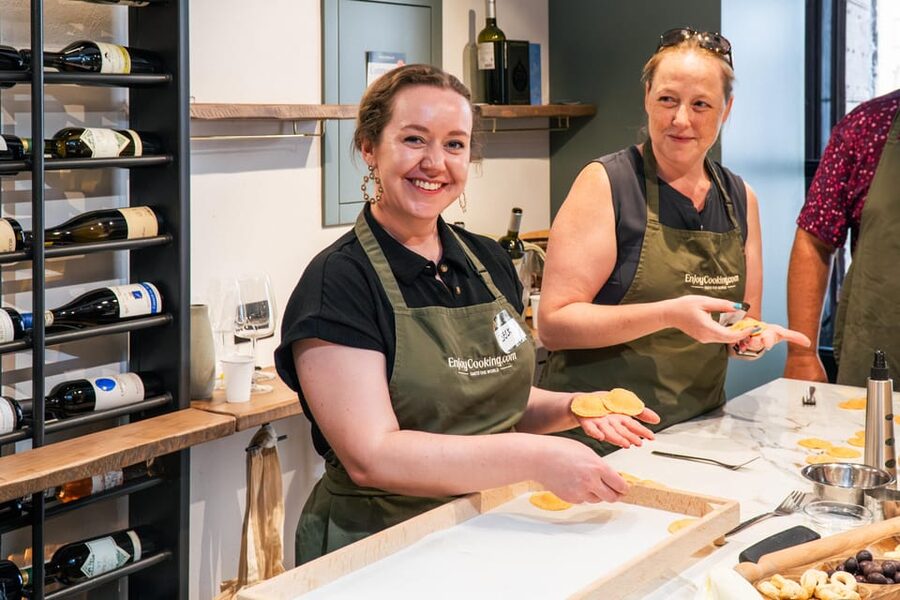
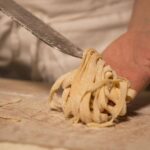
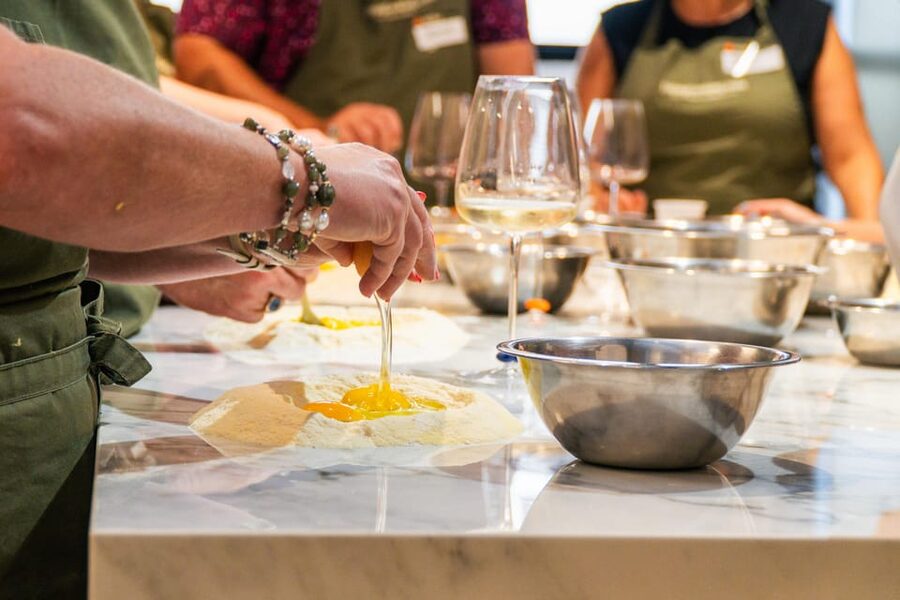
The pasta portion is the heart of the evening. You start with pasta dough from scratch, which means you’re not relying on pre-made sheets. That matters because real pasta is all about feel—how the dough comes together and how it behaves as you roll it out.
You’ll work with a guided method for:
- mixing dough ingredients
- combining the dough until it’s ready
- rolling and cutting it properly
- building the filling
- shaping ravioli and finishing the pieces
- pairing with a sauce that complements what you made
The class is built around two traditional pasta dishes. One part is clearly ravioli, and the other is another classic handmade pasta style you’ll learn during the same session. Don’t worry if you’ve never done this. The whole point is instruction at your pace.
This is where a free kitchen setup helps you learn faster. Someone’s there showing you what the dough should look like and how to handle it. And if you want a souvenir skill rather than a meal, this is it.
The Ravioli Part: What You Actually Learn in Your Hands
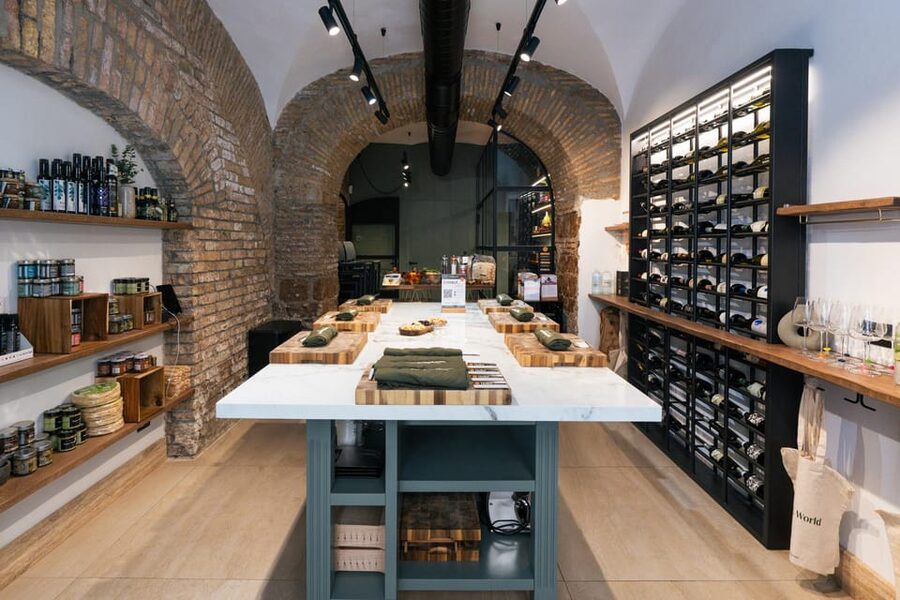
Ravioli sounds simple until you’re doing it. The key learning here is control: thickness when you roll, the right amount of filling, and getting seals that hold through cooking.
The class includes a guided approach to making the filling and then finishing with a delicious sauce. That combination is part of what people love most. It’s not only the pasta shape. It’s how the pasta ends up tasting like an Italian meal, not like something you made that sort of resembles food.
There’s also a subtle confidence gain that happens when you see your own work on a plate. Several people come away wanting to buy a pasta machine afterward—because once you roll dough once, you start noticing how much easier it is when you have the right tools at home.
If you’re the type who likes hands-on learning, this is the section that will feel most satisfying.



The Second Pasta Dish: Same Technique, Different Payoff
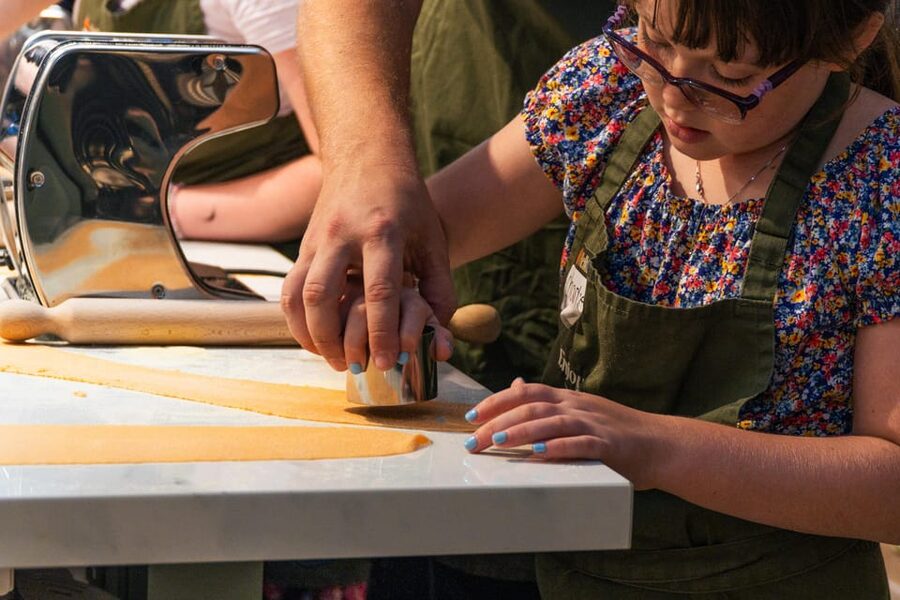
Because the class covers two types of handmade pasta, you’re practicing skills twice. Even when the shapes or fillings differ, you’re reinforcing the fundamentals:
- making or handling dough
- rolling to an appropriate thickness
- cutting and shaping
- focusing on how the final form holds up
That’s useful for your future cooking. When you can repeat the process across two pasta types, you’re not stuck copying one recipe forever. You’re building a mental map of how Italian hand-made pasta works.
And because you’re cooking in the same 3-hour window, you’ll keep momentum instead of losing it between stages.
Tiramisu from Scratch: Mastering the Layer Technique
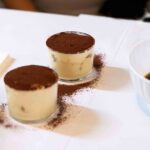
Then comes dessert: tiramisu, made by hand during the session. The class doesn’t treat tiramisu as a throw-it-together cake. You craft the creamy layers from scratch, guided by the chef.
The practical win here is the layering technique. Tiramisu is about texture and timing—how the cream feels and how the layers set. Since the session is hands-on, you don’t just learn the ingredients. You learn what to look for as you build.
A lot of people say it’s the best tiramisu they’ve had in Italy. Even if you don’t chase that exact claim, the takeaway is solid: when you make it yourself, you stop assuming it’s complicated and start understanding what makes it work.
Wine, Eating Together, and the Recipe Book That Extends the Fun
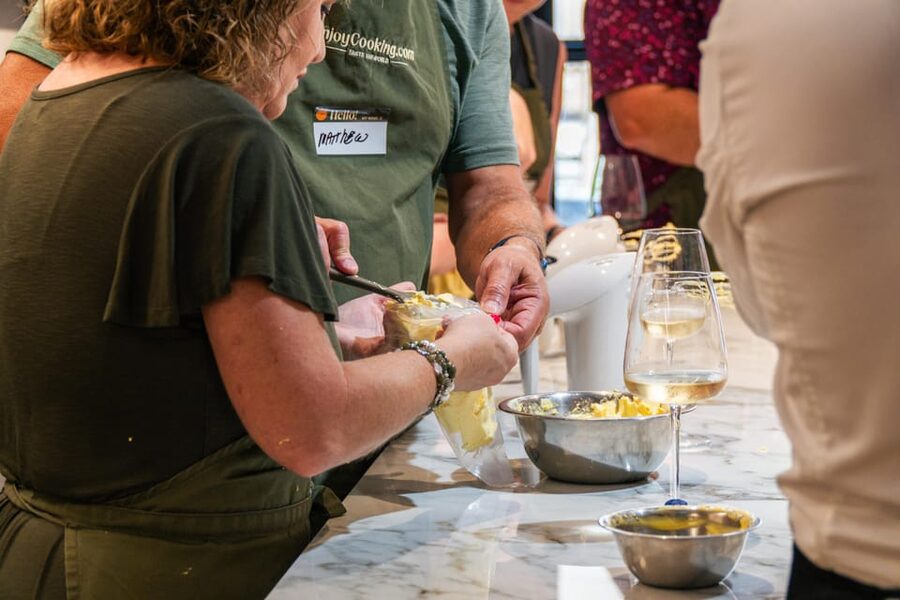
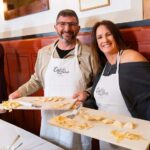
You’ll enjoy free-flowing Italian wine during the experience. You’ll likely pour it yourself at the table, which turns the meal into part celebration, part cooking debrief. Expect the class to feel social. Even in a small group, you’re doing something together and then eating together.
After cooking, you sit down and enjoy what you made. That matters more than it sounds. In many cooking classes, you rush through the steps, then get a quick bite. Here, the meal is part of the experience arc—like you’re actually finishing a real Italian meal, not just doing tasks.
You also get a recipe book. That’s the difference between a one-night memory and a skill you can repeat. When you leave with written instructions, you can try making pasta and tiramisu at home without guessing what the dough should feel like.
Price and Value: Is $112.15 Worth It?
At $112.15 per person, this isn’t a cheap snack class. But it’s also not just a tasting. You’re paying for:
- instruction in English from local chefs
- handmade pasta dough work (two pasta types)
- ravioli filling and sauce instruction
- tiramisu made from scratch
- free-flowing Italian wine
- a small group setup (max 10)
- a take-home recipe book
That combination is the value equation. If you’ve ever taken a cooking class that’s mostly watching, the price can feel worse. Here, you do the work. You leave with practical technique, and you eat a finished meal you helped create.
If you enjoy food as a skill—not just as entertainment—this price lands in a reasonable spot for Rome. If you only want light bites and conversation, you’d probably find a cheaper activity.
Who This Class Is For (and Who Should Skip It)
This is a strong fit for:
- couples and small groups who want a shared hands-on memory
- beginners who want guidance and structure
- experienced cooks who want to compare their technique to authentic Italian method
- solo travelers who like meeting people while doing something active
One caution: it’s not suitable for people with nut allergies. Also, while the provider asks you to inform them of allergies or dietary restrictions, they note that some restrictions like gluten-free diets may not be possible due to trace ingredients.
If you’re dealing with a serious allergy, don’t assume you’ll be fully accommodated. Ask directly before booking and be specific about your needs.
Tips to Make the Most of Your 3 Hours
A cooking class goes smoother when you show up ready to work. Here’s how I’d plan it:
- Wear clothes you can get flour on. Aprons might help, but your shoes and sleeves will still matter.
- Give yourself extra time to reach the meeting point, since late arrival isn’t guaranteed for participation.
- Eat lightly beforehand if you can, but not so lightly that you’re starving once the wine and meal start flowing.
- Ask questions while you cook, especially about dough thickness and sealing ravioli. That’s where the real learning happens.
- Take notes and trust the recipe book, then use the class notes later when you try this at home.
And if you’re the type who wants the perfect night pairing, this makes a great complement to a Colosseum area evening. You’ve got a meal, a skill, and then you can finish your night with gelato and a stroll.
Should You Book This Rome Pasta and Tiramisu Class by Colosseum?
Book it if you want an experience with real payoff. You’ll learn handmade pasta technique, make ravioli, and build a true tiramisu from scratch—then you’ll eat it in the same evening. The small group size (10 max) and English instruction help you actually participate, not just observe.
Skip it or ask lots of questions first if you have nut allergies or you need a strict diet that the kitchen may not be able to support due to trace ingredients. And if you’re always running late, build extra buffer because late arrival isn’t guaranteed.
If your goal is a memorable Rome meal you can recreate, this one is worth your time. It’s practical, hands-on, and the kind of cooking class where you leave thinking, I can do this again.
FAQ
How long is the cooking class?
The class lasts about 3 hours. You’ll need to check availability to see your specific start time.
What will I learn to cook?
You’ll learn to make two types of handmade pasta from scratch (including ravioli) and a tiramisu made from scratch.
Is wine included?
Yes. The class includes free-flowing Italian wine.
How many people are in the group?
It’s a small group limited to a maximum of 10 participants.
Is the class taught in English?
Yes. The instructor is listed as English.
Where does the class start and end?
The meeting point may vary depending on the option booked, and the class ends back at the meeting point.
Is transportation included?
No. Transportation is not included.
What should I wear?
You’re recommended to wear appropriate clothing for cooking.
What if I have allergies or dietary restrictions?
Inform the provider immediately after booking. Some restrictions may not be possible, and the activity is not suitable for people with nut allergies.
Does the class run in bad weather?
Yes, it will proceed regardless of weather conditions.
Is free cancellation available?
Yes. You can cancel up to 24 hours in advance for a full refund.
Can I pay later?
Yes. There’s a reserve now and pay later option, so you can book your spot without paying today.