REVIEW · ROME
Rome & Milan: Cooking class & wine pairing at Come Na Vorta
Book on GetYourGuide →Operated by COME NA VORTA · Bookable on GetYourGuide
Dough in your hands, wine on the table. At Come Na Vorta, you get family-taught pasta skills plus a real wine pairing with the meal, all wrapped into an easy 3-hour class. One catch: there’s no pickup, so you’ll need to get yourself to the restaurant in Trastevere (Rome) or Navigli (Milan).
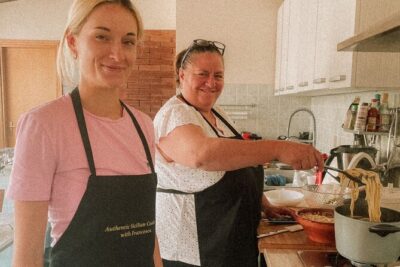
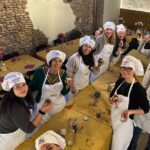
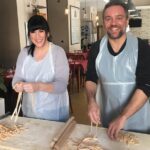
I like that the vibe stays friendly, not classroom-stiff. In real life, hosts like Alice, Lorenza, and Luciana are cited for keeping the pace relaxed, answering questions well, and making the whole thing feel like hanging out with someone who genuinely cares about food—especially in a small group.
In This Review
- Key Things That Make Come Na Vorta Worth Your Time
- Where You Cook: Trastevere in Rome or Navigli in Milan
- The 3-Hour Rhythm: Prosecco Start, Dough Work, Then a Shared Feast
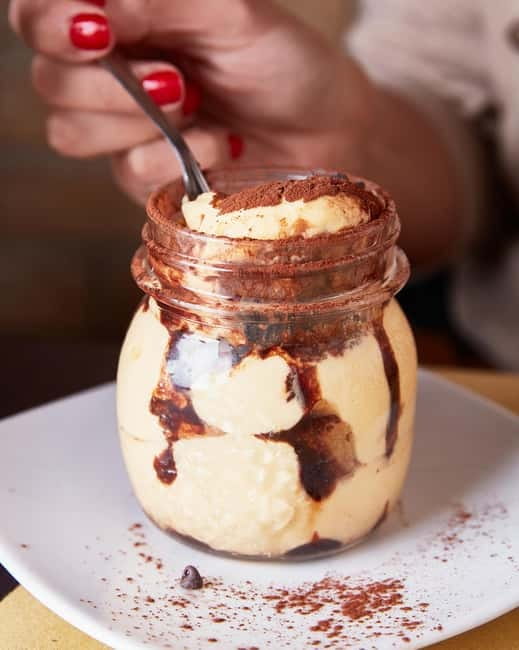
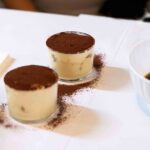
- What You Actually Make: Fettuccine, Gnocchi, and Tiramisù From Scratch
- Sauce Choices and the Meal You Create
- Wine Pairing Options: Bronze, Silver, and Gold (and How to Choose)
- Prosecco, Bruschette, and Olive Oil: Why the Snacks Matter
- Guides, Group Size, and the Social Side of the Class
- What’s Included (and What You Need to Bring)
- Price and Value: Is $77 a Good Deal for What You Get?
- Tips to Get the Most From Your Pasta Class
- Should You Book Come Na Vorta?
- FAQ
- How long is the Come Na Vorta cooking class?
- Where does the class take place in Rome and Milan?
- What do I make during the class?
- What are the wine and Prosecco options?
- Is this class only in English?
- What is included with the meal?
- Do I need to arrange my own transportation?
- Is the experience wheelchair accessible?
Key Things That Make Come Na Vorta Worth Your Time
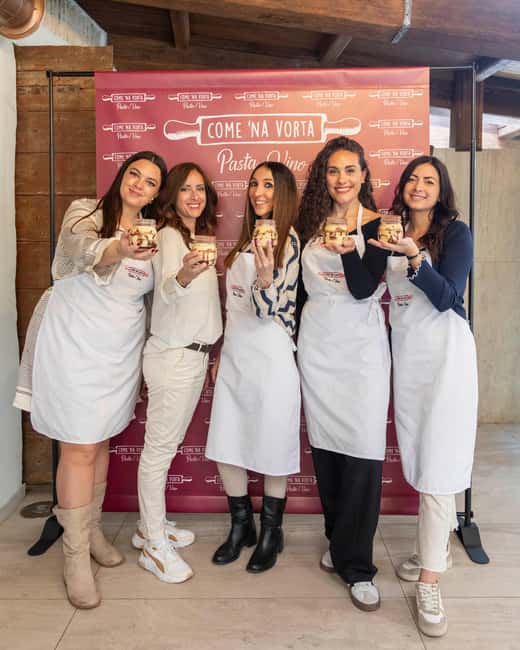
- Hands-on pasta, not just watching: you make fresh fettuccine and gnocchi from scratch.
- Two pasta dishes per person: you cook and then eat what you make, with sauces of your choice.
- Tiramisu done Roman-style: you make it from scratch and learn the variations your family keeps.
- Prosecco and bruschette keep the energy up: you snack during the class, with extra virgin olive oil.
- Wine tier matches your budget: Bronze, Silver, or Gold changes how many glasses you receive and which wines.
Where You Cook: Trastevere in Rome or Navigli in Milan
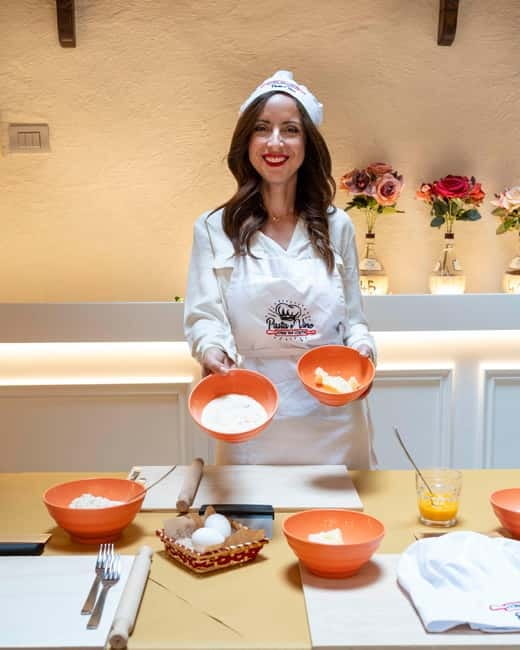
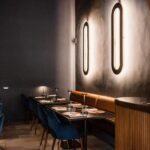
This class happens in two different neighborhoods depending on your city: Trastevere in Rome or Navigli in Milan. Both locations are known for that classic “walk around after” feeling, so your cooking class can turn into a longer food day.
The meeting point can vary by option, so plan to check your exact location the day you go. Also, because there’s no pickup or drop-off, factor in time to get there on your own by taxi, tram, metro, or a good old fashioned walk.
If you’re choosing between cities, think about your trip rhythm. Rome is often better if you want a pasta class that feels like a full Roman meal moment in the middle of sightseeing. Milan can be great if your schedule is more fashion and galleries, but you still want something hands-on and human.
You can also read our reviews of more tours and experiences in Rome.
The 3-Hour Rhythm: Prosecco Start, Dough Work, Then a Shared Feast
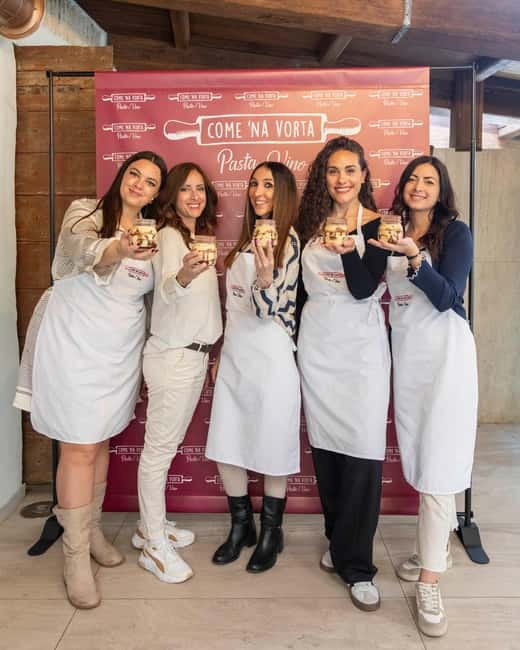
The total experience runs about 3 hours. You spend roughly 2 hours cooking and then sit down to enjoy the meal you created.
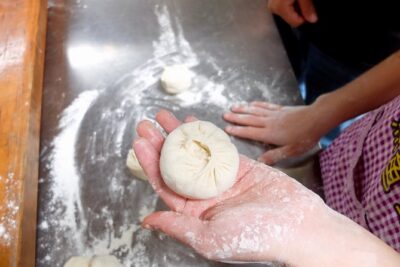
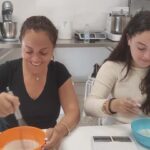
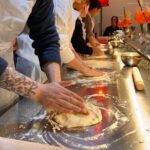
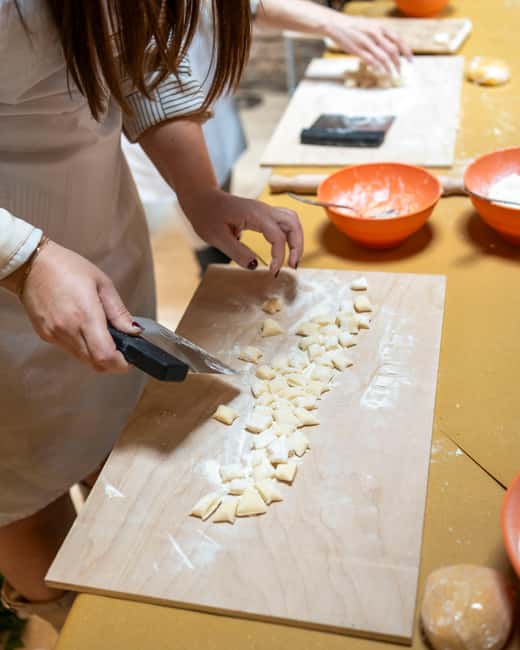
It usually starts with a glass of Prosecco, then you roll up your sleeves and get moving in the dough. Expect a mix of instruction and getting your hands involved: kneading, shaping, and learning how to tell if the dough is behaving.
Between the heavier work, there’s bruschette with extra virgin olive oil. That break matters more than it sounds. Fresh pasta needs your attention, and a quick snack helps keep your focus (and your mood) steady.
By the time your fettuccine and gnocchi are ready, the class turns into eating. You’ll choose traditional Roman sauces, then finish with homemade tiramisù—so you’re not leaving hungry or stuck with only one small taste.
What You Actually Make: Fettuccine, Gnocchi, and Tiramisù From Scratch
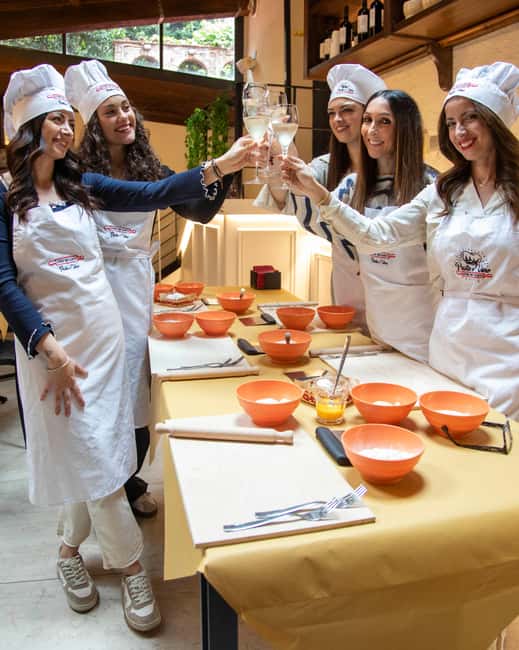
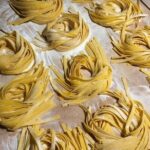
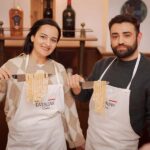
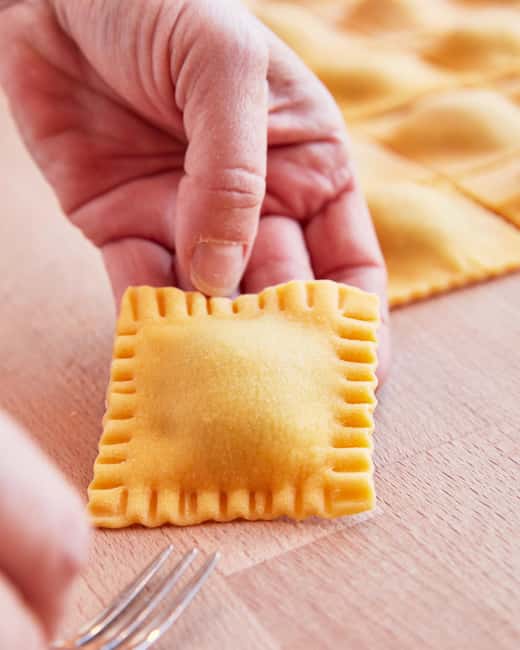
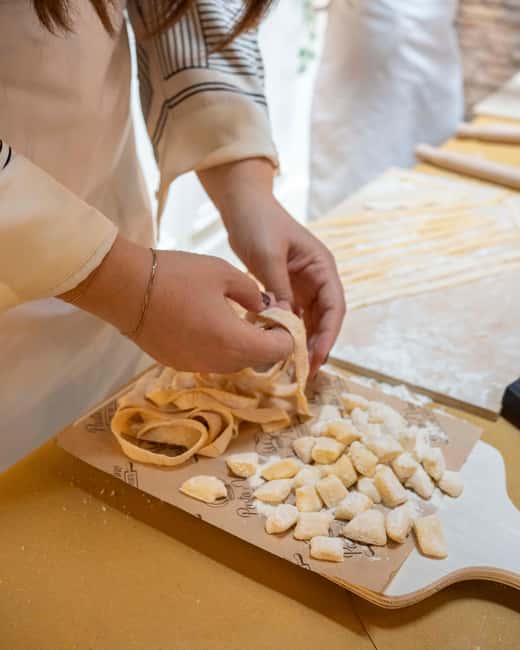
The core of the class is learning how to make fresh pasta. You’ll work on fettuccine and gnocchi, and you’ll also learn tiramisù from scratch.
Here’s what makes that valuable for you: you’re not just copying steps. You’re learning what to look for. The class emphasizes recognizing quality ingredients and understanding the dough enough to understand why things work. That’s the difference between a fun one-time activity and a skill you can repeat later.
You also learn different pasta shapes. Shapes can look like decoration, but they matter for how sauce clings and how the pasta eats. Knowing that in plain terms makes restaurant pasta feel more understandable when you order later.
For tiramisù, you’re not handed a single recipe and told that’s the only correct version. The experience highlights variations your family keeps for guests. That gives you a realistic sense of Italian home cooking: small choices, not rigid rules.
Sauce Choices and the Meal You Create
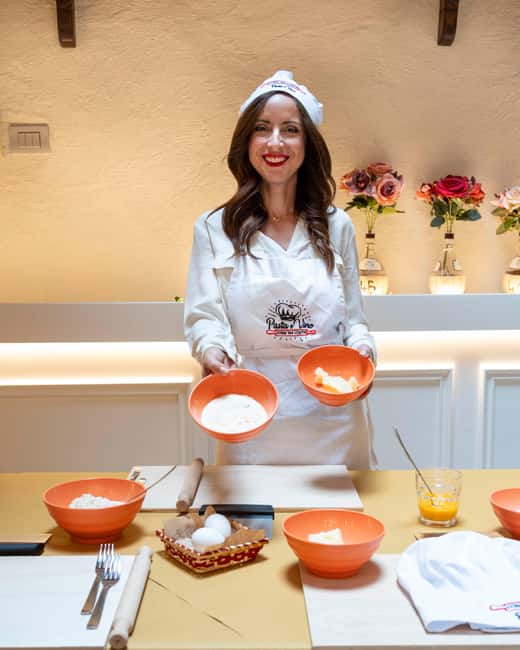
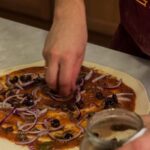
Once your pasta is ready, you’ll cook it with traditional Roman sauces of your choice. Then you sit down together to eat the feast you made.
Two pasta dishes plus dessert is a big part of the value here. Many classes keep things light—one bite, a small plate, then you’re sent on your way. This one is structured so you actually finish a meal.
You also get to pair what you’re eating with wine. The wine is tied to the option you book, so the class isn’t just about pasta technique. It’s about how the whole meal fits together, like a real dinner.
If you’re picky about what you like, this is one of the reasons the class stays flexible. You choose sauces, and then you finish with tiramisù, which is served to each guest.
Wine Pairing Options: Bronze, Silver, and Gold (and How to Choose)
You’ll see three booking options, and the pricing ties directly to what you drink. Bronze includes one glass of locally produced and popular wine. Silver includes two glasses of traditional Italian wines, listed as Chanti and Chardonnay. Gold includes two glasses of more prestigious Italian wines, listed as Brunello di Montalcino and Amarone della Valpolicella.
So how do you decide? If you mainly want the pasta experience and a modest wine pairing, Bronze is usually the simplest choice. If wine is part of why you’re in Italy, Silver is a good midpoint—two glasses gives you room to enjoy without rushing. Gold makes the most sense when you’re celebrating and you want the class meal to feel closer to a special tasting.
A practical note: wine amounts are part of the experience design, but you still control the pace by how you eat. If you’re worried about timing or staying sharp during gnocchi work, pick the option that matches how comfortable you are with drinking during a hands-on class.


Prosecco, Bruschette, and Olive Oil: Why the Snacks Matter
The Prosecco is described as free-flowing, and bruschette are served throughout the class. That’s not just a perk. It changes the feel of the cooking lesson.
You’re not stuck waiting until the end to relax. With a snack break built in, you get energy while you work, and you also get small moments to chat with your tablemates.
The bruschette are with extra virgin olive oil, which is a classic Roman approach: keep it simple, make it good. This kind of starter also helps you transition from the kitchen work back into tasting-mode.
Guides, Group Size, and the Social Side of the Class
This is set up as a small group activity, and that matters for your experience. In a smaller room, you get more attention from the host and more chances to ask questions without feeling rushed.
The guides are a big reason people enjoy the class. Alice, Lorenza, and Luciana are all named in feedback for being professional, friendly, and good at explaining things in a way that clicks. One of the biggest wins is clear guidance—especially with questions about what good dough should feel like and when gnocchi are “perfect.”
Also, the class naturally creates conversation. You’re all working with your hands, then sitting down to eat. That mix makes it easier to meet people than in a typical tour where everyone just files along.
If you’re traveling solo, this kind of structure can turn a “do one thing” day into a more social experience. If you’re a couple, you get a shared activity that ends with a meal you can actually talk about while you eat. Families often like it because you can build something together, even if someone’s not a chef.
What’s Included (and What You Need to Bring)
Here’s what’s included in the experience:
- Expert host guidance throughout
- Aprons and pasta maker hats to use during the class
- Prosecco and bruschette with extra virgin olive oil
- Water
- One or two glasses of wine depending on your booking option
- Two pasta dishes for each guest with sauces of your choice
- One tiramisù for each guest
- A recipes booklet to download
- An individual certificate of participation
What’s not included is also important. There’s no pickup or drop-off. And you shouldn’t expect extra foods and drinks beyond what’s on the designated menu.
You’ll also want to wear shoes and clothes that can handle a few moments of mess. You’re working with dough, so comfort beats fashion here.
Price and Value: Is $77 a Good Deal for What You Get?
At $77 per person, you’re paying for more than a “tasting.” You’re paying for technique, ingredients, and a full meal experience that includes:
- Prosecco plus bruschette during class
- Wine based on your tier
- Two cooked pasta dishes plus tiramisù
- Instruction plus tools (like aprons and pasta maker hats)
- A digital recipes booklet for later
Many experiences at this price point offer either a short demo or a light snack. Here, the class is structured as cooking + eating. That means the meal part is not an afterthought.
The value improves if you actually care to learn pasta basics you can repeat. Even if you’re not planning to become the next nonna, learning what dough should look and feel like can change the way you buy and cook pasta at home. You walk away with something practical, not just photos.
Tips to Get the Most From Your Pasta Class
- Pick the wine tier honestly
If you’re the type who enjoys wine during dinner, choose based on glasses and the named wines. If you’re just there for pasta, Bronze can keep the focus where it belongs.
- Ask questions during the dough stage
This is when you get the most payoff. It’s also when hosts can explain what good ingredients and dough consistency look like.
- Treat it like a skill lesson, not only a meal
You’ll get more satisfaction if you concentrate on shaping and timing—especially with gnocchi.
- Save your energy for the eating
The class includes snacks and drinks, but cooking fresh pasta takes effort. Pace yourself so you can enjoy the finished plate.
- Use the recipes booklet later
A downloadable booklet is a real value-add if you’re the type who cooks at home. Don’t just assume you’ll remember everything.
Should You Book Come Na Vorta?
I’d book this if you want an authentic-feeling Italian cooking experience that ends with a real meal. The combination of hands-on pasta making, two pasta dishes, tiramisù, and wine pairing is the main reason it works.
It’s also a good choice if you like learning from people who take their family traditions seriously. The class emphasizes multi-generation techniques—so you’re not just following steps, you’re picking up the logic behind them.
I’d skip it only if you really dislike structured meals with alcohol options. Also, remember the practical downside: no pickup means you must reach the restaurant in Trastevere or Navigli yourself.
If you want a single “worth it” food day in Rome or Milan, this fits the bill.
FAQ
How long is the Come Na Vorta cooking class?
The experience lasts around 3 hours, with about 2 hours for preparation and cooking and the rest to enjoy your meal.
Where does the class take place in Rome and Milan?
In Rome, the class is held at a family-owned restaurant in the Trastevere district. In Milan, it’s held in the Navigli area.
What do I make during the class?
You learn to make fresh fettuccine and pillowy gnocchi, and you also prepare tiramisù from scratch.
What are the wine and Prosecco options?
You start with Prosecco and you’ll receive wine based on your booking option: Bronze (one glass), Silver (two glasses such as Chanti and Chardonnay), or Gold (two glasses such as Brunello di Montalcino and Amarone della Valpolicella).
Is this class only in English?
The instructor can be English, Italian, or Spanish. If guests book from multiple countries, the class will automatically be held in English.
What is included with the meal?
Each guest gets two pasta dishes with sauces of your choice and one tiramisù. You also get bruschette and water during the experience.
Do I need to arrange my own transportation?
Yes. Pickup or drop-off is not included, so you’ll need to get to the meeting point on your own.
Is the experience wheelchair accessible?
Yes, it is listed as wheelchair accessible.