REVIEW · SIHANOUKVILLE
Cooking class in Kampot
Book on Viator →Operated by Kampot Seafood & Pepper · Bookable on Viator
Your Khmer meal starts at the market.
This private cooking class in Kampot pairs a guided Khmer market walk with hands-on Khmer cooking in a traditional colonial house near the river. You learn how to use fresh ingredients to make Cambodian favorites like larb, papaya salad, and amok, then sit down to eat what you cooked.
I love that the price covers both the market tour and the cooking training plus ingredients, so you are not doing math in your head while you learn. I also love the menu flexibility and dietary care, including options such as tofu swaps for meat, with a chef who can explain clearly in English (Sa Roun is specifically mentioned).
One possible drawback: drinks are not included, so you’ll want to plan for water or other non-included beverages.
In This Review
- Key things to know before you go
- Cooking Up Cambodia in a Private Kampot Class
- Who this works best for
- The Khmer Market Walk: Ingredients You Can Actually Identify
- What to expect from the walk
- The one thing that can slow you down
- Inside a Traditional Colonial House: Cooking Larb, Papaya Salad, and Amok
- Larb: the minced-meat salad technique
- Papaya salad: sour-spicy-herb balance
- Amok: the coconut-steam showstopper
- How the Menu Works (and How Dietary Needs Get Handled)
- Dietary flexibility you can count on
- Language and teaching style
- Timing, Pace, and What to Bring for a 4-Hour Cooking Class
- Plan your day around the meal
- What to bring
- Drinks not included
- Why the $33 Price Often Feels Like a Bargain
- The private factor
- Chef Recommendations After Class: Use Them for Your Next Night
- Should You Book This Kampot Cooking Class?
- FAQ
- How long is the cooking class in Kampot?
- Where does the experience start?
- Is this experience private?
- What is included in the price?
- Are drinks included?
- Do I choose what dishes to cook?
- Is there confirmation after booking?
Key things to know before you go
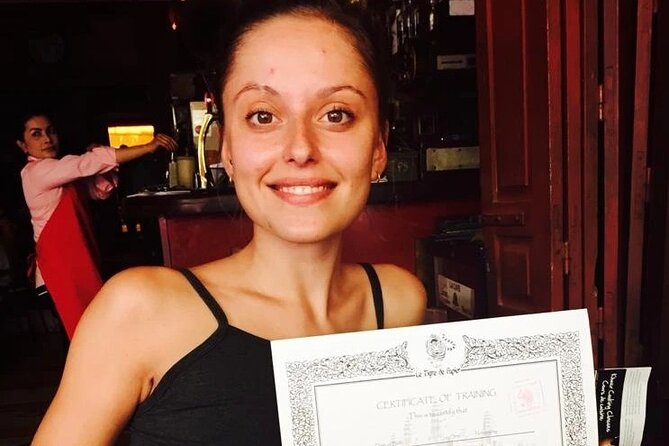
- Private class for just your group, so it feels personal, not rushed with strangers
- Chef-led Khmer market tour to learn ingredients before you cook
- Choose from a menu and typically cook a starter and main, plus dessert for the group
- Diet-friendly options, including tofu instead of meat when needed
- All ingredients and cooking training included in the $33 price
Cooking Up Cambodia in a Private Kampot Class
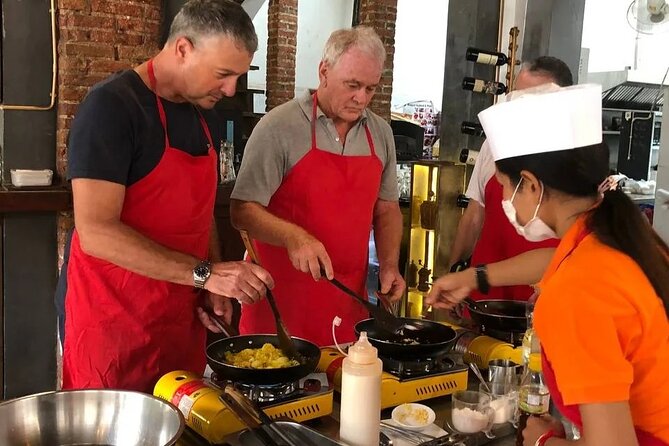
Kampot has a way of making food feel like part of daily life, not a tourist performance. This cooking class leans into that idea. You start with a chef guide, walk through a Khmer market to understand what goes into Cambodian dishes, then move into a traditional colonial house setting to actually cook.
What makes it appealing for a short trip is the structure. It’s only about 4 hours, but it covers the full arc: ingredient shopping, prep, cooking skills, and then eating a proper meal. And because it’s private, you can ask questions without feeling like you’re competing with a busload.
From the dish list alone—larb, papaya salad, amok—you’ll get a good sense of Cambodian cuisine’s balancing act: tangy, spicy, herb-forward, and often coconut-rich. You’ll also pick up practical technique, not just recipes you’ll forget by tomorrow.
Who this works best for
- Food lovers who want a real skill, not just a one-time meal
- Solo travelers or couples who prefer a quieter experience
- Small groups who want to learn together and still keep the pace comfortable
The Khmer Market Walk: Ingredients You Can Actually Identify
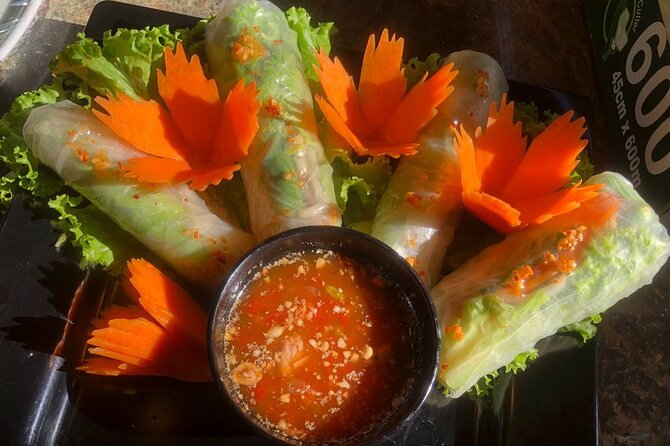
The market part is the backbone of this class. Instead of showing up to a kitchen with pre-packed ingredients, you learn what to look for first—vegetables, herbs, and other core components that make Cambodian flavors work.
You’ll go with a professional chef tutor, and the focus stays practical: what each ingredient is used for, how it behaves during cooking, and which parts are worth paying attention to. That matters because many Cambodian dishes rely on fresh aromatics and the right balance of sour, salty, spicy, and sweet.
This is also where your “future cooking confidence” starts. Once you know what items look like and what role they play, it becomes easier to recreate meals later—whether you’re in Phnom Penh, on a Cambodian road trip, or back home at a grocery store.
What to expect from the walk
- A guided look at the ingredients tied directly to what you’ll cook
- Enough time to ask questions without feeling like you’re being herded
- A market experience that’s connected to your meal, not an unrelated sightseeing stop
The one thing that can slow you down
Markets involve walking and a bit of time on your feet. Wear comfortable shoes and keep a light daypack. You don’t need heavy hiking gear, but you do want to move easily when the schedule turns from browsing to cooking.
Inside a Traditional Colonial House: Cooking Larb, Papaya Salad, and Amok
After the market, the class shifts into hands-on mode. This is where you learn the Cambodian dishes you saw earlier—this time with your hands, your questions, and your own plate at the end.
A key strength here is that the chef tutor doesn’t just tell you what to do. The instruction stays tied to ingredients you just identified. So when you chop herbs or mix a salad base, it isn’t abstract. You know what you’re working with.
Larb: the minced-meat salad technique
Larb (often made with minced meat or other protein options) is one of those dishes where small choices matter. You learn the build—seasoning, texture, and the herb balance that gives it its punch. Even if you’re not making larb at home immediately, you’ll leave understanding the style: bright, savory, and sharply flavored.
Papaya salad: sour-spicy-herb balance
Papaya salad is a flavor lesson. You’ll learn how the dish gets its attitude from sour elements, seasoning, and fresh herbs. The result is the kind of Cambodian plate that tastes different from Thai papaya salad, even if they share ingredients.
Amok: the coconut-steam showstopper
Amok is the one many people remember. It’s often coconut-forward, aromatic, and creamy, and it has that distinctly Cambodian feel. In this class, it’s specifically called out as a favorite dish (fish amok is mentioned as a highlight). You learn how to build the flavors, not just copy the final step.
How the Menu Works (and How Dietary Needs Get Handled)
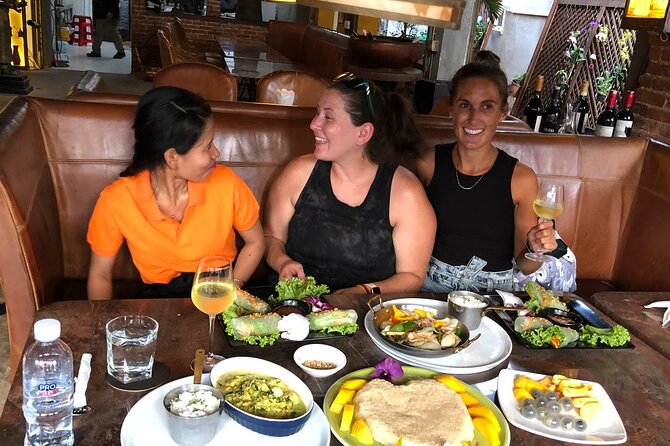
The class is built around choice. You can select dishes from the menu, and you’ll typically cook more than one course. One reported setup is a starter and main per person, with dessert done together as a group. Either way, the meal feels like a multi-course experience, not a tiny tasting.
This flexibility is a big value point. Food classes often force you into a set list. Here, you’re encouraged to cook what you actually want to eat.
Dietary flexibility you can count on
Based on what guests experienced, the chef can accommodate dietary choices. One clear example: if you prefer not to eat meat, they can prepare tofu instead. If you have allergies or a strict diet, tell your host clearly when you book so they can guide you toward the right dish options.
Language and teaching style
English support matters in Cambodia cooking classes, and this one is strong there. The chef is described as having excellent English and being funny and knowledgeable, which is a good sign for anyone worried about getting lost in explanations. Clear instruction makes the difference between a fun class and a confusing chore.
Timing, Pace, and What to Bring for a 4-Hour Cooking Class
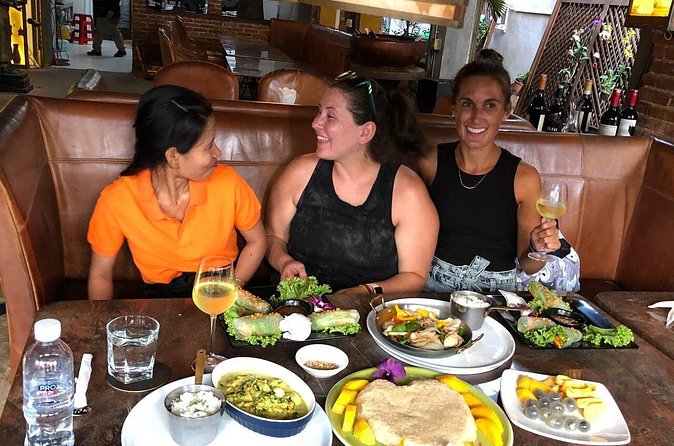
This experience runs about 4 hours. That’s long enough to learn and cook real dishes, but not so long that it becomes heavy. The pace can feel a bit quick at times, so treat it like an active cooking workshop, not a slow food day.
Plan your day around the meal
Because you’ll cook and then eat what you make, you’ll likely want to eat lightly beforehand. After class, you’ll usually leave full—there’s an emphasis on generous portions and big meal energy.
What to bring
Not much is required from what you’ve been told, but I’d still pack the basics:
- Comfortable shoes for the market walk
- A light layer, since you’ll be moving between indoor and outdoor areas
- A reusable water bottle if you like having cold water ready (drinks aren’t included)
Drinks not included
This is the practical catch. Drinks are not part of the included price. If you like having something specific during activities, plan to purchase it near the start point. Most people handle it by buying water at the beginning and moving on.
Why the $33 Price Often Feels Like a Bargain
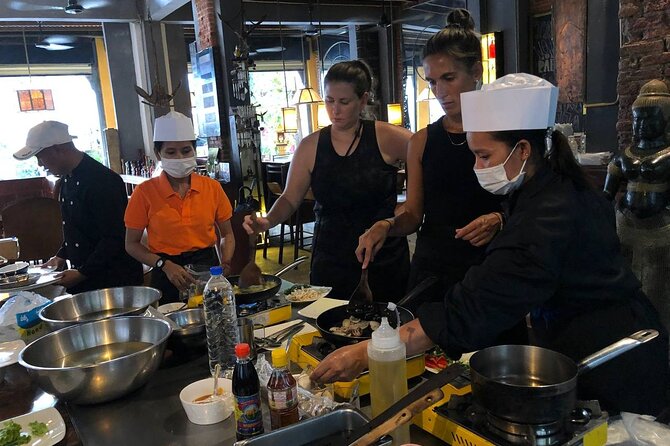
Let’s talk value, because $33 for a 4-hour private cooking experience sounds almost too good—until you look at what’s included.
You get:
- A food and market tour
- Cooking training
- Ingredients included
- A meal made from what you cook
That combination is hard to beat. Many “cooking classes” either give you a short demonstration, or they charge extra for ingredients and end up feeling like a restaurant dinner with extra steps.
Here, the market component matters. You’re paying for expertise and context—learning which ingredients to buy and why—so the session has lasting usefulness. Even if you never make all the dishes at home, you’ll still walk away with a better sense of Cambodian cooking logic.
The private factor
Private classes usually cost more. When it’s just you and your group, you get more attention. Questions get answered faster, and you can adjust the workflow to your comfort level. For small groups, this can feel like a shared experience rather than a scheduled performance.
Chef Recommendations After Class: Use Them for Your Next Night
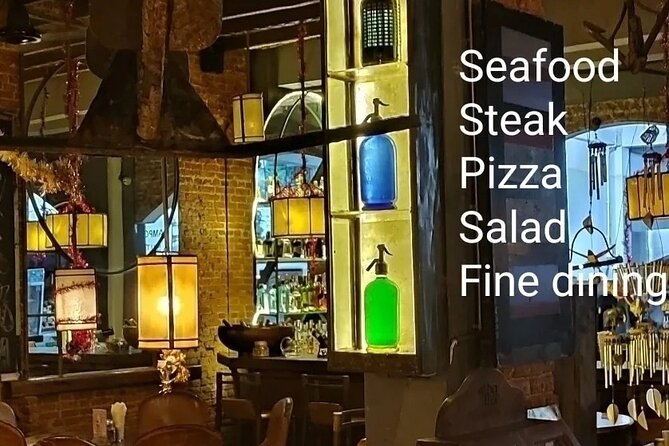
One underrated part of a good cooking class is what happens after. This one includes tutor recommendations for restaurants you might not find on your own.
You can use that in a practical way:
- Ask what to order if you want dishes similar to what you cooked
- Request something local that fits your spice level
- Use the suggestions to plan dinner for the rest of your Kampot days
This turns the class into a mini food map. Instead of just going home with recipes, you leave with a plan for how to eat well around town.
Should You Book This Kampot Cooking Class?
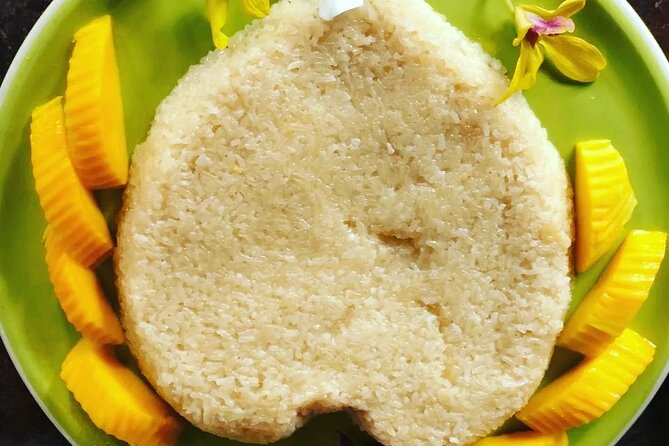
Book it if you want a hands-on Cambodian cooking experience with real market context, and if you like the idea of choosing what you cook from a menu. It’s also a strong pick if you’re traveling with a friend, partner, or small group and you prefer a private class with an English-speaking chef.
Skip it if you’re looking for a very light, mostly sightseeing activity, or if you hate meals that run long and leave you full. Also note the simple practical issue: drinks aren’t included, so budget a little extra for beverages.
If your goal is to leave Kampot understanding Khmer flavors beyond a list of recipes, this class is built for that.
FAQ
How long is the cooking class in Kampot?
The class is about 4 hours (approx.).
Where does the experience start?
The meeting point is Kampot Seafood & Pepper/cooking class, 1 Ousaphea, 07000, Kampot, Cambodia.
Is this experience private?
Yes. It’s a private activity, so only your group participates.
What is included in the price?
Cooking training and ingredients are included, plus the Khmer local market tour and food.
Are drinks included?
No. Drinks are not included.
Do I choose what dishes to cook?
Yes. You can choose from a menu and then cook dishes together with your chef tutor.
Is there confirmation after booking?
Yes. You’ll receive confirmation at the time of booking.