REVIEW · YOGYAKARTA
From Garden to Table: Indonesian Cooking Class in Yogyakarta
Book on GetYourGuide →Operated by Jogsider · Bookable on GetYourGuide
Herbs in the garden beat any market. In Yogyakarta, Endah’s farm-to-table class turns spice and rhizomes into lunch, starting with garden harvests and clear English guidance.
I love that you cook most of what you eat, including dishes like rujak, tempeh/tofu, and chicken with curry leaves, so the meal feels earned.
One thing to consider: the cooking space isn’t air-conditioned, so you’ll want to plan for heat and bring a small fan if you run warm.
In This Review
- Key highlights to look for
- Why this Yogyakarta cooking class feels different
- Meet Endah and choose your menu
- The garden walk: herbs, rhizomes, and why it changes your cooking
- Welcome drink and getting into the mood
- Hands-on cooking for real: what you’ll do during the class
- Expect work with the flavor builders
- You’ll handle ingredients directly
- Cooking style is guided, not hands-off
- You may fry or prepare snacks
- Lunch: you actually eat what you made
- Cultural insight you can use, not just listen to
- Cats, calm surroundings, and staying comfortable in the heat
- Price and value: is $46 worth it?
- Who should book this (and who should skip it)
- Small practical tips before you go
- Should you book this farm-to-table class?
- FAQ
- How long is the cooking class?
- How much does it cost?
- What’s included in the price?
- What welcome drink choices do I get?
- What dishes will I cook?
- Is the instructor teaching in English, and is it private?
- Is the class wheelchair accessible?
- Is a hotel shuttle included?
- What’s the cancellation window?
- Is it suitable for young children or seniors?
Key highlights to look for
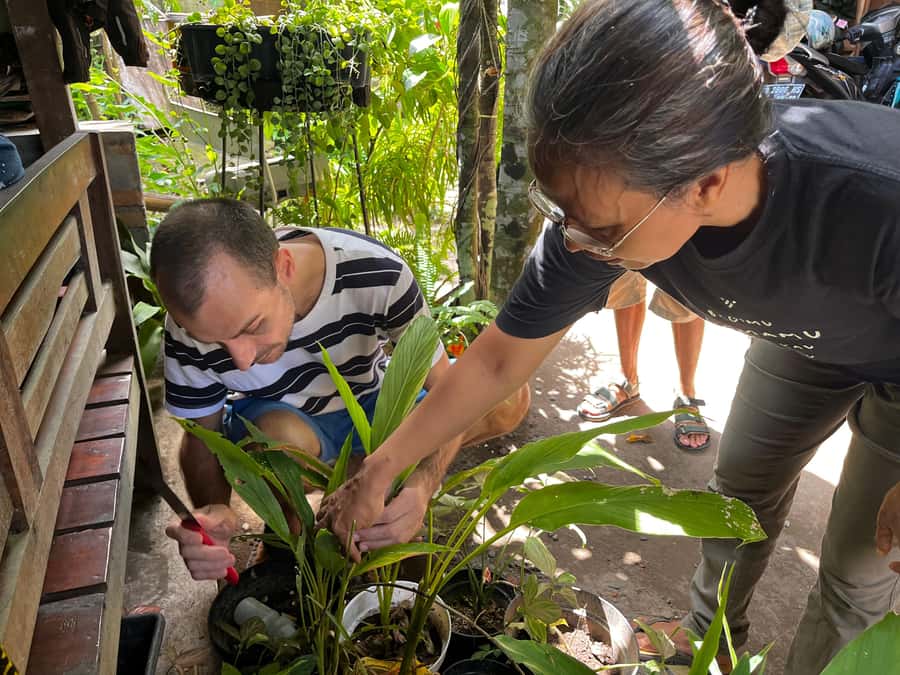
- Garden harvest first: you pick herbs and ingredients right from the garden before you cook
- Hands-on cooking, not spectator time: you do the prep and cooking for the dishes you’ll eat
- A proper plate of local food: the class includes a meal made up of 6 local dishes
- Welcome drinks and a relaxed family vibe: tamarind options, lemongrass tea, and friendly chats
- Spice gets handled thoughtfully: you can expect discussion around spice levels
Why this Yogyakarta cooking class feels different
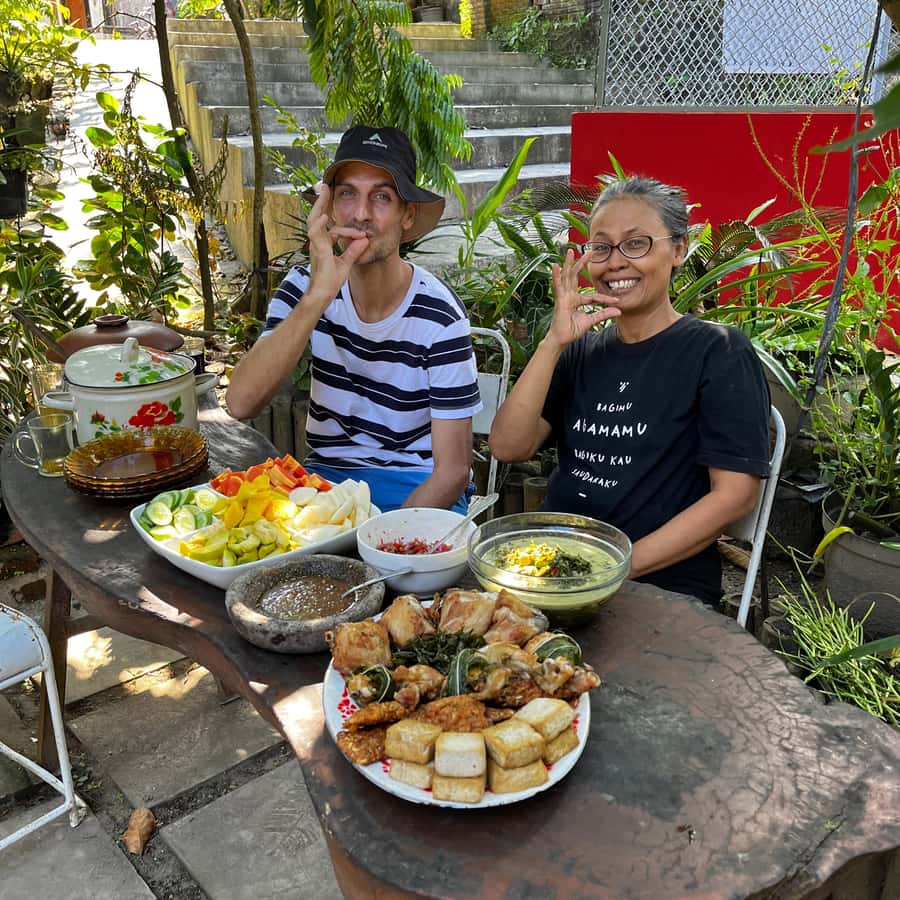
A lot of cooking classes in Indonesia teach you steps. This one teaches you ingredients first. That matters because Javanese flavor is built from the ground up—fresh herbs, fragrant roots, and spice pastes that smell like they were meant to be cooked right away.
The other big difference is the pacing. You’re in a real garden-to-stove flow for about 5 hours, and the whole point is that you’ll eat what you make (so there’s no awkward moment of watching your instructor plate food you won’t taste).
And it’s not just food. You’re also learning how people talk about ingredients, how they balance heat and sweetness, and how daily meals fit into local culture.
You can also read our reviews of more tours and experiences in Yogyakarta.

Meet Endah and choose your menu
This class is run as a private group, and the instructor speaks English. That combination is a real quality-of-life upgrade: you can ask questions without fighting for translation, and the pace can feel more personal than in a large, crowded group.
After booking, you’ll receive the full range of menu options to choose from. That means you can align your picks with what you actually want to learn—whether you’re more interested in spicy sambals, veggie-forward dishes, or something hearty with beef.
In many cases, the class centers on a set of 6 local dishes. One common included menu includes:
- vegetable rujak with peanut sauce
- fried chicken with curry leaves
- fried and/or boiled tofu
- tempeh
- a Balinese lemongrass chili sauce
- local fruit rujak
Some menu options may also include classics like rawon (beef black soup). So if that sounds like your kind of comfort food, check whether it’s available when you pick your menu.
The garden walk: herbs, rhizomes, and why it changes your cooking
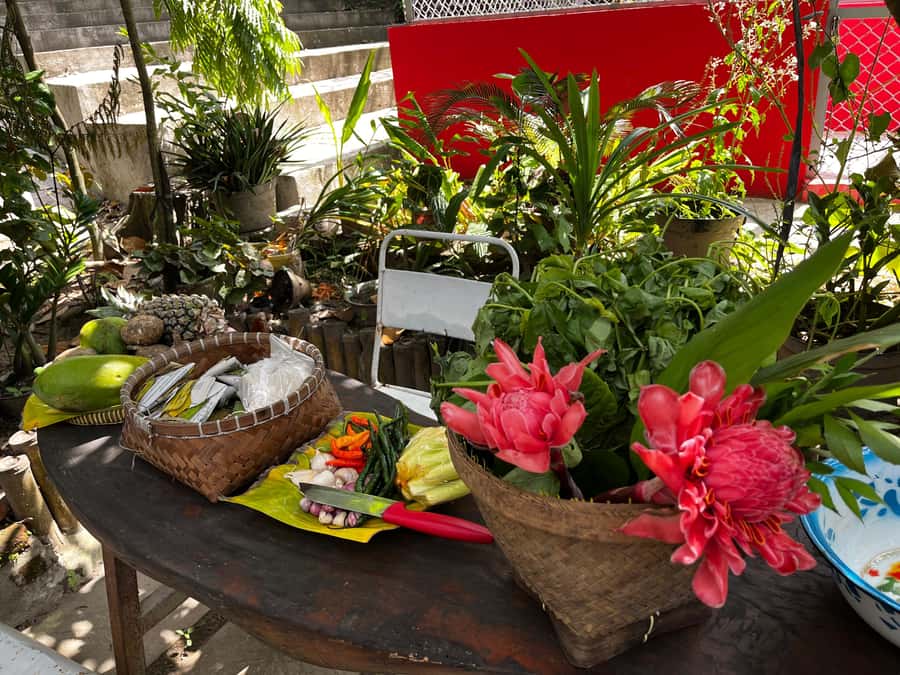
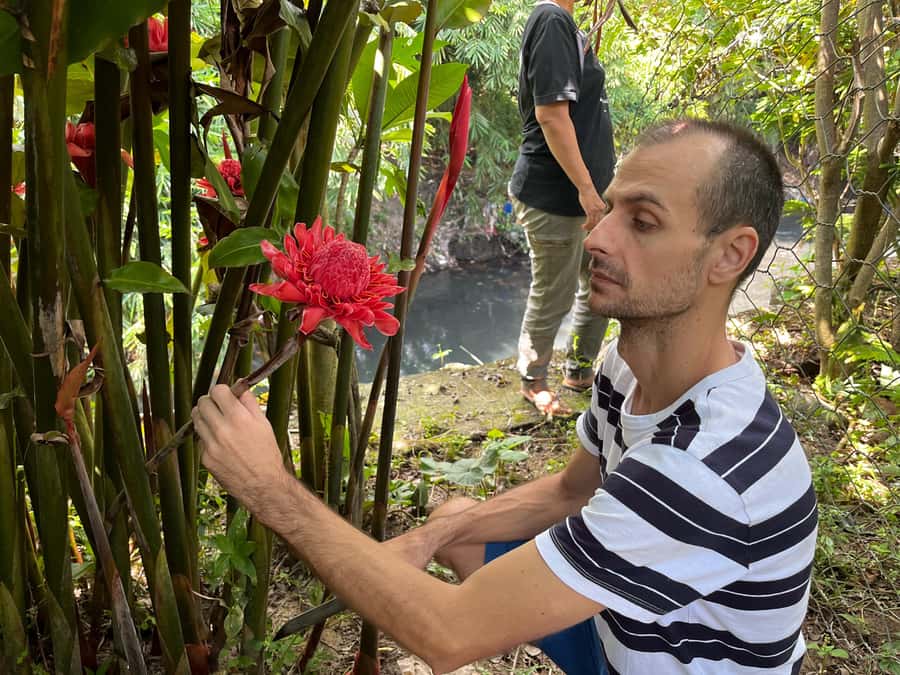
You start outdoors, harvesting native herbs and fresh ingredients from the garden. You don’t just look at plants—you touch, smell, and process raw items like rhizomes and spices. This is the moment where the class stops being theoretical.
If you’ve ever tried to cook Indonesian food at home and wondered why it tastes close but not exact, this is the answer. Fresh roots and herbs carry aroma you can’t recreate from a dry jar. Even the texture differences—how something grates, smashes, or grinds—affect your final sauce.
You’ll also be in a calm setting. There are cats around (the cute kind), which makes the whole garden time feel less like a chore and more like hanging out with a host who actually enjoys sharing their home routine.
Practical note: the garden part is time outdoors, so wear comfortable shoes and clothes you don’t mind getting a little warm.
Welcome drink and getting into the mood
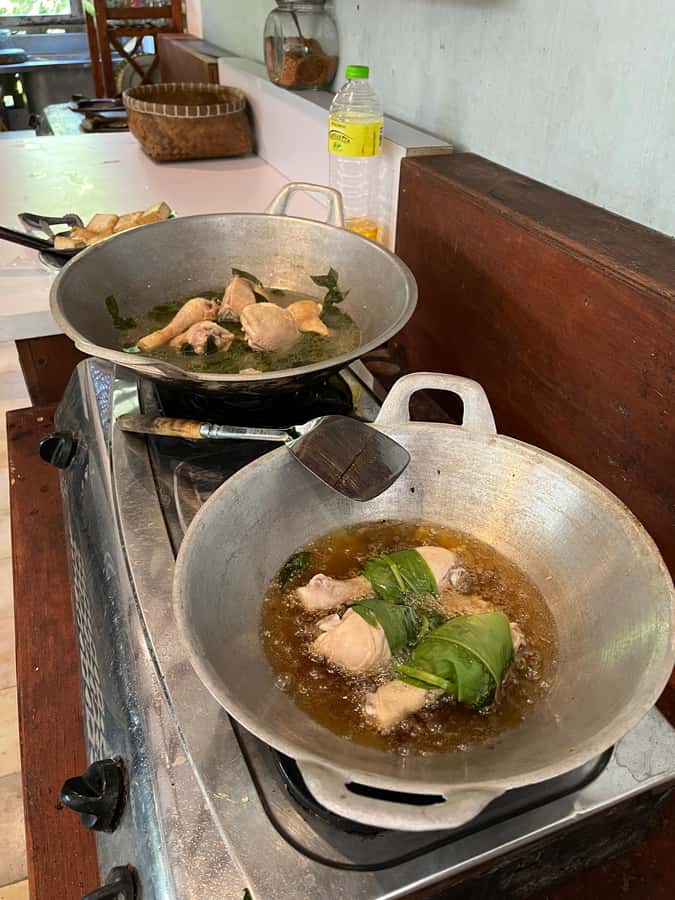
Before serious cooking begins, you get a welcome drink with choices that include:
- tamarind turmeric
- tamarind sugar
- lemongrass tea
This is more than a nice extra. It helps you set your palate early, especially if you’re learning about sweet-sour balance, chili heat, and how sourness lifts spice instead of just “making it tangy.”
Some participants also mention being offered home-brewed coffee or fresh bananas from the garden. You can’t count on those extras for every group, but it fits the overall vibe: you’re not just buying a ticket—you’re being fed and included.
Hands-on cooking for real: what you’ll do during the class
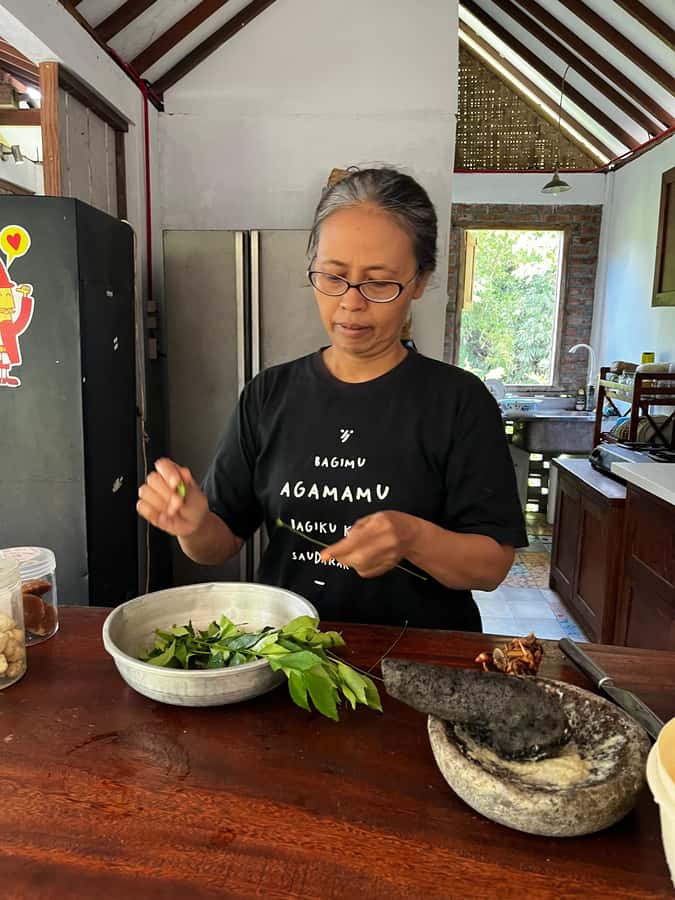
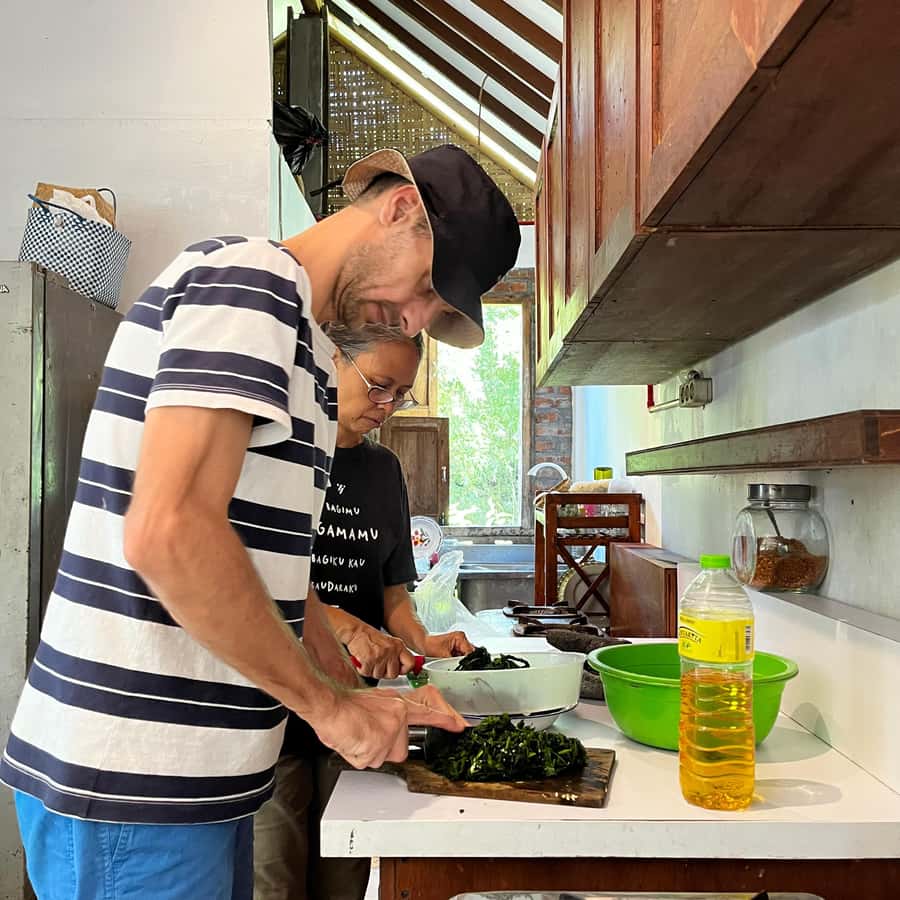
The heart of the experience is that you get in there—prepping and cooking. This class doesn’t feel like a demo where you take notes. You’ll likely work on multiple components at once, especially items like sambals and sauces, then bring everything together at serving time.
Here’s what that looks like in practical terms, based on the included menu range and the way Endah’s class is described:
Expect work with the flavor builders
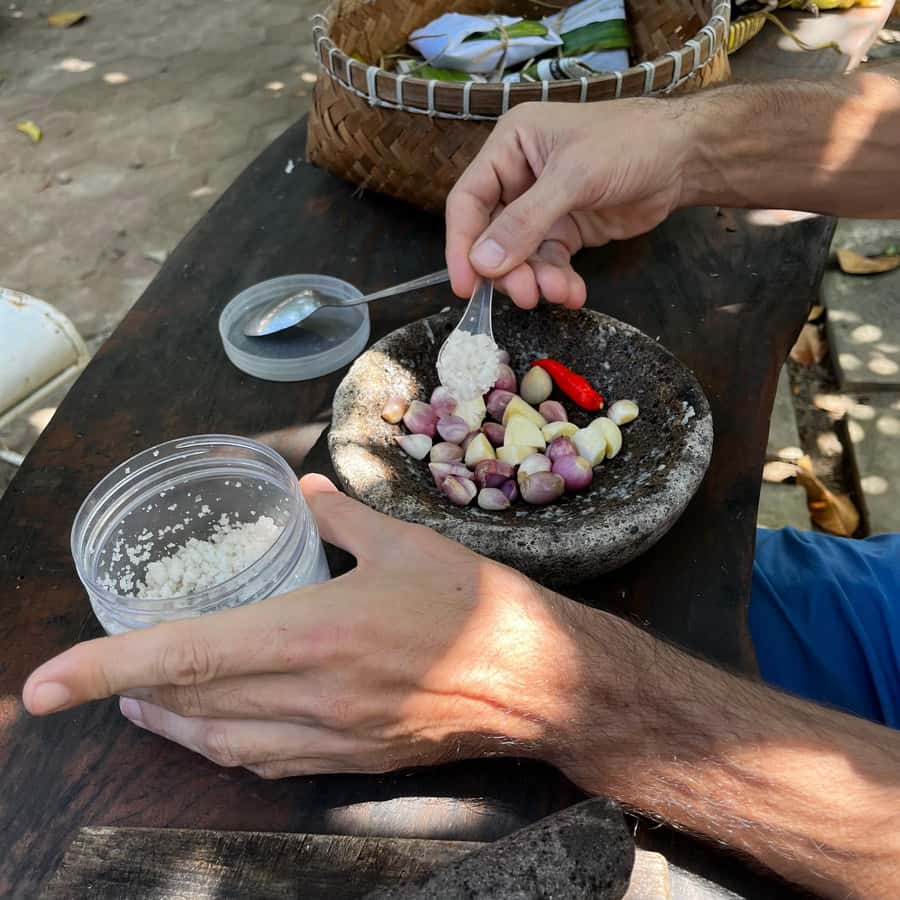
For Indonesian dishes, much of the magic is in spice paste and sauce components. You might spend time preparing mixtures that end up in things like:
- rujak (sweet-sour fruit and vegetable mix with peanut-driven sauce)
- lemongrass chili sauce
- frying or cooking bases for tempeh/tofu
You’ll handle ingredients directly
You’re not only reading recipes—you’re processing raw ingredients and learning how they behave:
- how curry leaves release aroma
- how peanut sauce thickens and balances
- how tofu/tempeh needs the right handling to stay flavorful
Cooking style is guided, not hands-off
Endah and the family help you through the process step by step. People consistently describe the class as relaxed, like cooking at home with a family who happens to know the tricks.
One useful detail: spice levels are handled with care. If you’re sensitive to heat, say so early. The class is set up so you can adjust rather than forcing yourself through a chili overload.
You may fry or prepare snacks
Some menu choices can include additional items like fried snacks. If your menu features something like kroepoek-style crisp crackers, you’ll understand how texture becomes part of the dish, not just garnish.
Lunch: you actually eat what you made
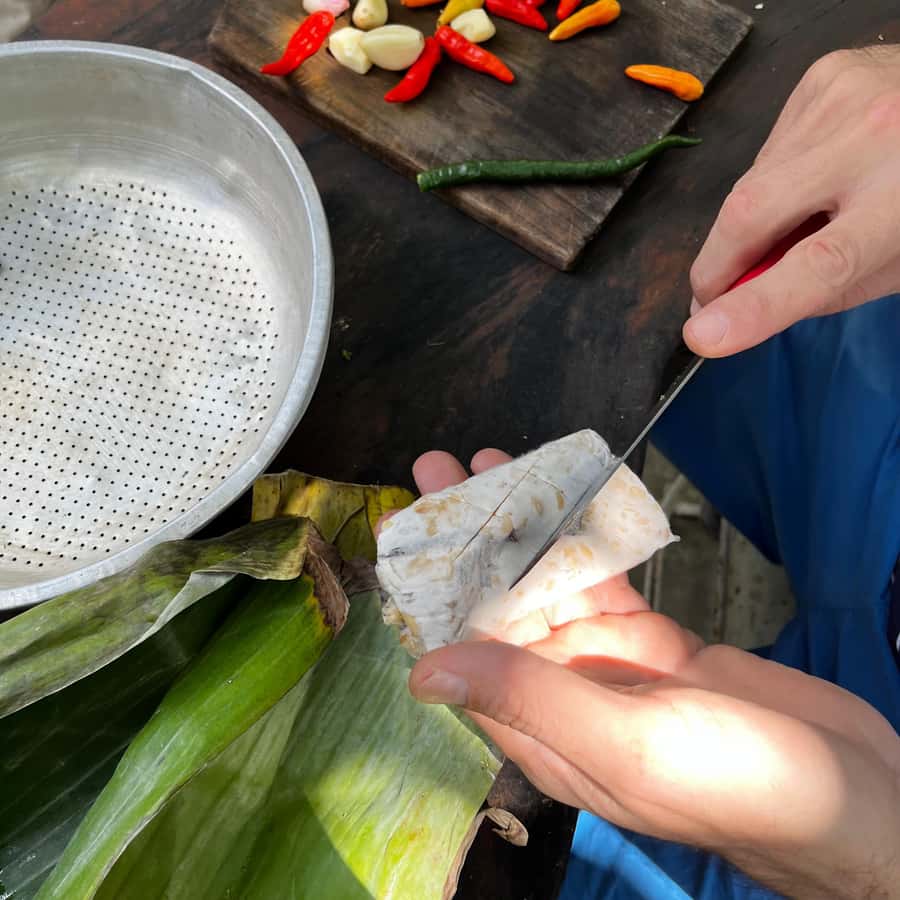
By the end, you sit down for lunch featuring the dishes you prepared. This is a big deal for value and enjoyment: you’re not paying for the privilege of cooking and then leaving hungry.
The included meal includes drinks too, and the portion level tends to be generous. Even if you’re not the biggest eater, you’ll leave with the satisfaction of tasting a range of flavors you learned with your own hands.
Also, eating in this setting feels different from a restaurant. You’ll notice which aromas come from the garden ingredients, which flavors come from spice pastes, and how the sweet-sour elements tie the whole plate together.
Cultural insight you can use, not just listen to
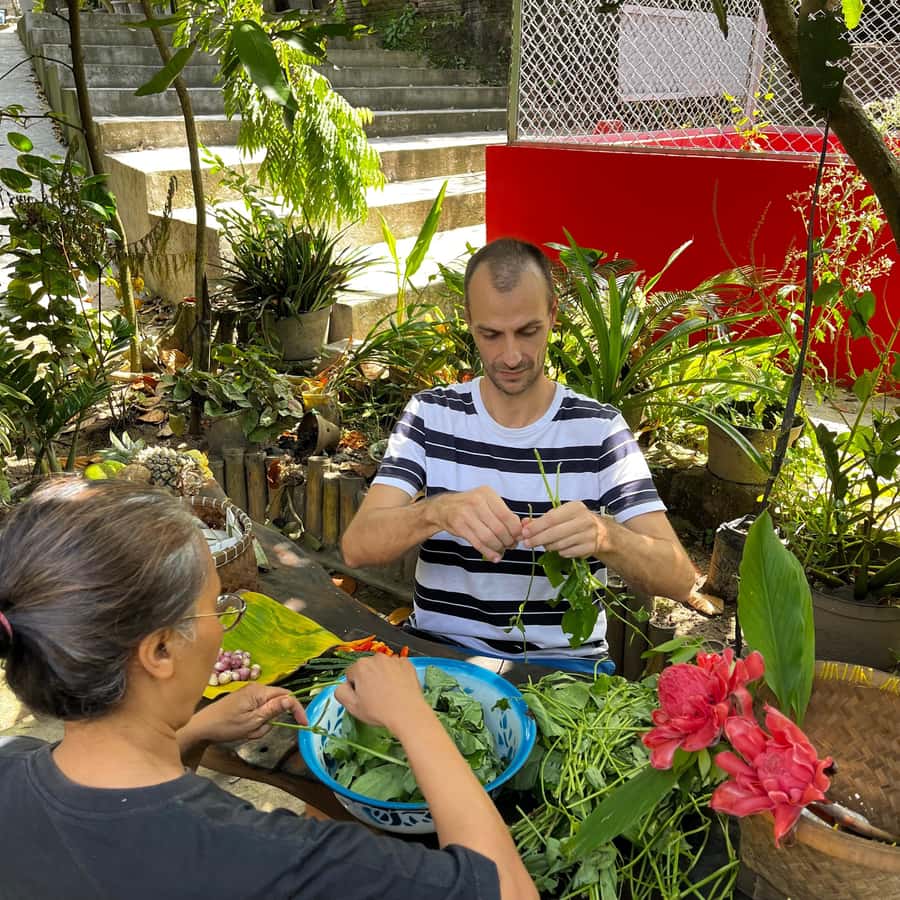
Cooking classes can turn into a “sit and watch culture” lesson. This one mixes food with cultural conversation in a natural way. As you prepare dishes, you talk about ingredients, how meals fit daily life, and what matters to the people cooking with you.
That matters because Indonesian cuisine isn’t one flavor. It’s regional, method-based, and ingredient-specific. Even within Java, dishes can swing between tangy, nutty, herbal, and spicy depending on what goes into the paste and how fresh it is.
The class also brings people together across backgrounds, creating a respectful, friendly atmosphere where questions are welcomed.
And yes, there’s a family vibe. One memorable detail from participants: light sing-alongs while things are cooking. It’s a small human thing, but it makes the class feel warm and un-rushed.
Cats, calm surroundings, and staying comfortable in the heat
One practical reality: this isn’t a cold, air-conditioned cooking studio. The cooking is done in a more open setting, and it can get warm.
So plan like a local cook:
- wear breathable clothes
- bring a small personal fan if you run warm
- keep hydrated (drink service is included, but you’ll still feel heat outdoors)
If you’re sensitive to humidity, this is the only real drawback to take seriously. Food is great, but comfort affects how much you enjoy the process.
Price and value: is $46 worth it?
$46 per person for a 5-hour cooking class with lunch and multiple dishes is solid value—especially because you’re not only learning techniques. You’re also eating the result of those techniques.
Here’s what you’re getting for the price, based on what’s included:
- lunch featuring the dishes you prepare
- drink(s) during the class
- a welcome drink with choices (tamarind turmeric/sugar or lemongrass tea)
- all ingredients and cooking equipment
- recipes after the class (so you can repeat the dishes at home)
The other value driver is the garden sourcing. When the experience is built around harvesting fresh herbs and roots, the whole class stays connected to ingredient quality. That’s hard to replicate at home unless you already know where to get the same ingredients.
If you like hands-on cooking and you’re hungry at the end, this is the kind of class that delivers more than a “nice evening activity.”
Who should book this (and who should skip it)
This is a great fit if you:
- want a Yogyakarta food experience beyond street snacks
- prefer hands-on cooking over watching
- enjoy learning about ingredients, especially herbs and spices
- like a relaxed, family-style atmosphere while cooking
It may be less ideal if you:
- need strict air-conditioned comfort (the class isn’t air-conditioned)
- don’t like active prep work (you’ll be cooking, not just tasting)
There’s also an age suitability note: it’s not suitable for children under 5, and it’s not suitable for people over 70. Wheelchair access is listed as available, so it’s worth asking about the specific movement/spacing needs for your group if you’re bringing a wheelchair.
Small practical tips before you go
A few habits make this class smoother:
- Pick your menu based on what you want to learn. You’ll get the full menu options after booking.
- Be upfront about spice comfort. Endah is mindful about spice levels.
- Wear closed-toe shoes for the garden area.
- Bring a small fan if you get warm easily. It can make a noticeable difference.
If you’re planning to keep cooking memories alive later, you’ll want the post-class recipes. Many people value that part because it turns a one-time meal into repeatable home cooking.
Should you book this farm-to-table class?
Yes, if your goal is a hands-on Indonesian cooking class in Yogyakarta where the ingredients start in a garden and end up on your plate. The strongest reason to book is simple: you cook real dishes with fresh components, then you eat them, in a warm family setting led by Endah.
I’d skip it only if heat and outdoor prep are a deal-breaker for you, or if your group doesn’t want to actively work with ingredients. If you’re flexible and curious about Javanese flavors, this is a very practical way to leave with both a full stomach and skills you can actually use.
FAQ
How long is the cooking class?
The class runs for 5 hours.
How much does it cost?
It costs $46 per person.
What’s included in the price?
You get lunch, drinks, a welcome drink, and all ingredients and cooking equipment for the dishes you prepare.
What welcome drink choices do I get?
You can choose from tamarind turmeric, tamarind sugar, or lemongrass tea.
What dishes will I cook?
The class menu is selected from options they send after booking, and it includes cooking 6 local dishes. One listed menu set includes vegetable rujak with peanut sauce, fried chicken with curry leaves, tofu, tempeh, Balinese lemongrass chili sauce, and local fruit rujak.
Is the instructor teaching in English, and is it private?
Yes, the instructor speaks English, and the experience is offered as a private group.
Is the class wheelchair accessible?
Yes, it is listed as wheelchair accessible.
Is a hotel shuttle included?
No, hotel shuttle service is not included.
What’s the cancellation window?
You can cancel up to 24 hours in advance for a full refund.
Is it suitable for young children or seniors?
No. It’s not suitable for children under 5 or people over 70.