REVIEW · ROME
Farmers’ Market Shopping with Cooking Class and Pasta Making
Book on Viator →Operated by Inrome Cooking Srl · Bookable on Viator
Food and street markets are a perfect combo. This Rome experience pairs Campo de’ Fiori shopping with a hands-on cooking class, plus tastings along the way and a warm welcome with wine and antipasti at the cooking venue. You’ll also learn pasta techniques and finish with a sit-down meal you can recreate later.
Two things I really like: first, the market time isn’t just browsing. You’re guided to ingredients worth buying, and you get to taste what you’re choosing (produce, cheeses, and meats show up often). Second, you leave with real “do it at home” value since recipes are sent to you after the class.
One thing to consider: this is a 4–5 hour experience built around standing, walking, and cooking steps (not every moment is active hands-on). If you’d rather have hotel pickup, plan ahead too since hotel pickup/drop-off isn’t included.
In This Review
- Key highlights worth your time
- Campo de’ Fiori: shopping like a local (and tasting while you choose)
- A Rome palace welcome: wine, antipasti, then the kitchen lesson begins
- The cooking school: a hands-on 4–5 hour rhythm with real technique
- What you’ll eat: lunch built from your own purchases
- Price and value: what you’re really paying for
- Timing and logistics: how to fit it into a Rome day
- Vegetarian and dietary options: ask early, cook confidently
- Who this class is best for (and who might skip it)
- Should you book this Rome farmers’ market cooking class?
- FAQ
- FAQ
- Where does the experience start and end?
- How long is the cooking class and market experience?
- Is the tour offered in English?
- What’s included in the price?
- Is vegetarian food available?
- Can I request dietary requirements?
- How many people are in the group?
- Will I get recipes to cook at home?
- Is hotel pickup or drop-off included?
- Can I cancel for a refund?
Key highlights worth your time
- Campo de’ Fiori ingredient shopping with a chef plus on-the-spot tastings
- Hands-on pasta making tied directly to what you bought
- A multi-course cooking session that can include ravioli, sauces, and Roman favorites
- Wine and antipasti welcome followed by your lunch meal
- Small group size (up to 12) for more attention while you cook
- Take-home recipes so the day doesn’t end at the kitchen door
Campo de’ Fiori: shopping like a local (and tasting while you choose)
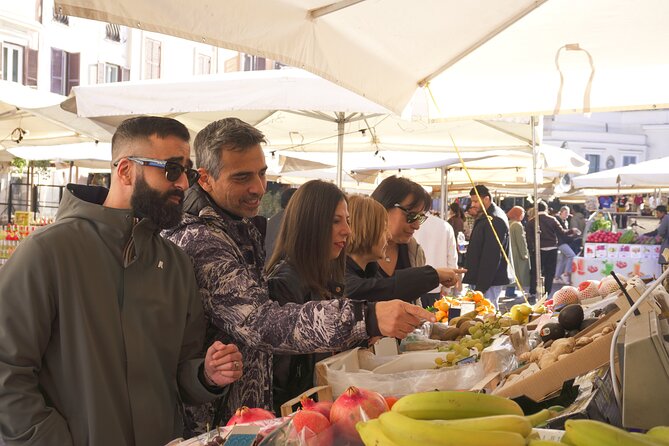
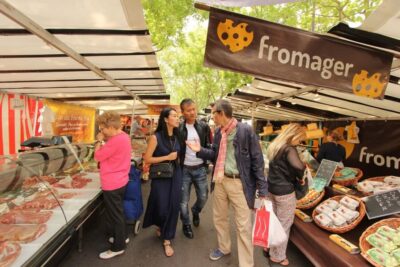
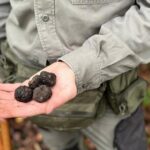
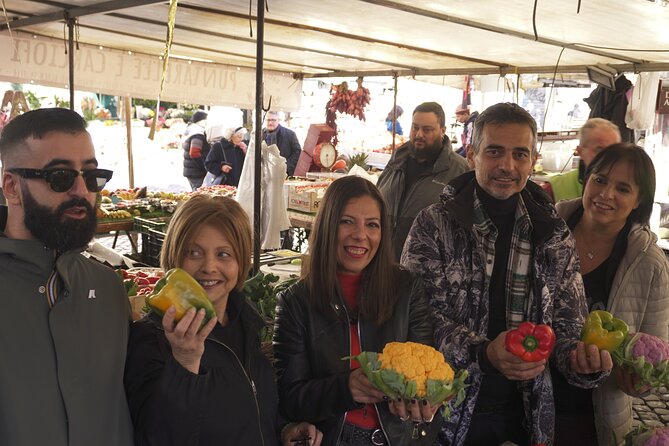
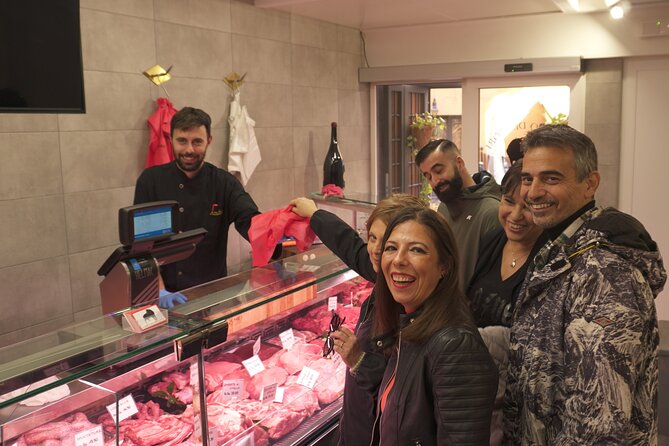
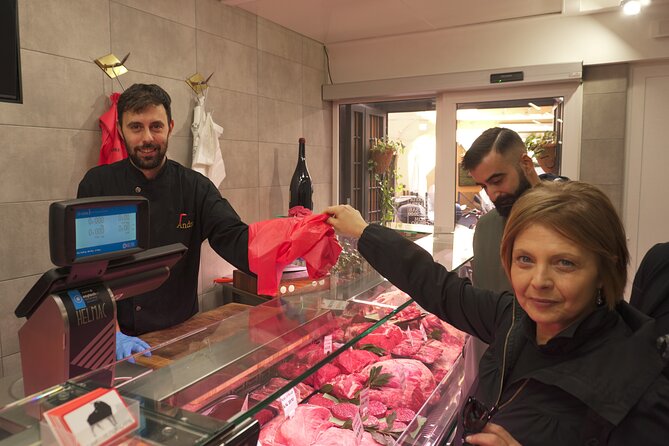
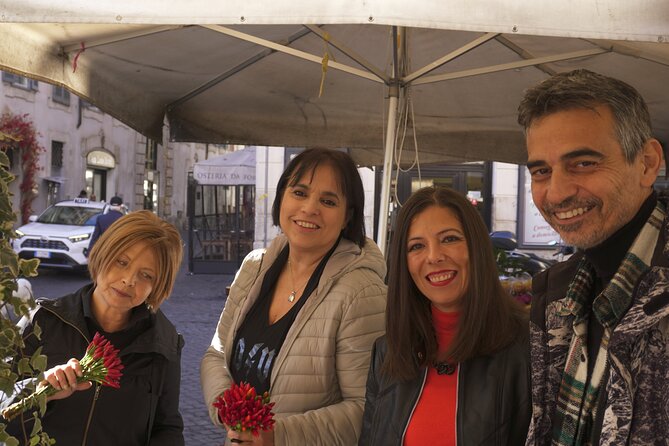
Your day starts in the historic heart of Rome at Campo de’ Fiori, where the whole point is to buy ingredients with purpose. You’re not walking through like a tourist with a camera roll—you’re choosing what a real Roman table might be built on, then bringing those ingredients straight into the cooking phase.
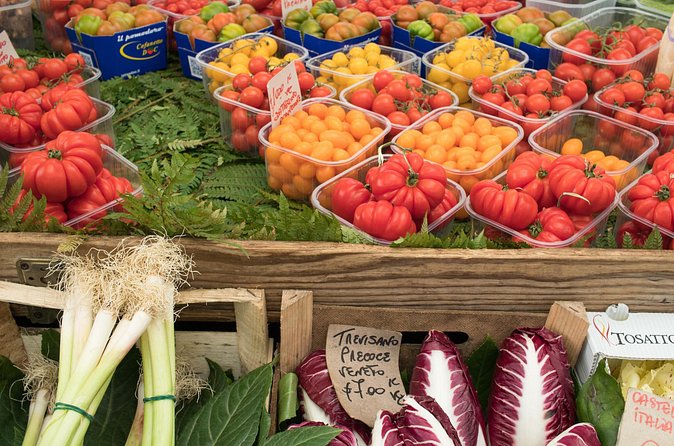
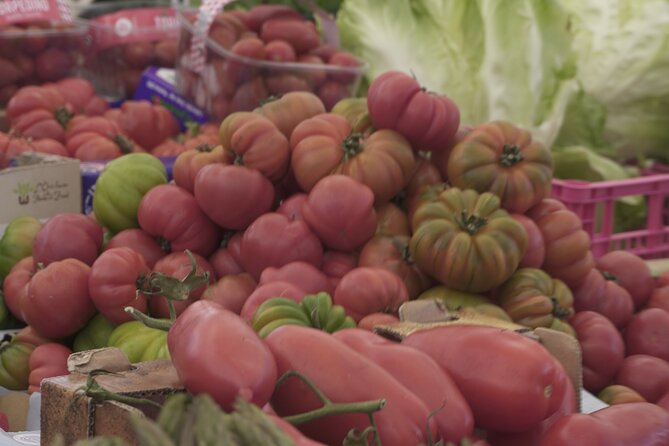
What makes this part special is the rhythm. You’ll move through stalls with a guide and hear what matters: freshness, what’s in season, and what pairs well. And you’ll taste along the way. Based on the class examples you’ll hear about from past menus—cheeses, meats, and spring greens show up often—this is where you learn the “why” behind ingredients, not just the names.
A fun detail from past class experiences: some groups have added seasonal greens like agretti / monk’s beard when they want the menu to feel more springy and veggie-forward. That’s a good sign of how flexible the class can be. If you’re the type who loves food variety, you’ll likely appreciate being able to steer the menu instead of getting a one-size-fits-all list.
Practical tip: wear comfortable shoes. Market time means standing, turning, and working around stall layouts. Rome’s cobblestones aren’t the place for slick soles.
You can also read our reviews of more tours and experiences in Rome.
A Rome palace welcome: wine, antipasti, then the kitchen lesson begins
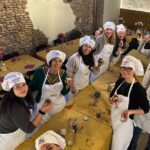
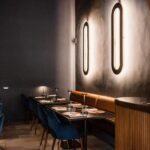
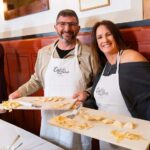
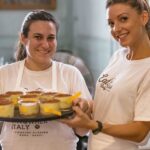
After market shopping, you head to the cooking venue in the Corso del Rinascimento area. The tone shifts fast—from outdoor market energy to a more relaxed, hosted setup. One of the highlights is a warm welcome at the cooking school in a palazzo setting, with wine and antipasti.
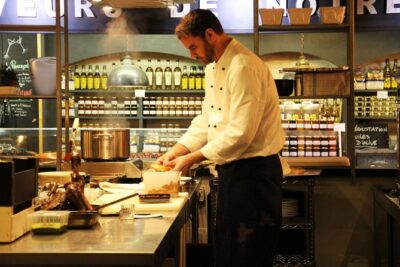
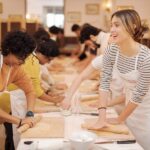
This matters more than it sounds. A lot of cooking classes start abruptly. Here, the welcome helps you settle in, meet your instructor team, and get ready for the meal-building process. It also sets expectations: this isn’t just a “cook fast and leave” workshop. It’s designed as a full food day—shopping, cooking, and eating together.
You may be guided by different chefs. From past classes, you could encounter instructors such as Roberto, Max, David, Davide, Sara, or Fillipo. The consistent theme is a friendly, patient teaching style and a focus on getting you comfortable with technique, not just finishing a plate.
Practical tip: if you want to learn pasta for real, pay attention early. The later steps go faster when you understand the basics from the start.
The cooking school: a hands-on 4–5 hour rhythm with real technique
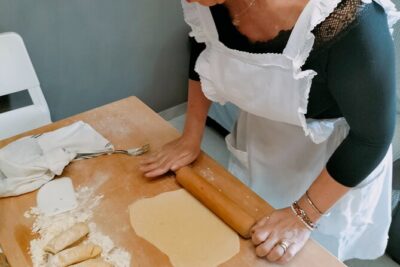
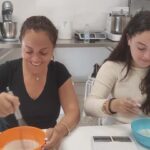
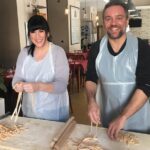
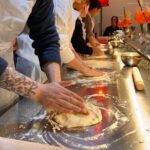
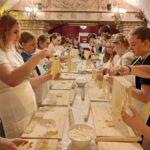
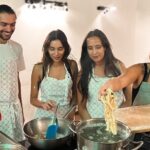
The core of this experience is cooking a multi-course Italian meal and doing pasta making based on the market ingredients you selected. The exact menu can vary, but you can expect a structure that typically includes pasta (often filled pasta) plus sauces and a dessert.
Here are common outcomes from past class menus:
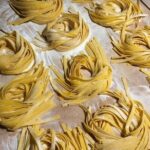
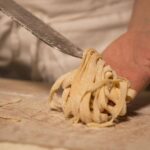
- Fresh pasta dough worked by hand until you get a workable consistency
- Filled pasta like ricotta ravioli
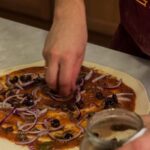
- Sauces built from what was purchased at the market
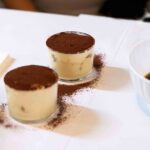
- A dessert that often includes tiramisu, and in some menus a panna cotta shows up too
One past group highlighted how the instructor helped them adjust the menu with seasonal greens, then demonstrated how to work with freshly harvested spring artichokes to add depth to homemade ricotta ravioli. Even if you don’t pick that exact ingredient, it’s a great example of the class goal: you should be able to recreate the approach at home, not just copy a final dish.
When it comes to pasta, a big praise point is texture. Past cooking experiences emphasized that the pasta came out tender but still held its structure—exactly what you want. That’s usually a sign the instructor is giving practical guidance on dough thickness, resting time, and handling.
One honest consideration: not every cooking class offers 100% hands-on time every second. In at least one experience, a participant felt they didn’t do every step themselves and rated the overall experience slightly lower because of that. So if your dream is nonstop cutting, mixing, and shaping every moment, go in knowing there will be some instruction time and coordination from the staff.
What you’ll eat: lunch built from your own purchases
Your meal isn’t a snack plate. It’s built as a lunch, and the experience includes a 3-course lunch. You’ll also have food tasting during the market portion, plus bottled water and alcoholic beverages with the meal.
Based on the menus that have been shared in past classes, you’ll likely see combinations like:
- Pasta served with sauces you helped prepare
- A meat course (some menus include chicken or lamb)
- A dessert such as tiramisu (often described as better than typical restaurant versions)
One of the best signals of value is that the food is not treated like a prop for photos. People describe the dishes as genuinely delicious, with the cooking instruction translating into meals they’d be happy to order again.
Food note for your planning: this is a full meal with wine available. If you’re the kind of person who likes to save room for evening gelato, eat mindfully. Or do the Roman thing: enjoy lunch, then walk it off.
Price and value: what you’re really paying for
At $217.69 per person, this class needs to deliver more than “a fun cooking session.” And in a good way, it does. Here’s what makes the price feel justified if you want a memorable food day in Rome:
- You’re combining two expensive parts of your time: market ingredient selection and a guided cooking session.
- The group stays small (up to 12), which usually means you get help when you need it.
- You get included lunch, tastings, water, and alcoholic beverages—so you aren’t paying extra for basic food while learning.
- You’re not leaving with only memories. You should get recipes sent to you, which turns this into a skill you can repeat.
Also, you’re dealing with a chef and a team, not just a slideshow. The repeated praise for instructors like Roberto and Davide/David points to one thing: teaching style matters. A patient, practical guide helps you get texture right (especially with pasta) and helps you understand substitutions and seasonal choices.
Budget reality check: $217.69 is a premium compared with a simple cooking workshop. If you’re already buying groceries and cooking at home, you’re paying for the guide + the ingredients + the time structure. If your priority is hands-on food learning and a sit-down lunch in the middle of your sightseeing, it can be a smart use of money.

Timing and logistics: how to fit it into a Rome day
This is designed to take about 4–5 hours total, with a market segment and then a longer cooking segment. You start and end at the same meeting point area in Corso del Rinascimento.
There’s no hotel pickup or drop-off, so plan around local public transportation and a short walk from where you’ll stop. The venue being near transit is a big help. Still, give yourself buffer time. Rome streets can be slow.
Because it’s both walking and cooking, I’d place it earlier in the day if you want energy for the rest of your sightseeing. If you schedule it late, remember you’ll likely have wine and a full lunch.
Group vibe: the small size means you’ll probably meet other food-minded people, but it won’t feel like a giant bus tour. The atmosphere is more like a shared cooking table.
Vegetarian and dietary options: ask early, cook confidently
If you’re vegetarian, there’s a vegetarian option available—you just need to request it at booking. The experience also asks you to provide any specific dietary requirements ahead of time.
This is important because market shopping is ingredient-driven. If your diet has constraints, your chef needs time to plan substitutions that still match the menu style. When you do that up front, you’re more likely to get a full experience rather than a simplified plate.
My practical advice: when you book, be specific. If you’re vegetarian but eat eggs/dairy, say so. If you have allergies, list the ingredients you must avoid (the class can only respond to what’s clearly communicated).
Who this class is best for (and who might skip it)
This works especially well for you if:
- You want a real market-to-kitchen experience rather than a demo class
- You like hands-on learning, especially for fresh pasta
- You want lunch included, with tastings and wine built in
- You value leaving with recipes you can actually use later
- You’re traveling with a partner or small group and want a structured, social food day
You might reconsider if:
- You hate standing/walking for a few hours (market + kitchen setup takes time)
- You want a class where every moment is active cooking (some steps may be instruction-led)
- You require hotel pickup or highly customized transport (not included here)
Should you book this Rome farmers’ market cooking class?
I’d book it if your ideal Rome day includes a guided walk through a famous market, a chef-led cooking session that produces a real lunch, and the chance to learn pasta techniques you can repeat at home. The combination of ingredient shopping, tastings, and take-home recipes makes it more than a one-day novelty.
If you’re on the fence, decide based on one question: do you want to learn and eat, in that order? If yes, this is a strong pick. If you just want a quick taste of Italian cooking without the market element, you may want to look at a simpler class.
FAQ
FAQ
Where does the experience start and end?
You’ll meet and finish at Corso del Rinascimento, 65, 00186 Roma RM, Italy.
How long is the cooking class and market experience?
It runs about 4 to 5 hours.
Is the tour offered in English?
Yes, it’s offered in English.
What’s included in the price?
It includes a lunch (3-course), food tasting, bottled water, alcoholic beverages, and a chef.
Is vegetarian food available?
Yes. A vegetarian option is available—tell the provider at booking.
Can I request dietary requirements?
Yes. You should advise any specific dietary requirements at the time of booking.
How many people are in the group?
The maximum group size is 12 travelers.
Will I get recipes to cook at home?
Yes. Recipes are sent to you after the experience.
Is hotel pickup or drop-off included?
No. Hotel pickup and drop-off are not included.
Can I cancel for a refund?
Free cancellation is available. You can cancel up to 24 hours in advance for a full refund. If you cancel less than 24 hours before the start time, the amount paid is not refunded.