REVIEW · ROME
Cesarine: Home Cooking Class & Meal with a Local in Rome
Book on Viator →Operated by Cesarine: Cooking Class · Bookable on Viator
A Roman home smells different than a restaurant. You’ll learn Roman cooking basics in a real kitchen, then sit down to eat your work with local wine, water, and espresso. I also love the private, small-group feel and the chance to pick up practical technique you can repeat. One thing to consider: it takes place in a residential setting, so the start is more “meet your host” than “walk into a public venue.”
This kind of experience fits travelers who want food that feels like daily life, not a performance. If you want a guided tour of Rome’s landmarks, this isn’t that. But if your goal is to leave with recipes, confidence, and a better understanding of Roman comfort food, you’ll likely find it worth your time and money.
In This Review
- Key highlights you’ll care about
- Why a Roman Home Kitchen Changes Everything
- Your 3-Hour Menu: Starter, Fresh Pasta, and Roman Dessert
- Pasta Lessons You Can Actually Repeat at Home
- Starter-to-Dessert Flow: How Your Meal Gets Built
- Wine, Water, and Espresso: Eating Like It’s Part of the Lesson
- Private-Home Details: Meeting Point and Getting There
- What Private Means in Practice (English Instruction Included)
- Price and Value: What You’re Really Paying For
- Who Should Book This Cesarine Cooking Class
- Should You Book It?
- FAQ
- How long is the Cesarine home cooking class in Rome?
- What does the class cost?
- Is the class private?
- Is instruction available in English?
- What’s included in the meal?
- What dishes will we cook and eat?
- Is free cancellation available?
Key highlights you’ll care about
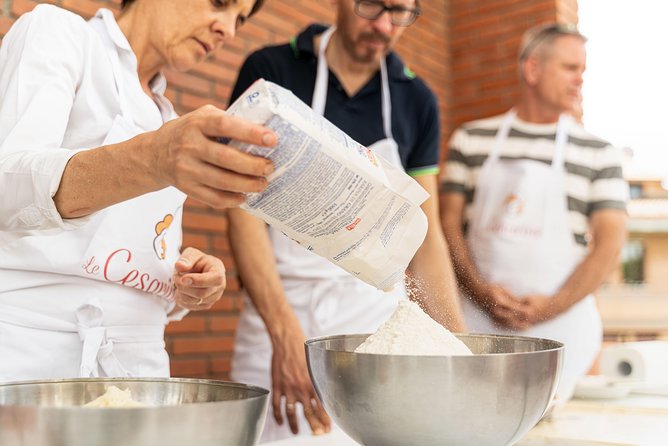
- Private class in a real home with only your group participating
- Starter + fresh pasta + Roman dessert in about 3 hours
- Ingredients plus wine, water, and espresso included, so you won’t add surprise costs
- English-language instruction that still feels hands-on and personal
- Menu examples include rigatoni, bucatini, or gnocchi plus a classic Roman-style dessert
- Hosted by Cesarine locals; past sessions have mentioned welcome from hosts like Maria, Giovanna, and Emma
Why a Roman Home Kitchen Changes Everything
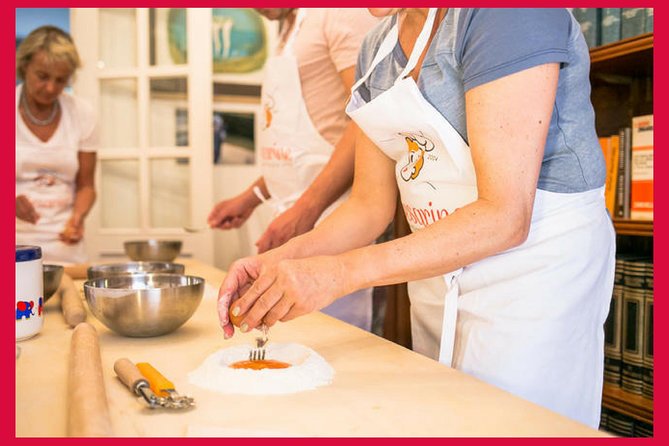
Rome has a lot of great food. The tricky part is figuring out how Italians actually make it at home. A Cesarine class is built for that. Instead of cooking in a studio kitchen, you’re working in a real household environment, which changes the energy fast.
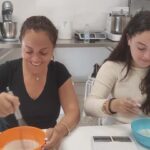
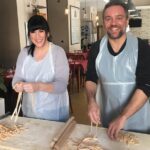
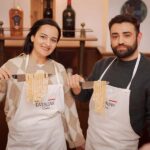
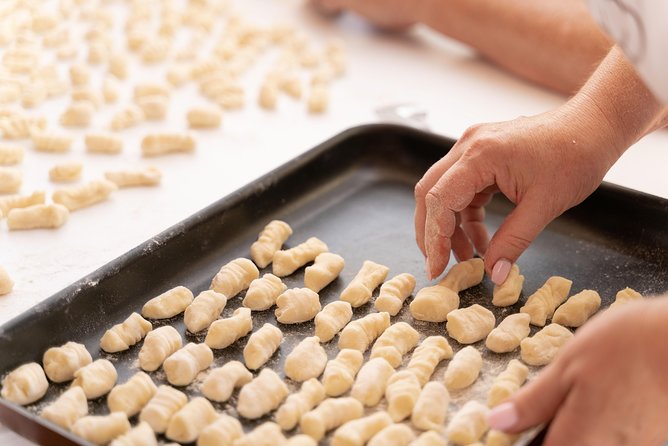
You’ll usually get the kind of guidance that’s hard to get in a busy group demo. You can ask what you’re seeing—why a sauce turns out a certain way, what “right” texture looks like, and how a simple ingredient list becomes Roman comfort food. One review specifically highlighted rolling fresh gnocchi and working with a straightforward tomato-and-cheese style sauce, and that’s exactly the mindset you want: not complicated, not fussy, just well done.
I also like that the class is private. Even if you’re traveling as a couple, it doesn’t feel like you’re squeezed into a crowd. It feels like you’re being shown how someone’s family eats. And yes, the meal is part of the experience, not an afterthought.
Possible drawback: because this happens in homes, you don’t get the “obvious” public-venue feel. You’ll want to plan for a normal neighborhood start, arrive on time, and follow the exact instructions you’re given for where to meet.
You can also read our reviews of more tours and experiences in Rome.


Your 3-Hour Menu: Starter, Fresh Pasta, and Roman Dessert
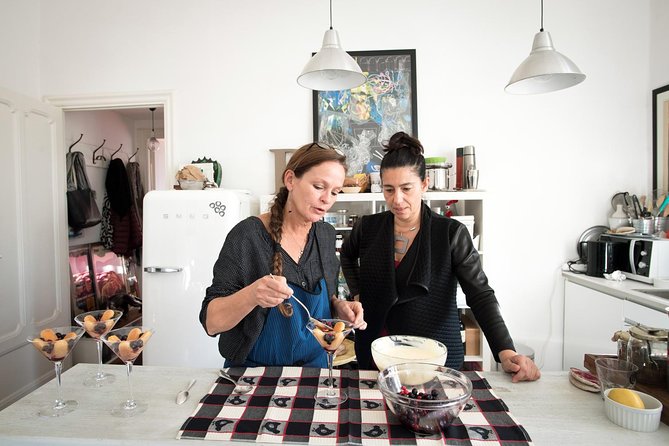
The timing is part of the appeal. You’re looking at about 3 hours, which is long enough to learn real technique but short enough that you’re not losing your whole evening to a cooking schedule. In that window, you’ll move through the core pieces of a Roman meal: a seasonal starter, fresh pasta, and a Roman dessert.
Here’s what the menu examples show you can expect:
- Starter: a seasonal starter (the specific dish can vary)
- Main: fresh pasta, with sample pasta options including rigatoni, bucatini, or gnocchi
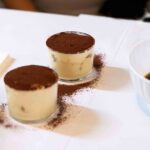
- Dessert: a Roman dessert, with sample choices like ricotta and cherry tart or Roman tiramisu (other typical dessert options may also appear)
The best way to think about this menu is as a Roman “greatest hits” approach. You’re not doing only one dish. You’re learning how a meal comes together: start the meal, build the pasta, then finish with something sweet that matches the Roman style.
A practical note for your expectations: even if your host uses slightly different ingredients or chooses one pasta type over another that night, the learning stays similar. You’re learning process and timing—how dough behaves, how sauce consistency changes, and how the dessert lands.
Pasta Lessons You Can Actually Repeat at Home
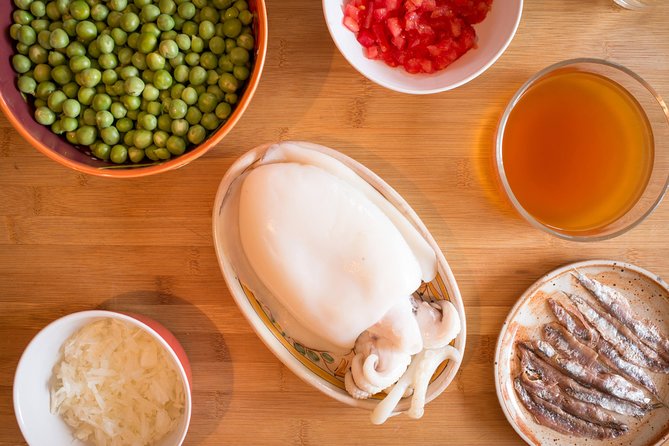
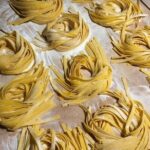
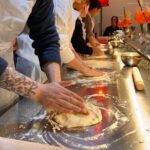
If fresh pasta is on your list, this class is designed for you to walk away with skills, not just photos. The Roman options listed here matter because they’re shaped for real eating. Rigatoni and bucatini catch sauce in a very satisfying way. Gnocchi is different work entirely, and a past session mentioned rolling gnocchi, which gives you a sense of how hands-on this can be.
What you should focus on during the lesson:
- Texture cues: How the dough feels when it’s ready, and what “too sticky” or “too dry” looks like
- Shaping logic: Why a pasta shape matters for sauce cling
- Sauce balance: Even when the sauce is simple, you’re aiming for the right thickness and flavor
- Timing: Pasta doesn’t wait for you, and dessert steps have their own rhythm
Some sessions have included conversation that made the recipes easier to remember. For example, one host (Emma) was described as walking through the simplicity of recipes passed down through tradition, then guiding a straightforward sauce approach with ingredients like tomato and mozzarella/parmesan style components. The takeaway for you: Roman home cooking often favors a small set of ingredients done correctly.
You’ll also likely appreciate that the ingredients are included. That’s not just convenience. It’s a big value boost, because it prevents the “nice class, but now I have to price out the ingredients later” problem.
Starter-to-Dessert Flow: How Your Meal Gets Built
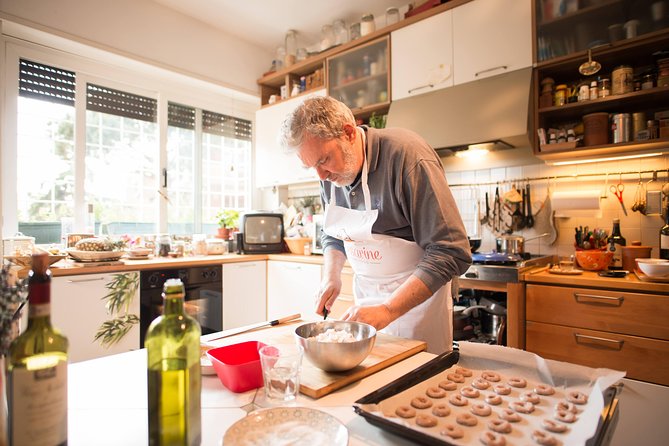
In a cooking class, the magic is watching how the pieces connect. You’re not just making one thing. You’re learning how a Roman meal moves from savory to sweet.
You’ll start with a seasonal starter, which is a smart choice because it usually teaches the “Roman baseline” for flavor: straightforward seasoning, careful handling, and an eye for what’s available. Then you transition into fresh pasta—where the work gets more physical and timing becomes more important.
Dessert comes last, and Roman desserts tend to be built for satisfaction rather than show. Sample dessert options include:
- Ricotta and cherry tart
- Roman tiramisu
- Chocolate shortbread or tiramisu-like options
One review mentioned tiramisu prepared in advance by the host, which tells you something useful: don’t assume every dessert step is fully hands-on in every session. But you should still get the essentials of what makes it taste Roman and how the components fit together.
Bottom line: the meal structure helps you remember the process. If you cook only one dish, it can feel isolated. If you cook a complete set, you’ll likely understand how Italian home cooks think about sequencing, pacing, and comfort.
Wine, Water, and Espresso: Eating Like It’s Part of the Lesson
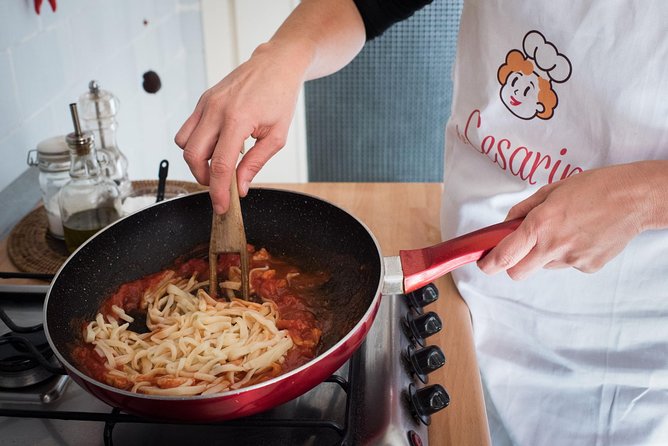
Food classes that only “teach” and never “eat” can feel unfinished. Here, the meal is the point. As you finish your cooking, you’ll taste what you made with:
- a glass of local wine
- water
- espresso
This matters more than it sounds. A shared table turns cooking skills into lived knowledge. You see how the sauce tastes once it’s on the plate. You learn what seasoning feels like when everything is combined. And you get a sense of how Italians don’t rush meals.
A past experience also described wine flowing alongside conversation, plus a coffee-culture angle that helped the meal feel connected instead of random. You don’t need to be a wine expert to enjoy it. Just treat this as part of the “home cooking” experience: you’re learning, then you’re eating like you live there.



Private-Home Details: Meeting Point and Getting There
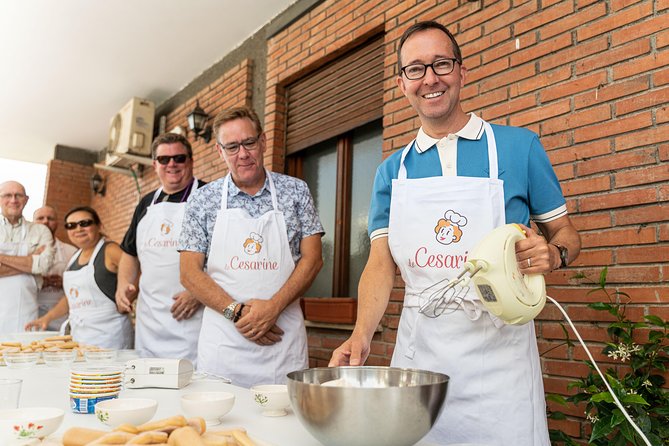
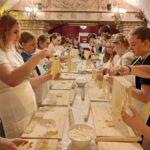
This is where you should pay attention, because it’s not a landmark stop. The experience starts in Rome and ends back at the same meeting point.
A Cesarine home class also tends to be near public transportation. That’s good news if you’re not renting a car. Still, you’ll want to set yourself up so you arrive calm and ready.
Here’s how to make it smoother:
- Plan to arrive a little early and wait near the meeting point, not across the street
- Don’t assume the address will be obvious like a hotel restaurant
- Bring a charged phone for your mobile ticket
- If you’re traveling with limited mobility, remember the only explicit accessibility note here is that service animals are allowed. For other accessibility needs, you’ll want to check specifics with the operator before booking.
Also, because you’re in a residential area, keep expectations grounded. You’re going to a home. It won’t feel like an open-air market or a big tour venue. That’s exactly why it’s special, just don’t treat it like a city attraction stop.
What Private Means in Practice (English Instruction Included)
“Private” can mean different things in travel. Here, it’s simple: only your group participates. That changes the experience in real ways.
In practice, you get:
- More time for questions
- Less waiting while others catch up
- A calmer pace, so you can actually absorb what your host is showing
The class is offered in English, which is important if you want to understand not just actions but reasoning. Pasta and dessert technique is full of small details, and English instruction helps you connect those dots quickly.
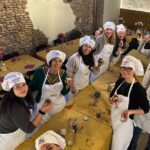
One review called out the friendly, casual atmosphere and a family-like feel. That tracks with the idea of a home kitchen. If you’re someone who likes conversation while learning, you’ll likely enjoy the social part as much as the cooking.
If you’re the type who wants a silent, buttoned-up workshop with zero social time, you might find the warm welcome a little more personal than you expected. But for most people, that’s the point.
Price and Value: What You’re Really Paying For
At $118.94 per person for about 3 hours, the first question is: what am I getting beyond a recipe session?
You’re getting several value anchors at once:
- Private instruction (only your group)
- A complete meal build (starter, fresh pasta, dessert)
- All ingredients included
- Wine, water, and espresso included
That last part matters a lot. Cooking classes often leave you with the cost of ingredients afterward, or you spend extra on drinks and food. Here, the class includes the meal experience directly, so you can compare it fairly to other “food + activity” options.
Another subtle value factor: you’re learning in a home kitchen with a local host. Technique learned in a real household often transfers better to your own cooking later, because the recipes tend to be simpler and more practical.
One more thing: these classes can book up. The average booking window shown here is 77 days in advance, which is a hint to reserve early if your dates are fixed. Last-minute availability can be tight.
Who Should Book This Cesarine Cooking Class
This is best for:
- Foodies who want authentic Roman home cooking, not just tasting
- Couples or small groups who like learning with personal attention
- Travelers who want a hands-on night in Rome that doesn’t depend on walking a specific route or buying timed tickets
- Anyone who wants to come home with a repeatable skill set: fresh pasta basics and Roman dessert know-how
You might want to skip it if:
- You only want restaurant-style dining with no hands-on cooking
- You’re chasing a big sightseeing itinerary and this type of evening would feel off-purpose
- You hate “in-home” logistics and prefer public venues only
If you fall in the sweet spot, it’s the kind of experience that changes how you judge Roman food afterward. You stop thinking of pasta as a menu item and start thinking of it as a process.
Should You Book It?
Yes, if your ideal Rome evening includes cooking, eating what you make, and learning from a real local in a home setting. The combination of private class time, English instruction, and an included meal with wine and espresso is hard to beat for the money.
But be smart about expectations. This isn’t a big public attraction with crowds and landmark views. It’s a residential, host-led cooking experience. If you plan for that and show up ready to cook and chat, you’ll likely leave with both recipes and a warmer sense of how Roman families actually eat.
FAQ
How long is the Cesarine home cooking class in Rome?
It lasts about 3 hours (approximately).
What does the class cost?
The price listed is $118.94 per person.
Is the class private?
Yes. It’s a private tour/activity, and only your group participates.
Is instruction available in English?
Yes, it’s offered in English.
What’s included in the meal?
All ingredients are included, along with wine, water, and espresso.
What dishes will we cook and eat?
You’ll have a seasonal starter, fresh pasta (sample options include rigatoni, bucatini, or gnocchi), and a Roman dessert (sample options include ricotta and cherry tart or Roman tiramisu, among other typical choices).
Is free cancellation available?
Yes. Free cancellation is available up to 24 hours in advance for a full refund.