REVIEW · SICILY
Typical Sicilian Cooking Course overlooking the Archaeological Park
Book on Viator →Operated by Maria Rita · Bookable on Viator
Fresh pasta and ancient ruins, side by side. This private Sicilian cooking course in Siracusa lands you at a family table with a view over the archaeological park, guided in English.
I love how the session is genuinely hands-on, from dough through shaping and sauce work. I also like that the menu can match real dietary needs, including veg-friendly options and celiacs, plus meat and fish dishes if that’s your thing.
One consideration: private transportation is not included, so you’ll want an easy plan to get to the meeting address and back.
In This Review
- Key highlights at a glance
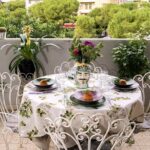
- A private home kitchen with a balcony view
- Where you meet in Siracusa (and how to plan your arrival)
- Choosing your menu with Maria Rita (this matters more than it sounds)
- Pasta making you can repeat at home
- Sicilian flavors: pesto, caponata, and the logic of everyday ingredients
- Starters and mains: what the meal actually looks like
- Desserts: cannoli, cassatelle, almond biscuits, and tiramisu
- Drinks, dining, and the 18+ wine rule
- How long it takes and when to schedule it
- Who this Sicilian cooking course fits best
- Price and value: what $120 per person really covers
- Should you book this cooking course?
- FAQ
- What is included in the Sicilian cooking course price?
- What dishes can I expect to cook?
- How long does the class last?
- Is this a private experience?
- What language is the class taught in?
- Is there free cancellation?
Key highlights at a glance
- Private, chef-led home experience in a Sicilian kitchen, not a showroom
- Menu planning with Maria Rita after booking, so you can steer the dishes
- Handmade pasta focus with multiple shapes and practical technique tips
- Sicilian classics like trapanese-style pesto, bruschetta or parmigiana, and cannoli or tiramisu
- Drinks included (water, wine, coffee or tea), with wine only for guests 18+
- Dietary flexibility for vegans, vegetarians, and celiacs, when arranged for your group
A private home kitchen with a balcony view
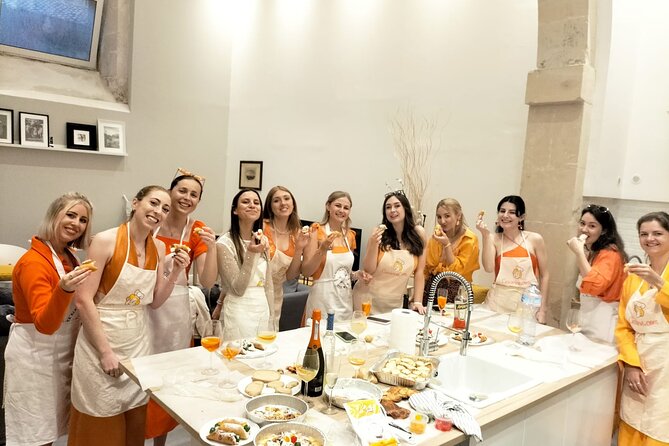
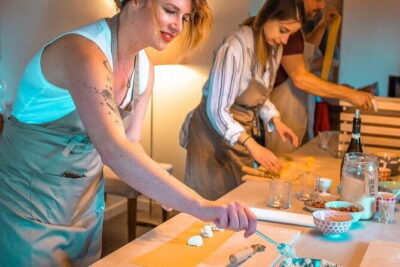
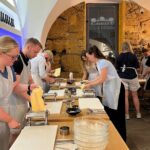
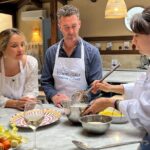
This is the kind of class that turns cooking into a real travel memory. You’re not just watching someone cook—you’re making lunch or dinner with a local chef in her home, surrounded by the rhythms of daily Sicilian life.
The setting is part of the draw. You’ll dine with views over ancient Syracuse and the archaeological area nearby. It’s a calm contrast to the busy streets, and it makes the meal feel like you’re sharing something private, not doing a ticketed routine.
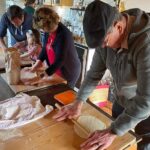
Because it’s private, you also get more attention as you work. Even if you’re a beginner, you’re not stuck trying to figure out timing while a large group moves around you.
You can also read our reviews of more tours and experiences in Sicily.
Where you meet in Siracusa (and how to plan your arrival)
The meeting point is Via Costanza Bruno, 10, 96100 Siracusa SR. The activity starts there and ends back at the same place, so you can plan dinner plans without scrambling across town.
It’s listed as near public transportation, which helps if you’re staying in Ortigia or along the waterfront and don’t want to depend on a car. Since private transportation isn’t included, I’d plan to arrive a bit early, especially if you’re pairing this with a visit to the nearby archaeological park.
Also pay attention to the daily schedule. This runs Tuesday through Saturday, with time blocks 10:00 AM to 1:00 PM and 5:00 PM to 8:00 PM. A 3-hour meal class fits best in the afternoon block if you want a lighter evening, or the later block if you want the day to end with food.
Choosing your menu with Maria Rita (this matters more than it sounds)
After you book, Maria Rita contacts you to decide the menu together. That’s not a throwaway line—it’s a big part of the value here.
Sicilian food is famously meat-leaning in many versions, but the class is built to serve different diets. You can request options for vegan, vegetarian, and celiac needs, and you can also choose fish or meat dishes if that’s your preference. The cooking flow stays Sicilian, but the ingredients can adapt.
That flexibility shows up in what you may make. Typical examples from the menu plan include:
- Busiate with Trapanese pesto (busiate is durum wheat semolina pasta)
- A starter such as bruschetta or parmigiana
- Dessert such as cannolo, tiramisu, or almond biscuits
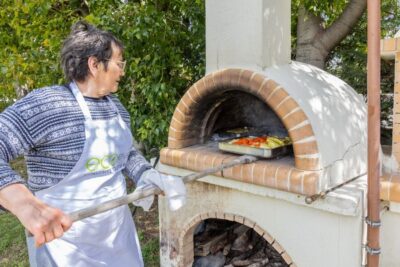
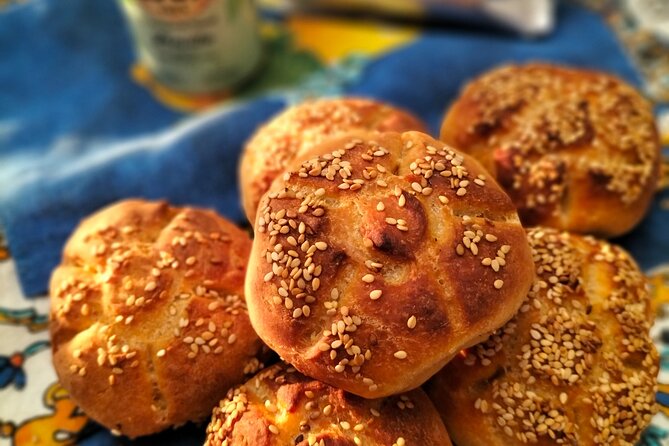
- Another main option like Typical Siracusana pizza
In practice, the teaching also adapts. From what’s been described, you may shape pasta in multiple ways and build dishes like pesto and caponata based on the menu you confirm.
Pasta making you can repeat at home
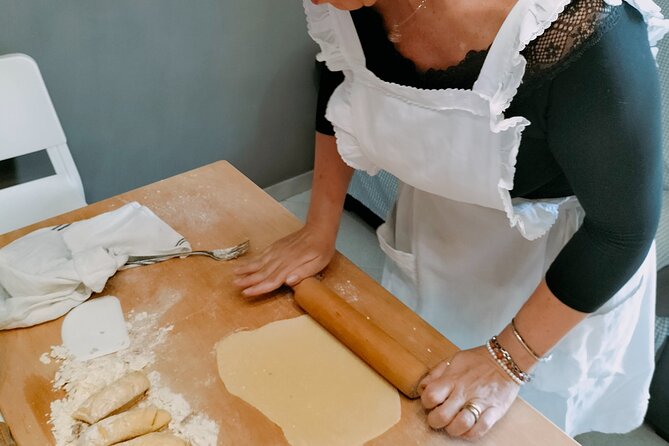
The heart of this class is pasta. You learn how to make a typical Sicilian lunch or dinner, but the skills that stick are the pasta techniques.
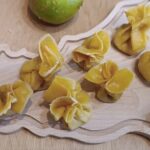
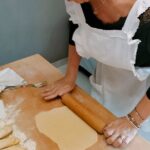
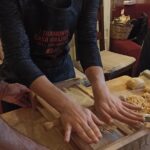
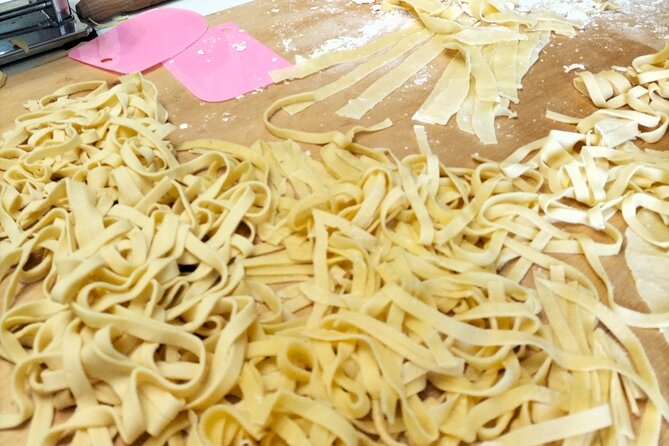
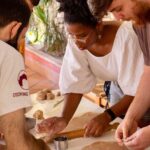
Expect a hands-on approach: you work the dough, learn how it feels as it comes together, and then shape it. Several people have described making fresh pasta in multiple shapes, not just one quick form. That’s useful because it trains your hands to understand the method, not just copy a single trick.
You also get technique feedback while you’re working. That matters, because pasta is one of those things where the difference between edible and great is often seconds—consistency, thickness, and how you handle the dough.
If you’re planning to cook back home, this is where the class pays off. Even if your pantry doesn’t have the exact same brands of flour, you’ll recognize the texture cues and the logic behind the sauce choices. Sicilian food often wins because it’s simple, but that simplicity needs technique.
Sicilian flavors: pesto, caponata, and the logic of everyday ingredients
One of the reasons people fall for Sicilian cooking is that it tastes like real life: herbs, garlic, tomatoes, peppers, and a steady hand with flavor.
In this class, you’ll likely work with ingredients that show that philosophy in action. A standout example is Trapanese pesto, built from garlic, basil, and tomato, with parmesan and a set of chef secrets. You’re not just adding paste to pasta—you’re learning how to balance the flavors so the sauce doesn’t feel flat.
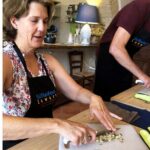
You may also cook components of dishes like caponata, which usually starts with chopping vegetables. Even if you’ve had caponata before, making it from scratch changes your understanding. You’ll see why the texture is important and why the cooking order matters to get sweet and savory notes together instead of tasting one-dimensional.
And if your menu includes fish or meat options, you’ll get a clearer sense of how Sicilians match sauces and sides. The goal isn’t to impress you with fancy technique. It’s to help you build a Sicilian plate you can repeat.
Starters and mains: what the meal actually looks like
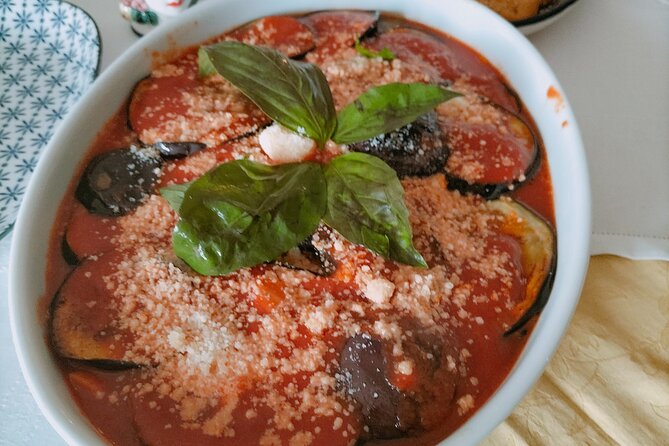
The course is designed around a full lunch or dinner, not just one dish. That’s a practical win because you get to learn how one menu leads to the next.
A typical structure you can expect:
- Starter: often bruschetta or parmigiana
- Main 1: busiate with Trapanese pesto
- Main 2 (depending on your menu): Typical Siracusana pizza
- Dessert: cannolo, tiramisu, or almond biscuits
You might also see other Sicilian favorites appear when menus get personalized. Some descriptions mention meatball recipes, and others include baking or layering desserts like tiramisu. The specific mix depends on what you choose during the menu planning step.
The nice part for you is that the chef isn’t forcing one rigid script. You’re making choices, and those choices affect what you’ll learn. If you care most about pasta, you’ll get more focus there. If you want pastry skills, you’ll likely spend more time on dessert prep too.
Desserts: cannoli, cassatelle, almond biscuits, and tiramisu
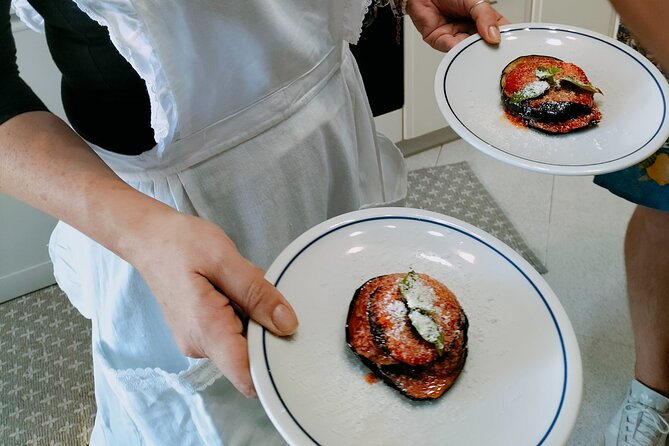
Dessert isn’t an afterthought here. It’s often the final reward for your kitchen work, and it’s a great way to understand Sicilian sweetness without turning the class into a sugar-only event.
Depending on your confirmed menu, you can cook or assemble desserts like:
- Cannolo
- Cassatelle
- Paste di mandorle (almond cookies/biscuits)
- Tiramisu
One practical advantage: these desserts teach different skills. Cannolo and cassatelle lean toward pastry handling and assembly. Almond biscuits are more about baking and texture. Tiramisu teaches layering and cream consistency.
So even if you’re not a dessert person at home, you’ll leave with at least one sweet technique you can reuse.
Drinks, dining, and the 18+ wine rule
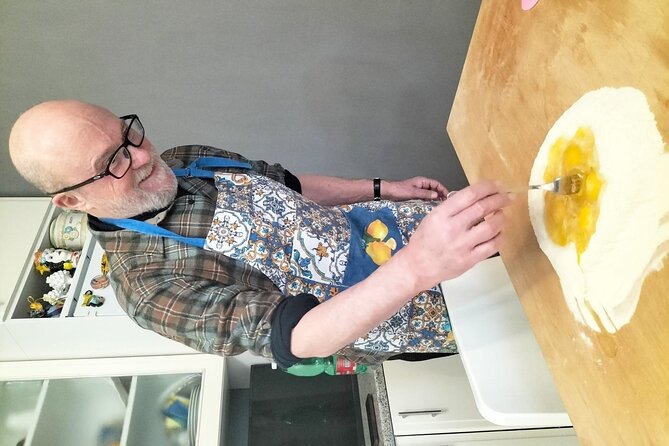
You get bottled water (still and sparkling) plus red or white wine, and coffee or tea is included as well. That makes the price feel more balanced because you’re not paying extra once you sit down.
Wine is part of the meal experience, but there’s an important rule: alcohol consumption is allowed only for guests over 18. If you’re traveling with a younger group member, plan your expectations accordingly.
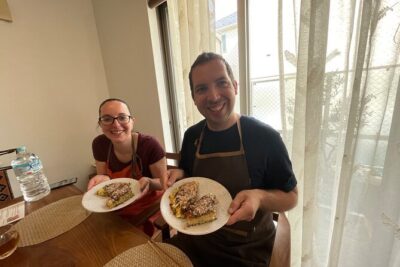
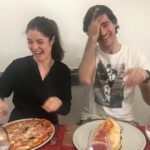
You’ll also eat what you cook. After the prep, you sit down at a set table, and the views add a calm, almost ceremonial finish. It’s not a quick bite while you stand. It’s a real meal.
How long it takes and when to schedule it
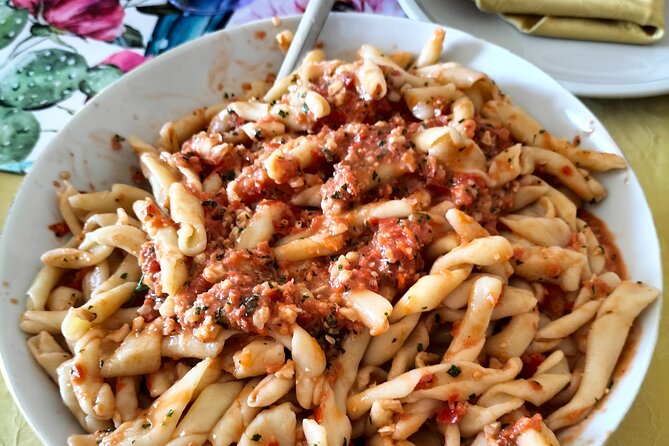
The duration is about 3 hours. That’s a good length: long enough to learn real steps, not so long that you’re exhausted or stuck waiting around.
For timing, consider what you want the rest of your day to feel like:
- If you book the 10:00 AM to 1:00 PM slot, you’ll likely still have energy for a walk afterward.
- If you book the 5:00 PM to 8:00 PM slot, you’ll get a satisfying dinner payoff without needing a separate restaurant plan.
Also, since the home is described as overlooking the archaeological area, you might want to plan a nearby site visit either before or after. One practical tip: there’s an easy walk to the Neapolis Archaeological Park mentioned in descriptions, so you can pair culture and cooking in the same stretch.
Who this Sicilian cooking course fits best
This is a strong choice if you want more than food photos. It’s for people who enjoy the process: learning technique, tasting ingredients while you work, and leaving with recipes that feel doable.
It’s also ideal if you have specific dietary needs. The class is designed so vegans, vegetarians, and celiacs can participate, and menu choices can be adjusted with Maria Rita after booking.
Here’s who may like it most:
- Couples or small groups who want a private setting
- Beginners who want structured pasta and sauce guidance
- Foodies who prefer local home cooking over a scripted show
If you dislike hands-on work or you prefer purely observational experiences, you might find the pace more active than you expect. But if you’re okay rolling up your sleeves, the class format is built for that.
Price and value: what $120 per person really covers
At $120.02 per person for about 3 hours, the price makes sense mainly because of what’s included and what you’re learning.
You’re getting:
- A chef-led class in a private home setting
- A multi-course meal you help prepare
- Drinks included, including wine, plus water and coffee or tea
Add it up and it compares well to paying for a dinner plus a cooking experience separately. The value is even better if you’re using the menu planning step to match your tastes and dietary needs, since that can prevent you from getting stuck with a less satisfying menu.
So yes, it’s not a budget class. But for a chef-led home meal with instruction, it’s priced like an experience, not like an ingredient tasting session.
Should you book this cooking course?
Book it if you want Sicilian food you can actually recreate. The pasta instruction, the sauce work, and the full-meal structure give you skills that travel well—right into your own kitchen.
Skip or rethink it if you’re expecting a tour that functions mainly as sightseeing. This is about cooking first, then eating. You may pair it with nearby archaeological walking, but the main event is the kitchen.
If you’re the type who enjoys family-style meals, practical guidance, and a menu matched to your diet, this is a great fit for Siracusa. And if the idea of a balcony view while you eat what you cooked makes you smile, you’ll likely feel right at home.
FAQ
What is included in the Sicilian cooking course price?
You get still and sparkling bottled water, plus red or white wine and coffee or tea.
What dishes can I expect to cook?
A sample menu includes busiate with Trapanese pesto, a starter such as bruschetta or parmigiana, dessert such as cannolo or tiramisu or almond biscuits, and another main option like Typical Siracusana pizza. Your menu is decided together after booking.
How long does the class last?
The experience is about 3 hours.
Is this a private experience?
Yes. It is private, and only your group participates.
What language is the class taught in?
The course is offered in English.
Is there free cancellation?
Yes. You can cancel for free up to 24 hours in advance for a full refund.