REVIEW · SICILY
Sicilian Cooking Class in Taormina
Book on Viator →Operated by Noema Viaggi Srl · Bookable on Viator
Four hours, a chef, and Sicilian food everywhere. This Taormina cooking class is built around hands-on Sicilian cooking and ends with a sit-down tasting of what you make, plus Sicilian wines and liquors. It’s a fun, no-stress way to learn the how and the why behind local favorites.
I especially like that you start with fresh pasta using a traditional method, not shortcuts. And I like that your lunch isn’t just a snack between steps—it’s a real meal where the dishes come together. One consideration: the flow is kitchen-fast, so the chef’s attention may not be constant every second; you’ll learn best when you jump in and work alongside the team.
In This Review
- Key Things To Know Before You Go
- Porta Messina Start: What Happens Before You Cook
- Fresh Pasta With a Traditional Method (Yes, You’ll Actually Do It)
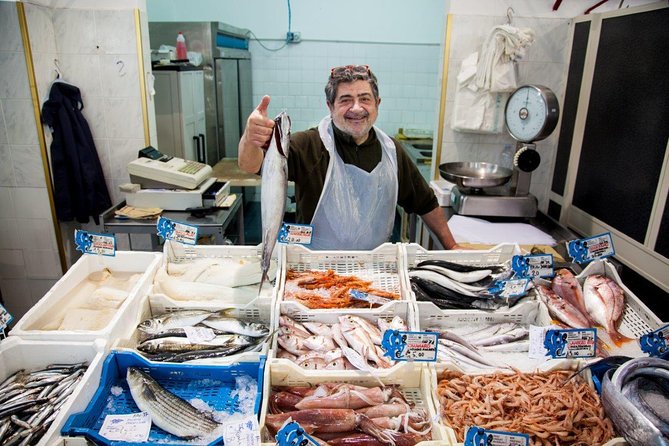
- Caponata and Seasonal Sicilian Dishes: Market Ingredients Matter
- The Feast: Lunch, Wine, and the Tasting Table Finale
- Chefs, Team Support, and How Much You’ll Get Hands-On
- Price and Value: What You’re Paying For
- Who Should Book This Cooking Class in Taormina
- Should You Book? My Take on the Call
- FAQ
- What time does the Sicilian cooking class start in Taormina?
- How long is the cooking class?
- Do I need any cooking experience?
- What’s included in the price?
- Is there lunch during the experience?
- Is the tour offered in English?
- Do we visit a market?
- What’s the maximum group size?
Key Things To Know Before You Go
- Small group (max 20): you’re not lost in a crowd.
- Two start times: 10:00 am or 18:30, both set at Porta Messina.
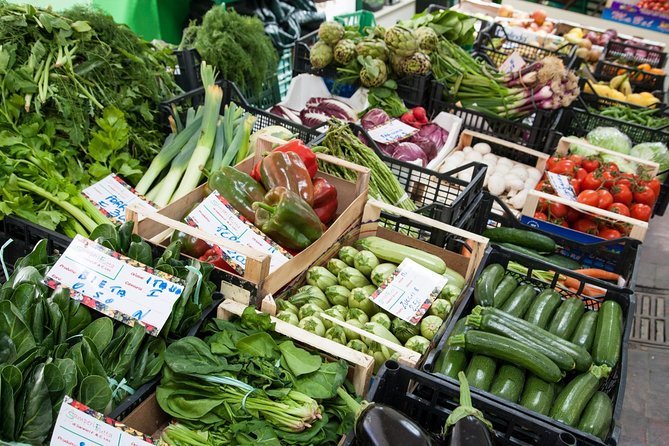
- Market-to-plate: you buy ingredients at the market, then turn them into dishes like caponata.
- Seasonal menu that changes monthly: starters, mains, and desserts rotate with what’s fresh.
- Wines and liquors at the table: you’ll taste alongside the meal, with coffee and mineral water too.
- Recipes and a certificate: you leave with printed instructions in English and a chef participation certificate.
Porta Messina Start: What Happens Before You Cook
The experience meets at Ristorante Pizzeria Porta Messina, Largo Giove Serapide 4 in Taormina. You can pick either the 10:00 am appointment or the 18:30 one, and the whole class runs about 4 hours.
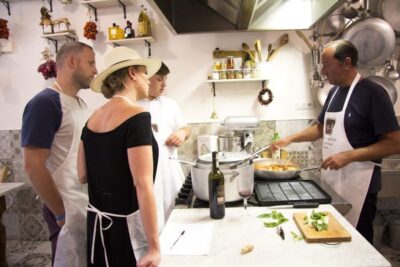
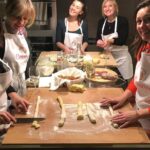
When you arrive, the restaurant is already set up. You’ll find an organized table with the cooking tools laid out and you’ll be handed an apron. This matters more than it sounds. It means you’re not standing around, waiting for supplies, or figuring out where to go while the group time ticks by.
You’ll get a mobile ticket and confirmations happen at booking time. The meeting point is near public transportation, so you’re not stuck hunting for a ride just to start. Also, this is offered in English, which makes a big difference in a hands-on class where you need to follow steps clearly (and quickly).
Two practical tips I’d give you: wear sleeves you don’t mind getting messy, and plan on arriving a little early so you can settle in. Since everything is timed around the prep and cooking, being 10 minutes late can make you miss the start of the pasta work.
You can also read our reviews of more tours and experiences in Sicily.
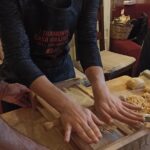
Fresh Pasta With a Traditional Method (Yes, You’ll Actually Do It)
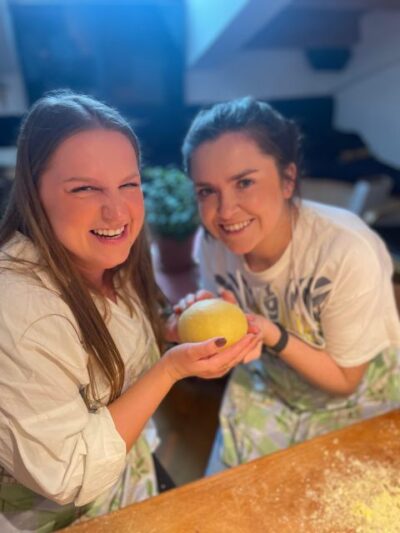
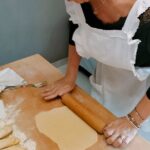
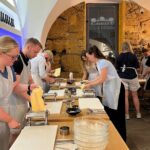
The class begins with making fresh pasta the traditional way. If you’ve never done it before, that’s not a problem here. Instruction is provided from scratch, and the goal isn’t to make something perfect—it’s to learn the process you can recreate later.
This is one of the most valuable parts of the day. In many cooking tours, you watch first and cook later. Here, you get into the work early, so you leave with muscle memory. You also get to understand what changes when you adjust ingredients and handling. That’s what turns a recipe card into something useful.
You’ll move from pasta to the next Sicilian step, with a steady rhythm: learn, work, taste, and then keep going. The class is hands-on, and other kitchen helpers are there to support the group when multiple stations are moving at once. That also explains why the chef might not be standing over you constantly; the kitchen runs as a team.
If you love cooking, you’ll likely feel energized fast. If you’re just eating your way through Sicily and want one practical souvenir, this pasta session is the kind of thing you’ll pull off again at home without needing special training.
Caponata and Seasonal Sicilian Dishes: Market Ingredients Matter
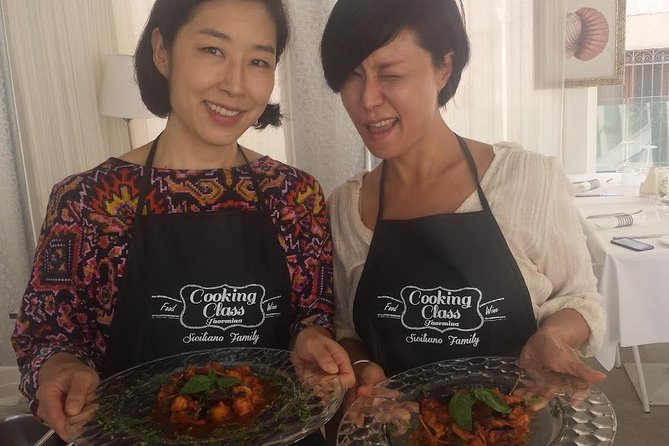
After the pasta, you’ll make homemade caponata using vegetables you bought at the market. This is the kind of detail that makes Sicilian cooking click. Caponata isn’t just a recipe. It’s a way of using what’s good right now—eggplant, peppers, and other vegetables depending on the season and what you find.
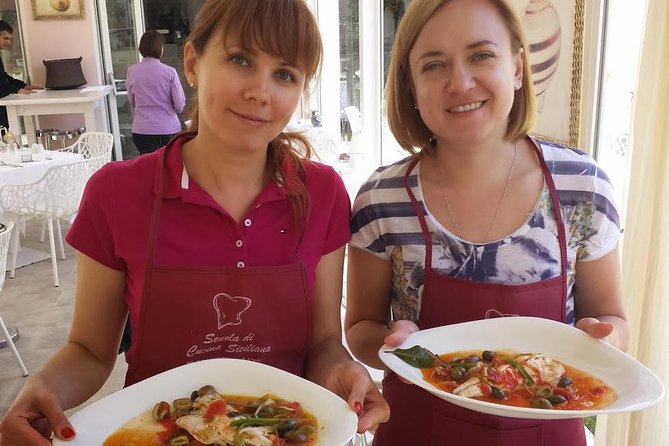
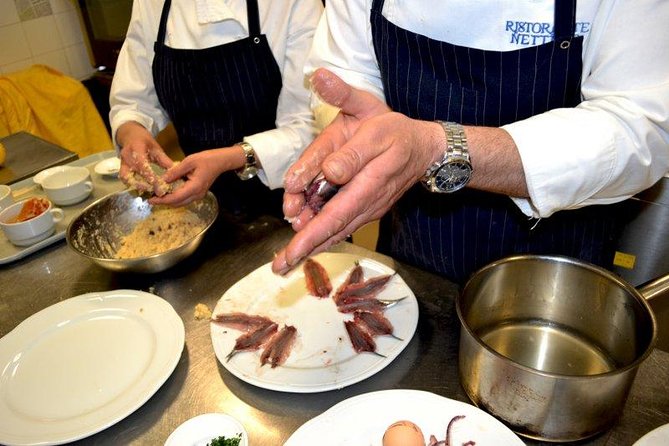
In the lesson, you’ll also prepare other Sicilian specialties. The class info points to dishes such as fresh sardines and zucchini flowers, plus more items that may vary. The exact dishes shift because the menu is seasonal and changes every month.
That rotation is why the class feels less like a canned demo. Starters and mains change, and so do the second-course options. One month you might see pasta-focused dishes and fish or meat variations; another month it could be different combinations based on what’s fresh and appropriate for the time of year.
From the way the experience is structured, you’re learning more than just one dish. You’re learning how Sicilians build a meal: starter to main, then a second course, then dessert, with tasting built in as you go. You also get a sense of how markets influence the final plate. That’s a real skill, even if you’re not trying to run a kitchen at home.
One more practical note: if you’re not into fish, keep an eye on your comfort level with seafood-heavy menus. The class can include fish choices like sardines, and the overall meal can skew that direction depending on the monthly menu.
The Feast: Lunch, Wine, and the Tasting Table Finale
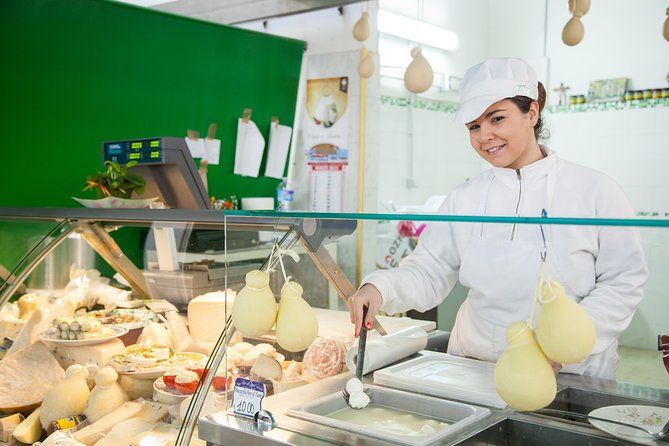
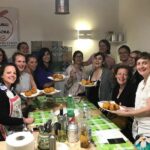
Once the cooking wraps, you sit down to taste everything you prepared. This is a key part of the experience, because you get to see how the dishes actually work together on a plate—hot next to savory, sweet later, and wine flowing with the meal.
The format includes tasting with Sicilian wines and liquors, plus mineral water and coffee. You won’t be left hungry or waiting until the end for a reward. The kitchen rhythm builds in breaks too, so you’re not stuck working continuously without relief.
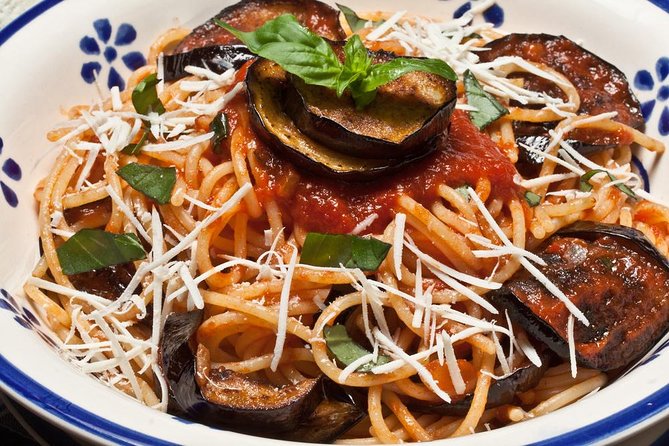
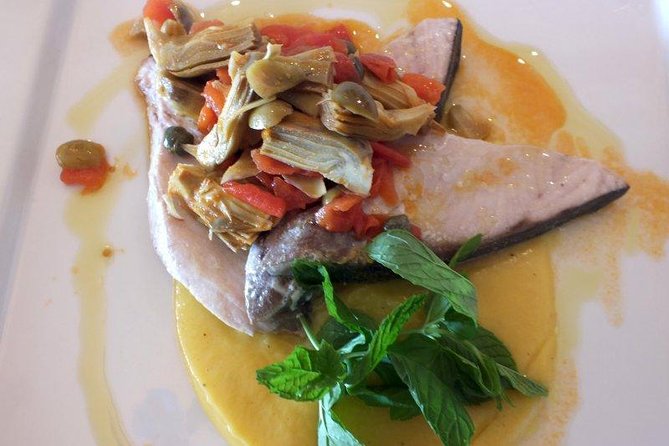
The menu details change monthly, but the class’s structure stays consistent: a starter course, a pasta main, a second course (meat or fish), and dessert. In actual sessions, people have reported dishes like sea bass cooked in a salt crust, swordfish rolls, and eggplant Parmesan. Dessert examples from past classes include cannoli, and limoncello has come up as well.
This is where the “learn and eat” balance lands. You’re not just stuffing yourself. You’re connecting technique to flavor, and you get to compare textures and seasoning while it’s fresh. Even if your cooking skills are limited, tasting the results makes the instruction stick.
If you’re going during the dinner appointment at 18:30, it can feel especially satisfying. You start with the kitchen work, then finish with a full meal—like you turned Taormina dinner into a hands-on event.
Chefs, Team Support, and How Much You’ll Get Hands-On
This class is led by professional chefs, and you may meet different instructors depending on the day. Names that show up in past sessions include Paolo, Antonio, Francesca, Giovanni, Luca, and Mauricio.
What I like about this setup is that it’s team-based. You’re likely to work with the main chef, but you’ll also get help from other cooks when you’re doing steps across the kitchen. That helps keep the class moving and keeps you from getting stuck.
It also explains a common tradeoff. One person felt the chef spent less time right at their station compared with what they expected, which is understandable in a busy kitchen. Still, the chef and staff were described as friendly, and overall the class is guided enough that people feel confident by the end.
If you want the best experience, aim to treat it like a working kitchen day, not a lecture. Ask questions when you can. Watch the flow. Then jump back into the task. You’ll learn faster and you’ll feel less like you’re waiting for someone else to “do your part.”
And if you’re traveling with a group, the team nature of the experience can help everyone stay involved. It’s built for up to 20 people, and instruction is designed for beginners.
Price and Value: What You’re Paying For
At $126.72 per person for about 4 hours, this is not a bargain class. But it’s also not overpriced for what you get.
Here’s where the value comes from:
- You pay for ingredients and utensils, not just the lesson.
- You get a full lunch (or late meal if you choose the 18:30 slot) with wine and liquors plus coffee and mineral water.
- You receive printed recipes in English and a certificate of participation from the chef.
In other words, you’re paying for the whole package: market-based sourcing, cooking instruction, and the meal. For food-focused travelers, that’s the sweet spot. Instead of paying separately for a cooking class, lunch, and drinks, you bundle it into one experience.
The small group size (max 20) also helps justify the price. It’s easier for staff to manage stations and keep you included.
One more thing: timing. This class is commonly booked about 53 days in advance. That’s a hint that popular weeks fill up, so if you’re set on a specific day and time, booking earlier can save you stress.
Who Should Book This Cooking Class in Taormina
This works especially well for you if:
- You want a hands-on Sicilian food experience rather than just a tasting tour.
- You’d like to learn practical skills like fresh pasta and caponata that you can replicate.
- You’re comfortable in a busy environment where multiple dishes are happening at once.
It also seems to be friendly to different eaters. For example, accommodation for a vegetarian has been mentioned as part of how the team handled one group’s needs.
A few situations to think about first:
- If you strongly dislike seafood or sardines, double-check your comfort with fish-heavy menus, since dishes like sardines can appear.
- If you’re traveling in peak summer heat, keep expectations realistic. One experience described a very hot kitchen with limited airflow in July, so plan for warmth and dress accordingly.
If you’re going with kids, note that children must be accompanied by an adult. Given the active kitchen format, you’ll want kids who can handle hands-on cooking without getting frustrated.
Should You Book? My Take on the Call
I’d book this if you want one activity in Taormina that feels like work in the best way: you cook, you taste, and you leave with recipes you can actually use. The combination of fresh pasta, market-to-plate caponata, and a sit-down tasting with Sicilian wines and liquors gives you more than a “single dish” souvenir.
If you prefer a super-structured, one-on-one teaching style where the chef never leaves your side, you might want to keep expectations flexible. The kitchen runs as a team, and that’s part of the charm and pace.
For most people—especially beginners who love food—this is a strong value. It’s a memorable day that turns Sicilian flavors from something you read about into something you can make.
FAQ
What time does the Sicilian cooking class start in Taormina?
The class starts at 10:00 am or 18:30, with the chef meeting you at Porta Messina.
How long is the cooking class?
It lasts about 4 hours.
Do I need any cooking experience?
No. You don’t need prior experience, and full instruction is provided.
What’s included in the price?
The price includes the Sicilian cooking class, all necessary ingredients and utensils, printed recipes and a certificate of participation, and lunch.
Is there lunch during the experience?
Yes. You’ll have lunch as part of the experience, and you’ll also sit down at the end to taste the dishes you prepared.
Is the tour offered in English?
Yes, it’s offered in English.
Do we visit a market?
Yes. You’ll buy vegetables at the market and use them to make dishes such as caponata.
What’s the maximum group size?
The experience has a maximum of 20 travelers.