REVIEW · YEREVAN
Yerevan: Traditional Armenian Cuisine Private Cooking Class
Book on GetYourGuide →Operated by Travel By Time · Bookable on GetYourGuide
Cooking in a real Armenian home feels personal. I love the warm family hospitality and the hands-on time where you learn real cooking technique instead of just watching. The standout moment is when you’re right there with the cook, picking up the small details that make a dish taste Armenian. One possible drawback: the music and dancing may be lighter and shorter than you might expect.
This is a private setup in Yerevan with pickup from a designated location and a full 210 minutes of guided attention. You’ll also be able to choose from several languages with the instructor (English, French, Arabic, Armenian, Russian), which makes it easier to ask questions while your hands are busy.
For the price, I like that it’s not just a class. You get private transportation, guiding, a masterclass, and the food and drinks included—so you’re basically paying for a cultural meal + cooking time, not just an experience. If you’re hoping for a big, showy production, you might want to set expectations for something more home-based.
In This Review
- Key things I’d circle on your plan
- Why a home kitchen beats a studio class in Yerevan
- Pickup to welcome: what the 210-minute flow really feels like
- Learning dolma-style skills: technique, patience, and vegetarian options
- Lunch that feels like a real Armenian meal, not a snack plate
- Music and dance: fun, but think of it as a warm finish
- Price and value in Yerevan: what you’re really paying for
- Language support and communication: why it matters while cooking
- Who should book this private Armenian cuisine cooking class
- Quick practical notes before you go
- FAQ
- How long is the Yerevan Traditional Armenian Cuisine Private Cooking Class?
- Is this a private group cooking class?
- What dish will I cook?
- Is vegetarian food available?
- What’s included in the price?
- What languages are the instructor able to teach in?
- Will there be music and dance?
- How soon can I cancel and get a full refund?
- Should you book it?
Key things I’d circle on your plan
- Family-led cooking, not a restaurant demo: you’re hosted in a traditional home setup.
- Hands-on work from start to finish: you cook, not just taste.
- Dolma technique is a core feature: at least one session focuses on dolmas, including vegetarian options.
- You eat what you make: lunch centers on your own dish plus other traditional food.
- Cultural extras included: drinks, music, and an invitation to join in with dance.
- Private pickup and transport: it’s simple to fit into a day in Yerevan.
Why a home kitchen beats a studio class in Yerevan
Yerevan cooking classes can fall into two buckets: a quick “watch and snack” format, or a real meal experience. This one goes for the real thing. You’re brought into a family home and treated like a guest first, student second. That matters because Armenian cooking is built on rhythm—small steps, tasting, adjusting, and waiting at the right moments.
I also like that you’re not learning cooking as an abstract skill. You’re learning it as part of daily life: how people talk, how they explain, and how they pass down methods. In one recent session, the guide Arto took the guest to his mother’s place and the teaching was detailed and patient—exactly what you want when you’re trying a new dish.
The vibe is intimate. You should come ready to ask questions, get a little flour and grease on your hands, and accept that your first attempt might not be perfect. That’s not a problem. It’s the point.
Pickup to welcome: what the 210-minute flow really feels like
The schedule is built to keep you moving smoothly, without feeling rushed. Here’s the practical arc of what you’ll do:
First, you’re picked up from a designated location by your guide. Then you arrive at a traditional Armenian home, where you’re introduced to the family and their way of life. This intro isn’t just small talk. It sets the tone: Armenian food is tied to hospitality, and you’ll notice that right away in how people explain what you’re doing.
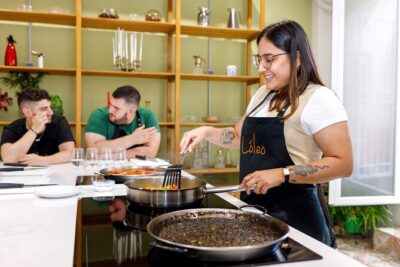
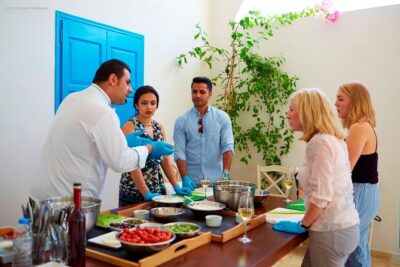
Next comes the cooking demonstration, followed by hands-on preparation. This is where the private format shines. If something doesn’t click—timing, shaping, stuffing, or seasoning—you can slow down and get help. In one dolma-focused session, the cook was patient and attentive because it was the guest’s first time. When you’re in a private class, you don’t have to fight the clock.
After the cooking, you eat a delicious lunch centered on the Armenian dish you prepared, plus other traditional Armenian food. You’ll also get time to relax with traditional Armenian drinks. Then the family share includes traditional music and dance, with an invitation to join in and have fun. Finally, you’re taken back to the designated pickup point.
One thing to keep in mind: the tone is homey and social, not stage-performer energy. If you’re specifically hunting for a long, dance-heavy show, you may feel slightly underwhelmed, since some sessions seem to treat music and dance as a warm finish rather than a full entertainment block.
Learning dolma-style skills: technique, patience, and vegetarian options
Dolma is the dish that keeps showing up in people’s favorite moments from this experience. One guest was taught dolmas at the guide Arto’s mother’s home, and they made a vegetarian Western Armenian version after requesting that style.
That detail is useful for you: it tells me the class can adapt to diet and regional preference when discussed ahead of time. If you’re vegetarian (or trying a vegetarian approach), don’t assume you’ll be stuck with the “default” dish. Ask for what you want, and pay attention to how they handle your request.
In practical terms, dolma teaching tends to focus on three things:
- Consistency: how the filling is portioned and packed.
- Wrapping and shaping: getting them neat enough to cook evenly.
- Flavor balance: seasoning and cooking time so they taste right, not just look right.
The best part is how patient the teaching can be. In that same session, the cook worked with a beginner who struggled at first, and the improvement happened quickly because the guidance was attentive and clear. Translation also mattered; Arto helped communicate throughout, which made the explanations easier to follow while you’re doing the steps with your own hands.
If you’re an experienced cook, you’ll still get value in the specific Armenian techniques. If you’re a beginner, you’ll get value in the structure: demonstration first, then guidance while you try. Either way, private time keeps you from getting lost.
Lunch that feels like a real Armenian meal, not a snack plate
After you cook, you’ll enjoy a lunch built around the dish you prepared. That matters more than it sounds. Many classes serve a small portion and then call it a day. Here, lunch is the payoff: you get to taste the result of your work, and it’s served alongside other traditional Armenian food.
You’ll also have traditional Armenian drinks as part of the relaxed portion after lunch. The drinks aren’t just an add-on. They help turn the class into a social meal, which is how these experiences stay memorable. Food is the anchor, but the family interaction is the glue.
One more thing I appreciate: this experience doesn’t force you to speed-run the meal. You cook, eat, then unwind. That rhythm makes it easier to learn without feeling like your brain is juggling five things at once.
Music and dance: fun, but think of it as a warm finish
The activity includes traditional Armenian music and dance, and you’re encouraged to join in and have fun. In a perfect world, you’d get a steady stream of music while dancing continues. In reality, the energy can vary by host and timing—one guest expected more dancing and found music mainly at the beginning.
So how should you think about it? Treat it like a friendly cultural send-off. If you’re open-minded and ready to participate lightly—clapping, trying a step, laughing—you’ll have a good time. If you’re looking for a long entertainment block similar to a theater show, this may not match that goal.
Also, because it’s a private home setup, the “performance” will feel human-scale, not polished. That’s a tradeoff. I’d rather be in a kitchen with a family than in a loud room where the dancing is the main event.
Price and value in Yerevan: what you’re really paying for
It costs $104 per group (listed as up to 1). On paper, that can look like a lot compared with a bargain tour. But when you break down what you’re actually getting, it starts to make sense.
Included in the experience:
- Guiding services
- Private transportation
- Admission ticket
- Foods and drinks
- Masterclass of Armenian traditional dishes
That combination shifts the value from “just a class” to “a hosted meal experience with teaching.” You’re not only paying for instruction; you’re also paying for the logistics that let you go door-to-door from a pickup point and land in a home kitchen ready to cook. In cities where getting across town eats time, that kind of help is worth something.
Also, private means the teaching pace can follow you. If you’re the type who learns best by doing, the cost is easier to justify. You’re paying to reduce awkwardness and maximize hands-on time.
If your main goal is to watch cooking from a distance while you snack, then $104 may feel steep. But if you want to walk away understanding the method—and tasting the results—this is the kind of experience where the price feels fair.
Language support and communication: why it matters while cooking
This class has instruction in English, French, Arabic, Armenian, and Russian. That’s not a small detail. Cooking requires precision, and precision gets lost when explanations can’t land.
In one dolma session, the guide Arto translated throughout. That kind of continuous support is exactly what helps beginners succeed. You’re not left guessing while you’re stuffing and wrapping. Instead, you can ask, adjust, and keep moving.
If you speak one of the listed languages, you’ll probably feel the experience is smoother. If you don’t, you’ll still have help, but you may want to be ready with a few simple questions like how long to cook, how to season, or what to look for when it’s done.
Who should book this private Armenian cuisine cooking class
This is a great pick if you:
- Want a family-hosted experience rather than a formal classroom.
- Like hands-on cooking with guidance.
- Are interested in specific Armenian classics like dolma, including the possibility of vegetarian style if you request it.
- Prefer a private setting where you can slow down and learn without feeling rushed.
It’s also a solid match if you want culture through daily life: how people eat, how they welcome, and how cooking connects to identity.
You might skip it if:
- You’re mainly after a big cultural show with nonstop dance and heavy music.
- You only want a quick tasting tour and aren’t interested in learning technique.
- You’d rather cook at your own pace in a kitchen environment with no family interaction.
Quick practical notes before you go
Because it’s wheelchair accessible, it’s worth considering if mobility access is a priority for you. The structure also includes pickup and private transportation, which usually means less stress and fewer navigation headaches.
One small mindset shift helps: come as a learner. If your first attempt at shaping or stuffing feels awkward, you’re doing it right. Patient teaching is part of how these lessons work, especially for first-timers.
FAQ
How long is the Yerevan Traditional Armenian Cuisine Private Cooking Class?
The experience lasts 210 minutes.
Is this a private group cooking class?
Yes. It’s listed as a private group.
What dish will I cook?
The class includes cooking demonstration and hands-on preparation of a traditional Armenian dish. In at least one recent session, the dish prepared was dolmas.
Is vegetarian food available?
A recent booking included a vegetarian Western Armenian version of dolmas requested by the guest, so vegetarian options may be possible if you ask.
What’s included in the price?
Guiding services, private transportation, an admission ticket, foods and drinks, and a masterclass of Armenian traditional dishes are included.
What languages are the instructor able to teach in?
The instructor can teach in English, French, Arabic, Armenian, and Russian.
Will there be music and dance?
Traditional Armenian music and dance are included, and you’re invited to join in and have fun, though the exact amount can vary by session.
How soon can I cancel and get a full refund?
You can cancel up to 24 hours in advance for a full refund.
Should you book it?
If you want an Armenian meal you can actually connect to—where you learn technique and then eat your own work—yes, book this. The private format, family hospitality, and included lunch and drinks make it feel like value, not just entertainment.
I’d especially recommend it if you’re interested in Armenian cooking classics like dolma and you’d like patient, guided help. Just set expectations that the music and dance are a welcoming part of the evening, not necessarily a long, nonstop show.