REVIEW · YOKOHAMA
Half-day Cooking Class in Yokohama Local Shopping District
Book on Viator →Operated by Osusowake-Kitchen · Bookable on Viator
A market walk feels like opening a recipe book. In Yokohama, this half-day experience links a covered shopping street packed with 130+ specialty stores to a hands-on Japanese cooking class. You start by browsing local stalls for real ingredients, then cook what you bought with your guide.
I especially like the way it turns everyday shopping into food literacy. You’ll visit a fishmonger, a grocery shop with sweet vegetables, and a butcher shop known for cuts you don’t see at many supermarkets. Then Ichiho guides the cooking part with calm, patient attention, so you’re not just watching—you’re doing.
One consideration: the format moves at a friendly but steady pace across shopping plus cooking in about 3.5 hours. Also, Ichiho’s English is not perfect, though he’ll try hard to meet your requests, so plan to use simple questions and a bit of pointing if needed.
In This Review
- Key Highlights You’ll Care About
- Yokohama’s Covered Shopping Street Makes the Cooking Make Sense
- The Ingredient Hunt: Fish, Sweet Vegetables, and Rare Meat
- Fishmonger Shopping: Fresh Starts for Better Sushi Rolls
- Sweet Vegetables: The Flavor Trick You Can Use Again
- Butcher Shop: Cuts You Usually Won’t Find
- Browsing Hidden Gems Without Getting Lost
- Meet Ichiho: How the Cooking Class Stays Practical
- Private Class Setup Means You Can Learn Your Way
- Sushi Rolls: Building the Nori, Rice, and Fillings
- What You’ll Make
- Why Rolling Teaches More Than Just Rolling
- Teriyaki Chicken: A Familiar Flavor Built the Japanese Way
- Karaage (Japanese Fried Chicken): The Crunch Skill You’ll Repeat
- The Technique Focus: Frying is the Real Lesson
- Why Karaage Complements Sushi
- Vegetarian Menu Available: Same Experience, Different Ingredients
- Timing and Where You Start: What 3 Hours 30 Minutes Really Means
- Meeting Point
- Mobile Ticket
- Language Reality Check (and How to Make It Work)
- Price and Value: Why $162.58 Can Be Worth It
- Who This Yokohama Cooking Experience Suits Best
- Should You Book This Class?
- FAQ
- How long is the Yokohama cooking class experience?
- What kinds of dishes will I learn to make?
- Is there a vegetarian menu option?
- Is this a private group experience?
- Where do I meet for the tour?
- How will I get my ticket?
- Do I need to speak Japanese?
- What’s the cancellation policy if I need to change plans?
- Is the experience near public transportation?
Key Highlights You’ll Care About
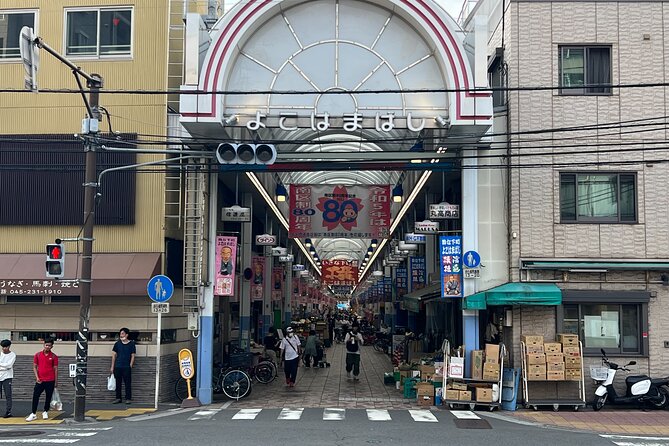
- A Yokohama covered street with 130+ specialty shops gives you a focused, walkable shopping lesson
- Market-style ingredient buying at a fishmonger, vegetable shop, and butcher shop shapes your cooking right away
- Small-group, private setup means you can ask questions and get real help
- Hands-on sushi rolls plus karaage teaches the techniques behind popular Japanese comfort food
- A vegetarian menu option keeps the experience welcoming without turning it into a compromise
Yokohama’s Covered Shopping Street Makes the Cooking Make Sense
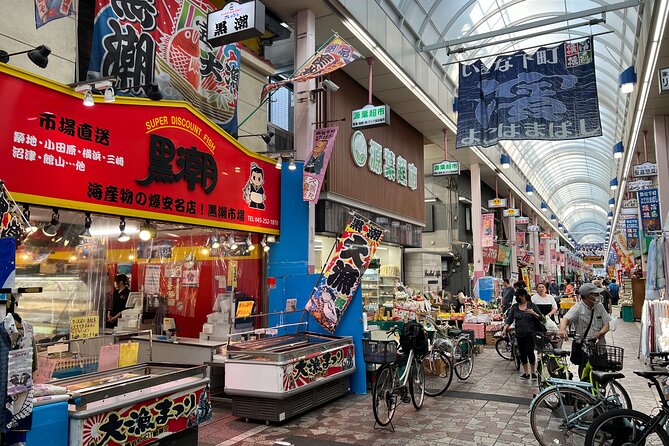
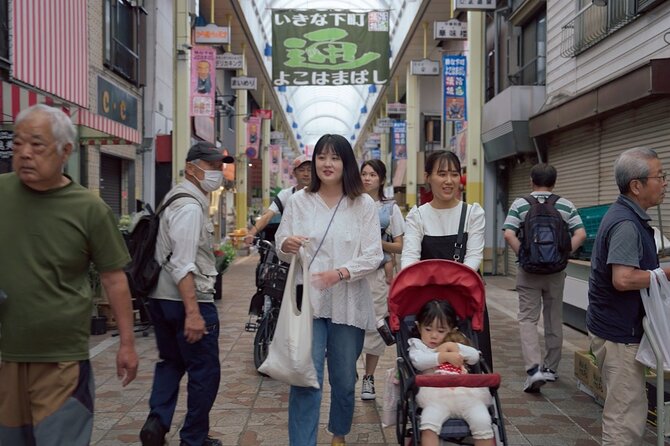
Yokohama can feel like a big city, but this experience keeps you in a small pocket where locals actually shop. You’ll walk through a covered street more than 300 meters long, lined with nearly 130 specialty stores. That matters because it’s not just shopping for souvenirs—it’s shopping for dinner.
This is also a smart way to understand Japanese eating culture. In Japan, ingredients and seasonality aren’t side notes. They’re the foundation. When you choose fish, vegetables, and meat in the moment, you start cooking with the same mindset locals use daily.
The private-tour feel helps, too. You’re not competing with a crowd for attention. That means your guide can slow down when you need clarity, especially during the cooking steps.
You can also read our reviews of more tours and experiences in Yokohama.


The Ingredient Hunt: Fish, Sweet Vegetables, and Rare Meat
Your tour is built around two things: learning where ingredients come from, and learning how they become food. Before you step into the kitchen, you’ll visit key shops that cover the spectrum of Japanese flavor.
Fishmonger Shopping: Fresh Starts for Better Sushi Rolls
A fishmonger sells fresh fish from all over Japan. That’s useful even if you never plan to recreate the exact same species at home. The real takeaway is texture and quality: how fresh fish feels, how it’s handled, and why Japanese sushi tastes the way it does.
You’ll also pick up context from the guide’s conversation. Ichiho doesn’t just point at items; he shares background about what locals look for and why certain ingredients matter.
Sweet Vegetables: The Flavor Trick You Can Use Again
Then you move to a grocery store with sweet and tasty vegetables. In many non-Japanese kitchens, vegetables are treated like a side. Here, they’re part of the main flavor experience, whether in rolls or as supporting ingredients.
This stop helps you learn a practical skill: shopping for flavor. Instead of thinking, What do I have? you start asking, What tastes good today? That change alone makes your home cooking better.
Butcher Shop: Cuts You Usually Won’t Find
A butcher shop sells rare cuts of meat not sold in supermarkets. That sounds fancy, but the value is simple—you see how Japanese meat choices can be more specific than what many visitors expect.
Even if you don’t recreate that exact cut later, you’ll understand how Japanese cooking connects with ingredient selection. That’s huge if you like cooking beyond instant results.
Browsing Hidden Gems Without Getting Lost
The shopping part also includes time to browse. You can look through small shops and markets for items that feel genuinely local, not generic tourist trade. You’ll hear the sounds of merchants selling their wares as you walk, which makes the experience feel like daily life instead of a staged performance.
Meet Ichiho: How the Cooking Class Stays Practical
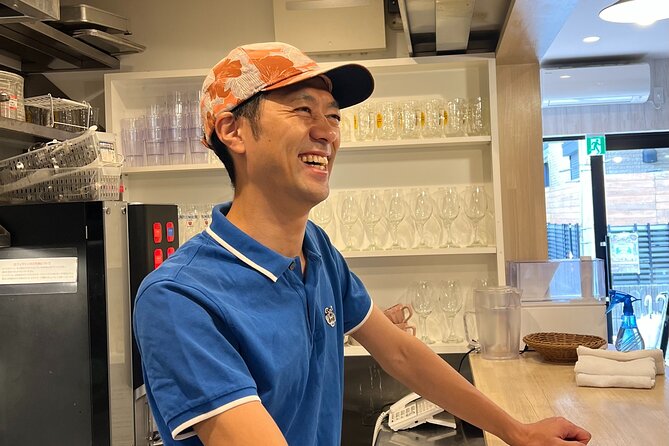
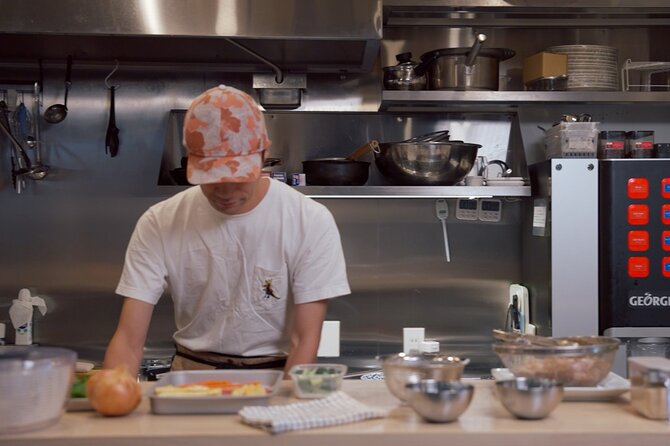
Once you finish shopping, you head to the kitchen for the hands-on portion. The kitchen setup is described as clean, bright, and equipped for authentic cooking. The point is straightforward: you should feel comfortable cooking, not stressed.
Ichiho is the name behind this class. In the moments that count—sushi assembly, frying, and timing—he’ll guide you through steps clearly. His English may not be perfect, but his patience shows. If you ask a question (or show a problem), he’ll try to accommodate.
Private Class Setup Means You Can Learn Your Way
The tour is private for your group. That reduces the awkwardness of not understanding or moving too slowly. In a small setting, your mistakes become part of learning. You get help right when you need it instead of waiting for the next moment.
This matters most during technique-based cooking, because practice is the whole game.
Sushi Rolls: Building the Nori, Rice, and Fillings
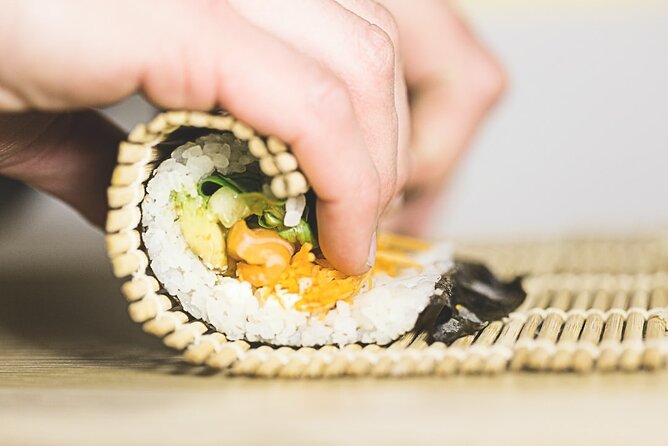
If you want a Japanese cooking class that feels useful at home, sushi rolls are a strong choice. They look simple, but they teach multiple skills at once: rice handling, seasoning balance, and roll assembly.
What You’ll Make
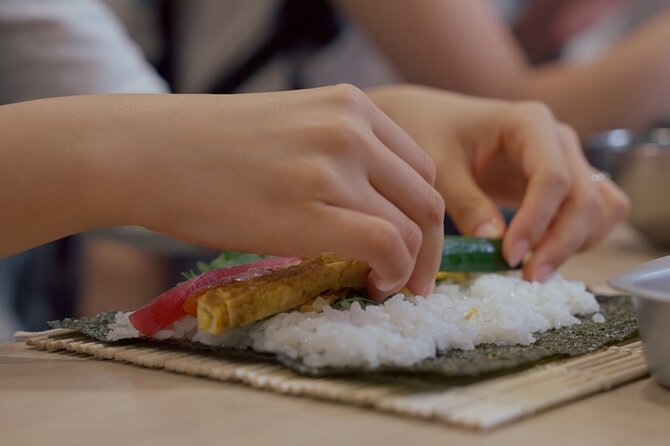
You’ll make sushi rolls filled with seafood, egg rolls, and vegetables, rolled with nori seaweed and rice. Even if your home kitchen doesn’t match a Japanese prep station, the concepts transfer well.
In class, you also learn why ingredient selection matters. If your fish or vegetables aren’t fresh, the texture changes. The experience makes that obvious fast.
Why Rolling Teaches More Than Just Rolling
Rolling sushi forces you to pay attention to pressure, alignment, and consistency. That turns into a real confidence builder. Once you understand how to handle nori without tearing it and how to distribute fillings, you can apply the same method to other rolled foods.
Ichiho’s approach also includes practical guidance on the small things that make a big difference. In one example from the class experience, you’ll learn how to fry eggs properly—because egg texture affects the final roll.
Teriyaki Chicken: A Familiar Flavor Built the Japanese Way
After sushi, you’ll move into more classic comfort food. Teriyaki chicken is popular for a reason: it’s sweet-savory, easy to love, and easy to adjust at home once you understand the balance.
Even without exact measurements provided here, you’ll leave with technique knowledge: how to cook chicken so it stays juicy, how sauce coats without turning into a watery mess, and how heat affects final taste.
The bigger win is that teriyaki becomes a framework. You’ll be able to think, How do I make this sauce stick? then apply that logic to other proteins and vegetables later.
Karaage (Japanese Fried Chicken): The Crunch Skill You’ll Repeat
Karaage is one of those dishes that makes visitors grin before they even taste it. This class includes Japanese fried chicken, described as a favorite side dish that many overseas visitors love.
The Technique Focus: Frying is the Real Lesson
Frying is where most home cooks struggle—oil temperature, timing, and breading behavior. In this class setup, you get guidance during frying so you can understand what success looks like: color, crispness, and how long to cook each stage.
You’ll also learn that karaage isn’t just about deep-frying. It’s about managing heat and paying attention to doneness. That’s the kind of skill that lasts long after the class ends.
Why Karaage Complements Sushi
Sushi rolls teach precision and assembly. Karaage teaches heat control and timing. Together, they balance out the skill set. You leave with confidence in two very different cooking modes: hand-crafted rolls and hands-on frying.
And yes, you’ll get to enjoy the results. When you cook it yourself, the taste lands differently.
Vegetarian Menu Available: Same Experience, Different Ingredients
If you prefer a vegetarian menu, this class offers one. That’s a meaningful option because it keeps you included in both parts of the experience: the shopping and the cooking.
You won’t just receive a separate plate later. The vegetarian menu is meant to keep the class cohesive, so you can still understand Japanese ingredient choices and cooking logic.
One tip if you’re vegetarian or cooking for someone: be clear about your preferences when you book. You can request accommodation through the guide, and the instructor is prepared to try to meet requests.
Timing and Where You Start: What 3 Hours 30 Minutes Really Means
This experience runs about 3 hours 30 minutes and ends back at the meeting point. That time can feel tight in a good way. It’s long enough to shop, cook, and eat what you make. It’s not so long that you’re stuck waiting around.
Meeting Point
Meet at:
3-chōme-35 Yayoichō, Naka Ward, Yokohama, Kanagawa 231-0058, Japan.
It’s near public transportation, so you can base your day around other Yokohama sights without building in a long commute.
Mobile Ticket
You’ll receive a mobile ticket, which simplifies entry. You won’t be scrambling for printed paper.
Language Reality Check (and How to Make It Work)
Ichiho’s English is not perfect, but he’ll do his best to guide you in English and accommodate requests. That’s not a dealbreaker—it’s just a heads-up about how communication might go.
My practical advice: come ready with simple questions.
- What’s the key step I should focus on?
- What mistake should I avoid?
- How can I recreate this at home with my equipment?
Also, bring a flexible attitude. Cooking involves hands-on learning. You can often understand the process even when a sentence is short.
Price and Value: Why $162.58 Can Be Worth It
At $162.58 per person, this isn’t a budget activity. But the value isn’t only the recipe list. The big value play is that you shop in a real Yokohama local area before cooking.
Many classes give you pre-packed ingredients. This one connects ingredients to decisions—fish quality, vegetable sweetness, and meat selection—so the cooking feels grounded. That’s the difference between learning a dish and learning how to shop and cook like a local.
It’s also private for your group and run in a small setting, which supports hands-on teaching. If you enjoy cooking and want guidance you can actually apply later, that cost starts to make more sense.
If you’re mainly looking for a casual food tour with minimal effort, you might find it too involved. But if you like learning and eating what you make, it’s a strong fit for the price.
Who This Yokohama Cooking Experience Suits Best
I think this works best for people who:
- want a hands-on Japanese cooking class, not a demo
- enjoy market-style shopping and ingredient selection
- want to learn sushi rolls plus karaage, two very different techniques
- prefer a private class setting for easier questions
- appreciate a vegetarian menu option
It’s also a good choice if you’re in Yokohama for a short stay and want something that feels authentic. The covered street shopping helps you experience day-to-day Japan, while the kitchen part gives you skills you can take home.
Should You Book This Class?
If you want the most value, book it when you truly want to learn cooking skills. Shopping first, then cooking with what you chose is the point. You’ll get sushi roll technique, teriyaki chicken practice, and karaage frying guidance, all supported by Ichiho’s patient teaching.
Skip it only if you’re uncomfortable with a hands-on pace or you expected a fully English-heavy instruction style. The experience is still guided and supportive—it just may require you to use simpler questions and lean on demonstration.
If you’re ready for that blend of market life and real cooking, this is an easy yes.
FAQ
How long is the Yokohama cooking class experience?
It lasts about 3 hours 30 minutes.
What kinds of dishes will I learn to make?
You’ll make sushi rolls and also prepare dishes like Japanese fried chicken (karaage). Teriyaki chicken is also part of the cooking.
Is there a vegetarian menu option?
Yes, a vegetarian menu is available.
Is this a private group experience?
Yes. Only your group participates.
Where do I meet for the tour?
The meeting point is 3-chōme-35 Yayoichō, Naka Ward, Yokohama, Kanagawa 231-0058, Japan. The activity ends back at the meeting point.
How will I get my ticket?
You’ll receive a mobile ticket.
Do I need to speak Japanese?
No. The instructor will guide you in English as much as possible, and English is not perfect, but requests are welcomed.
What’s the cancellation policy if I need to change plans?
Free cancellation is available up to 24 hours in advance for a full refund.
Is the experience near public transportation?
Yes, it’s near public transportation. Service animals are allowed as well.