REVIEW · SEMINYAK
Seminyak: Vegetarian Cooking Class
Book on GetYourGuide →Operated by Anika Group · Bookable on GetYourGuide
A market walk with a chef beats reading about food. You’ll shop the flavors of Bali first, then cook authentic Balinese vegetarian dishes in a small group, and end with a meal you can actually taste. I like that you get hands-on guidance and a recipe book you can use later at home. One thing to consider: you need to be comfortable with a short but active 1-hour format, starting at the meeting point with no hotel pickup.
If you’re in Seminyak and want food education that doesn’t feel like homework, this works. You’ll hear which ingredients power each dish, and you’ll leave with a certificate to prove you did it right. My only caution is that this class has an age limit and isn’t a good match for everyone over 70 or very young kids.
In This Review
- Key things I’d highlight before you book
- How the Seminyak Vegetarian Class Really Works
- Finding Your Way: Meeting Point, Timing, and Shoes
- The Market Visit: Picking Ingredients the Balinese Way
- What to watch for in the market portion
- Back to the Kitchen: Cooking with a Local Chef in a Small Group
- Vegetarian flavors in practice
- The Meal: Eating What You Made (and Eating Well)
- What You Take Home: Recipe Book and Certificate
- Price and Value: Is $47 Worth It?
- Who This Class Suits Best
- A few “not ideal” cases
- Practical Tips to Get More From Your 1-Hour Session
- Should You Book This Seminyak Vegetarian Cooking Class?
- FAQ
- Is hotel pickup and drop-off included?
- How long is the cooking class in Seminyak?
- Do I visit a market before cooking?
- Is the class vegetarian or vegan?
- What’s included in the price?
- Is there an English guide?
- What do I need to bring?
- Is the activity wheelchair accessible?
- Who is it not suitable for?
- What’s the latest arrival time?
Key things I’d highlight before you book
- Market-to-stove format: you buy ingredients at the local market, then use them right away.
- Small group teaching: less crowding, more time for questions while you cook.
- Chef-guided Balinese vegetarian focus: you learn what makes the flavors Balinese.
- Afternoon tea plus the meal: you’re not just tasting, you’re eating.
- A take-home recipe book and certificate: you get both results and a souvenir.
How the Seminyak Vegetarian Class Really Works
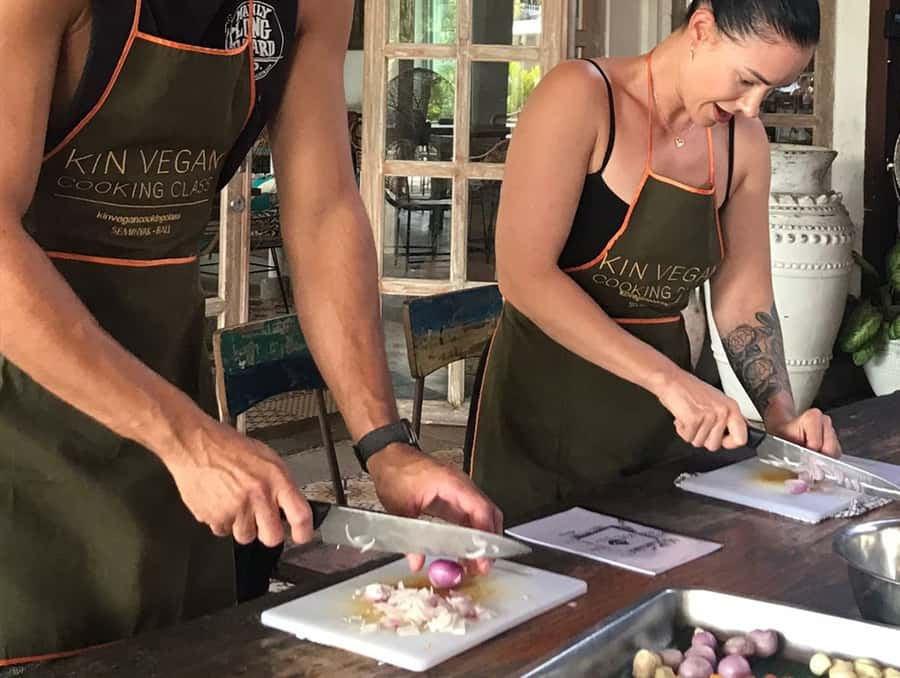
This experience is built around one idea: understand the ingredients, then cook with confidence. You start at the meeting point and join a small-group session with an English-speaking live guide and a native Balinese chef. The whole thing runs about an hour, so it moves at a steady pace without wasting time.
The value isn’t just that you’ll learn to cook. It’s that you’ll learn how Balinese vegetarian cooking makes flavor work using herbs, spices, vegetables, and fruits. And because you shop in a local market first, the lesson sticks.
Also, it’s designed so you’re not stuck competing for help. That small-group setup matters a lot when you’re learning chopping, mixing, and seasoning techniques in a short time.
You can also read our reviews of more tours and experiences in Seminyak.
Finding Your Way: Meeting Point, Timing, and Shoes
There’s no hotel pickup or drop-off included, so you’ll want to plan your own way to the meeting point in Seminyak. The activity asks that you arrive about 5 minutes early, so you’re not rushing when the group is getting started.
Wear comfortable shoes and clothes. You’re going to a local market and moving around during ingredient selection, so sandals might be fine for some people, but shoes are the safer bet. Bring nothing fancy—just be ready to stand, walk a bit, and cook.
The Market Visit: Picking Ingredients the Balinese Way
The first part of the class is a nearby local market run. Your chef walks you from stall to stall and shows you what each dish needs. This is where the experience turns from cooking demo into real education.
You’ll learn how to identify and choose fresh herbs, spices, vegetables, and fruits, and your chef will explain what ingredients matter most for flavor and texture. Depending on what’s available that day, you’ll also see the market ingredients that are commonly used across Indonesian cooking, and your chef will guide you toward the vegetarian options used for your dishes.
A practical bonus: you’ll hear which ingredients are easier to find abroad, especially in Asian grocery stores. That’s useful if you’re hoping to recreate the dishes at home without hunting for obscure items. It’s also one of the reasons this class feels more “transferable” than a one-off recipe.
What to watch for in the market portion
The market segment can feel fast if you’re the type who wants to linger. The upside is that the chef keeps you focused on what matters for cooking. I like that the market visit is tied directly to what you’ll make later, rather than being a generic sightseeing stop.
Back to the Kitchen: Cooking with a Local Chef in a Small Group
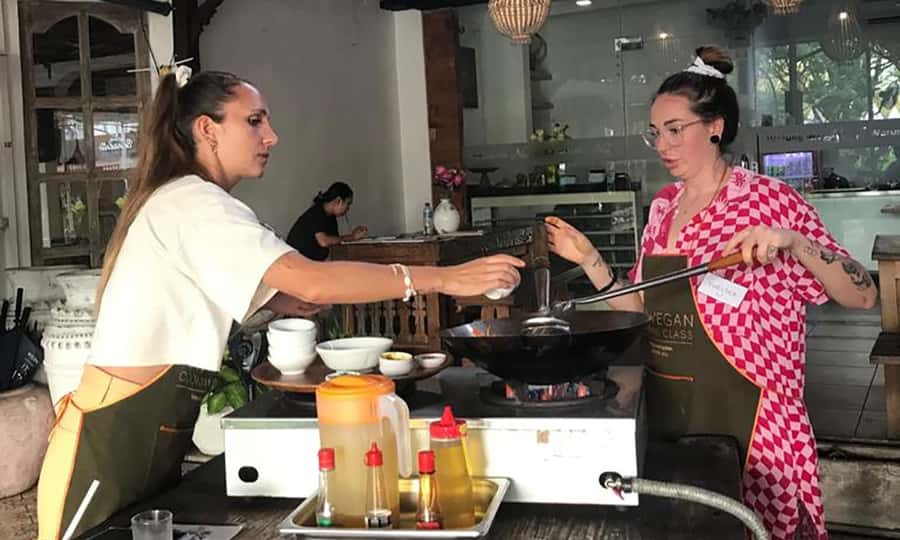
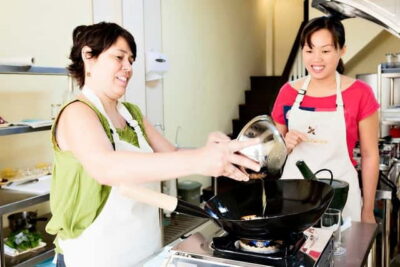
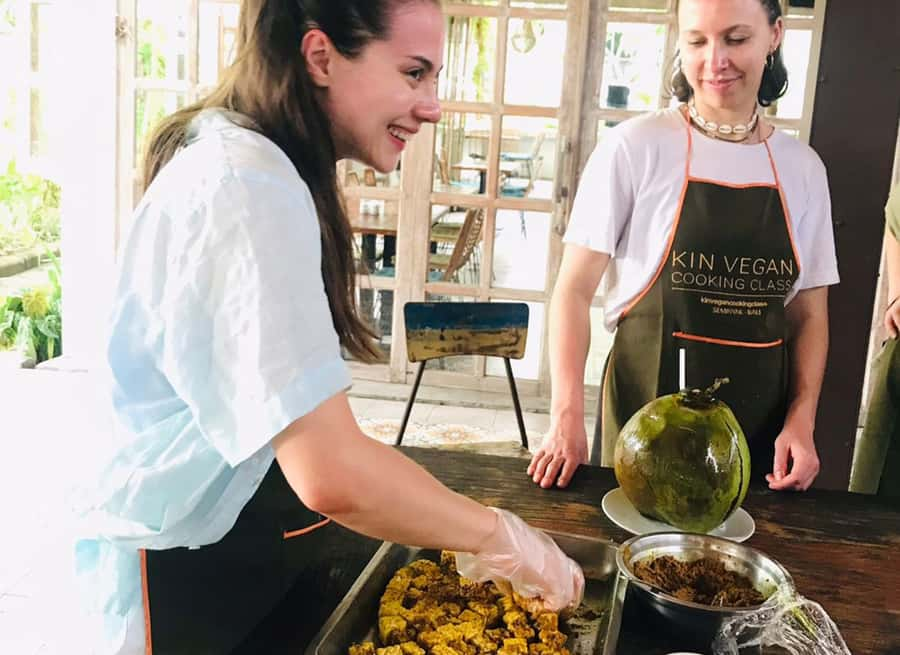
After the market, you return to the cooking venue and start preparing your dishes. This is where you get the fun part: hands-on technique, friendly instruction, and a real feel for how Balinese vegetarian flavors are built.
You’ll cook alongside your group and interact with the other cooks during prep. The chef’s job is to guide you step-by-step, including which ingredients go into each dish and how to handle them. Even with a short 1-hour class, this structure helps you avoid the most common cooking-class problem: standing around while someone else does everything.
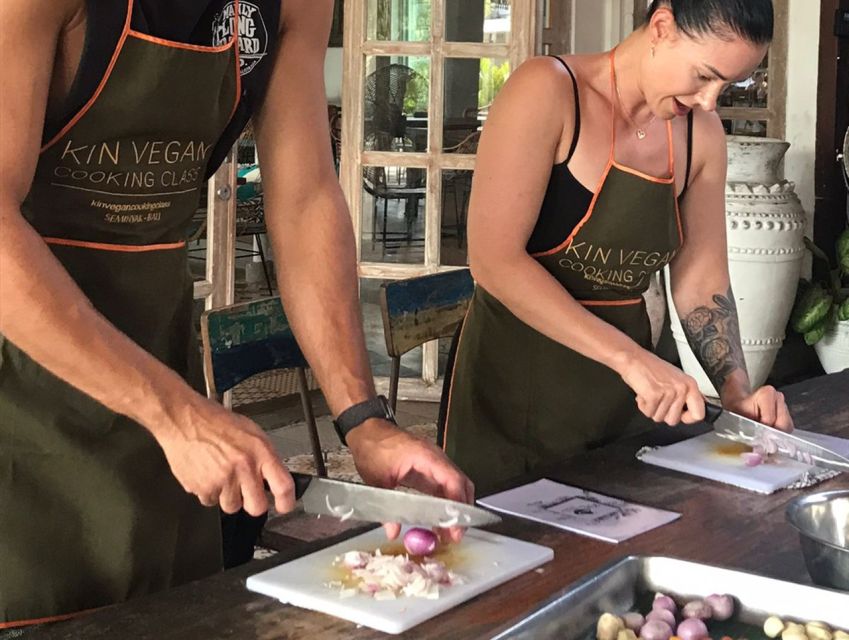
Because it’s small group cooking, you’re more likely to get quick help when your knife skills or seasoning timing need adjustment. That makes a difference if you’re a beginner.




Vegetarian flavors in practice
Balinese vegetarian cooking isn’t just about removing meat. It’s about getting the balance right with spices, aromatics, and fresh produce. You’ll learn how to prepare the ingredients you bought earlier, then combine them using typical techniques from Indonesian food culture.
If you like learning by doing, this part will feel like the class finally clicks. You’ll see how the flavors come together while you’re still actively cooking, not after the fact.
The Meal: Eating What You Made (and Eating Well)
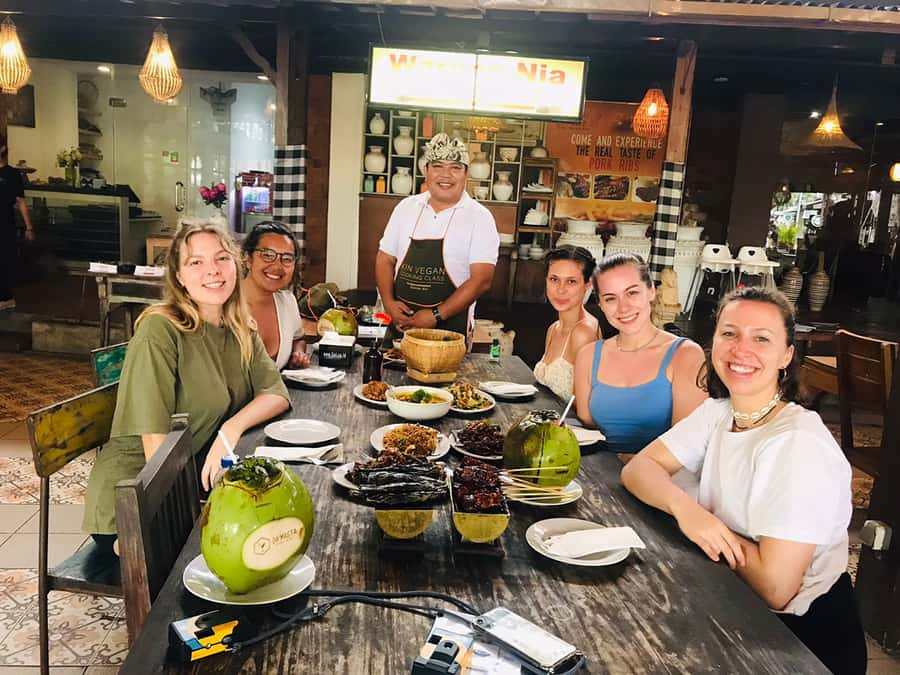
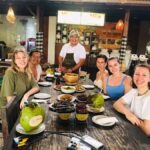
Once cooking is done, you sit down and enjoy the meal you created. This is included, and it’s not a tiny “taste a bite” situation. The class is structured so you can savor the results, and the food amount is described as generous in the feedback I’ve seen.
There’s also afternoon tea included. That’s a nice touch because it turns the ending into a proper break, not just a quick wrap-up and go.
I recommend treating this meal like part of your day’s food plan. If you’re hungry before the class, you’ll feel ready to eat by the time you sit down. And if you were already planning a dinner afterward, consider reserving something lighter.
What You Take Home: Recipe Book and Certificate
You get a certificate of completion and a recipe book. That matters more than people think, because a cooking class can be forgettable if all you bring home is a memory.
The recipe book helps you recreate the dishes later, ideally using ingredients you learned about in the market. And the certificate gives you a simple souvenir you can keep in a folder with your other travel “proof.”
This is also where the class earns points for its focus. It isn’t only about cooking once. It’s about giving you enough information to cook again.
Price and Value: Is $47 Worth It?
$47 per person for an hour-long cooking class in Seminyak includes a lot of what usually costs extra. You’re getting the cooking class itself, all ingredients, afternoon tea, the meal you make, plus a recipe book and certificate.
The market stop is part of the experience, not an add-on. That means your fee covers both the ingredient education and the practical use of those ingredients at the stove. When you compare it to paying for a cooking demo with no meal and no take-home recipes, the value looks stronger.
The one cost you’ll need to handle separately is transport. Since hotel pickup and drop-off aren’t included, you’ll want to factor in your own ride or walking time.
For me, the best value is when you cook more than you watch. This class is built around doing, eating, and taking home instructions, so you’re not just paying for an activity—you’re paying for a skill plus a full meal experience.
Who This Class Suits Best
This fits well if you want an authentic-feeling food lesson without a long day. It’s especially good for people who learn best when they can ask questions and get immediate corrections during cooking.
It’s also a great choice if your group includes mixed experience levels. The small-group structure and chef mentoring make it easier for beginners to keep up.
A few “not ideal” cases
The class isn’t suitable for children under 2, children under 3, or people over 70. If you’re traveling with very young kids or you need a low-mobility option, you’ll want to look for something else.
Also, because there’s no hotel pickup, it’s best if you’re already comfortable navigating Seminyak and getting yourself to a meeting point on time.
Practical Tips to Get More From Your 1-Hour Session
Keep your expectations realistic: this is short, so you’ll get guided focus, not a slow, relaxed cooking retreat. The good news is that the format is efficient—market first, cook second, eat third.
Bring comfortable shoes and clothes you don’t mind smelling like spices afterward. Cooking and market time can leave a little fragrance on you, and that’s part of the charm.
If you want to recreate the dishes later, watch for the ingredient explanations during the market walk. That’s where the class tells you what to buy and what substitutions might work if you’re shopping outside Bali. And after you leave, go straight to your recipe book once you’re home—writing down what you remember while it’s fresh will help.
Should You Book This Seminyak Vegetarian Cooking Class?
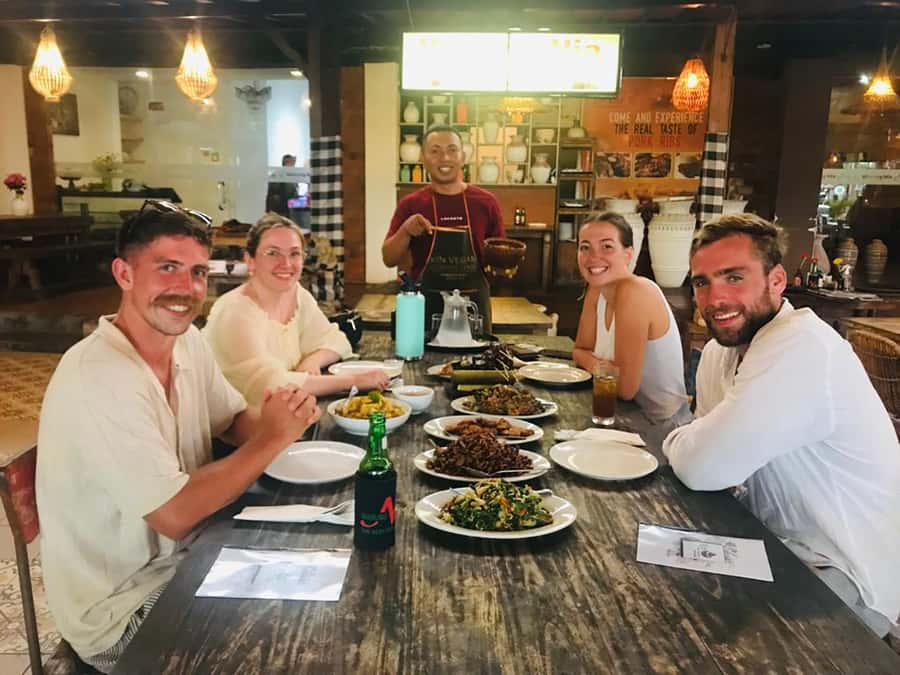
If you want a vegetarian food experience that’s practical and recipe-focused, I’d book it. The market-to-stove flow is smart, the small-group setup makes it easier to learn, and you’re not leaving hungry thanks to the included meal and afternoon tea.
Book it especially if you like learning ingredients, not just collecting recipes. You’ll come away understanding how Balinese vegetarian dishes get their flavor, and you’ll have the tools to repeat it at home.
Skip it only if you strongly prefer a longer, unhurried class, need hotel pickup, or fall into the age limitations. Otherwise, this is a solid value play for Seminyak: education you can taste, plus a recipe book you can actually use.
FAQ
Is hotel pickup and drop-off included?
No. Hotel pickup and drop-off are not included, so you’ll need to get yourself to the meeting point.
How long is the cooking class in Seminyak?
The class runs for 1 hour. You can check availability for starting times.
Do I visit a market before cooking?
Yes. You start with a local market visit near the venue, where the chef helps you identify and select ingredients for the dishes.
Is the class vegetarian or vegan?
It’s a Balinese vegetarian cooking class, and the ingredients used for the dishes are described as vegan in the feedback.
What’s included in the price?
The price includes all ingredients, the cooking class, afternoon tea, a certificate, and a recipe book.
Is there an English guide?
Yes. The live tour guide is English.
What do I need to bring?
Bring comfortable shoes and comfortable clothes.
Is the activity wheelchair accessible?
Yes, it is wheelchair accessible.
Who is it not suitable for?
It’s not suitable for children under 2 years, children under 3 years, and people over 70 years.
What’s the latest arrival time?
All visitors must come 5 minutes before the activity starts.