REVIEW · ROME
Rome: Pasta and Tiramisu Shared Cooking Class with Wine
Book on GetYourGuide →Operated by VizEat Ltd · Bookable on GetYourGuide
Fresh pasta tastes different at home. I love the chance to learn pasta and tiramisu with locals, not a big factory-style kitchen, and I love that you then eat what you make with wine while everything stays relaxed. One thing to consider: there’s no hotel pickup, and you’ll need to get yourself to the apartment and ring the right bell.
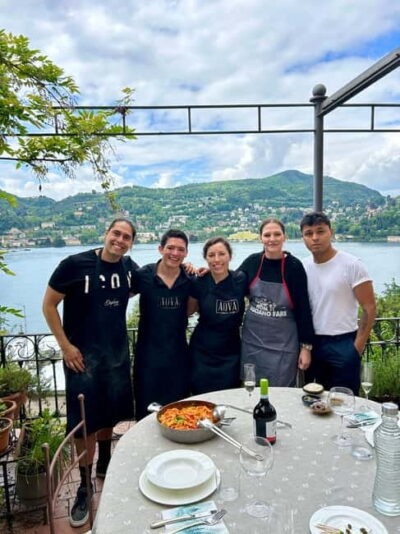
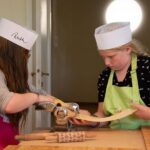
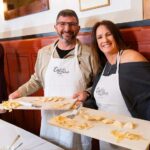
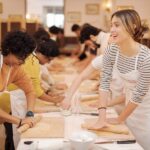
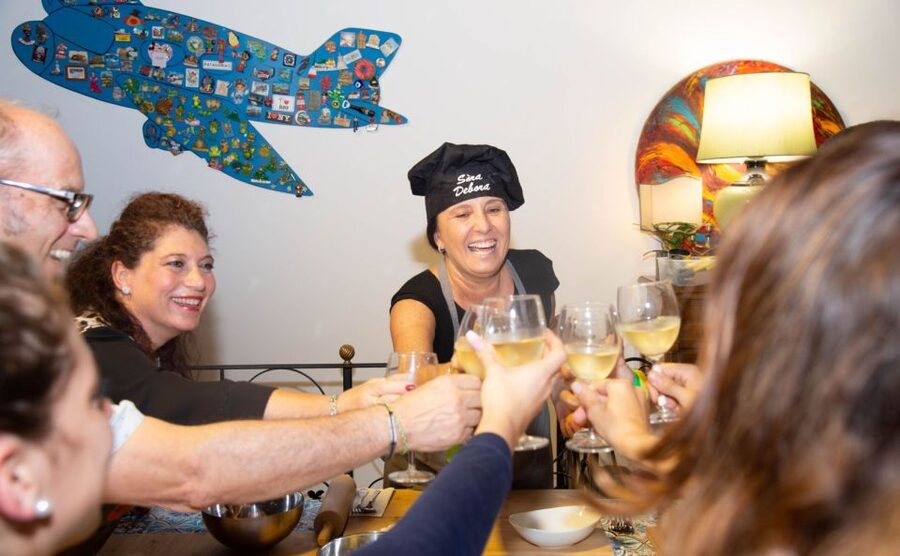
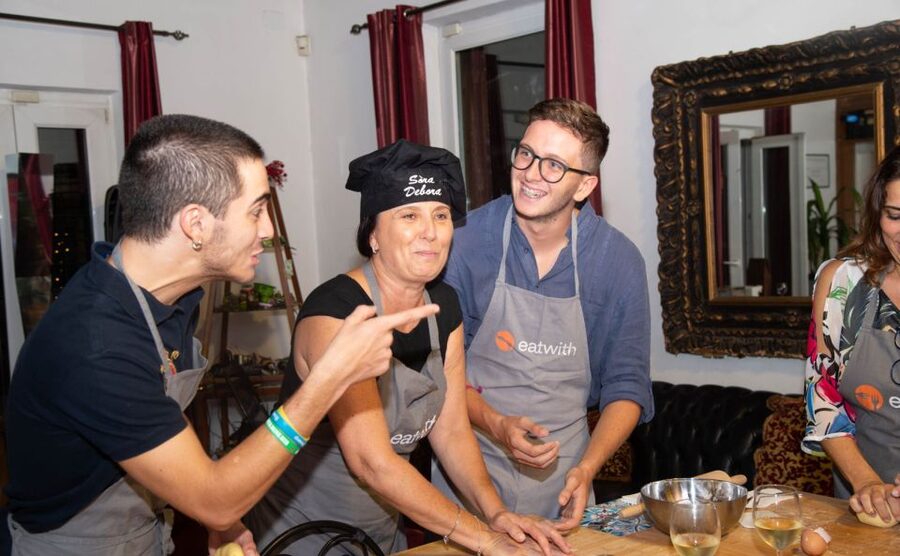
You’ll meet your hosts, Debora and Fiamma, in their home at the top of Gianicolo Hill, and the evening runs about 4.5 hours. You start with an aperitif and bruschetta, move into hands-on cooking (including traditional tiramisu and fresh pasta from scratch), then sit down to enjoy the meal together—very “Rome, but personal.”
In This Review
- Key Highlights You’ll Care About
- Why Gianicolo Hill Cooking Feels More Roman Than a Restaurant Dinner
- Getting There: Finding the Apartment Between Bar Gianicolo and Antico Arco
- The Evening Flow: Bruschetta Aperitif, Tiramisu First, Fresh Pasta Second
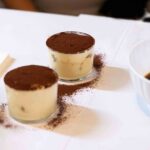
- Traditional Tiramisu: How You Learn More Than Just the Recipe
- Fresh Pasta From Scratch: Fettuccine and Ravioli with Structure
- What You’ll Actually Eat: Truffle-Artichoke Bruschetta, Amatriciana, Polenta, and Tiramisù
- Wine Included: When the Drinks Are Part of the Lesson
- Recipes by Email: Turning a Fun Night into Skills You Can Use
- Who This Cooking Class Is Best For (and Who Might Prefer Something Else)
- Price and Value: Is $82.63 Worth It in Rome?
- Quick Practical Tips for a Smooth Cooking Night
- Should You Book This Pasta and Tiramisu Class?
- FAQ
- How long is the cooking class?
- What dishes will I make in the class?
- What’s included with the price?
- What kind of dinner menu will we have?
- Is hotel pickup and drop-off included?
- Where do I meet the host?
- Will the class be taught in English?
- What should I do if I have food allergies or dietary needs?
- Can I pay later or cancel?
Key Highlights You’ll Care About
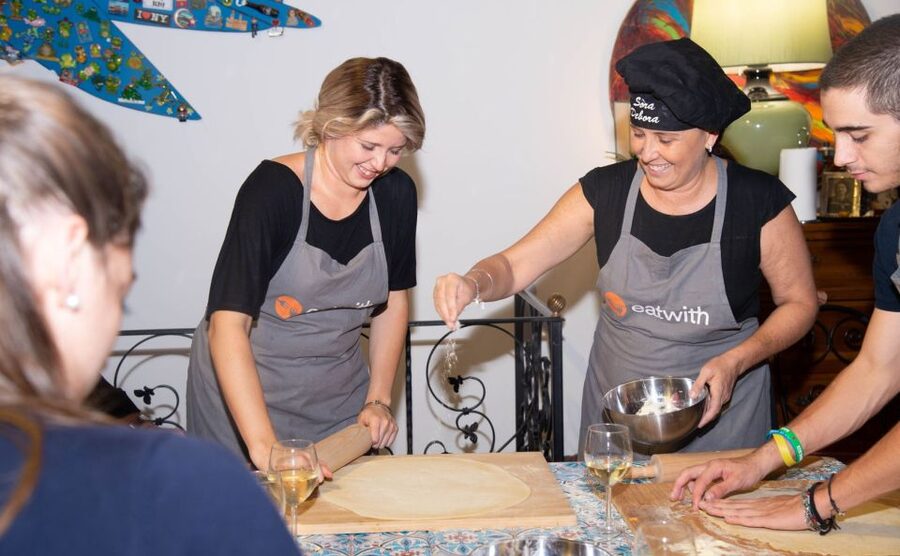
- Meet Debora and Fiamma in their home on Gianicolo Hill, where the class feels like dinner with people—not a show
- Wine during the work: sparkling wine plus still wine and soft drinks keep the evening easy
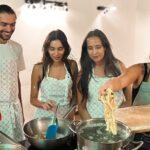
- Hands-on from scratch: you make tiramisu first, then learn fresh pasta like fettuccine and ravioli
- You eat the results right after cooking, so the meal never feels like an afterthought
- Email recipes afterward, so you can repeat your favorite parts at home
Why Gianicolo Hill Cooking Feels More Roman Than a Restaurant Dinner
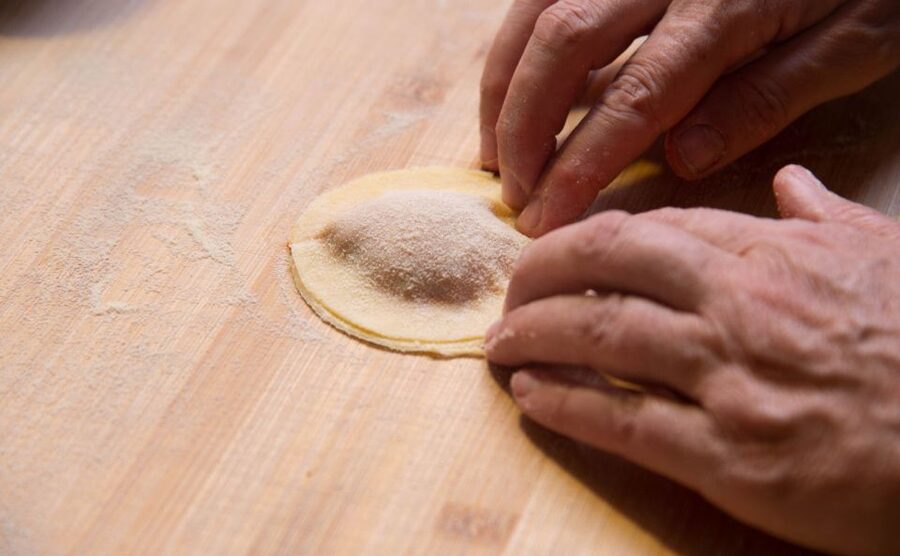
Rome has a million ways to feed you. This one teaches you how the feeding works.
This class is built around a simple idea: you cook traditional Italian food in a real home kitchen, with real hosts who explain what matters and why. You’re not just following steps. You’re learning the rhythm—how Italians think about making dinner, sharing it, and keeping it comfortable.
The biggest payoff is that your meal isn’t delivered and forgotten. You make the dishes, taste them while they’re still part of the process, then sit down together. That turns dinner into a lived memory, not a ticketed event.
And yes, the wine helps. You get complementary wine (including sparkling) and soft drinks while you work. It lowers the pressure when you’re learning something new, especially if you don’t have much cooking confidence.
You can also read our reviews of more tours and experiences in Rome.
Getting There: Finding the Apartment Between Bar Gianicolo and Antico Arco
The meeting point is a small-detail that matters, because there’s no big storefront sign.
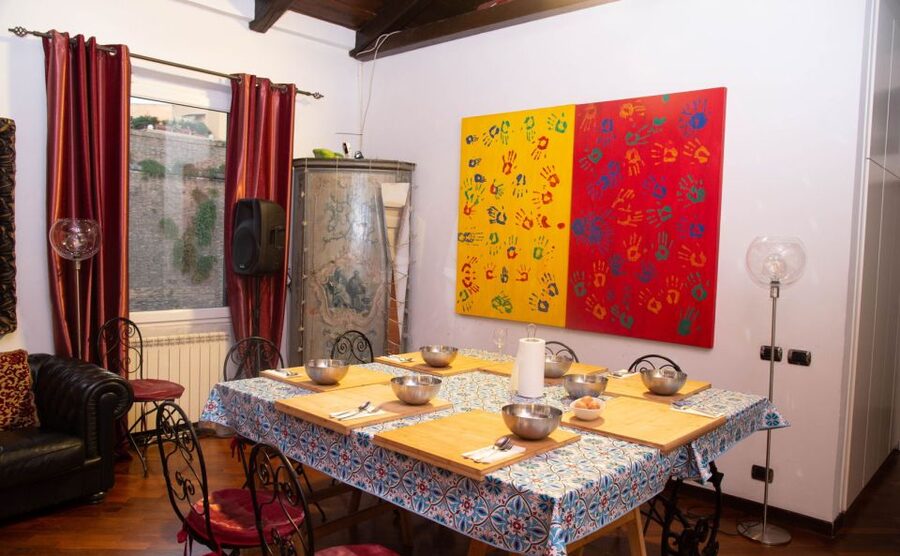
You’ll meet at an apartment located between Bar Gianicolo and the restaurant Antico Arco. The bell has no name—so you need to ring and wait for someone to let you in.
Because the home is on top of Gianicolo Hill, give yourself a little buffer time. If you arrive flustered, it’s harder to relax once you’re in a kitchen where everyone’s already in motion.
Tip: If you’re the type who always checks routes twice, do it here. This is one of those experiences where smooth arrival makes the whole evening feel easier.
The Evening Flow: Bruschetta Aperitif, Tiramisu First, Fresh Pasta Second
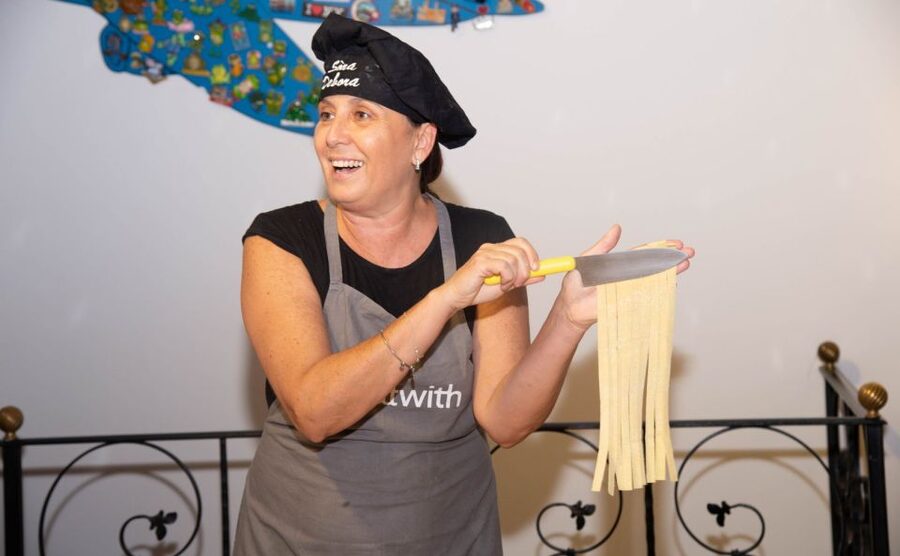
The structure of the evening is one of the reasons this experience lands well.
You start with a welcome aperitif and bruschetta while you get to know your hosts. From there, the focus turns to cooking in a logical order:
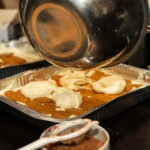
- You make a traditional tiramisu first.
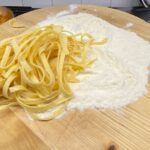
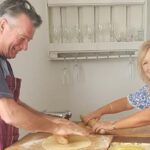
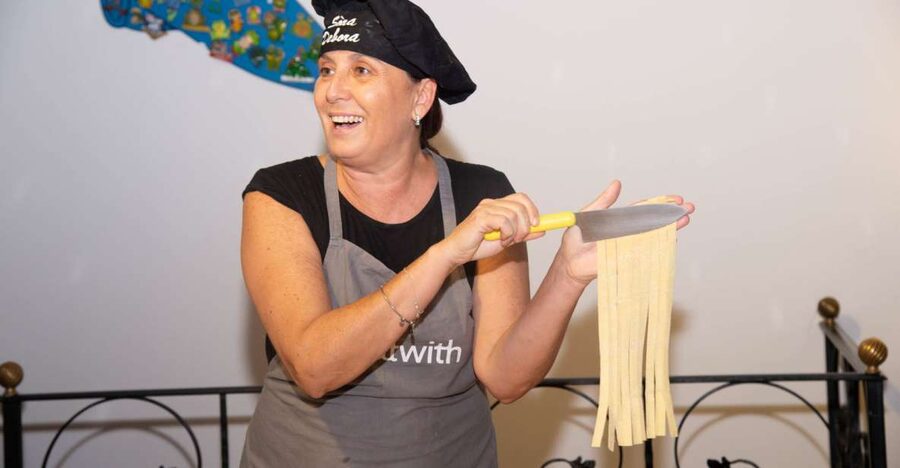
- Then you move on to pasta from scratch, including fettuccine and ravioli.
That order makes sense. Tiramisù has that “make it, set it, let it do its thing” vibe, and pasta is the hands-on workout moment. When you’re finished, you transition from cooking mode to eating mode—no awkward wait while your class meal comes from somewhere else.
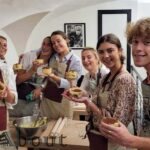
After the cooking portion, you sit down and savor what you made, plus the rest of the menu courses served during the dinner.
The overall pace is important here: the class is long enough (about 4.5 hours) that you’ll actually learn, taste, and enjoy, without rushing through everything like a race.
Traditional Tiramisu: How You Learn More Than Just the Recipe
Tiramisu is one of those desserts people think they know. Then you try making it and realize there’s more to it than just ingredients.
In this class, you’ll make tiramisù from scratch as a main cooking activity. Because it’s traditional, you’re not just assembling a generic “dessert.” You’re learning the classic approach your hosts connect to Italian food culture.
I like that tiramisù starts the evening. You’re not stuck waiting for dessert after an entire pasta session. You make it early, and that helps you stay in the learning flow from minute one.
Also, tiramisù is the kind of dish where technique shows. You’ll be guided step-by-step, and you’ll get to taste the results as part of the meal. That feedback loop matters—especially if you want to recreate it later.
Fresh Pasta From Scratch: Fettuccine and Ravioli with Structure
The pasta portion is where the hands-on learning gets real.
You’ll learn to make fresh pasta from scratch, including dishes such as:
- Fettuccine All’Amatriciana
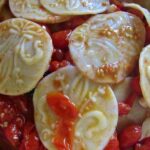
- Ravioli stuffed with ricotta cheese and spinach
All of it is taught in a way that’s meant to be repeatable. You’re not being asked to memorize a classroom chart. You’re being shown how the dough work connects to the final shape and bite.
Here’s what I’d watch for if you want to get the most out of your time: pay attention to the “in-between” moments—how the dough feels, how portions are handled, and how you move from shaping to cooking. Those are the skills you’ll use again later, even if you don’t cook the exact same recipe at home.
And because fettuccine and ravioli are different, the class covers more than one style of pasta-making. That’s great for variety, and it gives you more options for what to cook back in your kitchen.


What You’ll Actually Eat: Truffle-Artichoke Bruschetta, Amatriciana, Polenta, and Tiramisù
One reason this class feels like value is that the meal includes multiple prepared courses, not just what you’re cooking.
During the aperitif, you’ll start with bruschetta options such as:
- Bruschette with truffles, artichokes, and peperoni (peppers)
For the main courses, you’ll enjoy dishes including:
- Fettuccine All’Amatriciana, with crunchy pork cheek and tomato sauce
- Ravioli stuffed with ricotta and spinach
- Polenta with 4-cheese sauce, served with boiled cornmeal and a four-cheese sauce
Then you finish with tiramisù.
A practical note: if you’re comparing this to a typical wine-and-food tour, the value often comes from the combination. You get instruction (so you’re doing something), plus you get a proper dinner spread with substantial flavor. This isn’t just a light snack between sightseeing.
Wine Included: When the Drinks Are Part of the Lesson
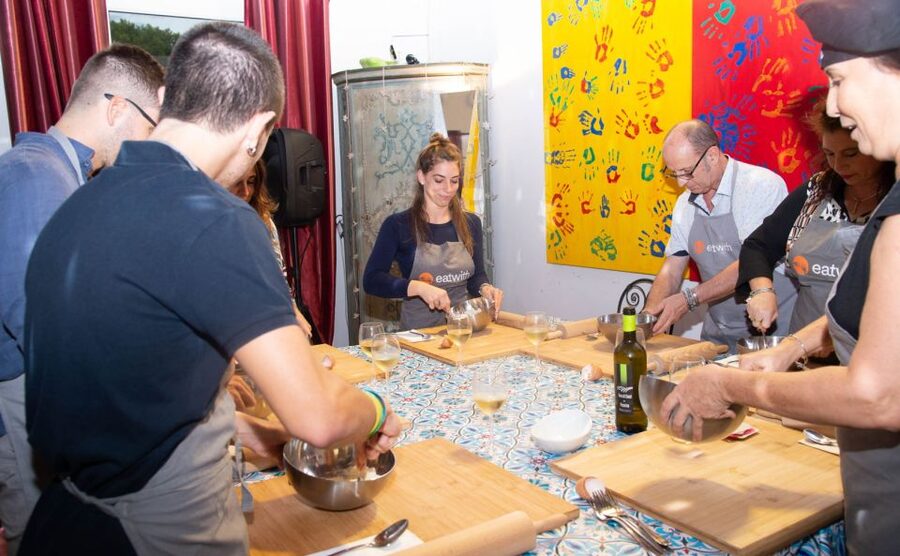
You’ll have complementary wine during the class, including sparkling wine, plus soft drinks.
What’s worth your attention is how the wine fits the evening. It’s not an afterthought. It’s part of the shared pace while you cook, taste, and learn. That makes it feel social rather than strict.
Based on how the evening is run, you should expect a steady flow throughout the session. It’s one of those experiences where the drink doesn’t turn into the point—it turns into the atmosphere.
One good idea: if you plan to walk afterward, keep a lighter touch. Rome nights are made for strolling, and you’ll want your legs for it.
Recipes by Email: Turning a Fun Night into Skills You Can Use
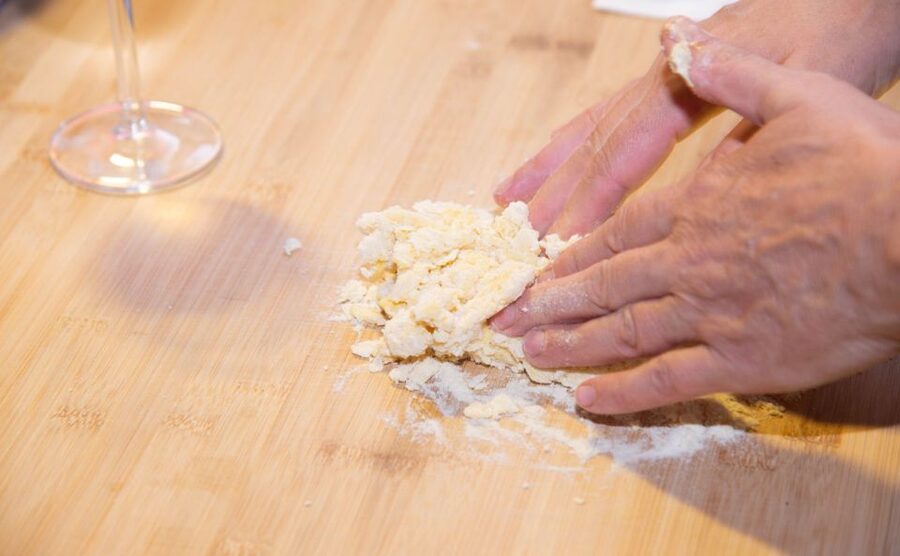
A big win here is that your effort doesn’t end when the meal ends.
You’ll receive the recipes via email. That means you can take the core ideas home, not just the taste memory.
For me, this is the difference between a class that’s fun and a class that actually pays back. Cooking is a skill. Having the recipe helps you repeat the result when you’re not standing in someone’s home kitchen with their explanations in the air.
If you love the idea of cooking one or two “Roman” dishes at home—fettuccine with sauce, ravioli fillings, or classic tiramisù—this is the kind of souvenir that does something.
Who This Cooking Class Is Best For (and Who Might Prefer Something Else)
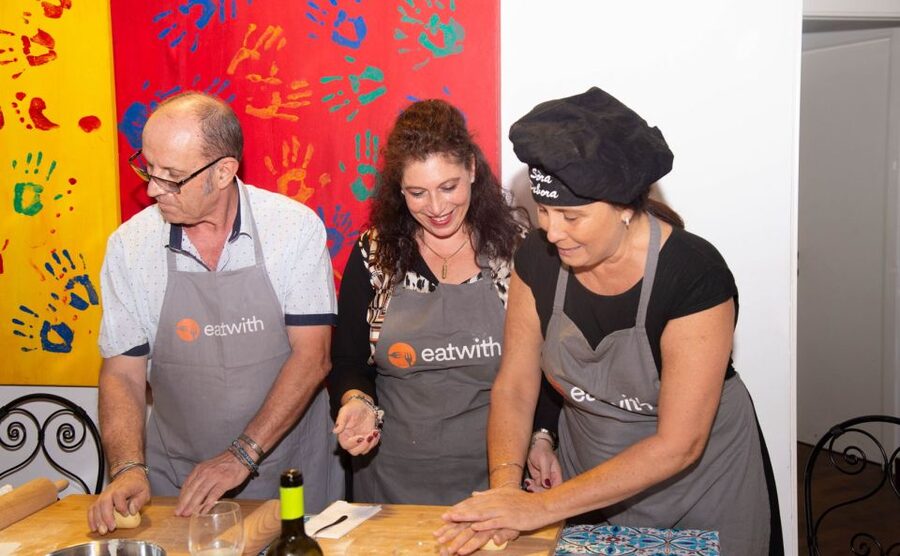
This is a good fit if you:
- want a more personal Rome evening than a standard restaurant meal
- enjoy learning food skills, even if you’re a beginner
- like the idea of cooking with locals in a home setting
- want dinner plus wine included, in one package
It may be less ideal if you:
- need a strict schedule with no flexibility (you’ll be with hosts for about 4.5 hours)
- strongly prefer eating out rather than cooking
- can’t make your way to the meeting point on Gianicolo Hill (since there’s no hotel pickup)
Also, communicate any food restrictions ahead of time. The hosts ask you to let them know about allergies or special diets so they can plan.
Price and Value: Is $82.63 Worth It in Rome?
At $82.63 per person, you’re paying for more than ingredients.
You’re paying for:
- hands-on instruction from local hosts
- a full meal experience, including courses beyond just one dish
- complementary wine (including sparkling wine) and soft drinks
- time in a real home kitchen with a true social dinner format
In practical terms, you’re bundling what often costs separately in Rome: a guided experience, a proper dinner, and drinks. The no-pickup factor keeps the price reasonable because you’re handling your own arrival.
If you value learning something you can recreate—especially with recipes sent to you afterward—this feels like a strong value play.
Quick Practical Tips for a Smooth Cooking Night
A few small steps will make your evening smoother:
- Plan to arrive early enough to find the apartment and ring the bell without stress.
- Let your hosts know about food restrictions ahead of time.
- Wear shoes you can stand in comfortably, since cooking and moving around a kitchen usually means more standing than you expect.
- If you’re mixing wine with cooking, pace yourself so you still enjoy the rest of your night in Rome.
Should You Book This Pasta and Tiramisu Class?
Book it if you want a Rome experience that’s hands-on, social, and centered on real food—made in a home with Debora and Fiamma, with wine included and a dinner you’ll actually taste immediately.
Skip it if you mainly want a quick meal or you don’t want to travel to Gianicolo Hill on your own. This experience rewards curiosity and a relaxed attitude.
If you fit the sweet spot—food-first, learning-friendly, and okay with a slightly tricky meeting spot—this is exactly the kind of evening you’ll talk about long after you’ve left.
FAQ
How long is the cooking class?
The experience lasts about 4.5 hours.
What dishes will I make in the class?
You’ll make traditional tiramisù first, then learn to make fresh pasta such as fettuccine and ravioli from scratch.
What’s included with the price?
Wine (including sparkling wine) and soft drinks are included, along with dinner and local hosts who guide the cooking.
What kind of dinner menu will we have?
You’ll enjoy bruschetta as an aperitif, main courses such as fettuccine all’Amatriciana, ravioli with ricotta and spinach, and polenta with 4-cheese sauce, then tiramisù for dessert.
Is hotel pickup and drop-off included?
No, hotel pickup and drop-off are not included.
Where do I meet the host?
Meet at the apartment located between Bar Gianicolo and the restaurant Antico Arco. There’s no name on the bell, so you should ring.
Will the class be taught in English?
Yes. The host or greeter speaks English and Italian.
What should I do if I have food allergies or dietary needs?
Let your host know ahead of time about any food restrictions, including allergies or special diet needs.
Can I pay later or cancel?
The experience offers reserve now & pay later and free cancellation up to 24 hours in advance for a full refund.