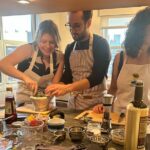
REVIEW · NEW YORK CITY
Chinese Dumplings Cooking Class in NYC – Fun & Delicious!
Book on GetYourGuide →Operated by URBAN PASSER INC. · Bookable on GetYourGuide
Dumplings are comfort food with a purpose. This Chinese Dumplings Cooking Class in NYC turns a simple meal into a taught skill, with an expert chef guiding the process and the meaning behind it.
What I liked most: the class feels intimate—you’re not stuck watching from the sidelines. You get real instruction, and it also comes with culture talk, not just recipes.
My only caution is the price. At $117 per person and taught in English, it’s a splurge you’ll feel more if you’re only there for the food and not the hands-on learning.
In This Review
- Key Highlights You’ll Actually Care About
- Chef-Led Dumpling Making in NYC: What You’re Signing Up For
- The Classroom Vibe: Intimate, English-Friendly, and Not Awkward
- Who’s Involved: Expert Chef, Plus Owen and the Teacher
- How the Dumpling-Making Process Usually Plays Out (And What to Watch For)
- 1) Getting oriented and learning the core technique
- 2) Hands-on practice, with real coaching
- 3) Folding and shaping with attention to sealing
- 4) Cooking and tasting what you made
- Why the Cultural Context Changes the Meal
- Price and Value: Is $117 Worth It?
- What This Class Is Best For (And What It Isn’t)
- Practical Tips Before You Go
- Should You Book This Chinese Dumplings Cooking Class in NYC?
- FAQ
- Where is the Chinese Dumplings Cooking Class located?
- How much does the class cost?
- What language is the class taught in?
- Who provides the experience?
- Is there a way to reserve without paying immediately?
- What is the cancellation window for a full refund?
- What can I learn during the class?
- Is there an expert chef involved?
- Who will I meet during the experience?
- What is the rating for this experience?
Key Highlights You’ll Actually Care About
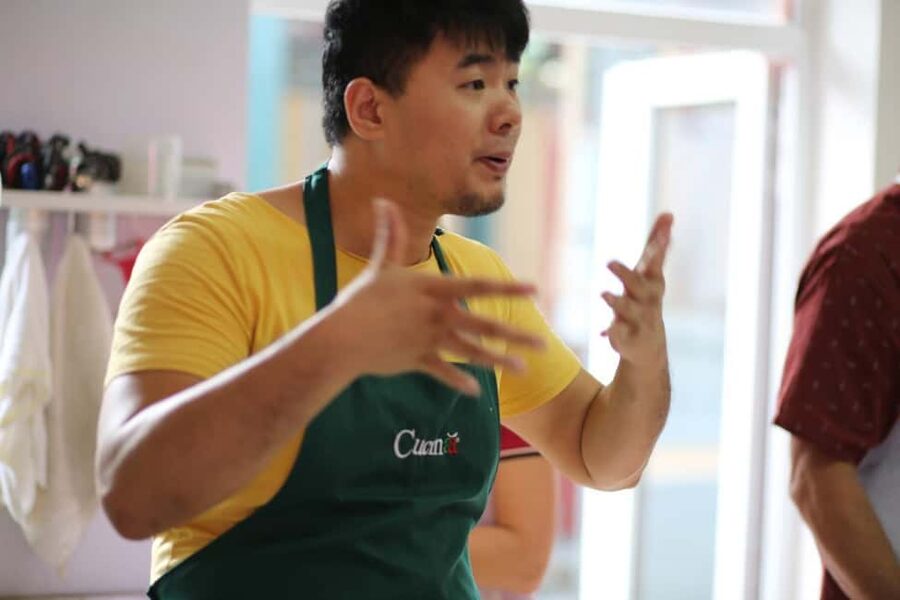
- Owen and the teacher add warmth: you’ll be guided like someone’s being welcomed in for dinner, not like you’re lining up for a demo.
- Expert-chef instruction: you learn traditional dumpling-making techniques with coaching during the process.
- Culture in the room: the class connects dumplings to Chinese cultural context, so you leave knowing more than how to fold.
- You produce edible results: the dumplings you make come out delicious, which matters in any cooking class.
- Small, friendly feel: the experience is described as informative and personal, not mass-market and rushed.
Chef-Led Dumpling Making in NYC: What You’re Signing Up For
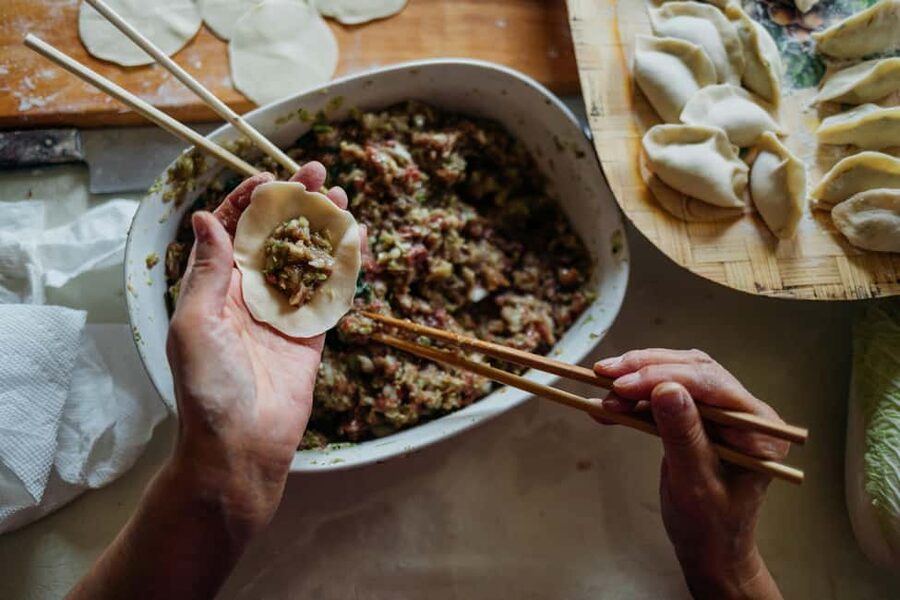
This is a hands-on Chinese dumplings cooking class in New York, led by an expert chef. The focus isn’t just on eating. It’s on learning the traditional techniques behind crafting dumplings—how to form them, how to handle the dough or filling (the process is taught end-to-end), and why this food carries meaning far beyond the plate.
One thing I appreciate right away is the pairing of technique and context. You’re not only being taught a task. You’re also getting the cultural significance that makes the task feel real. That combo tends to stick with you long after the last dumpling is gone.
And yes, you’re going to eat what you make. That sounds obvious, but it’s not guaranteed in every cooking class. Here, the takeaway is simple: you get results you can be proud of, and you leave satisfied.
You can also read our reviews of more tours and experiences in New York City.
The Classroom Vibe: Intimate, English-Friendly, and Not Awkward
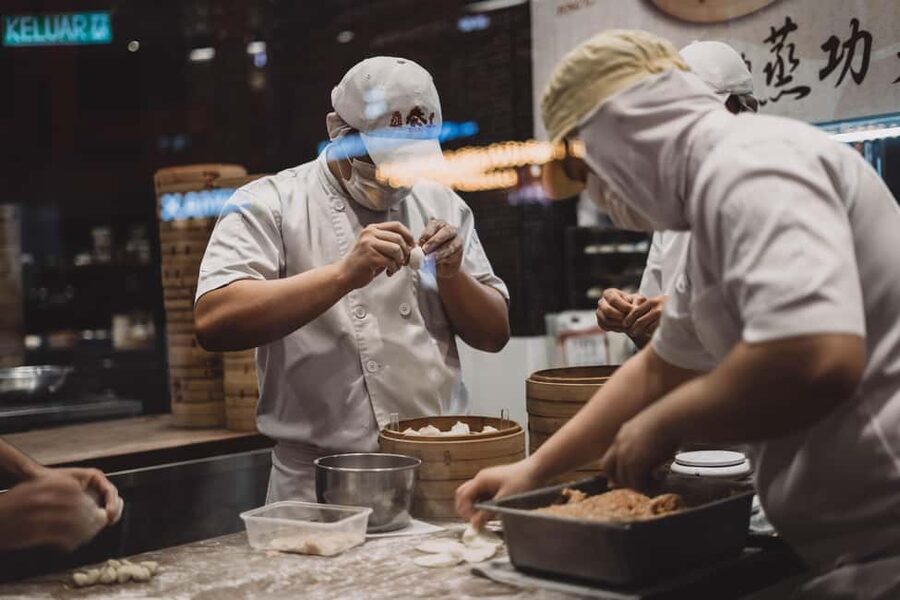
This class is listed with English as the language, so it’s set up for clear explanations and back-and-forth questions. If you’re comfortable in English, you’ll likely enjoy the flow. If English is your weak spot, you might still follow the physical steps, but you’ll miss some of the cultural context and chef coaching.
The other big factor is the tone. The experience is described as intimate and welcoming—more like being invited in than standing around. That matters because dumpling making rewards attention. If you’re relaxed and not worried about doing it wrong, you’ll practice longer and get better folding and shaping.
In a class like this, that comfort factor can be the difference between rushing through steps and actually learning. And since you’ll be forming dumplings yourself, that learning mindset pays off.
Who’s Involved: Expert Chef, Plus Owen and the Teacher
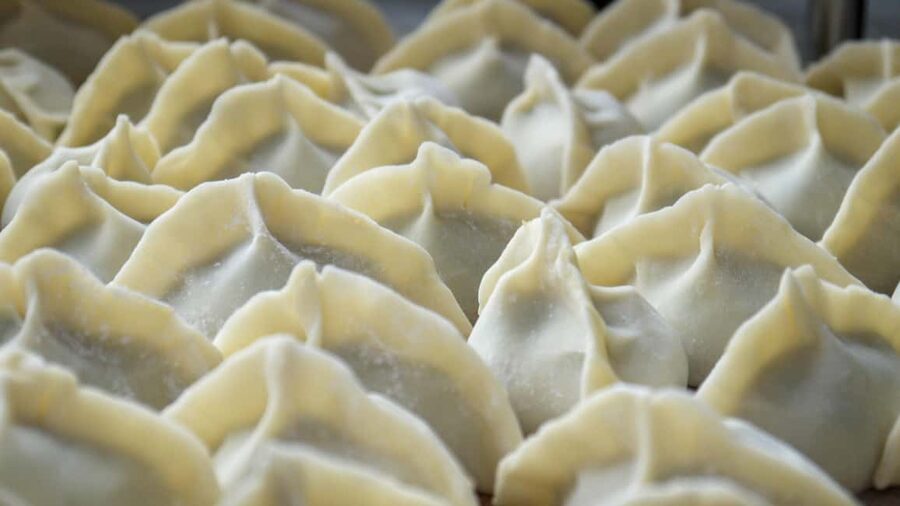
The class is led by an expert chef, and you’ll also spend time with Owen and the teacher. The best part, according to multiple people who did the class, was meeting Owen and the teacher—meaning they’re not just “present.” They guide the mood and help make the whole session feel personal.
Here’s what that usually means for you: instruction won’t feel like a one-way lecture. You’ll get direction while you work. And because the class connects to Chinese culture, the people guiding you likely explain what you’re doing and why it matters, not just how to copy a method.
In short: if you enjoy classes where you can ask questions and get feedback, this format is built for you.
How the Dumpling-Making Process Usually Plays Out (And What to Watch For)
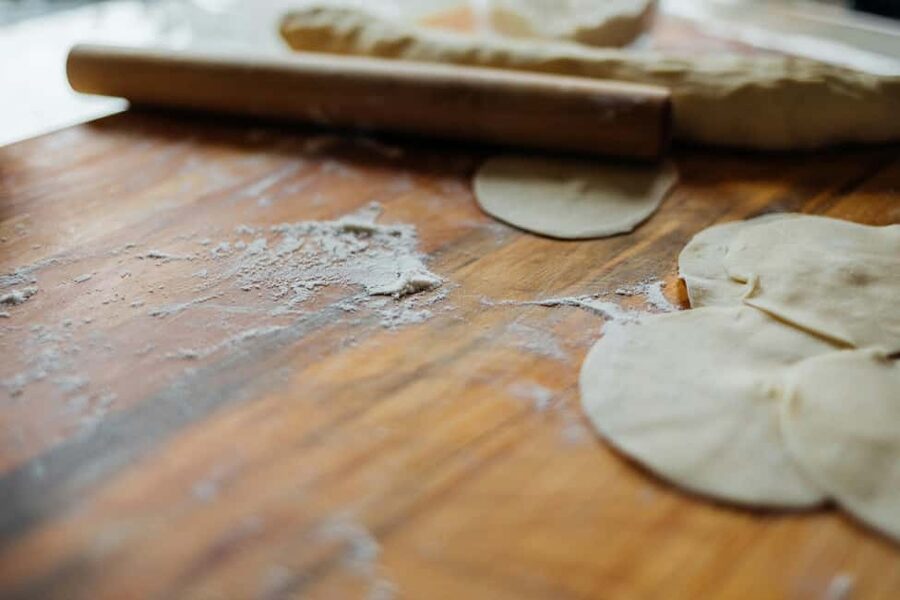
Even without a listed step-by-step schedule, the way dumpling classes typically work—and what this class is described to deliver—adds up to a pretty clear flow: you learn, you practice, and then you eat your results.
Here’s the practical rhythm you can expect:
1) Getting oriented and learning the core technique
You start with instruction on traditional dumpling making. That’s the real value here. You’re not just assembling finished components. The goal is teaching technique—how to handle the materials and build dumplings in a way that actually works.
Watch for the coaching cues. In good dumpling instruction, the details are everything: how you portion, how you seal, and how you shape so they hold together.
2) Hands-on practice, with real coaching
This is where an intimate class matters. You’ll have time to practice the moves while someone knowledgeable corrects your form. That’s how you get from tentative first attempts to dumplings that look better and cook better.
If you’ve ever tried dumpling-making at home without guidance, you know how quickly it can turn into a sticky mess. In a guided class, you’re more likely to learn the version that works.
3) Folding and shaping with attention to sealing
The folding is the signature part. It’s also where most people need feedback. The best approach is to slow down. Focus on making the seal secure and the shape consistent enough to cook properly.
This class is about traditional technique, so don’t treat it like a casual craft. Think of it as a cooking skill that takes a few tries to get right.
4) Cooking and tasting what you made
The result matters. Multiple people rate the class highly because the dumplings they made were delicious. That’s a huge marker of value—when you finish feeling proud instead of disappointed.
When you taste your dumplings, pay attention to texture and flavor. If the chef taught technique well, you’ll notice how small adjustments change the final bite.
Why the Cultural Context Changes the Meal
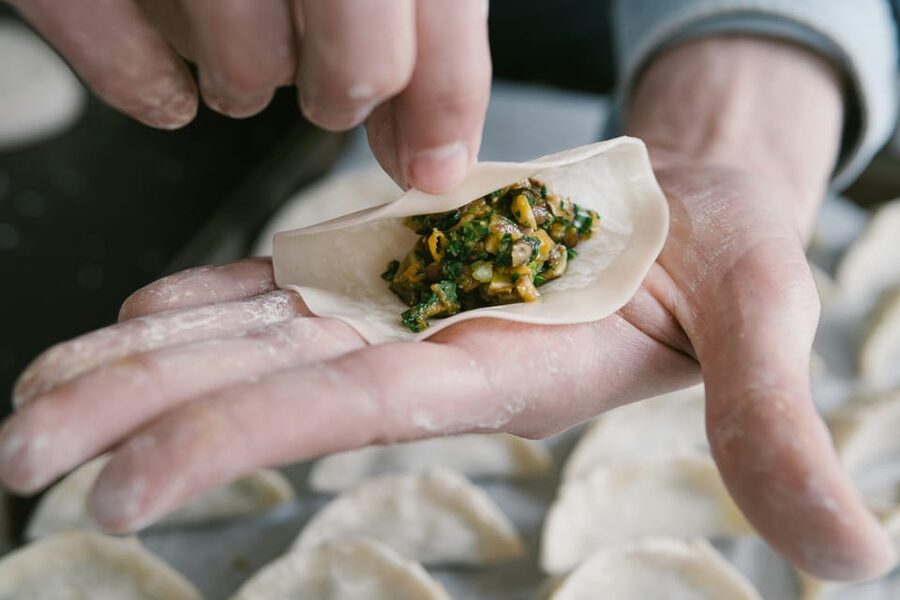
A lot of cooking classes stop at: here’s the recipe, good luck. This one adds another layer. People described learning Chinese culture along with the dumpling-making process.
That means you’ll likely understand dumplings in a broader way—how they connect to tradition, household cooking, and shared meals. Even if you don’t remember every fact, you’ll leave with context that makes the food feel less like a novelty and more like something living.
For your next dinner at home, that matters. You’re not just cooking dumplings because it’s trendy. You’re cooking them because you understand the tradition behind them.
And honestly, it’s also more fun while you’re there. When you know why something matters, you pay attention better, and the whole session feels more meaningful.
Price and Value: Is $117 Worth It?
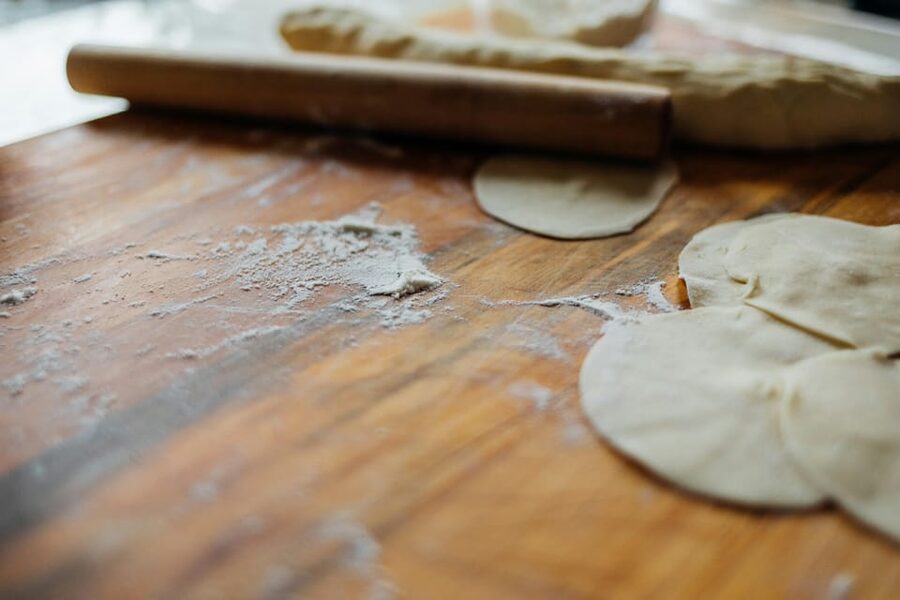
Let’s talk money without the hand-waving. $117 per person is not cheap. It’s in the “planned activity” range, not the “quick cheap bite” range.
So is it worth it? Here’s how I’d judge it based on what you actually get:
- You learn a real skill: dumpling making with instruction and feedback is the core product.
- You get culture context: you’re not only consuming food; you’re learning meaning.
- You eat the results: the finished dumplings are described as delicious, which is exactly what you want after an interactive class.
- You’re guided by people, not a slideshow: Owen, the teacher, and the expert chef shape the experience in a more personal way.
If you want a hands-on class where you can actually take something home—knowledge, technique, confidence—then the price can make sense.
If you’re only in NYC for a low-cost meal experience, this might feel steep. But if you like cooking, or you’ve wanted to learn dumplings for a while, this is the kind of activity that earns its fee.
What This Class Is Best For (And What It Isn’t)
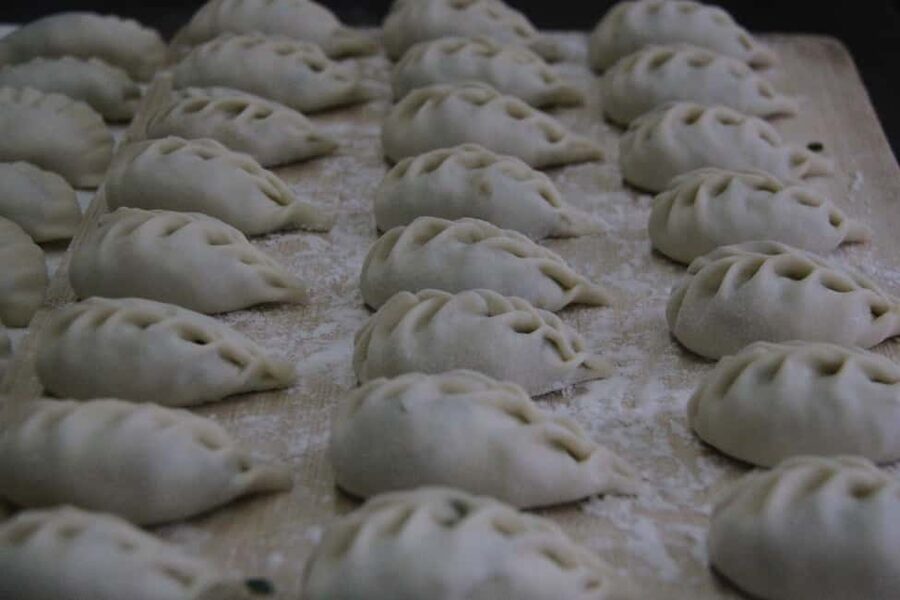
This experience suits you if you’re:
- A food person who learns by doing
- Someone who wants a fun NYC activity that’s not just sightseeing
- Traveling with a friend and you want a shared, practical skill you can repeat later
- Interested in Chinese culture beyond surface-level interest
It might not suit you as well if:
- You’re hoping for a cheap snack stop
- You don’t care about technique and only want a meal
- You prefer non-English instruction (the class is English)
The upside is that dumpling making is forgiving in a fun way. Even if your first dumplings aren’t perfect, the process is still enjoyable when teaching is solid.
Practical Tips Before You Go
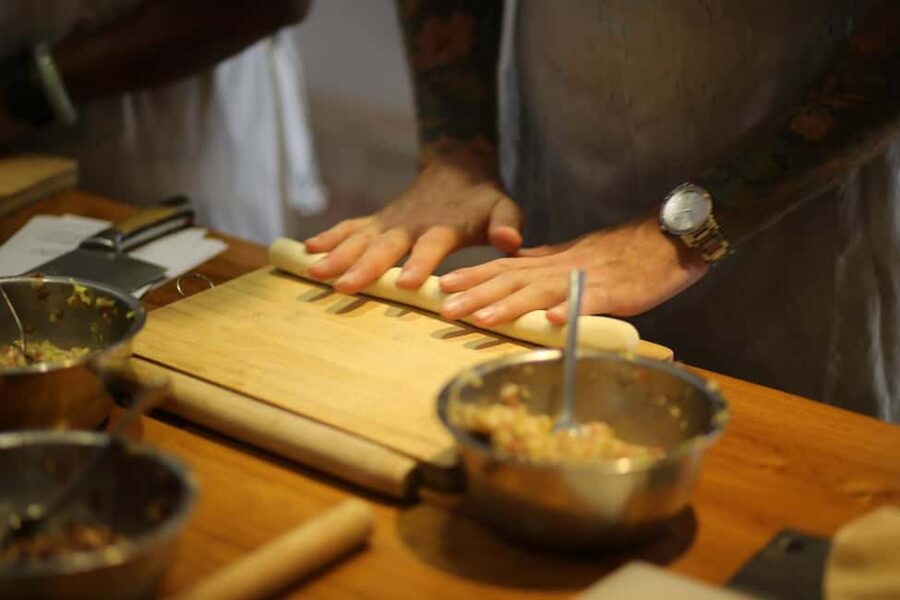
Here’s how to make the most of this kind of class, based on what the format clearly emphasizes:
- Arrive ready to get your hands involved. If you’re thinking of taking photos for most of the time, you’ll miss the learning part.
- Bring a good appetite. You’re making dumplings, then you’re eating them. Plan to be ready for a meal-level experience.
- Ask questions early. In an intimate setting, questions tend to get answered better than in large groups.
- Wear something comfortable. Dumpling making can get messy, even in a well-run kitchen environment.
If you keep expectations realistic—learn a method, practice folds, eat your results—you’ll leave happy.
Should You Book This Chinese Dumplings Cooking Class in NYC?
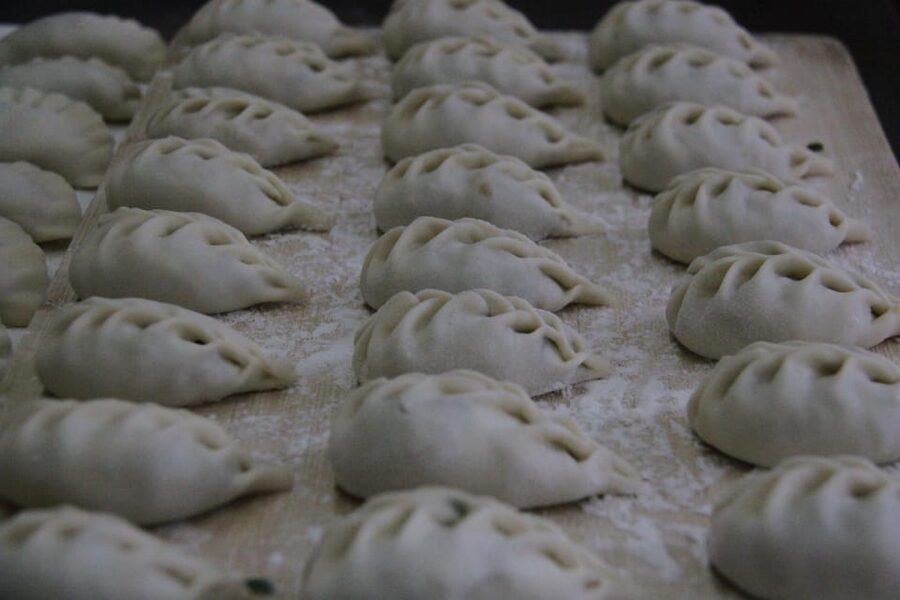
I’d book it if you want a fun, hands-on NYC activity that combines technique with cultural context, and you’re okay spending $117 for a chef-led learning experience. The most convincing part is the personal, welcoming vibe, plus the fact that the dumplings you make are described as delicious—so you don’t leave hungry or disappointed.
Skip it if you’re strictly budget-first, or if English instruction would make the cultural and coaching parts frustrating. This class is built around learning with your brain and your hands, not just tasting quietly in the corner.
If you’re the type who likes taking home a skill (not just photos), this one fits.
FAQ
Where is the Chinese Dumplings Cooking Class located?
It’s in New York (State), United States.
How much does the class cost?
The price is $117 per person.
What language is the class taught in?
The class is taught in English.
Who provides the experience?
The experience provider is URBAN PASSER INC.
Is there a way to reserve without paying immediately?
Yes. It offers Reserve & Pay Later, meaning you can book your spot and pay nothing today.
What is the cancellation window for a full refund?
You can cancel up to 24 hours in advance for a full refund.
What can I learn during the class?
You’ll learn traditional dumpling-making techniques and the cultural significance behind crafting dumplings.
Is there an expert chef involved?
Yes. The class is led by an expert chef.
Who will I meet during the experience?
You’ll spend time with Owen and the teacher, alongside the expert chef.
What is the rating for this experience?
The experience has a 5/5 rating based on 4 reviews.