REVIEW · ROME
Private Cooking Class in the Heart of Rome 3 types of Pasta and Wine
Book on Viator →Operated by Roma Gourmet Experience · Bookable on Viator
Pasta night gets serious in Rome. This private, English-language class is built around real Italian technique—handmade pasta with guidance from chef Christian—and then you eat what you make with classic Roman flavors and Italian wine.
I love the hands-on pacing: you get step-by-step help with dough and the pasta making machine, so the methods feel doable at home. I also love the payoff meal, built from multiple dishes made with your group, plus bruschetta, wine (for those 18+), water, bread, and homemade dessert. One watch-out: the cooking venue isn’t always where you might assume from the name, since the kitchen location can shift during facility updates.
In This Review
- Key highlights worth your time
- Meet Chef Christian and build Rome’s pasta skills
- Fettuccine, gnocchi, and cavatelli: what you’ll actually learn
- Santa Maria in Trastevere: why the start feels like Rome
- From Trastevere vibes to the kitchen near Appia Antica
- Your full meal: bruschetta, sauce choices, wine, dessert
- Wine pairing and the 18+ rule that keeps it simple
- Private, family-friendly, and made for asking questions
- Price and value at $94.92 per person
- Practical tips before you go (so you enjoy it more)
- Should you book this Rome pasta-and-wine class?
- FAQ
- How long is the cooking class?
- Is this class private?
- What types of pasta will I make?
- Is there a gluten free option?
- Is the class taught in English?
- Is wine included?
- What is included in the meal?
- Where do I meet, and where does it end?
- Can I get a full refund if I cancel?
Key highlights worth your time
- Chef Christian teaching technique, not just recipes, including machine use for pasta.
- Three pasta styles on the menu: fettuccine, gnocchi, and cavatelli.
- You eat your work: bruschetta starter, multiple first courses, plus dessert.
- Dietary flexibility, including a gluten free option (and other accommodations).
- Wine with rules: a glass is included, but alcohol is only served to adults 18+.
- A private setup: only your group participates, with the chance to ask questions easily.
Meet Chef Christian and build Rome’s pasta skills
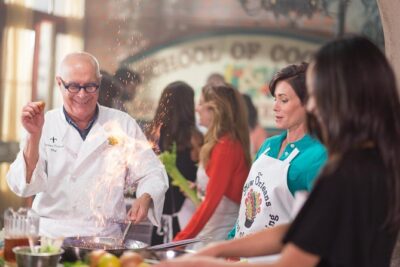
If you want Rome food culture without the guesswork, this is a smart way in. You’re working with a real local chef who can explain technique in plain terms, and you’re not stuck translating ingredients or timings on your own.
The “private” part matters more than it sounds. In a one-group setting, you can ask questions as you go—like what the dough should look and feel like before you run it through the machine—and you can adjust your pace to your comfort level.
You can also read our reviews of more tours and experiences in Rome.
Fettuccine, gnocchi, and cavatelli: what you’ll actually learn
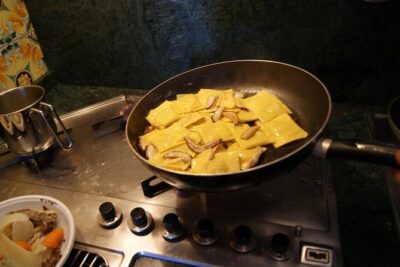
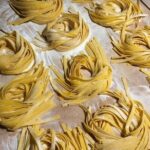
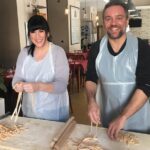
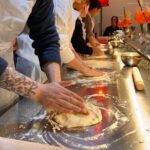
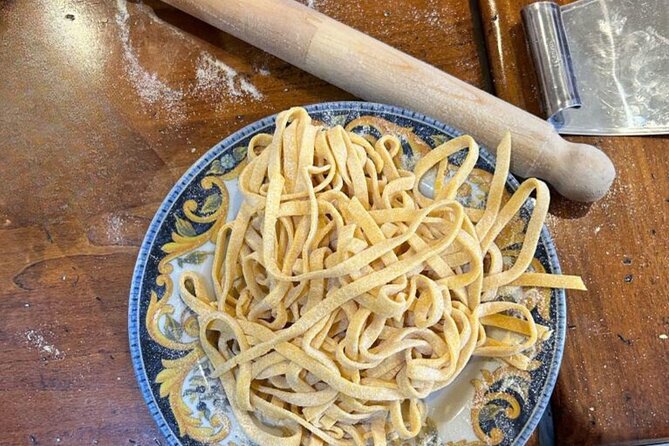
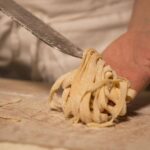
The class centers on handmade pasta character—texture, thickness, and how sauce clings (or doesn’t). You’ll do a workshop focused on fettuccine and gnocchi, with guidance on using the pasta making machine and shaping methods that keep the final result tender, not rubbery.
Then your meal expands into more pasta variety, including cavatelli as part of the served first courses. Even if you’re most excited by one type, that range helps you understand how different pasta shapes pair with different sauces and dressing choices.
Here’s what tends to stick after a good pasta lesson: you learn what to look for during the process. Dough consistency, how to handle it, and timing for cooking are the difference between a decent attempt and a satisfying dinner at home. This format pushes you toward that understanding, not just memorizing a recipe.
Santa Maria in Trastevere: why the start feels like Rome
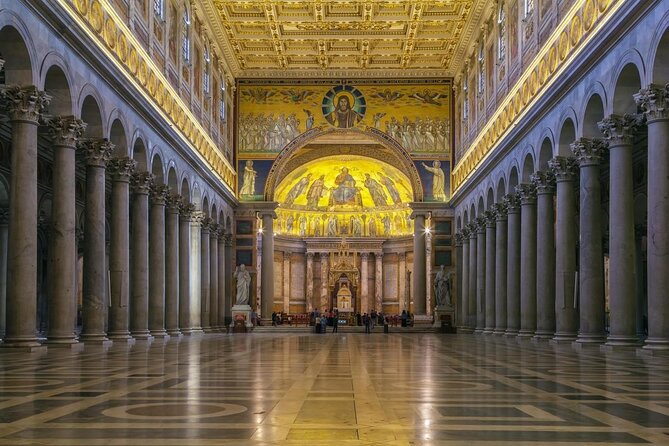
The experience includes a stop at the Basilica di Santa Maria in Trastevere. Even without turning it into a long church tour, that location puts you in the right mood for a food-centered afternoon—Roman neighborhood energy mixed with old-world permanence.
You also get Trastevere as part of the flow. Trastevere is one of those districts where food feels local and everyday rather than staged. Having that neighborhood context before you cook helps the meal make sense afterward—you’re eating what the city does best, not just tasting dishes in a vacuum.
One practical upside: a chef-led discussion about local food culture and history can make the ingredients feel more personal. In the feedback I read, chef Christian chatted about local history and trip experiences, which is a nice way to keep the time lively while staying focused on cooking.
From Trastevere vibes to the kitchen near Appia Antica
This is where you should manage expectations. The program name leans toward the historic “heart of Rome” idea, but the cooking location can shift depending on facility updates. In at least one case, the kitchen moved and someone described a roughly 30-minute ride (Uber) out from the city center.
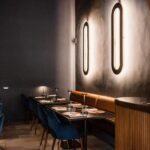
The good news: the venue replacement is often a comfort upgrade. When the new space is ready, you’re in a larger, more comfortable kitchen setup, and it’s inside the Appia Antica Archaeological Park area. That setting won’t replace Trastevere as your first impression, but it can make the cooking portion feel calmer and easier to focus in.
If you’re planning around location, I suggest you treat the cultural stops (Santa Maria in Trastevere and Trastevere) as the “Rome warm-up,” and the meal-making as the main event happening at the kitchen site. That mental model keeps you from feeling surprised if the route differs from what you imagined.
Your full meal: bruschetta, sauce choices, wine, dessert
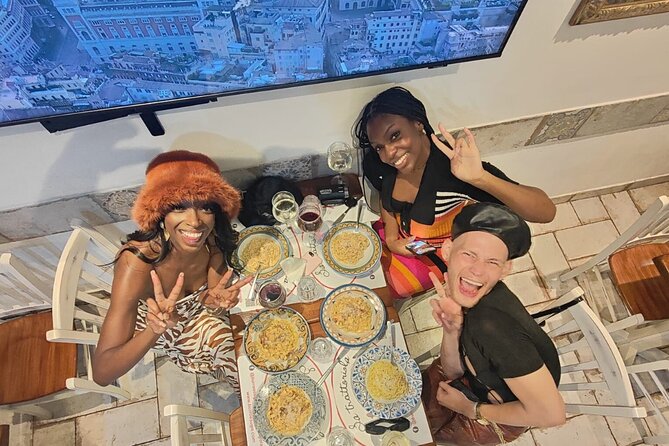
This class is built to end with you full, not just inspired. The meal includes two bruschettas as a starter, then multiple first courses—fettuccine, gnocchi, and cavatelli—dressed with choices among traditional Italian sauces.
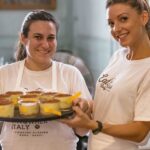
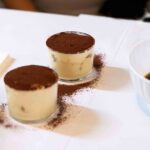
You’ll also have a glass of wine included along with water, bread, and a homemade dessert of your choice from the day’s proposals. That combination is exactly what you want after pasta-making: something crunchy and bright upfront, comforting carbs in the middle, then a sweet finish.
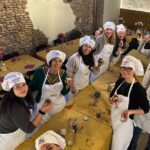
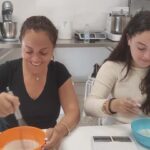
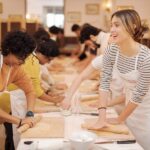
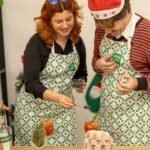
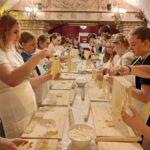
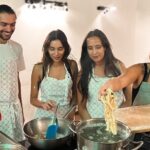
One detail I really like: you aren’t just watching or sampling. The structure is set up so your group makes the pasta and then serves it as part of the shared meal. It’s a bigger payoff than classes where most of the “real cooking” happens off-camera.

Wine pairing and the 18+ rule that keeps it simple
Wine is included, but Rome’s legal drinking age matters here. If you haven’t reached Italy’s 18-year age requirement, you won’t be served alcoholic beverages.
That policy makes the experience smoother for mixed groups and families. You still get the restaurant-style meal flow, but everyone follows the same boundaries without awkward logistics.
From a value standpoint, the wine inclusion is part of why this works as more than a cooking demo. You’re pairing what you made with a drink that fits the meal rhythm—starter, first course, then dessert—so the afternoon feels like an authentic sit-down rather than a snack-and-run activity.
Private, family-friendly, and made for asking questions
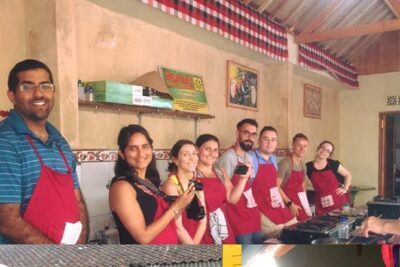
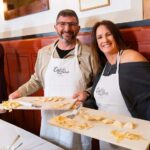
This is a private tour/activity, meaning only your group participates. For couples, that privacy is gold: less waiting, more personal pacing, and more time to ask why something works instead of just how to do it.
Families also tend to appreciate this format. One review I read specifically called out that kids (ages 12 and 14) enjoyed learning pasta from scratch, and the class stayed hands-on enough that younger helpers weren’t stuck watching.
If you’re traveling with dietary needs, this setup has another advantage: chef Christian can make accommodations, including a gluten free course, and vegetarian adjustments are mentioned as possible too. That matters because it’s often the sauces, dough add-ons, and timing that create issues—so being able to plan around them in advance helps.
Price and value at $94.92 per person
At $94.92 per person, you’re paying for three things: a chef-led skill session, a private group experience, and a meal that includes multiple courses plus wine. If you compare this to a cooking class that only covers one pasta type and ends with simple tasting portions, this one offers more “eat-what-you-made” value.
The other value lever is instructional time. You get around 2 hours of active teaching and workshop work, then you stay for the full meal service (all in about 2 hours 30 minutes total). That’s not a quick class where you’re done before you learn the useful parts.
Is it the cheapest option in Rome? No. But if your goal is to leave with technique you can reproduce—especially machine-based pasta steps—this price starts to look reasonable.
Practical tips before you go (so you enjoy it more)
First, come hungry. The meal includes multiple first courses plus bruschetta, bread, water, and dessert, and pasta-making naturally makes you work up an appetite.
Wear practical clothes. You’ll be handling dough, flour, and utensils, and the process can get a little messy—better to dress for it than to worry about “nice” outfits.
If you’re using the pasta machine steps you’ll learn, here’s the mindset that helps: focus on dough feel and thickness consistency rather than speed. Once you get that right, cooking timing becomes easier and sauces taste better because your pasta texture is closer to what you expect.
Lastly, consider that there may be a location change from what you initially pictured. If you’re scheduling other plans that depend on where you’ll be at the end of the day, build in some flexibility for transit between the cultural area and the kitchen site.
Should you book this Rome pasta-and-wine class?
Book it if you want a hands-on lesson that ends with a real meal. I’d especially recommend it for food lovers who learn best by doing—rolling dough, shaping gnocchi, and working through sauce decisions at the table.
Skip it (or think carefully) if you’re locked into the idea that everything happens in the immediate historic Trastevere area. The class can shift kitchens during upgrades, so the cooking location may be farther than you expect, even if the Rome storytelling and stops remain part of the experience.
If you want a private setting, clear chef guidance in English, and a chance to take pasta-making skills home (not just pictures), this is a strong fit.
FAQ
How long is the cooking class?
The experience lasts about 2 hours 30 minutes.
Is this class private?
Yes. It’s private, and only your group participates.
What types of pasta will I make?
You’ll learn and make pasta including fettuccine and gnocchi, and the meal includes cavatelli as well.
Is there a gluten free option?
Yes. A gluten free course is available, and accommodations are offered for dietary requirements.
Is the class taught in English?
Yes, the experience is offered in English.
Is wine included?
Yes. The meal includes a glass of wine, but alcoholic beverages are only served to guests who are 18 or older in Italy.
What is included in the meal?
You’ll have two bruschettas, three first courses (fettuccine, gnocchi, and cavatelli) with traditional sauce dressing choices, plus water, bread, and a homemade dessert of your choice.
Where do I meet, and where does it end?
You meet at Via Ardeatina, 237, 00179 Roma RM, Italy, and the activity ends back at the meeting point.
Can I get a full refund if I cancel?
Yes. You can cancel up to 24 hours in advance for a full refund. If you cancel less than 24 hours before the start time, the amount paid is not refunded.