REVIEW · SINGAPORE
Peranakan Cooking Class in Singapore, near Lavender MRT Station
Book on Viator →Operated by Traveling Spoon · Bookable on Viator
Smell the spices, then make them yourself. In a private Peranakan cooking studio near Lavender MRT, I love the hands-on approach with Chef Colin (or his colleague) so you cook 2–3 dishes and eat lunch on the spot. It’s a smart way to taste Singapore through Peranakan, the Malay-Chinese fusion that shaped what people eat today.
One thing to plan for: the menu can change based on who’s hosting and what’s available seasonally. If you care about a specific dish, request it during booking so you’re not surprised.
In This Review
- Key highlights worth your time
- Peranakan fusion cooking in a private studio near Lavender MRT
- Meeting on Crawford Lane: bicycles first, then the cooking studio
- Inside the hands-on cooking class: what you actually do for 1.5 hours
- Dishes you may cook: ngoh hiang, Nyonya kueh dadar, and more
- Menu choices and Nyonya Laksa requests: how to avoid disappointment
- Lunch is part of the lesson: eating what you made with your host
- Price and value: is $128 per person a good deal?
- Timing, transport, and what to wear
- Who should book this Peranakan cooking class?
- Should you book it?
- FAQ
- FAQ
- How long is the Peranakan cooking class?
- Is the class private or shared?
- Where is the meeting point?
- Who hosts the class?
- Can I request specific dishes like Nyonya Laksa?
- Are vegetarian or gluten-free options available?
- Does the price include hotel pickup?
Key highlights worth your time
- Private cooking studio class where you’re cooking, not just watching
- Chef-led, hands-on instruction with step-by-step guidance
- Cook 2–3 classic dishes and then eat your lunch together
- Flexible menu requests including vegetarian and gluten-free options on request
- Easy neighborhood base near Lavender MRT for a smooth start to your day
Peranakan fusion cooking in a private studio near Lavender MRT
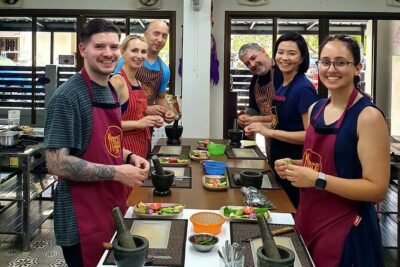
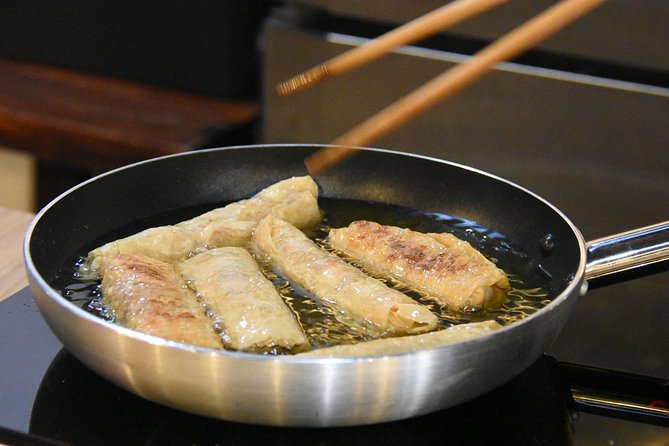
Peranakan food is Singapore comfort food with a twist. It grew from Malay and Chinese roots into something distinctly local, often called Nyonya cooking. In this class, you don’t just read about it—you’re at the counter doing the real work: mixing, wrapping, grating, pan-frying, and tasting as you go.
What makes this experience feel genuinely worth it is the setup. You’re in a private studio with a professional chef, not a crowded cooking demo. That means you can ask questions, adjust the way you’re cooking, and actually finish with dishes you made yourself.
I also like that the focus stays practical. The class doesn’t treat Peranakan cuisine like a museum exhibit. You learn how the flavors are built—sweet, savory, aromatic, and spicy—through the dishes you’re preparing for lunch.
You can also read our reviews of more tours and experiences in Singapore.

Meeting on Crawford Lane: bicycles first, then the cooking studio
The start point is Crawford Lane (Crawford Ln, Singapore) with a 10:00 am start time. You’ll meet at the bicycle shop area, and yes, you’ll literally walk past bikes before you enter the well-lit cooking space.
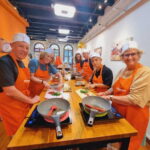
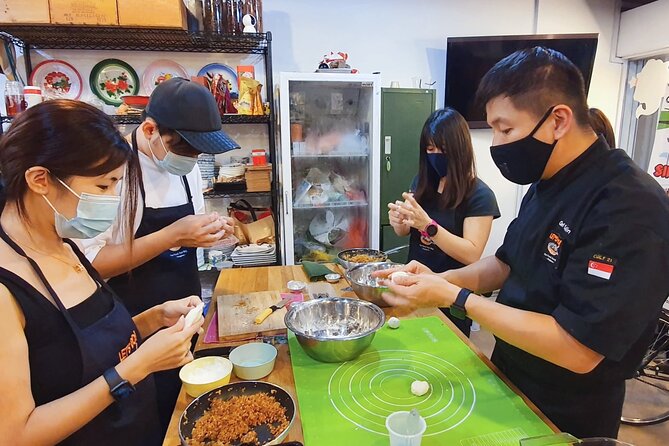
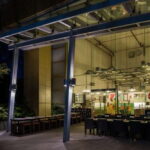
Once inside, the studio is described as organized and easy to work in, with colorful touches like pastel pots and a mural. That matters more than you might think. When you’re chopping, mixing, and handling sauces, you want a clean work surface and a calm layout—this space is built for that.
Also, this runs as a private activity for your group only. If you’re the type who wants your own pace (or you don’t love being shoulder-to-shoulder in shared classes), that’s a big plus.
You should plan on the whole experience taking about 3 hours total, with about 1.5 hours hands-on. The rest of the time is for settling in, listening, cooking flow, and eating.
Inside the hands-on cooking class: what you actually do for 1.5 hours
The heart of the experience is the hands-on Singapore cooking class. Your host demonstrates some steps first, then you take over for the parts where technique really matters.
In a Peranakan class, a lot of the learning is in the small moves: how thick to keep a batter, how to roll without tearing, how to balance seasoning, and when to stop cooking so it doesn’t go dry or bland. Since you’re preparing multiple dishes, you get variety without feeling scattered.
A typical flow looks like this:
- You’ll get a short orientation and watch key steps from the chef.
- You’ll then handle the prep and cooking for the dishes together.
- You’ll taste, adjust, and continue until your portion is ready.
- Then you eat the lunch you made with your host.
Your host is Colin when he’s available. When Colin isn’t, his colleague hosts the class (the experience notes that the menu may vary in those cases). Either way, you’re working with a chef who can explain what you’re doing and why it matters.
Dishes you may cook: ngoh hiang, Nyonya kueh dadar, and more
Most classes like this claim hands-on. Here, you can expect to cook real dishes that represent Peranakan flavors. The experience includes learning to make 2–3 Singaporean dishes, and the menu can include choices such as:
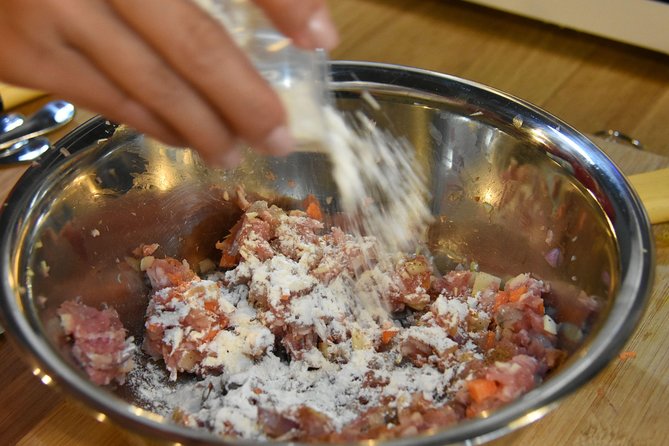
- Ngoh hiang: minced meat and vegetables wrapped in bean curd
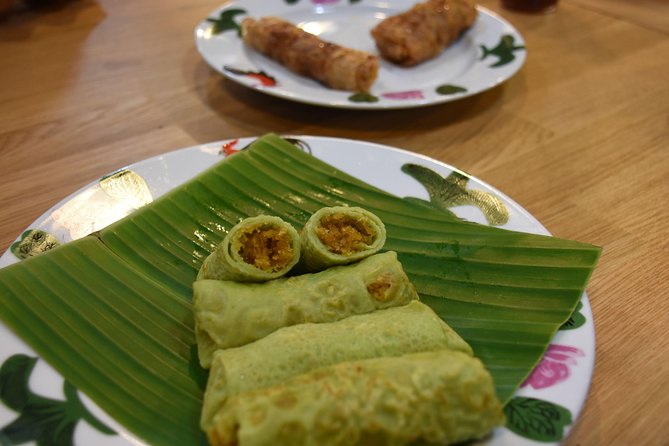
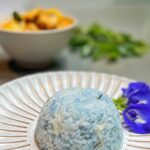
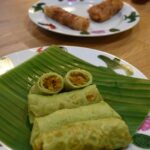
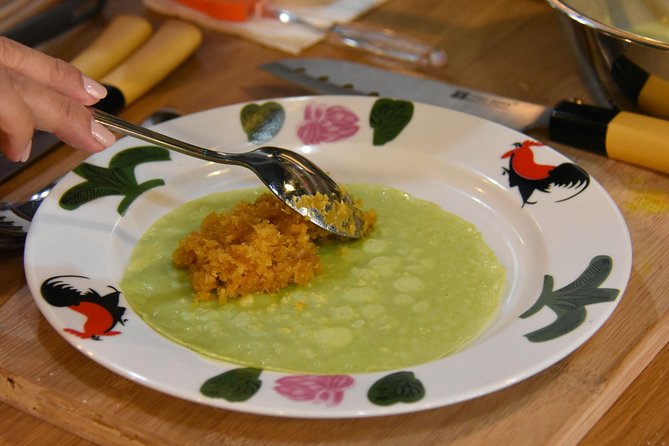
- Nyonya kueh dadar: a pandan-flavored crepe with freshly grated coconut
- Hainanese chicken rice: offered as a possible dish within the class menu
- Other Peranakan favorites depending on availability and season (including options that fit the Nyonya theme)
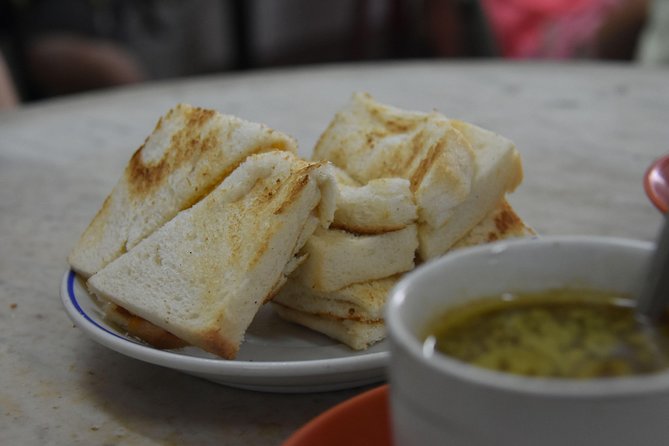
One of the best parts is the mix of textures and techniques. Ngoh hiang gives you wrapping and savory filling work. Kueh dadar pushes you into batter and crepe control, plus the fresh coconut element. If you get a menu that includes noodles or laksa-type dishes, you’d also learn how Peranakan sauces carry depth.
And don’t worry if you’re coming with dietary needs. The class notes that vegetarian and gluten-free options are available on request, so you can still participate in the cooking and lunch portion without feeling like you have to sit out.
Menu choices and Nyonya Laksa requests: how to avoid disappointment
Here’s the big planning point: the menu is seasonal and may vary. That’s not a deal-breaker; it’s common in cooking because ingredients and what’s easiest to cook well can change.
But if you have a must-try dish—especially something like Nyonya Laksa—you’ll want to be proactive. The experience specifically says to add your dish request in the booking form. Do it early, and be clear about what you want.
This is also where host availability matters. Colin isn’t always in charge of every date, and on those days the class is conducted by his colleagues, which means the dishes you cook could shift. The class is still private and still Peranakan-focused, but your exact menu may not match what you hoped for.
My practical advice: treat this like you’re booking a chef-curated lunch cooking class, not a guarantee that every single Peranakan dish will appear every time. If you make a clear request for your top choice, your odds go way up.
Lunch is part of the lesson: eating what you made with your host
The experience isn’t only about prep. You’ll cook 2–3 dishes and then eat them with your host for lunch. That “together” part matters because it turns the class from a task into a real meal with context.
When you sit down after cooking, you can taste the results and connect them back to the steps you learned. For example:
- If your ngoh hiang stuffing tastes off, you’ll remember the seasoning balance and adjust thinking for the next bite.
- If your kueh dadar crepe edges are too thick or too thin, you’ll learn what to watch for when batter meets heat.
You’ll also get cultural explanations along the way. Some hosts talk about local history and how food traditions evolved in Singapore—especially around Peranakan and Nyonya cooking. It’s not just about flavor. It’s about understanding how fusion became identity.
Price and value: is $128 per person a good deal?
At $128 per person, this isn’t the cheapest cooking class option in Singapore. The value comes from what you’re paying for, not just the sticker price:
- It’s private for your group.
- You get a professional chef guiding you directly.
- You cook 2–3 dishes and eat lunch as part of the experience.
- The class can accommodate vegetarian and gluten-free requests if you ask ahead.
So if you compare it to a shared class where you watch more than you cook, this feels more like “you pay for time at the stove.” If you’re visiting Singapore and you want a hands-on food experience that actually changes how you understand the culture, this price can make sense.
One small planning note: this is often booked around 39 days in advance on average. That suggests it’s popular, so waiting until the last week can limit your dates (and your chances of getting the menu you requested).
Timing, transport, and what to wear
This starts at 10:00 am and runs about 3 hours. It ends back at the meeting point on Crawford Lane, which keeps things simple if you’re using public transit.
Since the class is near Lavender MRT Station, you can pair this nicely with a morning plan in the Lavender/Kallang area. And because hotel pickup and drop-off aren’t included, you’ll want to be comfortable getting yourself there by MRT or a taxi.
What to wear: plan for cooking smells and the occasional splash. Wear clothes you can live with if they get a little aroma on them. Closed-toe shoes are a smart choice in any studio setting.
Also, you’ll receive a mobile ticket. You’ll get confirmation within 48 hours of booking (subject to availability). If you have special requests, message them as part of booking while you still have options.
Who should book this Peranakan cooking class?
This class fits best if you answer yes to a few questions:
- Do you want to cook real dishes rather than watch a demo?
- Are you curious about Peranakan/Nyonya food as a fusion story, not just a set of recipes?
- Do you like the idea of private instruction in a studio setting?
- Can you handle menu flexibility and make dish requests ahead of time?
It’s also a solid choice for couples and small groups who want something a bit different from standard sightseeing. If you’re a food-first traveler, you’ll appreciate the focus on technique and flavor.
If you’re traveling with dietary needs, this is promising because the class supports vegetarian and gluten-free options by request. Just make sure your needs are clear when you book.
Should you book it?
If your goal is to learn Peranakan cooking in a hands-on, private setting and leave with both lunch and skills you can repeat later, I think this class is a strong buy.
Book it if:
- you want to cook 2–3 dishes yourself,
- you’re excited by ngoh hiang and Nyonya kueh dadar-style foods,
- you’ll add your must-try dish (like Nyonya Laksa) in the booking request.
Skip or double-check your expectations if:
- you’re only interested in one specific dish every time and don’t want any menu surprises,
- you hate the idea of a menu tied to seasonal ingredients and host availability.
FAQ
FAQ
How long is the Peranakan cooking class?
The class is about 3 hours total, with roughly 1.5 hours of hands-on cooking.
Is the class private or shared?
It’s a private activity. Only your group will participate.
Where is the meeting point?
You meet at Crawford Lane (Crawford Ln, Singapore). The activity ends back at the same meeting point.
Who hosts the class?
Chef Colin hosts when available. On days he isn’t available, his colleagues host the class.
Can I request specific dishes like Nyonya Laksa?
Yes. The menu is seasonal, but you can add dish requests in the booking form so your host can try to accommodate them.
Are vegetarian or gluten-free options available?
Vegetarian and gluten-free options are available on request.
Does the price include hotel pickup?
No. Hotel pickup and drop-off aren’t included. You’ll need to get to the meeting point yourself.