REVIEW · KHIVA
Traditional Khiva Cooking Class with Market Visit & Lunch
Book on GetYourGuide →Operated by Sarvar Bobojonov · Bookable on GetYourGuide
Khiva tastes better when you shop first. This is a hands-on cooking day that starts in the market and ends at a local home for real Uzbek plov or shivit oshi. You’ll learn what to buy, how locals choose it, and how the flavors come together in a kitchen that runs on family routines.
I especially like the way the market visit teaches you shopping logic, from what looks right to how people talk prices. And the cooking part feels like learning from a real household cook, not a restaurant demo. One thing to consider: the experience has a strict dress and behavior list (no shorts, sleeveless tops, or backpacks, and no audio recording), so pack accordingly.
In This Review
- Key things that make this Khiva cooking class worth it
- From pickup to spices: how the day actually flows
- The market visit: where you learn what locals look for
- A local home kitchen with Sarvar Bobojonov and family
- Plov or Shivit Oshi: what you’re really learning
- Plov: the Uzbek classic, taught in a home setting
- Shivit Oshi: a second path into Khorezm flavors
- Tea, lunch, and the small extras that add up
- Take-home recipes: why they’re more valuable than you think
- Price and what $150 for a group up to 3 really buys
- Logistics to think about before you go
- Who should book this Khiva cooking class
- Should you book this cooking class in Khiva
- FAQ
- How long is the cooking class?
- What dishes will I cook?
- Is this a private group?
- Does the price cover pickup and drop-off?
- Where are pickup and drop-off points?
- Will an English instructor guide the class?
- Are ingredients and meals included?
- Will I get recipes to take home?
- Are there any restrictions on what I can bring or wear?
- Can I cancel for a refund?
Key things that make this Khiva cooking class worth it
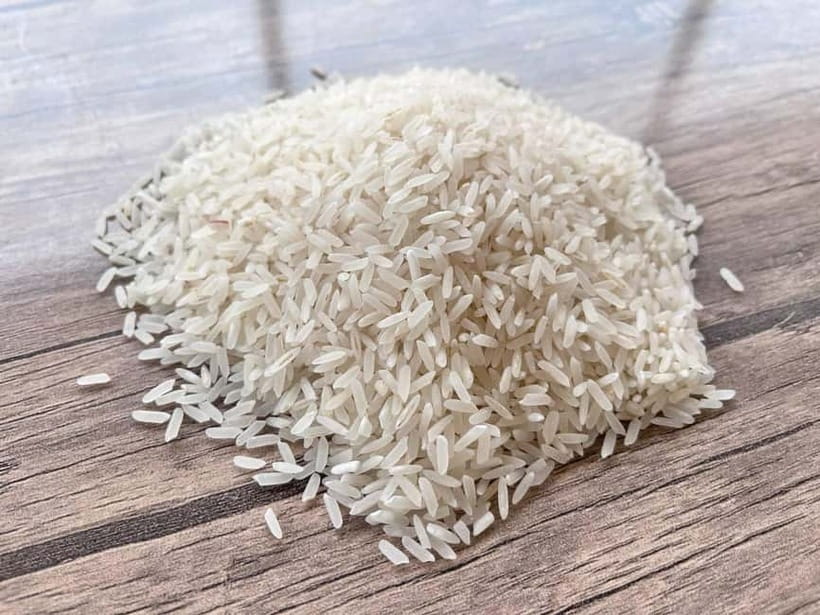
- Market know-how you can use later: you’ll pick ingredients the way locals do and learn shopping traditions along the way
- A true home-kitchen lesson: Sarvar Bobojonov’s family setting changes the whole mood versus a studio class
- Choose Plov or Shivit Oshi: you’ll focus on one iconic Khorezm dish through active cooking steps
- Tea and seasonal dessert included: you’ll have traditional tea and seasonal fruit at the end
- You leave with recipes: you get take-home instructions to recreate the flavors
- Private group pacing: it’s set up for up to 3 people, so you can ask questions without rushing
From pickup to spices: how the day actually flows
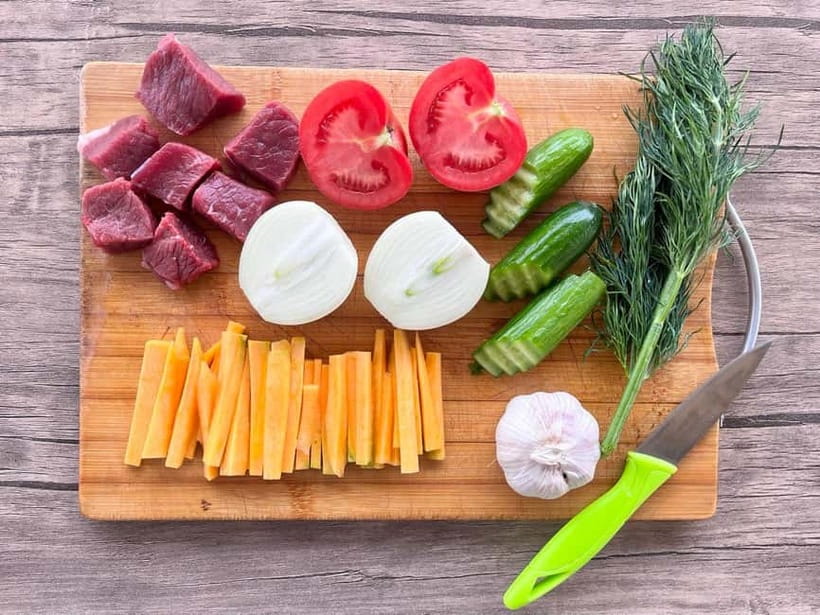
This tour runs about 2.5 hours and is designed as a smooth round trip from Khiva. You start with hotel pickup in a white sedan (156NAA) from several easy-to-find spots around Itchan Kala and the surrounding area. At the end, you’re dropped back at one of the listed gates/areas (including options like Itchan Kala west gate, Polvon darvoza, Bakcha Darvoza, or Stone Gate).
That time frame matters. In many cooking classes, you spend too much time sitting and waiting. Here, the structure is tight: market, then home cooking, then lunch. You’re not just watching food get made. You’re learning the sequence and the choices behind it.
The market visit: where you learn what locals look for
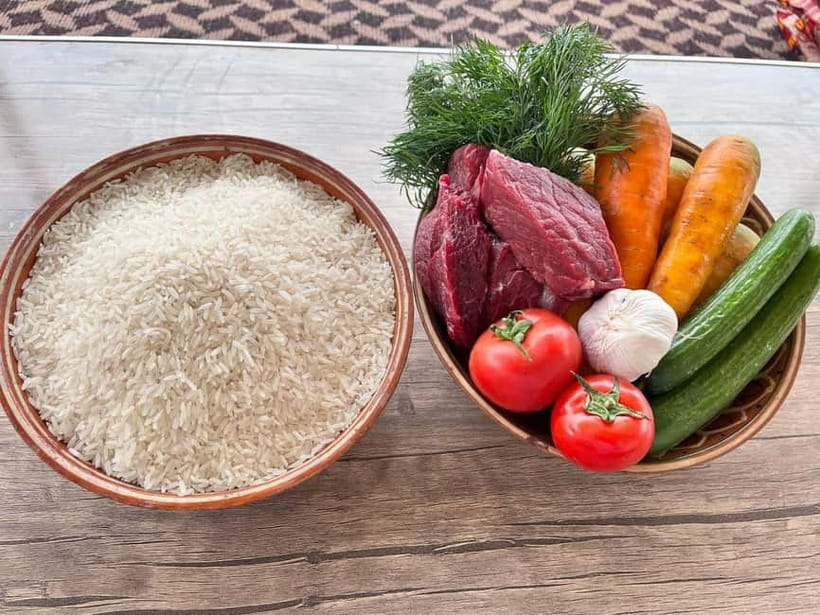
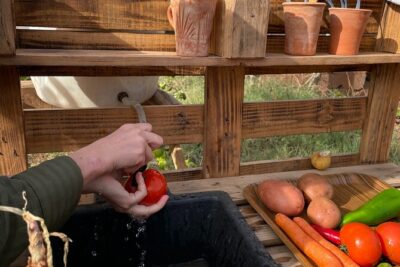
The day kicks off at the Khiva market, where your guide takes you through how ingredients are chosen. This is one of the most practical parts of the experience, because it’s where the cooking lesson starts.
You’ll get the chance to:
- see typical stalls and fresh produce options
- choose ingredients with guidance
- learn the shopping habits locals use, including negotiating prices
Even if you’re not planning to cook Uzbek food at home, you’ll still come away with a better eye for buying. You’ll understand how small ingredient differences show up in the final taste—like the difference between what looks fresh and what actually performs well in cooking.
Also, this is where the conversation tends to happen. Your host and/or guide share context about Khiva and Uzbekistan as you move around. The market part doesn’t feel like a lecture. It feels like a guided walk with useful outcomes.
A local home kitchen with Sarvar Bobojonov and family
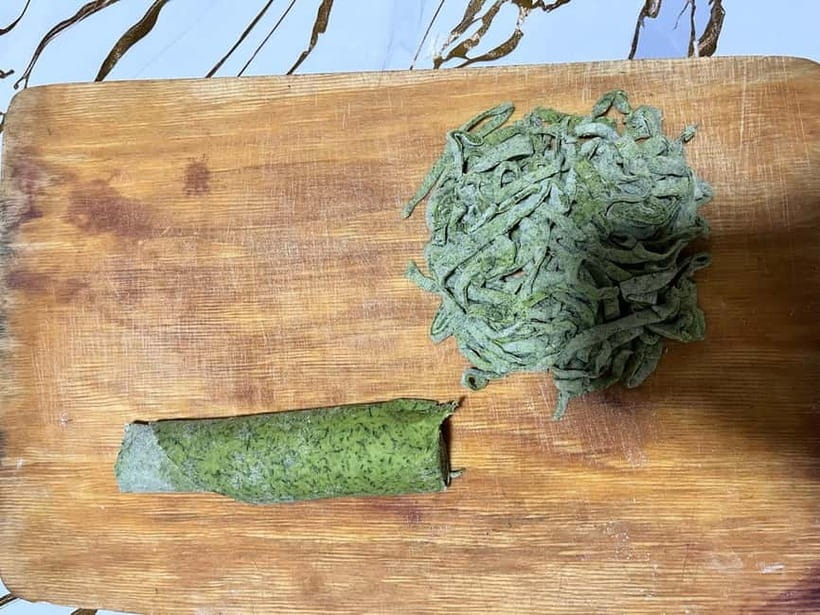
After the market, you head to a traditional home for the cooking portion. This is the part that makes the experience stand out from run-of-the-mill classes. Instead of a commercial kitchen, you’re in a family space where food is part of daily life.
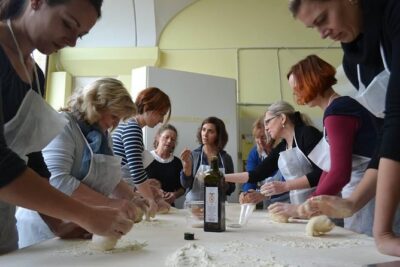
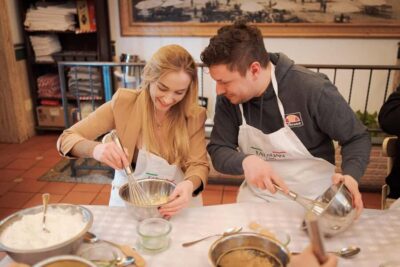
You’ll cook with Sarvar Bobojonov (English-speaking instructor) and his family. In the best version of this experience, the cooking is shared: the guide talks you through the steps, and a family member helps guide the process from a household perspective.
From the reviews, the family warmth is a big part of the appeal. People describe the whole day as feeling like a friend visit, not a scheduled performance. That relaxed tone matters. When you’re comfortable, you ask questions. And when you ask questions, you actually remember what to do next time you cook.
Plov or Shivit Oshi: what you’re really learning
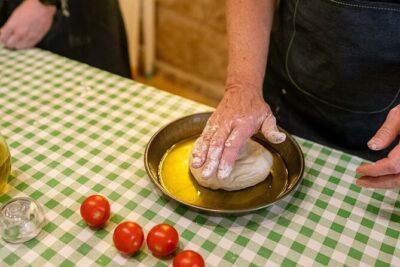
You’ll cook Plov or Shivit Oshi (the class is hands-on and centered on these dishes). The key is that you’re not just making a meal. You’re learning how one dish becomes a whole system: timing, heat control, ingredient prep, and the order of steps.
Plov: the Uzbek classic, taught in a home setting
Plov is often treated like a simple dish by outsiders. In real cooking lessons, it’s anything but simple. Even within the home-kitchen approach, you’ll see how the dish depends on technique and sequencing.
What I like about this format is that it connects the market choices to the final result. When you’ve picked the ingredients yourself, the meal tastes like the choices mattered. One review specifically calls out that the plov was the best they had in Uzbekistan, and that Sarvar’s family made it together with guidance from the mother.
Shivit Oshi: a second path into Khorezm flavors
Shivit Oshi is a great option if you want to experience something a bit less “everywhere” and more regional. The class is set up to teach this as a traditional Khiva dish, and it gives you another way to understand Uzbek comfort food beyond plov.
If you’re choosing between the two, I’d base it on what you want your memory to be. Plov often wins for people who want the big iconic payoff. Shivit Oshi fits those who want a more distinct Khorezm feel and a dish that stands on its own.
Tea, lunch, and the small extras that add up
Once the food is ready, you eat it family-style at the home. This is lunch you can actually taste through: homemade, not reheated, and served as the meal it’s meant to be.
You’ll also have:
- traditional Uzbek tea
- seasonal fruits for dessert
Two small but memorable details show how much this experience goes beyond the basics. One review mentions homemade pickles as a standout, and another highlights local melons and watermelon served after the meal. Those aren’t guaranteed in every household moment, but they do line up with the idea of seasonal fruit and a relaxed family table.
The practical benefit for you is that the meal isn’t just a finale. It’s part of the learning loop. You’ll notice texture and seasoning differences right away, and that makes your takeaway recipes more useful later.
Take-home recipes: why they’re more valuable than you think
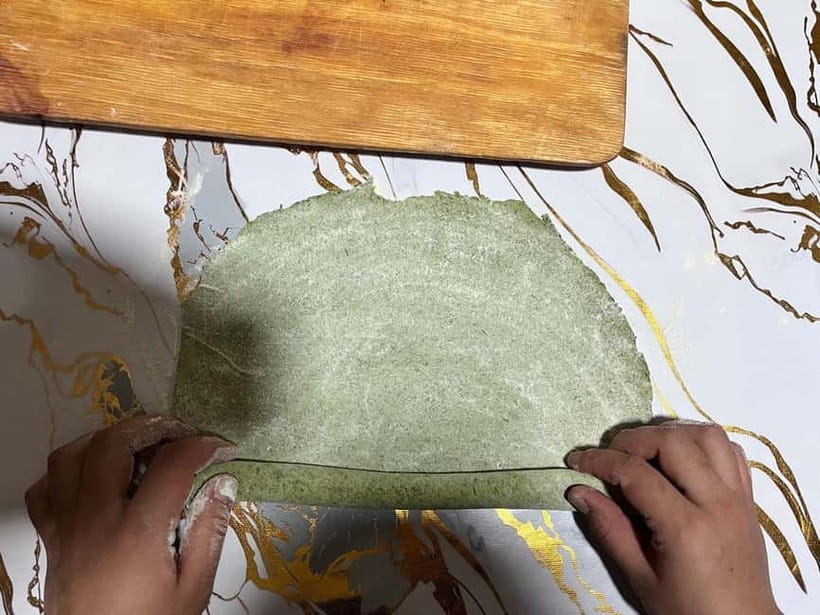
At the end, you receive recipes to take home. Many classes give you something that’s too vague to recreate. What you want here is enough detail to let you repeat the flavor at home.
Because you’ve already:
- seen ingredients chosen in the market
- watched the cooking flow step-by-step
- eaten the finished dish in a real household rhythm
…your notes (and the recipe sheet) become more than paper. They become a memory aid for technique.
If you’re the kind of traveler who likes to cook after a trip, this is one of those days that actually pays off in your kitchen.
Price and what $150 for a group up to 3 really buys
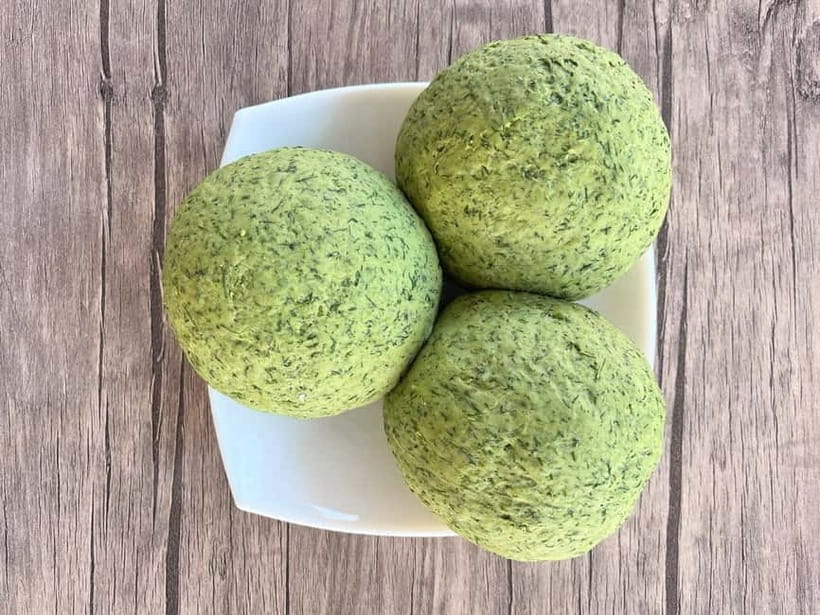
The price is $150 per group, for up to 3 people, for about 2.5 hours. On paper, that can look like “not cheap.” But value comes from what’s included:
- hotel pickup and drop-off
- market visit with guided ingredient shopping
- all fresh ingredients
- the hands-on cooking class
- traditional Uzbek tea
- seasonal fruit
- recipes to take home
You’re paying for access: a local home, a guided market run, and family-led cooking instruction in English. For a private group, that’s where the math starts to make sense. If you’re traveling solo, you’ll compare it to restaurant meals plus generic cooking demos. If you can share the cost with two friends or family members, it becomes a stronger deal fast.
Logistics to think about before you go
This isn’t a take-a-number activity. It’s a personal day in someone’s home, so small logistics matter.
Two big things:
- Plan for restrictions: no shorts, no sleeveless shirts, no backpacks, and no smoking. Baby strollers and baby carriages aren’t allowed, and audio recording is also not allowed.
- Dress for comfort, not just style. You’ll be in a home environment and moving around during the market visit.
Also, because the experience is English-guided and set up as a private group, you’ll want to come with a few basic questions in mind. Ask about what to look for in ingredients, what’s essential for the dish, and how to adjust if you can’t find a specific item at home.
Who should book this Khiva cooking class
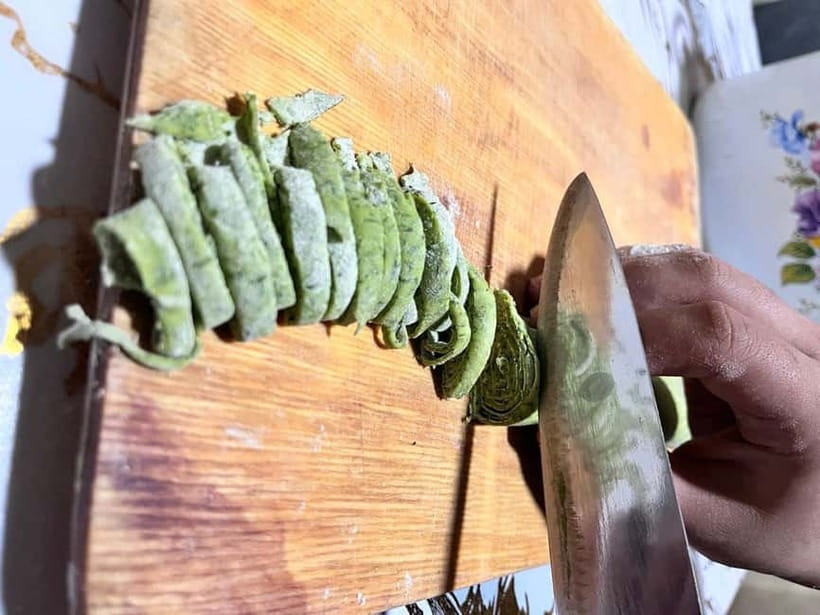
This is a strong match if you want:
- food that’s tied to place, not just a cooking demo
- a home setting where you can talk and ask questions
- a practical souvenir: recipes you can actually use
It’s also a good fit for couples or small groups who can share the cost and want a more personal experience than a larger tour group.
I’d be a bit cautious if you dislike homes, strict dress rules, or environments where you won’t be able to record audio. The rules are clear, and they’re part of the household experience.
Should you book this cooking class in Khiva
If you’re in Khiva and you care about learning real cooking steps, I think this is a smart use of your limited time. The best part isn’t only the meal. It’s the full chain: market shopping → home cooking → lunch → recipes. That flow makes the experience feel coherent, and it turns into something you can recreate later.
I’d book it if you’re willing to dress appropriately and treat it like a family visit. If that’s your style, you’ll walk away with stronger taste memory, better buying habits, and a story you can’t get from a restaurant plate.
FAQ
How long is the cooking class?
The duration is 2.5 hours.
What dishes will I cook?
You’ll take part in a hands-on class featuring Plov and Shivit Oshi. The overview describes cooking plov or shivit oshi.
Is this a private group?
Yes. It’s listed as a private group with a maximum group size of up to 3.
Does the price cover pickup and drop-off?
Yes. Hotel pickup and drop-off are included.
Where are pickup and drop-off points?
Pickup and drop-off are offered from multiple Khiva locations. Pickup options include Polvon darvoza, Stone Gate (Itchan Kala South Gate), Khiva, Bakcha Darvoza, and Itchan Kala west gate. Drop-off options include Itchan Kala west gate, Bakcha Darvoza, Khiva, Polvon darvoza, and Stone Gate (Itchan Kala South Gate).
Will an English instructor guide the class?
Yes. The instructor is listed as English.
Are ingredients and meals included?
Yes. All fresh ingredients for cooking are included, and you’ll also have traditional Uzbek tea plus seasonal fruits for dessert.
Will I get recipes to take home?
Yes. You receive recipes to take home.
Are there any restrictions on what I can bring or wear?
Yes. Shorts, sleeveless shirts, and backpacks aren’t allowed. Smoking is not allowed, alcohol and drugs are not allowed, baby strollers and baby carriages are not allowed, and audio recording isn’t allowed.
Can I cancel for a refund?
The experience offers free cancellation up to 24 hours in advance for a full refund.