REVIEW · MADRID
Madrid: Paella & Tapas Cooking Class and Market Visit
Book on GetYourGuide →Operated by Devour Tours · Bookable on GetYourGuide
Paella starts at the market. This Madrid class takes you from a historic food stall hunt to a private kitchen where you cook Valencia paella and several tapas, plus dessert, as your chef explains what makes the flavors tick. I like the hands-on pace, and I like that you taste along the way with a traditional vermouth aperitivo.
The one real catch: this is not a sit-and-watch experience. It involves cooking stations with hot surfaces and sharp knives, and it’s not suitable for wheelchairs, strollers, or children under 12.
In This Review
- Market Tour at Madrid’s Historic Food Hub
- Huertas Backstage: From Restaurant Energy to a Private Cooking Space
- Sweet Vermouth Aperitivo: How Locals Actually Drink It
- Cheese Plate and Basque Tapa: The Warm-Up You’ll Want to Copy
- Croquetas and Patatas Bravas: The Tapas That Teach Sauce Control
- Paella Valenciana: Spotting the Real Deal (Not Just Any Rice Dish)
- Lunch, Dessert, and the Part Where It Feels Like You Ate With Friends
- Price of $112: Is This Worth It in Madrid?
- Who This Class Is Best For (And Who Might Skip It)
- Practical Tips to Make the Most of 3.5 Hours
- Should You Book This Madrid Paella and Tapas Class?
- FAQ
- How long is the Madrid paella and tapas cooking class?
- How many people are in the cooking group?
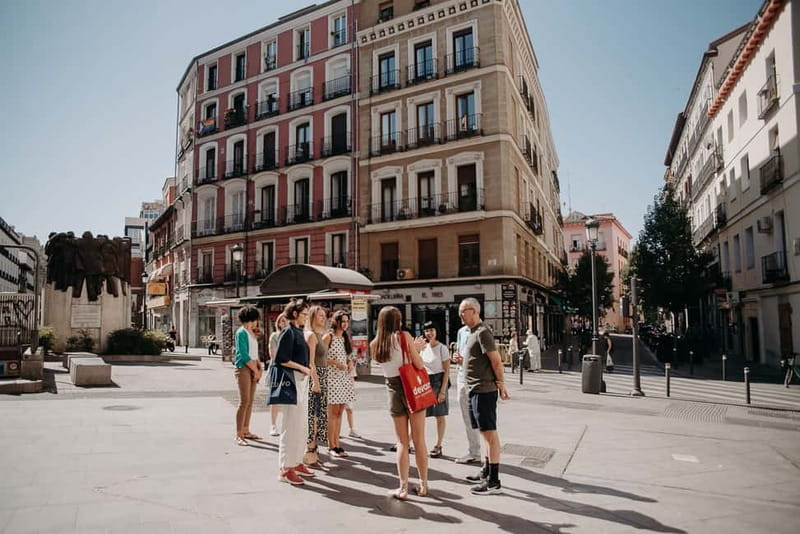
- Where do we meet for the tour?
- Do we visit a market before cooking?
- What will I cook during the class?
- Is vermouth included, and is it part of the experience?
- Can vegetarians or pescatarians join?
- What dietary restrictions are not suitable?
- Is hotel pickup included, and can I cancel?
Market Tour at Madrid’s Historic Food Hub
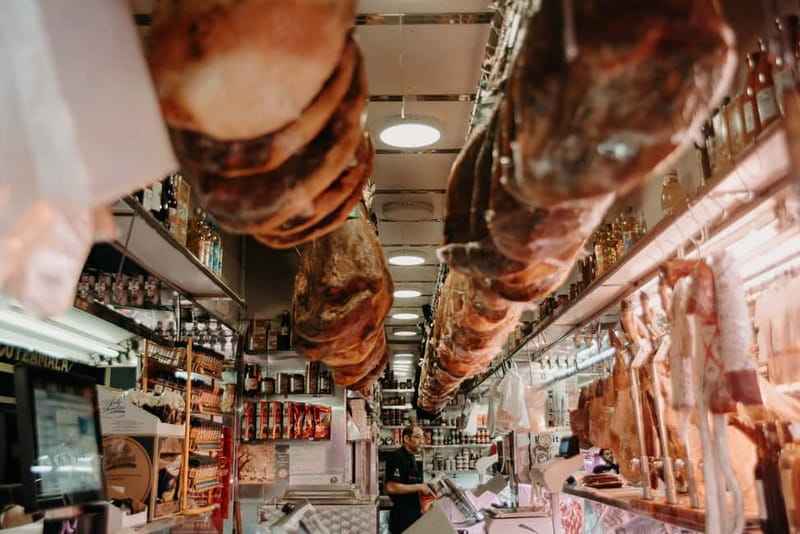
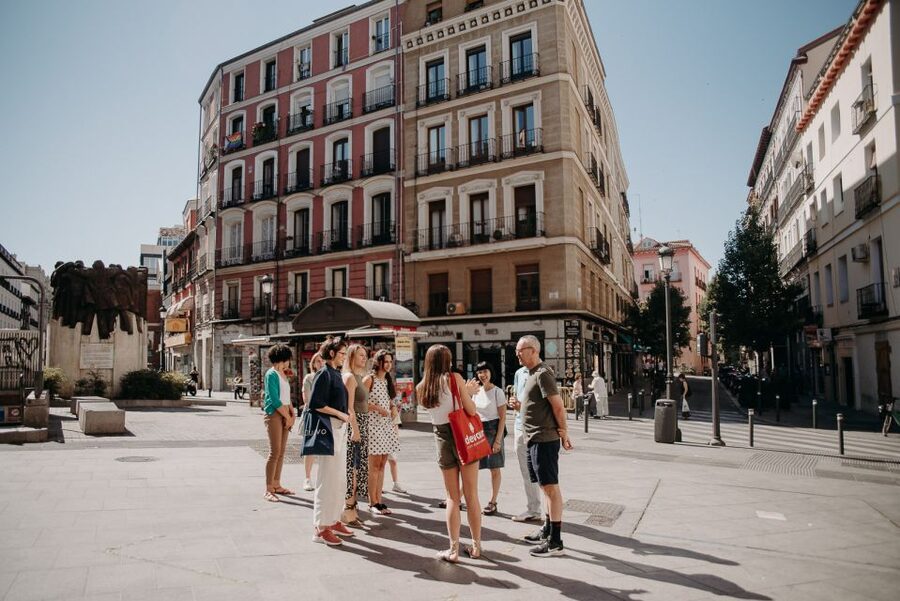
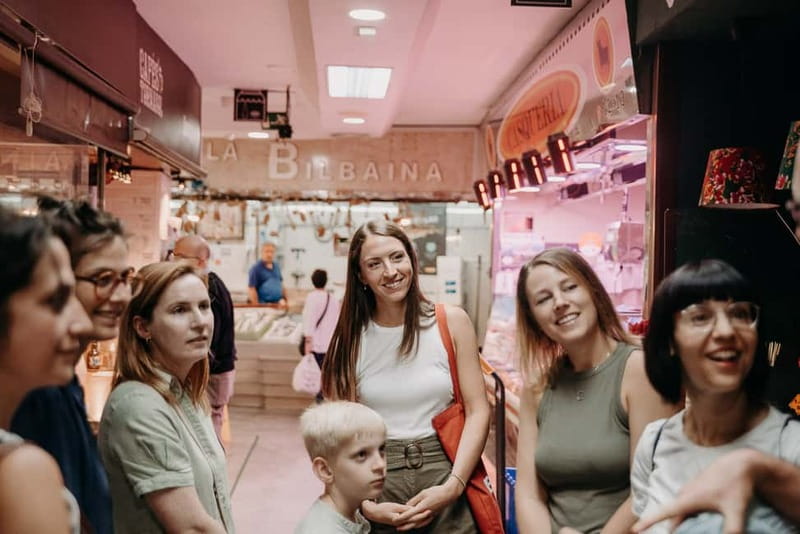
You meet near one of Madrid’s most historic markets, the kind of place where neighborhood residents have been shopping for generations. The point isn’t to admire pretty displays. It’s to see how locals actually build a meal: talking to vendors, choosing ingredients by quality, and learning what to look for in everyday staples.
Once inside, you’ll get time to chat with sellers and pick up fresh ingredients you’ll use back in the kitchen. This matters because Spanish cooking is ingredient-driven. A paella that tastes like Spain is rarely just about technique. It’s about the right rice, the right seafood or meat base (depending on what you’re cooking), and the supporting cast—produce, herbs, and pantry basics.
Practical note: wear comfortable shoes. You’re walking through a market environment, and the rest of the class is spent standing at a kitchen workstation.
Huertas Backstage: From Restaurant Energy to a Private Cooking Space
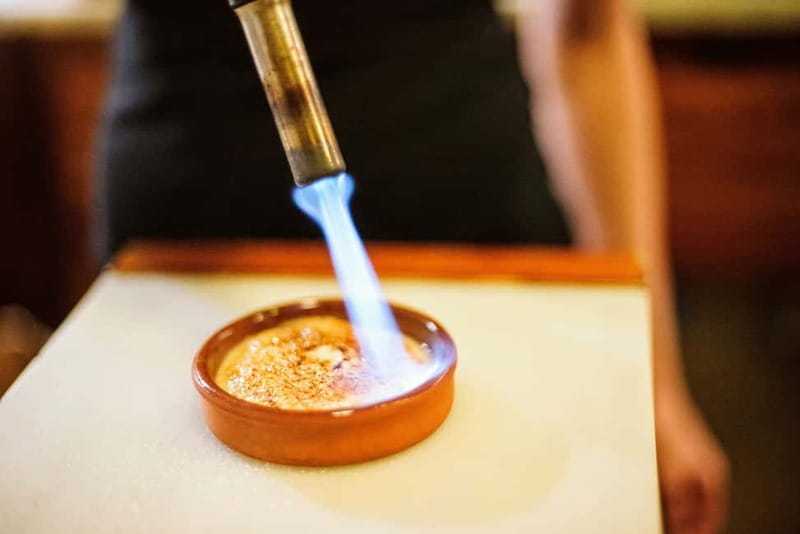
After the market, you head behind the scenes into a private cooking space reserved for your small group. It’s connected to the Huertas neighborhood dining scene—one of those Madrid areas where food culture is always nearby, even when you’re not doing a food tour.
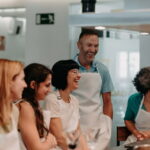
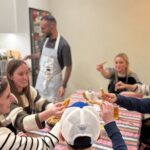
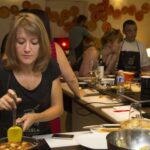
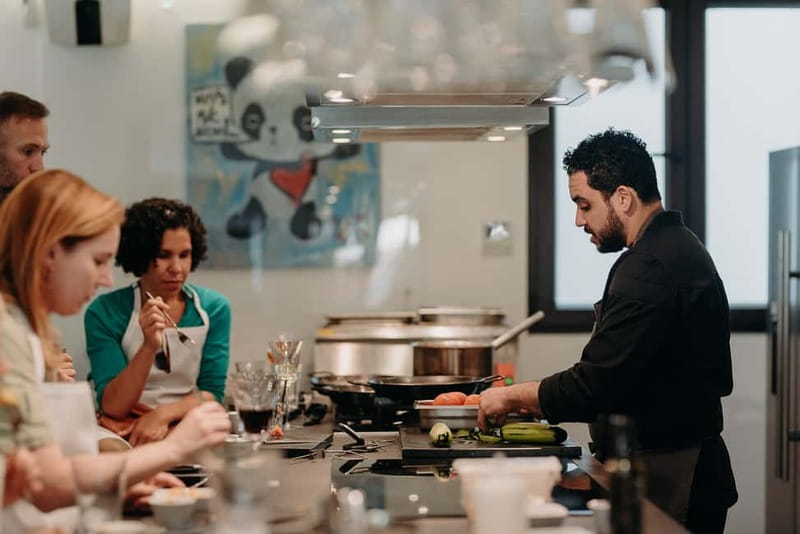
The setup is a big part of the appeal. With a group of 12 people or fewer, you’re not stuck waiting for your turn. You work elbow to elbow with your chef and follow clear steps while still being able to ask questions.
What you’re doing here is more than cooking. You’re learning how a Spanish kitchen thinks—timing, seasoning, and the order things go in—so you can recreate dishes later without guessing.
You can also read our reviews of more tours and experiences in Madrid.
Sweet Vermouth Aperitivo: How Locals Actually Drink It
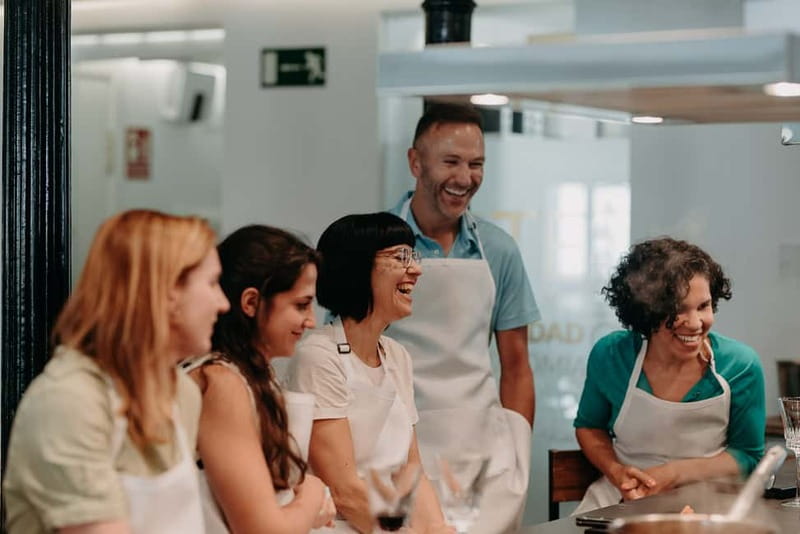
Before the main cooking kicks off, you get a traditional aperitivo in the kitchen. Expect sweet vermouth, plus a snack. This is where you learn how to drink it like locals, not just what it tastes like.
In class, vermouth isn’t treated like a gimmick. It’s part of the rhythm of a Spanish meal—sweet, aromatic, and meant to start the appetite while you settle in. One nice detail from recent experiences: there’s often plenty of white wine and vermouth, and the chefs keep an eye on your drinks throughout.
If you’d rather not drink alcohol, the experience can be adapted for non-alcoholic options, but you’ll want to check ahead based on your needs.
Cheese Plate and Basque Tapa: The Warm-Up You’ll Want to Copy
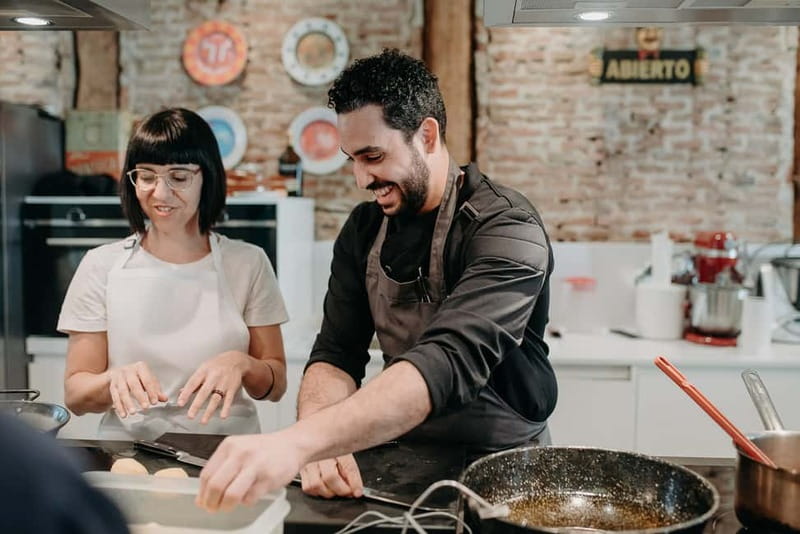
Before the main cooking stations, you’ll assemble a cheese plate and a traditional tapa from the Basque region. This is a smart warm-up because it teaches you how Spanish tapas work as a system: balanced flavors, easy-to-share portions, and a mix of textures that make the whole meal feel cohesive.
It also gives you a quick win early on. You’re not just learning paella timing; you’re learning how to build a plate that feels like Madrid, not a home imitation.
Croquetas and Patatas Bravas: The Tapas That Teach Sauce Control
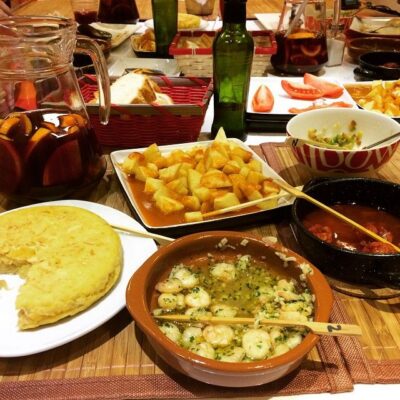
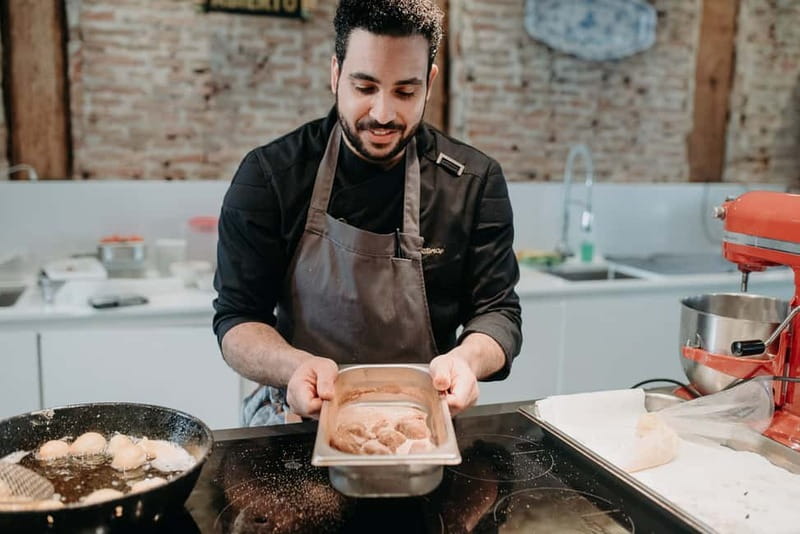
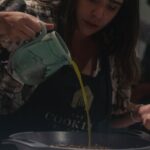
Then it’s hands-on time. You prepare additional tapas including homemade croquetas and patatas bravas with two homemade sauces. This is one of the best parts of the experience for most people because it teaches repeatable skills.
Croquetas are a classic test of patience and consistency. You’ll work the steps needed for a creamy interior and a proper coating. Even if you’ve eaten croquetas all over Spain, making them is a different kind of education—suddenly you understand why good croquetas feel so smooth and why the texture matters.
Patatas bravas are the other big teacher. The real payoff isn’t only the fries or the potatoes. It’s the sauces—how you build flavor, how you balance heat and tang, and how you get them to cling and feel right in every bite.
Chef styles vary, but the strong theme in recent experiences is clear instruction and supportive coaching. In some departures you might cook with chefs like Danny, Dan, Benny, or Arantxa, and they’re known for mixing technique with an easy, friendly teaching tone.
Paella Valenciana: Spotting the Real Deal (Not Just Any Rice Dish)
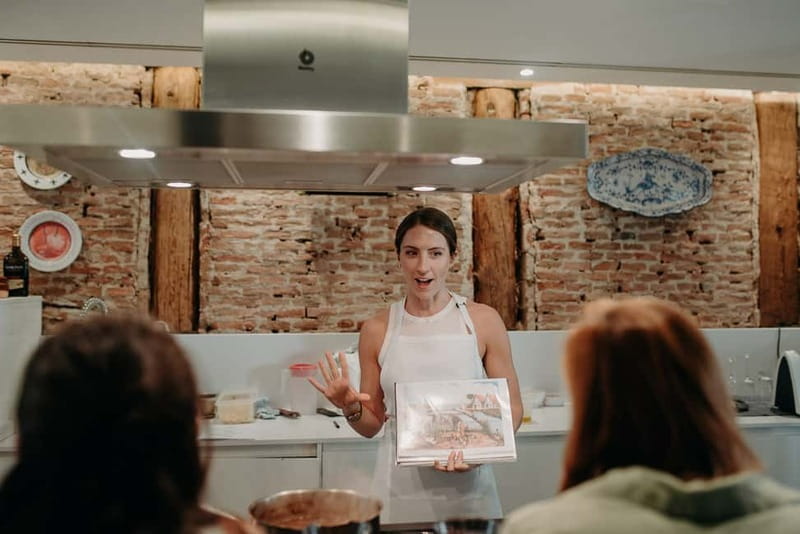
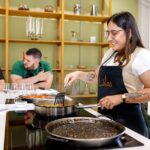
The main course is authentic paella from Valencia. This is where you’ll learn what separates paella Valenciana from the “paella-shaped” dishes you sometimes see elsewhere.
As you cook, your guide and chef share insights about paella history and—more importantly—how to spot the features that matter. That might sound vague, but it usually becomes concrete fast: you pay attention to the rice, the cooking method, and the way the flavors develop as it cooks.
Paella is also a timing lesson. The class format gives you a structured flow so you can understand when to add ingredients and what not to rush. If you’ve ever had a great paella once and then struggled to reproduce it, this is the class that helps you stop guessing.
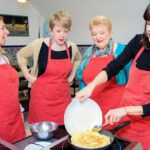
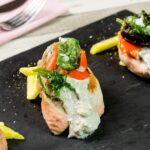
Lunch, Dessert, and the Part Where It Feels Like You Ate With Friends
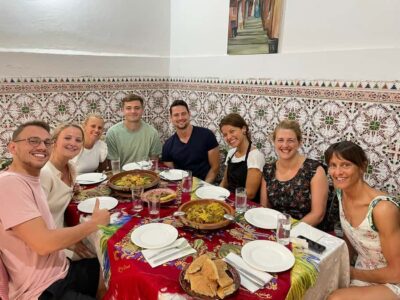
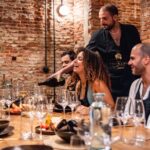
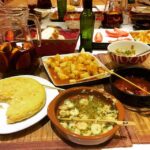
When your food is ready, you sit down to enjoy your homemade lunch—dishes you made with your own hands, not something plated for you at arm’s length. You’ll also have seasonal fruit from the market for dessert.
Drink-wise, you can choose beer or wine with lunch. If you want non-alcoholic options, that’s supported too, but again, confirm your needs so the kitchen can plan.
One thing that shows up in many experiences: you leave feeling fed in a real way. There’s a sense that the class is designed to get you full, happy, and ready to talk about what you just learned. Some chefs also provide take-away items, which is a nice bonus if you want to bring part of the meal home.
And if you like having backup notes, some departures include a PDF cookbook-style set of instructions with the recipes and guidance.
Price of $112: Is This Worth It in Madrid?
$112 sounds like real money, so I look at what’s actually inside that price.
You’re paying for:
- A guided market visit with fresh ingredients selected for your cooking
- A hands-on cooking class in a private setup
- Lunch made by you (not just a tasting)
- A vermouth aperitivo, plus drinks with lunch
- A small group size (12 or fewer)
For Madrid, that’s strong value because you’re not just buying food. You’re buying instruction, sourcing, and time. The ingredients alone can cost a lot once you factor in quality and the effort required to pick the right ones.
The biggest cost to you is attention. If you’re the type who wants a quick photo stop, this won’t feel as satisfying. If you like learning by doing, the price starts to look fair fast.
Who This Class Is Best For (And Who Might Skip It)
This experience is a great fit if you want real Spanish food skills, not just a meal.
You’ll likely enjoy it most if you:
- Want to cook paella Valencia-style and understand what makes it correct
- Love tapas and want to learn the “why” behind sauces and textures
- Prefer small groups with active participation
- Like market visits because you’re interested in ingredients, not shopping
It’s not suitable for:
- Children under 12
- Guests using wheelchairs or needing strollers (the class involves cooking stations and steps)
- Vegans
- People with gluten intolerance
- People with lactose intolerance
If you’re vegetarian or pescatarian, the experience is adaptable. It’s also adaptable for gluten free (not celiacs), non-alcoholic options, and pregnant women—just plan ahead so the kitchen can source what you need.
Practical Tips to Make the Most of 3.5 Hours
This is a tight, efficient 3.5-hour window. You’ll get more out of it if you show up ready to work.
- Bring comfortable shoes, since you’ll walk and stand.
- Eat lightly before you go if you don’t want to fight your appetite during the vermouth aperitivo. (But yes, you’ll still get plenty of food.)
- If you have dietary needs beyond the standard adaptations, contact the provider so ingredients can be arranged.
- Expect a kitchen focus: you’ll learn by cooking, not by listening only.
Should You Book This Madrid Paella and Tapas Class?
I’d book it if your goal is to go beyond sightseeing and come home with a practical understanding of Spanish cooking. The pairing of market-to-kitchen sourcing with a hands-on session makes it easier to remember what matters and how to repeat it. The paella Valenciana focus is also a solid signal that you’re learning a real standard, not a watered-down tourist version.
Skip it if you want an ultra-casual experience, need step-free access, are traveling with kids under 12, or have dietary restrictions that fall outside the supported options. In those cases, the class structure won’t match your needs.
If you’re somewhere in the middle—food-minded, curious, and ready to roll up your sleeves—this is one of the more satisfying ways to spend a few hours in Madrid.
FAQ
How long is the Madrid paella and tapas cooking class?
It lasts about 3.5 hours.
How many people are in the cooking group?
The class is kept to a small group of 12 people or fewer.
Where do we meet for the tour?
The meeting point may vary depending on the option booked.
Do we visit a market before cooking?
Yes. You’ll take a guided tour of a traditional market and pick up fresh ingredients.
What will I cook during the class?
You’ll make authentic paella from Valencia, three tapas, and dessert. You also assemble a cheese plate and a traditional Basque-region tapa before cooking additional tapas like homemade croquetas and patatas bravas with two sauces.
Is vermouth included, and is it part of the experience?
Yes. You’ll have a sweet vermouth aperitivo and learn how to drink it like locals. Lunch also includes drinks (beer or wine), and the experience can offer non-alcoholic options.
Can vegetarians or pescatarians join?
Yes. The class is adaptable for vegetarians and pescatarians.
What dietary restrictions are not suitable?
The experience is not suitable for vegans, people with gluten intolerance, or people with lactose intolerance.
Is hotel pickup included, and can I cancel?
Hotel pickup and drop-off are not included. Free cancellation is available up to 24 hours in advance for a full refund.