REVIEW · HOI AN
Hoi An Local Market and Vegetable Village Cooking Class
Book on Viator →Operated by Hoi An Cooking Class · Bookable on Viator
If you like food with a backstory, go here. This Hoi An class strings together a local market hunt and a farm visit, then turns it into hands-on cooking with a chef. You’ll learn what herbs and veggies do in Vietnamese dishes, not just how to roll or stir.
Two things I really like are the ingredient shopping with market talk (you learn how to handle sellers and spot what you need) and the way the class connects Tra Que organic produce to the flavors on your plate. A small drawback to consider: the whole experience depends on weather, and if conditions are poor you may be offered a new date or a refund.
In This Review
- Key highlights worth knowing
- Hoi An Market: Find Ingredients Like a Local
- Tra Que Vegetable Village: Organic Farming You Can Taste
- Cam Thanh: Coconut Boats, Then Welcome Drink and Cooking
- Chef-Led Class with 4 Dishes: How Flavor Gets Built
- Price and Value: What $29 Gets You in Hoi An
- Logistics That Affect Your Comfort (Without the Fuss)
- Who Should Book This, and Who Might Skip It
- Tips to Get More Out of Your Cooking Class
- Should You Book the Hoi An Local Market and Vegetable Village Cooking Class?
- FAQ
- How long is the Hoi An Local Market and Vegetable Village Cooking Class?
- What stops are included during the tour?
- How many dishes will I cook?
- Is pickup included?
- Is admission included for all stops?
- What’s the group size?
- What happens if the weather is bad?
- What is the cancellation policy?
Key highlights worth knowing
- Market skills first: learn which ingredients matter and how to talk with local sellers
- Tra Que vegetable village: farm stop focused on organic growing and herb-heavy Vietnamese flavors
- Cam Thanh lead-in: a countryside river area visit, followed by a proper cooking session
- 4 dishes, hands-on: you cook, not just watch, and you leave with full plates and full notes
- Small group: capped at 12 travelers, so questions don’t get lost
Hoi An Market: Find Ingredients Like a Local
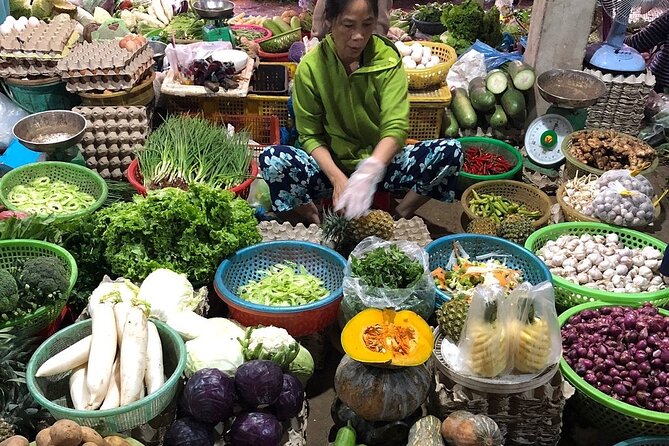
The day starts at the Hoi An local market, and that’s not just a sightseeing warm-up. This is where you get your bearings fast on Vietnamese cooking basics—what’s common, what’s seasonal, and how fresh ingredients actually change a dish.
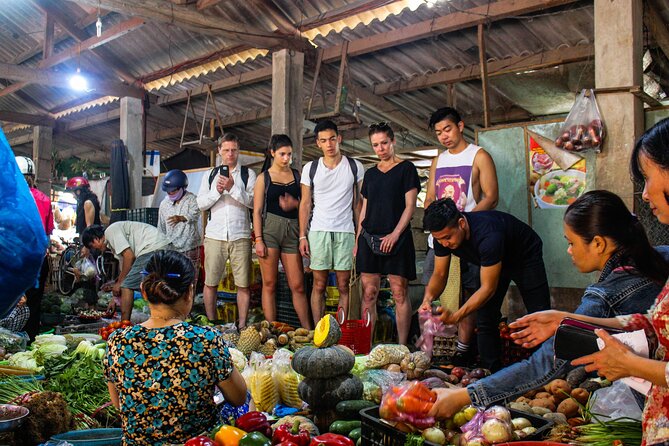
You’ll spend about 20 minutes here, walking through a colorful mix of vegetables, herbs, and other staples. The useful part is the guidance on how to deal with the sellers. Markets are full of friendly people, but they move quickly. When you know what to ask for and how to confirm what you’re buying, you avoid the awkward guesswork and you get ingredients that match what your chef wants for the class.
If you want to take things home mentally, focus on aromas and textures more than labels. Vietnamese cooking leans on herbs and crunch (not just heat and salt), so seeing them in person helps. One of the best feelings from this kind of start is realizing you’re not just buying random produce—you’re collecting the building blocks for specific flavors you’ll taste later.
Practical note: the market is a real market. That means it can be crowded and busy, and you’ll likely be moving with the group at a quick pace. If you want slow and quiet, this segment may feel a bit intense—but that same energy is part of what makes it authentic.
You can also read our reviews of more tours and experiences in Hoi An.
Tra Que Vegetable Village: Organic Farming You Can Taste
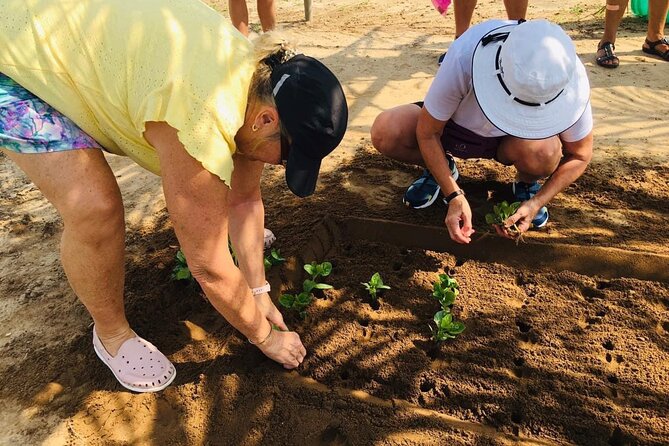
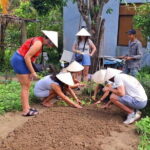
Next comes Tra Que Vegetable Village, and this stop is all about how vegetables grow and why that matters in the kitchen. The time here is short—around 30 minutes—but it’s paced so you can connect farm rows to the ingredients you’ll cook.
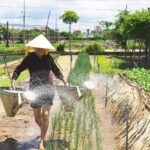
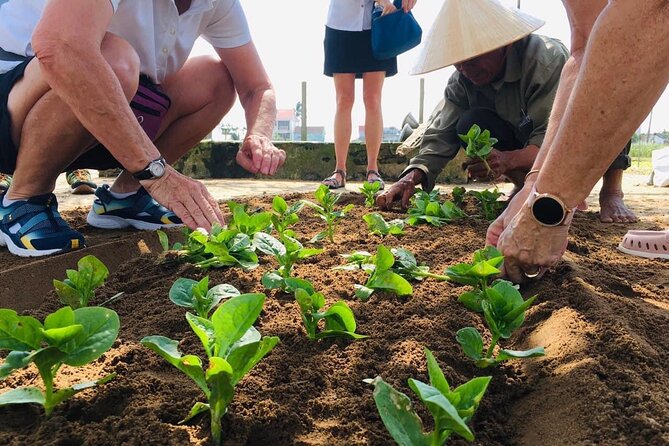
Tra Que is known for organic farming, and the whole point of the visit is to see vegetables growing close up. You’ll notice the greens, the way plants look healthy, and the overall farm rhythm that supports consistent flavor. Even if you don’t farm, it’s easy to understand how soil and growing methods show up later as taste and aroma.
This is also where the class mindset shifts from shopping to understanding. Vietnamese dishes often depend on herbs that might look unusual if you’re used to Western grocery aisles. When you see them growing in their natural setting, you remember them better—and you know what to look for later if you want to recreate dishes at home.
One practical consideration: this is a farming environment, so wear shoes that can handle uneven ground. Bring a hat if you’re sensitive to sun. Nothing dramatic, but comfort matters because you’ll be walking around.
Cam Thanh: Coconut Boats, Then Welcome Drink and Cooking
The Cam Thanh portion takes you into the countryside side of Hoi An. People often associate Hoi An with lantern streets and river views, but Cam Thanh feels like a different world—more water, farming activity nearby, and a local rhythm that’s not built for tourists.
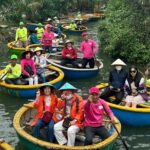
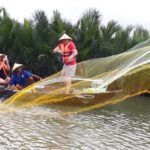
Before the cooking, many runs include a boat ride on the water area, often described as coconut basket boats. You also get some context on fishing techniques during the ride, which adds meaning to the scenery. One thing to know: the area can be busy, so expect lively energy rather than a quiet glide. For most people, that chaos is part of the fun.
After that countryside moment, you head back to the restaurant for a welcome drink and the main cooking session. This flow works well. You get outside energy first, then you settle into a hands-on kitchen where you’re cooking the ingredients you learned to spot earlier.
Chef-Led Class with 4 Dishes: How Flavor Gets Built
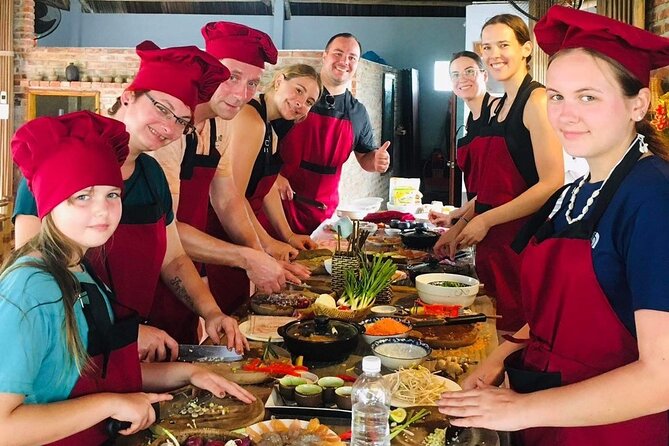
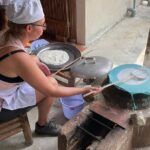
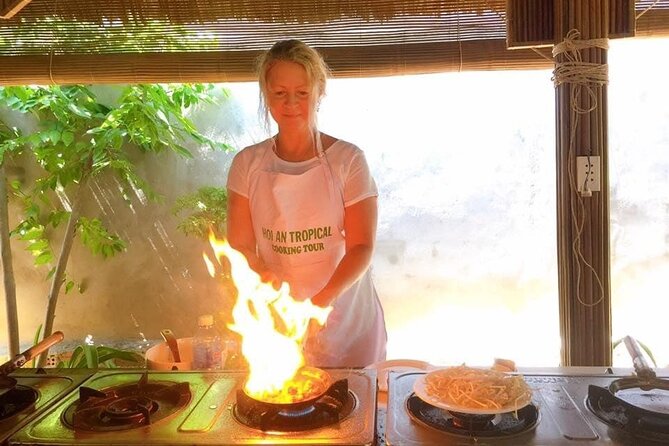
The heart of the tour is the cooking class itself, taught by the chef—Chef Hai is mentioned often in the experience, and some versions also highlight other chefs such as Ly Hi. Either way, the teaching style is the same idea: explain the differences between ingredients and use traditional methods so you understand what you’re doing, not just what you’re making.
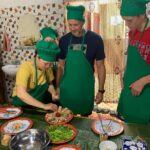
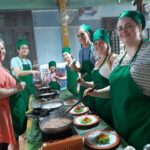
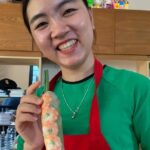
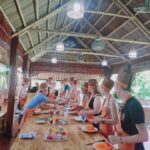
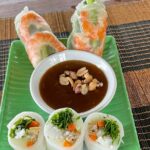
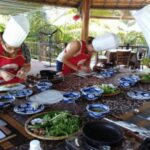
You’ll learn to cook 4 Vietnamese dishes, and the key detail is that you cook them, not only watch a demo. The difference here matters. When you chop and stir and taste as you go, you start understanding why certain steps exist. Vietnamese cuisine can look complicated on paper, but in practice it becomes manageable when you see the order of operations.
Here’s what I think is most valuable about this class: ingredient logic. Vietnamese flavors often come from a mix of fresh herbs, aromatics, and balanced seasoning. The chef’s job is to connect each ingredient’s role to the final dish. So instead of memorizing a recipe like a robot, you learn what to adjust when you’re cooking at home.
Also, the food doesn’t feel like a small snack. Multiple people note they leave hungry, and that matches the purpose of cooking four dishes. You get to eat what you made, which turns the session from a lesson into a real meal.
If you have dietary restrictions, this is the moment to ask. The tour description emphasizes traditional dishes and hands-on cooking, so your chef may be able to suggest swaps, but the exact options aren’t stated in the details provided here.
Price and Value: What $29 Gets You in Hoi An
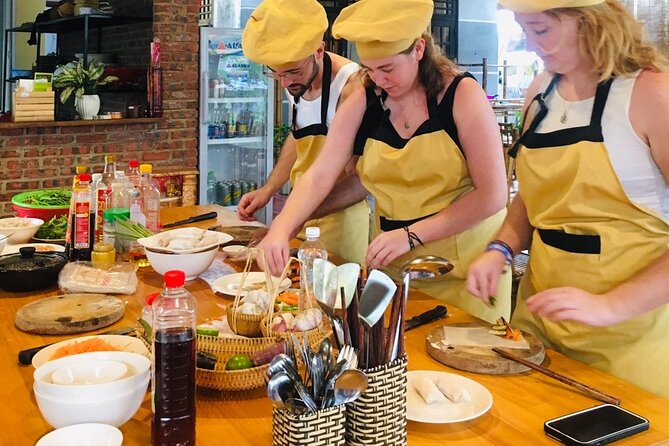
At $29 per person, this is one of the more straightforward values for Hoi An. It’s not only a cooking class in a room—you’re getting a market stop, a farm/vegetable village visit, and a full cooking session with multiple dishes.
Value in Vietnam cooking tours usually depends on two things: (1) how much you actually cook and taste, and (2) whether the experience feels like more than a performance. This one nails both. The market stop makes the ingredients feel earned. The farm stop gives you context for why those ingredients taste different. Then you cook four dishes, and you eat them.
There’s also a practical value layer: the group size is limited to a maximum of 12 travelers. That tends to mean better attention during the cooking, so you’re not stuck waiting your turn while the chef moves on.
One small thing to keep in mind: this is a half-day style activity (about 4.5 hours). If you’re trying to cram in tons of sightseeing, it will take a meaningful chunk of your day—but it also gives you a complete story arc in return.
Logistics That Affect Your Comfort (Without the Fuss)
This tour includes pickup, and it uses a mobile ticket, which helps. It’s also described as near public transportation, so you’re not totally dependent on the pickup if plans change.
Timing is a key part of the experience because it’s weather-sensitive. The description explicitly says good weather is required. If it’s canceled due to poor weather, you’ll be offered a different date or a full refund. That’s worth taking seriously because the farm and outdoor parts are the backbone of the day.
What to bring is simple:
- Comfortable shoes for market walking and farm ground
- Sun protection (hat or sunscreen)
- A small appetite (you’re cooking 4 dishes and eating them)
Who Should Book This, and Who Might Skip It
This tour is a great fit if you want Vietnamese food to make sense. You’ll enjoy it most if you care about herbs, vegetables, and understanding what each ingredient contributes.
It also suits people who like guided experiences. The market part includes help with dealing with sellers, and the cooking part includes structured teaching. If you love learning by doing, this is your kind of activity.
You might choose a different option if you hate crowds. The market is busy by nature, and the Cam Thanh boat area can get hectic. If quiet calm is your top priority, set your expectations accordingly.
Tips to Get More Out of Your Cooking Class
Here’s how to make the most of it, even if you’ve never cooked Vietnamese food before.
First, pay attention to herbs. In this style of cooking, herbs aren’t garnish. They often control the fragrance and freshness of the dish. When you see them at the market and farm, take 10 seconds to smell them if you’re allowed—your memory will thank you later.
Second, ask one or two practical questions during cooking:
- Which step drives the flavor the most?
- What happens if a key herb is missing?
- How do you know it’s seasoned correctly?
Third, try to taste as you cook. Don’t wait until the end. If the chef encourages tasting, follow that. Adjusting early is easier than fixing a finished dish.
Finally, take mental notes rather than trying to write an entire cookbook. The class is about understanding. If you go home and remember the ingredient roles, you’ll recreate things better than someone who only collected ingredients lists.
Should You Book the Hoi An Local Market and Vegetable Village Cooking Class?
If you want a farm-to-table style Hoi An cooking experience that includes real ingredient shopping and a chef-led class with 4 dishes, I think you should book it. The price is reasonable for what you get, and the structure is smart: market first, vegetables second, then cooking and eating.
I’d especially recommend it if you’re the type who likes learning how food works, not just collecting another photo. The best part is that the day doesn’t stop at the lesson—it ends with a meal built from what you saw and cooked.
If weather is iffy when you’re in town, keep flexibility in your schedule. When the conditions cooperate, this is one of the more meaningful ways to spend a half day in Hoi An.
FAQ
How long is the Hoi An Local Market and Vegetable Village Cooking Class?
The tour lasts about 4 hours 30 minutes.
What stops are included during the tour?
The experience includes a visit to a Hoi An market, a stop at Tra Que Vegetable Village, and a final stop at Cam Thanh where the cooking class happens.
How many dishes will I cook?
You’ll cook 4 Vietnamese dishes during the cooking class.
Is pickup included?
Yes, pickup is offered.
Is admission included for all stops?
Admission tickets are included for the market and the vegetable village. The Cam Thanh portion is listed with admission ticket as free.
What’s the group size?
The tour has a maximum of 12 travelers.
What happens if the weather is bad?
This experience requires good weather. If it’s canceled due to poor weather, you’ll be offered a different date or a full refund.
What is the cancellation policy?
You can cancel for a full refund up to 24 hours in advance. If you cancel less than 24 hours before the start time, the amount paid will not be refunded.