REVIEW · ATHENS
“Fetaverse” Private Cooking Class in Koukaki Athens
Book on Viator →Operated by CHNOPS Flavouring Curiosity · Bookable on Viator
Feta is the star in this Athens cooking class. It’s a 3-hour, English-friendly private experience that blends food tasting with the story of PDO feta. You start with a lively warm-up and then get pulled into a playful challenge that makes you pay attention to what you taste.
What I like most is the way the class uses a real, fun feta vs. white cheese blind test to sharpen your palate fast. I also like the hands-on payoff: you help make multiple dishes, then sit down for a full Greek meal with warm conversation and local drinks.
One thing to consider: it’s built around classic Greek flavors like spicy peppers in tyrokafteri, so if you’re avoiding heat or strong cheese intensity, plan accordingly and double-check what’s included for your specific preferences.
In This Review
- Key Things to Know Before You Go
- Entering Koukaki for a Feta-Focused Athens Cooking Class
- The Warm Welcome and the Icebreaker That Gets You Talking
- The Feta vs. White Cheese Challenge: A Palate Test With a Purpose
- The Story of Feta While You Cook: PDO, Place, and Greek Memory
- Hands-On Cooking: Making Tyrokafteri, Mini Spinach Pies, and Greek Salad
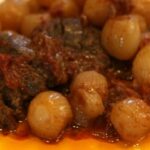
- Set the Table and Feast: Moussaka or Giant Beans, Plus Halva
- Why This Class Works: Teaching Through Food, Not Just Telling
- Price and Value: What $96.74 Really Buys You
- Where It Starts in Athens, and How to Plan Your Timing
- Who This Cooking Class Is Best For
- Should You Book Fetaverse in Koukaki?
Key Things to Know Before You Go
- Small group size (max 15) keeps the vibe friendly and interactive
- English instruction makes the food-and-story angle easy to follow
- Blind cheese challenge teaches you how to notice real feta without being told
- Hands-on dishes include tyrokafteri, mini spinach pies, and Greek salad
- Choice of mains: classic moussaka or vegetarian giant beans in tomato sauce
- Atmosphere matters: the space is described as beautifully designed, which helps the whole experience feel special
Entering Koukaki for a Feta-Focused Athens Cooking Class
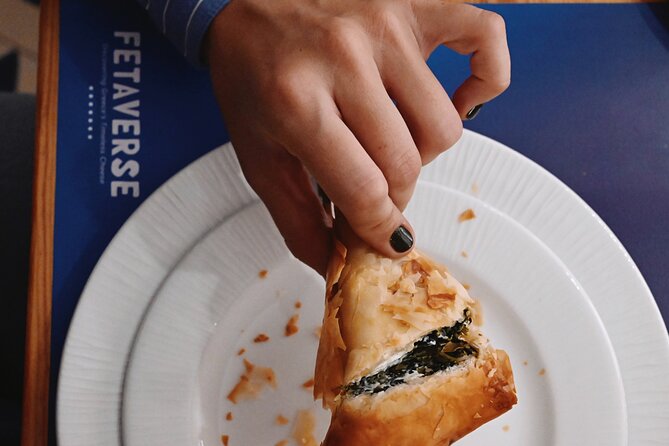
I like a cooking class that doesn’t just ask you to follow steps. Fetaverse does something smarter: it treats feta like a subject you can understand with your senses, not just a food you recognize by name. You’re in Koukaki, Athens, and the class is run by CHNOPS Flavouring Curiosity, which leans into curiosity and stories as much as recipes.
The timing is also practical. The experience starts at 12:00 pm, runs about 3 hours, and ends back where you start, at Veikou 93, Athina 117 41, Greece. That makes it a solid plan if you want a midday activity that ends with actual dinner-like satisfaction, not just a few bites.
At $96.74 per person, it’s not a budget snack class. But the value comes from the structure: tasting, cooking, and sitting down to eat what you made (plus a dessert). And because the group caps at 15, you’re less likely to feel like you’re watching while someone else cooks.
You can also read our reviews of more tours and experiences in Athens.


The Warm Welcome and the Icebreaker That Gets You Talking
Most cooking classes start with instructions. This one starts by getting people comfortable. You begin with a warm welcome and a fun icebreaker that connects food to your own relationship with it.
That matters more than it sounds. When people feel relaxed, you tend to ask better questions. You also get more out of the blind tasting later, because you’re not self-conscious about getting answers wrong. The whole class tone is friendly and curious, and that sets you up for the next part.
The Feta vs. White Cheese Challenge: A Palate Test With a Purpose
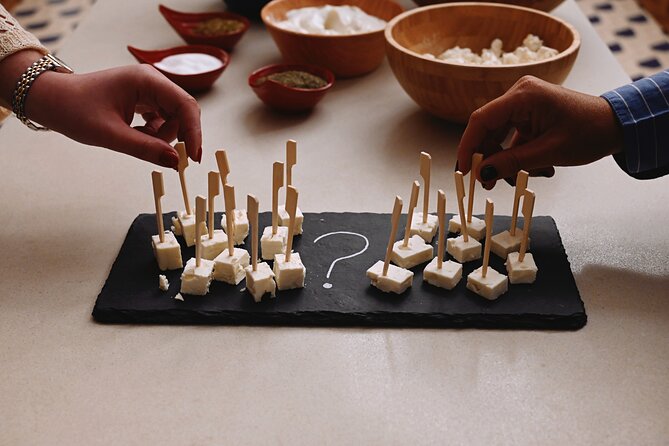
This is the moment that turns the class from “Greek cooking” into a real tasting lesson. You’ll do a feta vs. white cheese challenge where you try to identify what’s real feta without being told. It’s basically a guided palate workout.
Why it’s worth your attention: feta isn’t just salty and tangy. Real feta has characteristics that change with how it’s made and where it comes from. The challenge nudges you to notice texture, salt level, and flavor cues before you get the official explanation. Then, when the story arrives, it sticks.
And yes, it’s also just fun. One of the stand-out themes in the experience is that it feels like a bit of mystery—then the class resolves it in a way that makes you feel more confident about what’s on your plate.
The Story of Feta While You Cook: PDO, Place, and Greek Memory
After the tasting, the class shifts into storytelling while you cook. You’ll learn why feta is a PDO (Protected Designation of Origin) product, and you’ll connect that label to real-world things like climate, land, and tradition.
The class also gives you a sense of continuity. You hear how feta shows up in Greek cultural memory—from references that run all the way back to Homer’s Odyssey to its role in everyday eating today. This is not academic lecturing. The story is built to travel with the food you’re handling.
You’ll also get cultural texture in a couple ways:
- Traditional music during parts of the program
- Short video stories featuring Greek producers
That combo matters because it explains feta as a living food system, not just a cheese category. One review highlights how the experience touches on social and environmental aspects too. Even if that’s not the main focus of your day, it’s a useful reminder: food decisions connect to land practices and local knowledge.
Hands-On Cooking: Making Tyrokafteri, Mini Spinach Pies, and Greek Salad
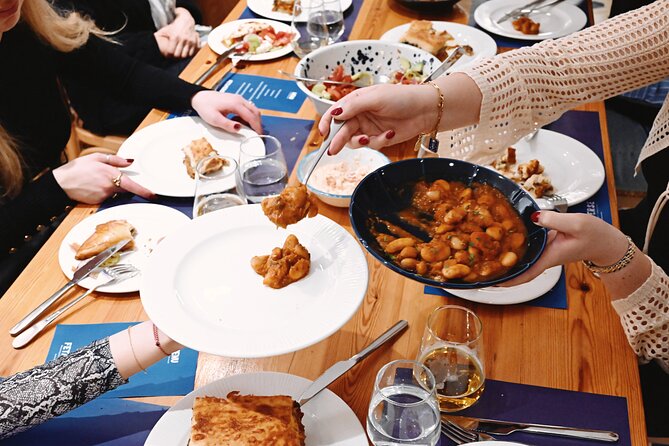
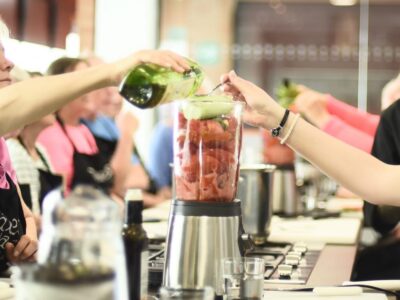
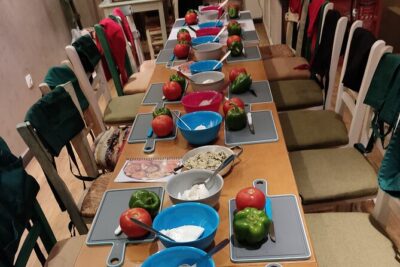
Now the class earns its keep. The hands-on portion is where your learning turns practical, because you’re not just tasting—you’re shaping the dishes.
Here’s what you’ll be making as part of the meal:
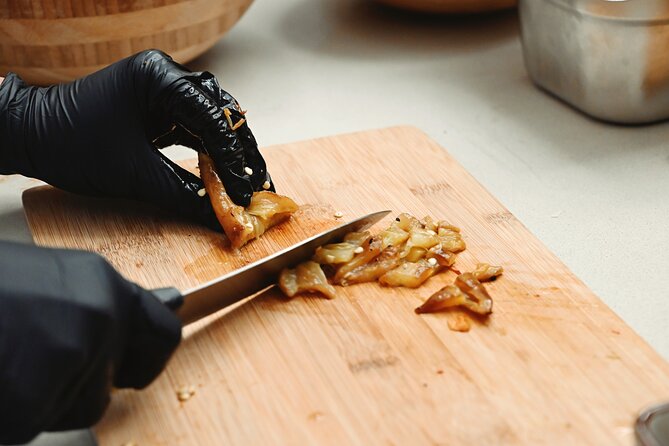
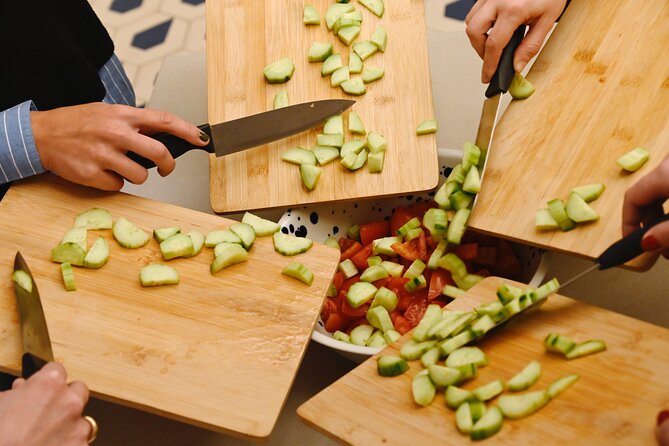
- Tyrokafteri: a spicy feta spread made with feta cheese, yogurt, and roasted red and green peppers
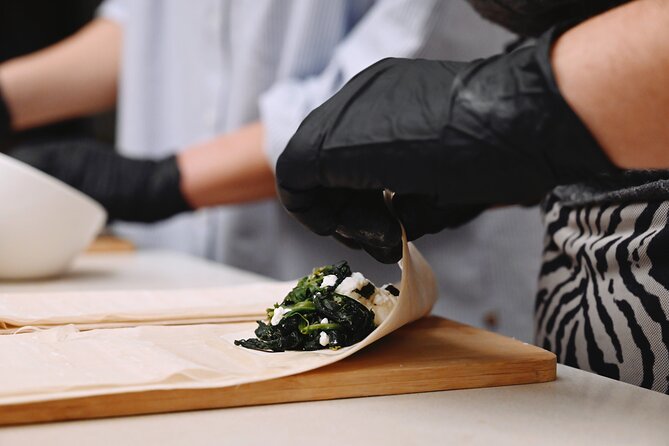
- Mini spinach pies: small pastries with spinach and feta
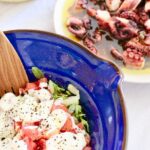
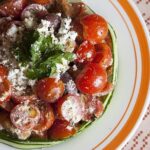
- Greek salad: built from seasonal ingredients (so it’s not the same salad everywhere)
Even the starters help set the stage. You’ll start with a bread selection with olive oil, then move into tyrokafteri as a signature feta moment.
A quick note on flavor expectations: tyrokafteri includes peppers and is described as spicy. If your spice tolerance is low, you’ll still get the process experience, but you may want to plan how you’ll pace bites. The rest of the menu is classic Greek comfort food.
Also, because this is a smaller group format (max 15), you’re more likely to actually get hands-on time rather than only watching a demo. That’s one reason the experience feels special in reviews: it’s a full-food workshop, not a quick taste-and-leave.




Set the Table and Feast: Moussaka or Giant Beans, Plus Halva
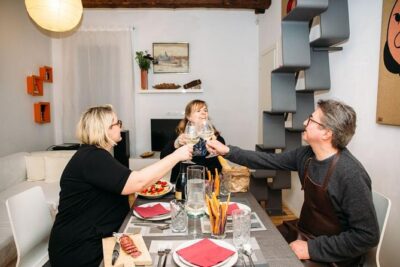
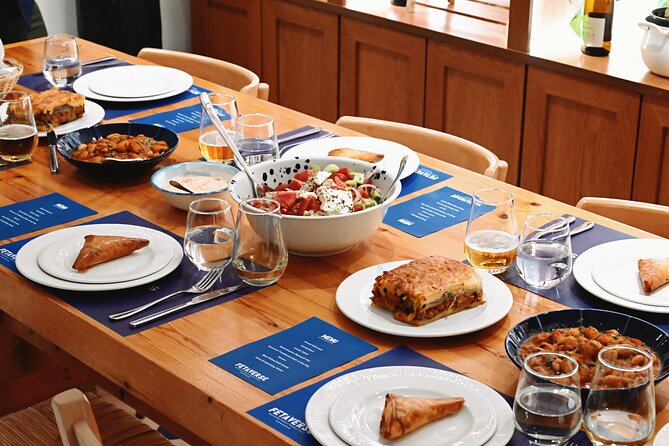
After cooking, you sit down and eat like a group should. This is not a “stand and snack” setup. You’ll set the table, then enjoy the meal together with warm conversations.
Your main course choice is a smart, reader-friendly touch:
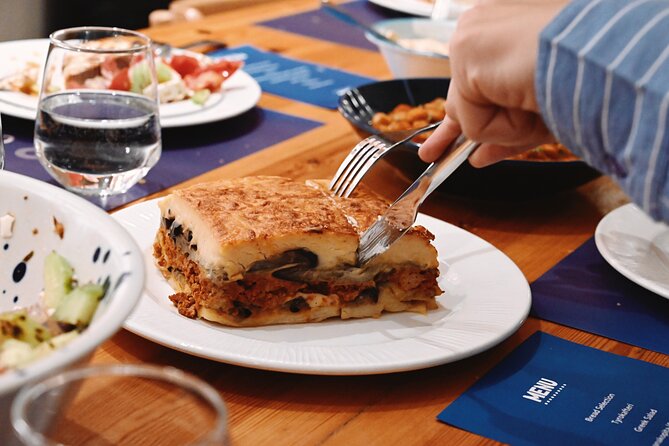
- Greek moussaka: eggplant, potatoes, spiced ground meat, and creamy béchamel sauce
- Gigantes: giant beans in tomato sauce, a vegetarian option
A lot of cooking classes offer vegetarian options as an afterthought. Here, the vegetarian main is a full dish in its own right, not just a substitute. That makes it easier for you to enjoy the meal without feeling like you’re missing the point.
You’ll also have local wine and beer alongside the food. That pairs nicely with the class theme: tasting and story come together at the table, so the flavors feel earned rather than random.
Dessert closes things out with Greek halva, served as a homemade semolina cake with ice cream. It’s a sweet finish that matches the Greek comfort-food vibe of the rest of the menu.
Why This Class Works: Teaching Through Food, Not Just Telling
Some experiences teach you facts. This one teaches you habits—how to pay attention. The blind cheese test trains your senses. The PDO explanation gives you the why behind what you noticed. Then cooking forces you to connect theory to technique.
I especially like how the program treats feta as a cultural thread. Instead of saying feta is important, it shows you why it matters: the origin label, the producers, and the land-based logic behind the product.
And the social side is real. Reviews point out that it’s a great break from the usual routine and a solid way to meet people without awkwardness. If you’ve ever been to Athens and found yourself mostly moving between sites, this is a day that slows down and lets you connect with the city through food.
Price and Value: What $96.74 Really Buys You
At $96.74 per person, Fetaverse sits in the mid-range for a cooking class in Athens. The question is: do you get enough to justify it?
In my view, the value is in four things you typically don’t get all at once:
- A full set of dishes, not just one recipe
- A guided tasting experience (the blind challenge)
- A sit-down meal with both savory courses and dessert
- A small-group setup (max 15) that supports real interaction
If you only wanted a quick cooking demo or a single cheese plate, you’d pay less elsewhere. But if you want a structured, memorable 3-hour food experience with a clear theme, this price makes sense.
Also, this is offered in English, which reduces the risk of feeling lost. You’re not relying on guesswork to understand the story side of the class.
Where It Starts in Athens, and How to Plan Your Timing
The meeting point is Veikou 93, Athina 117 41, Greece, and the start time is 12:00 pm. The session ends back at the same place.
The practical upside: you don’t need to figure out how to transport yourself afterward. Plan your morning around being able to get there on time. Because it’s near public transportation, it’s generally easier to reach than if you needed a taxi to a remote area.
If you’re combining this with other Koukaki plans, think of it as a meal anchor. You’ll likely want a lighter breakfast or snack so you can enjoy the cooking and the full dinner without feeling stuffed before you begin.
Who This Cooking Class Is Best For
This class is a strong fit if you:
- Love feta and want to understand it beyond taste
- Enjoy learning through hands-on cooking
- Want a fun, social experience that’s not just a museum stop
- Like the idea of Greek food stories tied to real producers and place
It’s also a good choice for food-focused travelers who want something different from the typical Athens checklist. The reviews highlight that it’s not only delicious, but also an experience with characters, unexpected moments, and a sense of meaning tied to food choices.
If you’re traveling as a couple or small group and want an activity that feels personal, the private class format works well—especially with a max of 15.
Should You Book Fetaverse in Koukaki?
If you’re the kind of traveler who likes your food with context, Fetaverse is worth booking. The combo of tasting first, then cooking, then feasting makes the experience feel complete. The strongest promise here is that feta becomes a guided journey for your senses, not a random cheese plate.
The only real reason not to book is if you know you want zero spice or you’re not interested in a cheese-centered theme. If that’s you, check details during booking and consider whether tyrokafteri fits your preferences.
Otherwise, this is the kind of Athens experience that leaves you with something more lasting than a photo: you walk away knowing what to look for next time you’re choosing feta.