REVIEW · HO CHI MINH CITY
Vietnam Flavour: Market-to-Table & The Art of Egg Coffee
Book on Viator →Operated by Vietnam Flavour Cooking Class · Bookable on Viator
Egg coffee and market herbs beat any souvenir. This Ho Chi Minh City class turns you loose on market-to-table ingredients, then guides you through Vietnamese cooking in a leafy garden setting, with an egg coffee session built in.
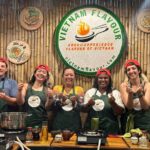
I like how it’s truly hands-on: you’re at your own station, chopping and cooking alongside a chef guide who explains the why, not just the what. I also like the small-group feel (max 8), so you’re not waiting around for instructions.
One thing to plan for: the experience isn’t recommended for kids under 6, and the outdoor garden kitchen means you should take mosquito protection seriously.
In This Review
- Key things to notice before you go
- Market-to-table starts at Cửa Tây Chợ Bến Thành
- A leafy garden kitchen escape (and why it helps you cook better)
- Hands-on Vietnamese cooking: 3 main courses with real technique
- Vietnamese coffee and the egg coffee session
- What you’ll eat at the end (and why sitting matters)
- Recipes, souvenirs, and the confidence to cook again
- Price and value: where $45 actually makes sense
- Who this is best for (and who should skip)
- Book it or skip it: my decision guide
- FAQ
- How long is the Vietnam Flavour cooking class?
- Where does the class start in Ho Chi Minh City?
- Does the class include a market tour?
- How many people are in the group?
- Is egg coffee included?
- Do you get coffee or tea during the class?
- Are there vegetarian, halal, or vegan options?
- Can the class accommodate allergies?
- Will I get recipes and souvenirs?
- Is there free cancellation?
Key things to notice before you go
- Market stop at Cửa Tây Chợ Bến Thành where you’ll see produce, herbs, and spices that actually power Vietnamese flavors
- Max 8-person group plus your own private station, so you cook instead of watching
- 3 main courses with a chef guide plus coffee/tea guidance and an egg coffee session
- Outdoor garden kitchen that feels like a break from busy Saigon streets
- Dietary options on request including vegetarian and halal, with vegan options also mentioned
- Recipes and a few souvenirs to take the experience home
Market-to-table starts at Cửa Tây Chợ Bến Thành
The class begins at Cửa Tây Chợ Bến Thành (21, 23 Phan Chu Trinh, Phường Bến Thành, Quận 1). That matters because Vietnamese cooking is built on fresh herbs, sharp aromatics, and sauces that taste different when ingredients are right.
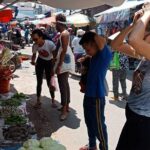
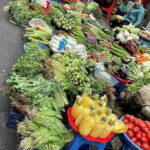
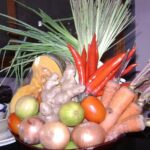
You’ll start with a market tour (classes run in both the morning and afternoon). This isn’t a quick walk past stalls. You’re there to learn what you’re buying and why it belongs in the dish. Expect guidance on common Vietnamese ingredients—things like herbs and spices you might only see in small bunches at home specialty stores.
What I like about starting in the market is how it changes your cooking mindset. You stop thinking of recipes as lists and start thinking in flavor jobs: fresh for lift, aromatics for depth, and balance for that sweet-sour-salty feel Vietnamese food is famous for.
Practical tip: wear closed-toe shoes and pick clothes you don’t mind getting a little warm. Markets in Ho Chi Minh City move fast, and you’ll be standing and walking while you learn.
You can also read our reviews of more tours and experiences in Ho Chi Minh City.

A leafy garden kitchen escape (and why it helps you cook better)
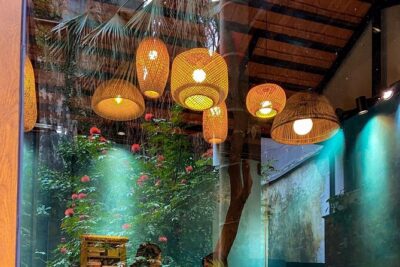
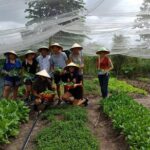
After the market, you move to the cooking venue—an outdoor garden setting with lots of shade and greenery. More than once, people mention it as a calm pocket inside a loud city, with open-air cooking under bamboo huts and trees.
That setting isn’t just pretty. It affects how the class feels:
- It’s easier to relax, listen, and focus on technique when you’re not packed into a tight indoor room.
- Cooking outdoors helps you smell ingredients as you learn them, which is a big part of getting sauces and seasoning right.
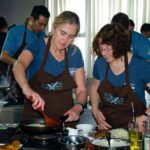
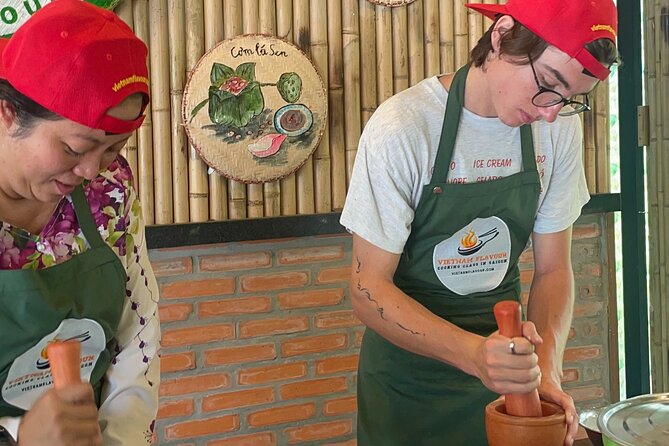
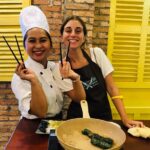
During the class, you’ll be working at your own private station. That’s a real quality-of-life upgrade. With your own setup, you can practice chopping, sautéing, and building sauces without feeling like you’re taking turns around one shared pan.
One caution: because it’s outdoors, you’ll want mosquito protection. People have specifically advised bringing anti-mosquito care and wearing clothing that covers your legs.
Hands-on Vietnamese cooking: 3 main courses with real technique
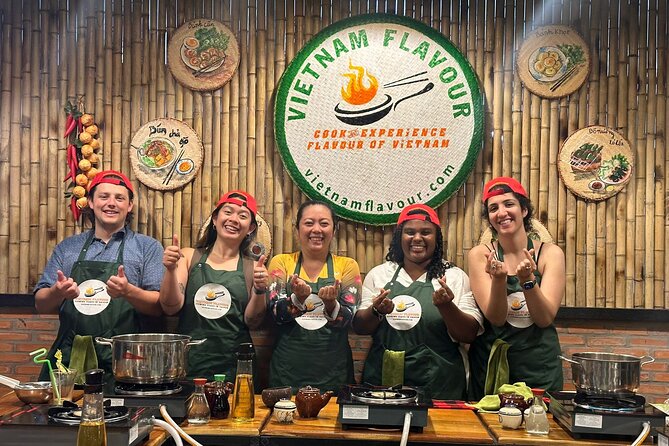
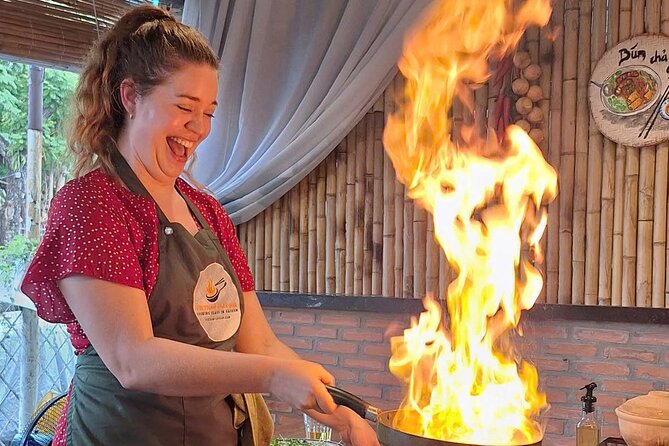
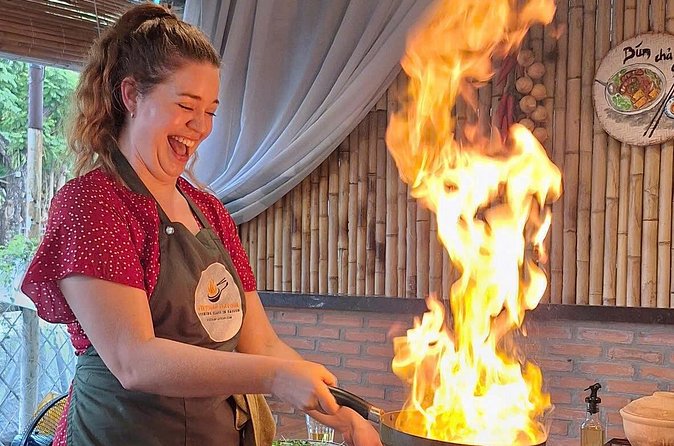
This class is designed around active cooking. You’ll get a chef guide who leads you through three main courses. The exact dishes change daily, but the structure stays consistent: learn technique, cook your portion, then sit down to enjoy what you made.
You should expect a practical skill focus, not just watching someone cook. People describe lessons that cover core methods like:
- chopping efficiently
- sautéing and controlling heat
- balancing flavors so the dish tastes Vietnamese, not just salty or sweet
A nice detail is the pacing. In classes like this, the best part is when the chef explains timing—when to add aromatics, when to adjust seasoning, and what to look for as the dish cooks. That’s the difference between memorizing steps and actually gaining confidence.
Also, plan to eat well. One strong tip that keeps coming up: don’t arrive stuffed. Even if you think you’ll go light, you’ll still want room for tasting your own food afterward.
Vietnamese coffee and the egg coffee session
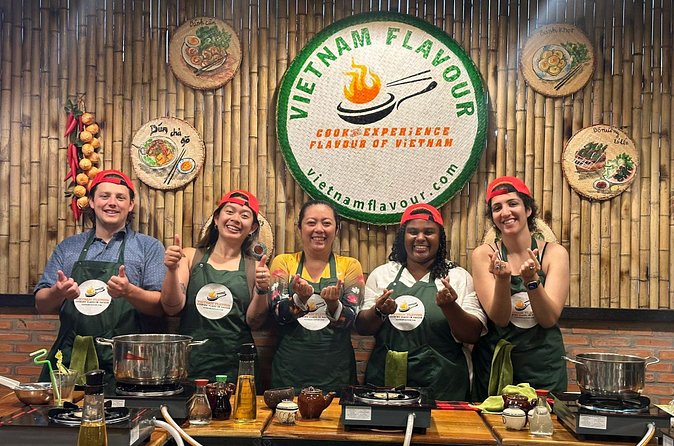
One of the signature experiences here is the egg coffee session. You don’t just drink it; you get Vietnamese coffee-making guidance, plus coffee and/or tea as part of the experience.
Egg coffee is a big deal in Vietnam for a reason. It’s creamy, sweet, and surprisingly smooth—something between dessert and drink. In practical terms, this part of the class gives you a “Vietnam food culture” moment that’s different from a typical cooking-only class.
If you have dietary rules, this is the point to think ahead. The tour mentions vegan options upon request, but egg coffee is often made with ingredients that can be tricky for strict vegan diets. One vegan participant noted there was no substitute for condensed milk. So if vegan is your thing, ask directly during booking about what can be swapped in egg coffee and any sweet components in the dessert portion.
If coffee isn’t your thing, you’re still covered with coffee/tea guidance. And if you don’t drink coffee, the class includes accommodations described by guests, including alternatives like sugar cane juice.
What you’ll eat at the end (and why sitting matters)
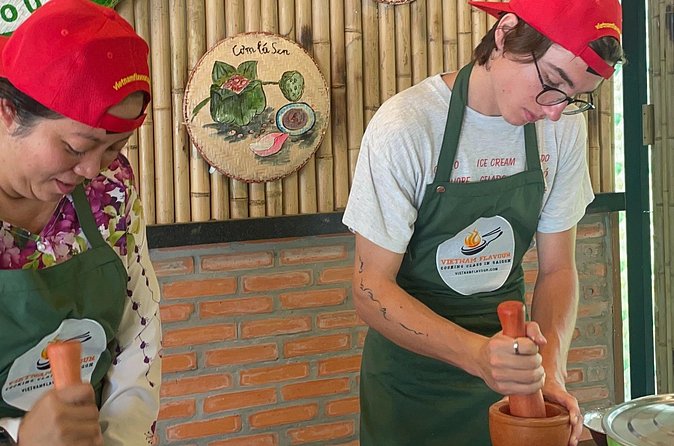
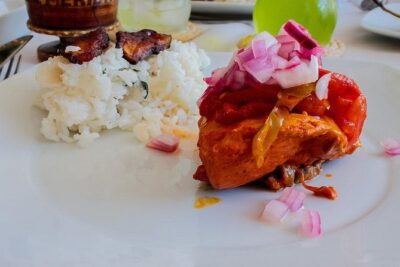
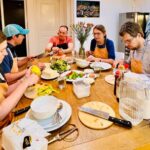
After cooking, you’ll enjoy your meal in a relaxed setting and share it with the group. This is a key part of the experience. You don’t just learn technique and leave—you get the feedback loop of tasting your food after you’ve cooked it.
Because the menu changes daily, you can’t rely on the exact dish list before you go. But you can rely on the format: multiple dishes you actively make, then you eat together with the chef guiding you through the final flavor checks.
This “cook, taste, learn” rhythm is the quickest way to turn cooking class notes into kitchen confidence at home. You’ll notice the difference between under-seasoned and properly balanced sauces immediately.
Recipes, souvenirs, and the confidence to cook again
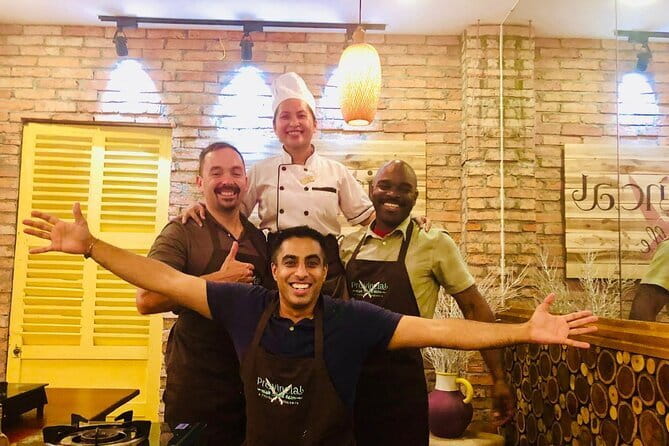
The class includes detailed recipes you can take home. That matters because Vietnamese cooking can feel vague if you only have a traditional recipe card. Learning flavor balancing and technique is one thing. Having written guidance to recreate it later is what makes the class useful after your flight.
You’ll also receive a few souvenirs. These are small, but they fit the theme: market flavors, cooking tools/keepsakes, and Vietnamese food culture—things you can actually remember when you’re back at your grocery store trying to find the right herbs.
If your goal is to bring back more than photos, this part helps. The practical recipes plus what you learned in the market give you a way to recreate the taste rather than just the memory.
Price and value: where $45 actually makes sense
At $45 per person for about 4 hours, this is good value when you look at what’s included:
- Market tour for morning and afternoon classes
- Chef guide for 3 main courses
- Your own private station
- Coffee/tea guidance
- Egg coffee session
- Recipes plus a few souvenirs
- All fees and taxes
Cooking classes can get expensive fast when they’re just hands-on tasting with little structure. Here, the market-to-kitchen format is part of the price, and it changes what you learn. You’re paying for ingredient education, not only cooking time.
Group size also matters. With max 8 travelers, you’re less likely to get stuck waiting for a turn at a shared station. That time difference is real money in your experience.
One more value point: dietary options are built in. The tour says the menu changes daily and includes options for vegetarian, halal, and vegan (with requests), plus allergy needs handled. That flexibility can be rare, especially in experiences that rely on sauces and specific ingredients.
Who this is best for (and who should skip)
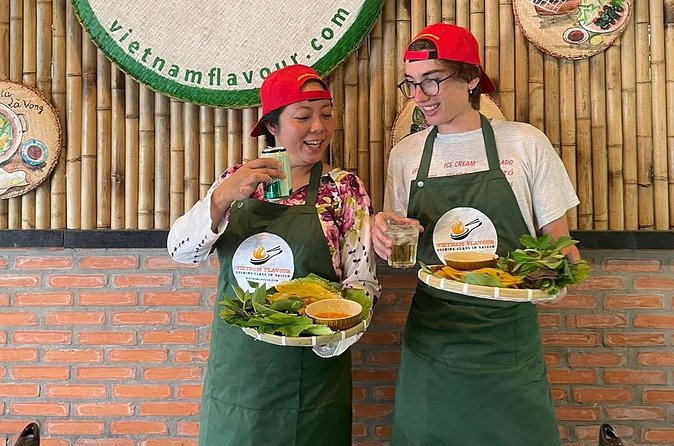
This is a strong pick if you want:
- a Ho Chi Minh City food experience that’s more local than restaurant-hopping
- hands-on cooking with real technique explanations
- a signature stop like egg coffee, not just basic coffee
- a small-group class with a garden escape feel
It may be less ideal if:
- you’re traveling with kids under 6 (not recommended)
- you hate mosquitoes and won’t bring protection
- you want a fully fixed menu (the dishes change daily, so you can’t count on one exact dish)
If you’re an experienced home cook, you’ll still likely find useful technique tips—especially around balancing flavors. If you’re a beginner, you’ll probably appreciate the structured guidance and the fact that everyone cooks at their own station.
Book it or skip it: my decision guide
Book this class if you care about learning Vietnamese cooking in a way that sticks. The market start plus the egg coffee session makes it feel like more than a meal—it’s culture you can recreate.
Consider a different option if you’re traveling with very young kids, or if your dietary needs require ingredient swaps and you’re not willing to ask specific questions ahead of time (especially for egg coffee and sweets).
If you do book, do two things right after booking: ask about how they handle your diet (vegetarian/halal/vegan and allergies) and pack mosquito protection. Then show up hungry and be ready to cook, taste, and take notes like you mean it.
FAQ
How long is the Vietnam Flavour cooking class?
It lasts about 4 hours (approx.).
Where does the class start in Ho Chi Minh City?
You meet at Cửa Tây Chợ Bến Thành, 21, 23 Phan Chu Trinh, Phường Bến Thành, Quận 1, Thành phố Hồ Chí Minh, Vietnam.
Does the class include a market tour?
Yes. There is a market tour for both morning and afternoon classes.
How many people are in the group?
The class has a maximum of 8 travelers, keeping it small and intimate.
Is egg coffee included?
Yes. The experience includes an egg coffee session.
Do you get coffee or tea during the class?
Yes. Coffee and/or tea are included, and you’ll receive Vietnamese coffee-making guidance.
Are there vegetarian, halal, or vegan options?
Vegetarian and halal options are available upon request, and the overview also states there are plenty of options including vegan.
Can the class accommodate allergies?
The overview says allergies are handled, with the team covering allergy needs.
Will I get recipes and souvenirs?
Yes. You’ll receive detailed recipes and a few souvenirs to bring home.
Is there free cancellation?
Yes. Free cancellation is available if you cancel at least 24 hours in advance for a full refund.