REVIEW · POSITANO
Positano: Small Group Cooking Class with Prosecco & Dessert
Book on GetYourGuide →Operated by Naples Together · Bookable on GetYourGuide
Cooking in Positano beats another dinner out. You get a hands-on, chef-led meal that feels local fast, with wine or sparkling Prosecco and dessert you actually help make. I especially love the freedom to choose from several classic pasta and dessert options, and I also like how the chef’s energy keeps everyone moving. One drawback: it’s not a family class, since it’s not suitable for children under 12 and baby strollers aren’t allowed.
This is a small-group experience capped at 10 people, so you’re not stuck watching from the sidelines. You’ll cook an appetizer, a pasta first course, a second course (meat or fish), and then finish with your dessert choice, plus coffee or cappuccino. If your idea of a great trip includes learning a few reliable recipes you can repeat at home, this one fits.
In This Review
- Key things you’ll notice right away
- Why this Positano cooking class feels like more than dinner
- Entering the kitchen: what you’ll make from start to finish
- Appetizer choices
- First course: choose your pasta (or risotto)
- Second course: meat or fish
- Dessert choices
- The pasta part you’ll remember: hands-on technique, not just plating
- Meat or fish: how the second course changes the mood
- Drinks, coffee, and dessert: the part that makes it feel like a celebration
- The chef-led vibe: what good teaching changes
- Dietary needs and who can join
- Pace, group size, and the “three hours” reality
- Value check: what you’re paying for
- What you take home: the recipe book and the special gift
- Best for whom this Positano cooking class fits
- Should you book this Positano cooking class?
- FAQ
- FAQ
- How long is the cooking class?
- How many people are in the group?
- What languages are the chef and instructor using?
- What does the class include?
- What kinds of pasta dishes are available?
- Can I choose my dessert?
- Is wine or Prosecco included?
- Are there gluten-free or lactose-free options?
- Is it suitable for children?
- What’s the cancellation policy?
Key things you’ll notice right away
- A true multi-course Amalfi Coast menu you cook, not just sample
- Multiple pasta and dessert choices so the meal fits your tastes
- Wine or Prosecco included with water at the table
- Dietary options available for gluten-free and lactose-free needs
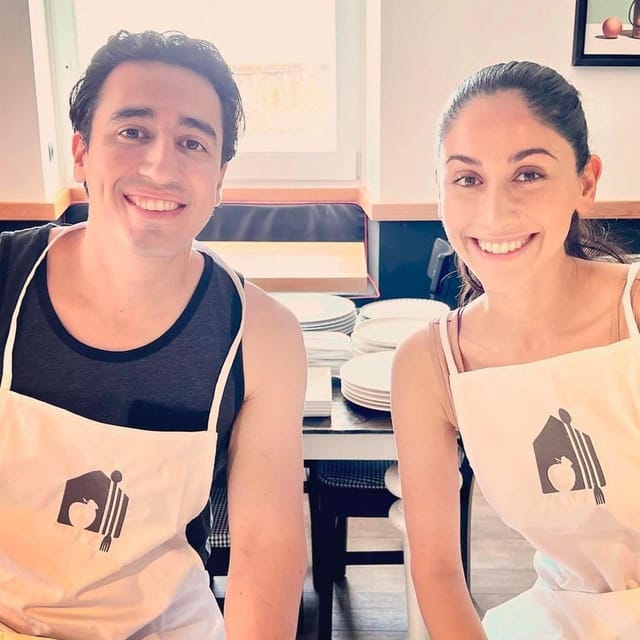
- Small groups can feel personal (sometimes it’s just a couple of people)
- You leave with a recipe book plus a special gift
Why this Positano cooking class feels like more than dinner
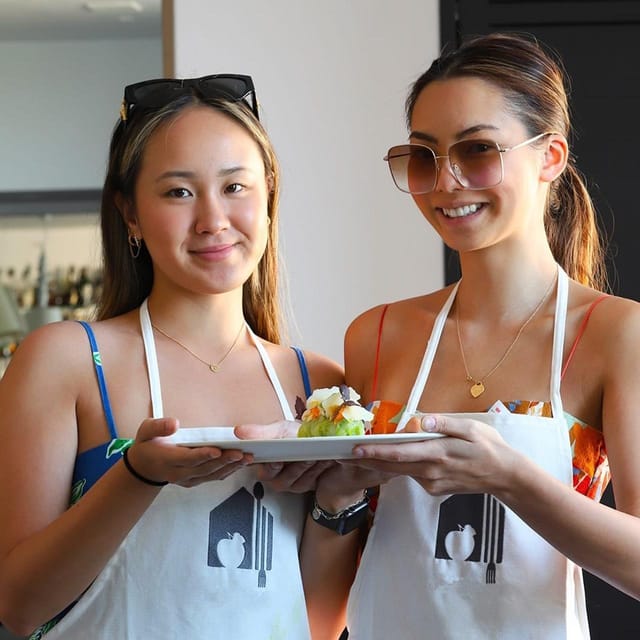
Positano is famous for views. But the best part of this experience is what happens after you stop looking around. In about three hours, you go from learning basics to putting a full meal on the table, all with a local chef guiding you step by step.
I like that it’s built for interaction. You’re not trying to figure things out while everyone else moves ahead. The group stays small (up to 10), which makes it easier to ask questions and get quick corrections. In one real-world example, the class ended up being just a couple before the restaurant opened for dinner service. That kind of small, quiet focus is the dream if you hate feeling rushed.
There’s also a social comfort to the format. You cook, you eat, and the chef is engaged and excited to teach. That matters, because good teaching makes even familiar dishes feel new. And when the food is excellent, the whole thing clicks.
You can also read our reviews of more tours and experiences in Positano.


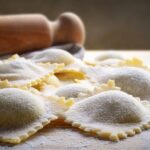
Entering the kitchen: what you’ll make from start to finish
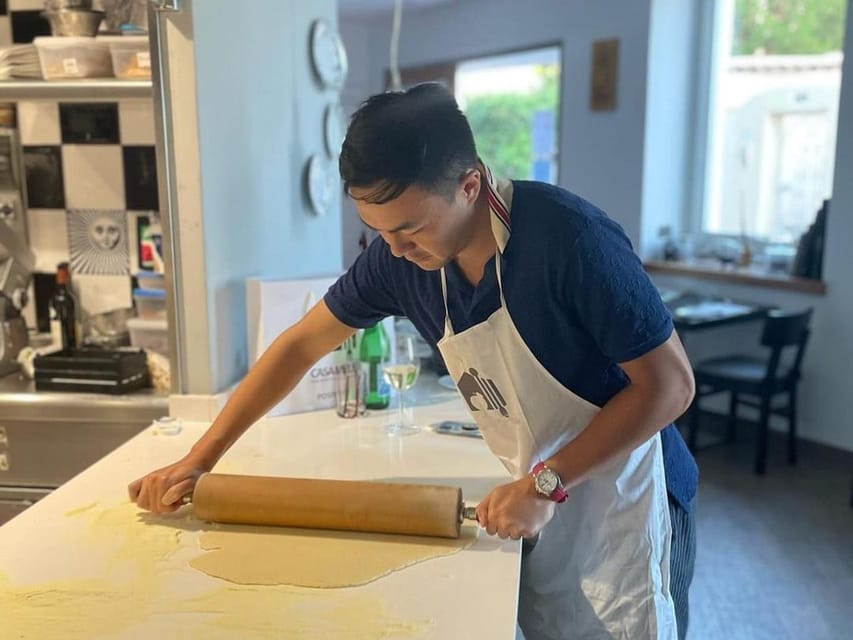
You’ll start with an appetizer, then move through pasta, then a second course, then dessert. It’s a logical flow that keeps your brain engaged. You’re always working on the next step, but you still have time to settle into the meal when it’s ready.
Here’s what’s on the menu structure:
Appetizer choices
You’ll begin with one appetizer option, selected from the lineup such as:
- arancino
- mini fried calzones
- eggplant bites
- potato croquettes
- stuffed zucchini flowers
What I like about this start is the range of textures. Fried and stuffed bites help you understand the region’s comfort-food side, and they set you up for the pasta work that comes next.
First course: choose your pasta (or risotto)
Your first course is one of the following, depending on what you select:
- ravioli with tomato sauce and mozzarella
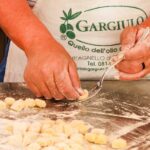
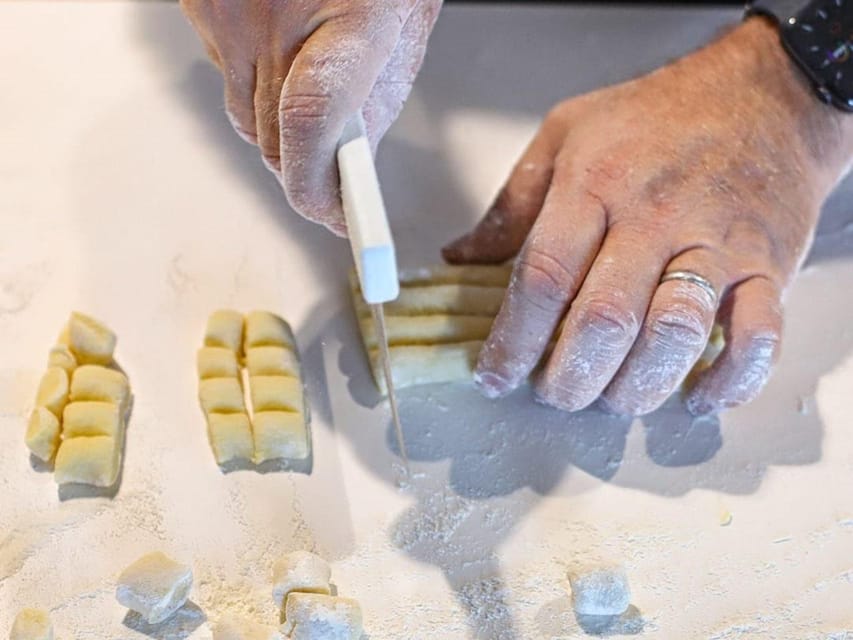
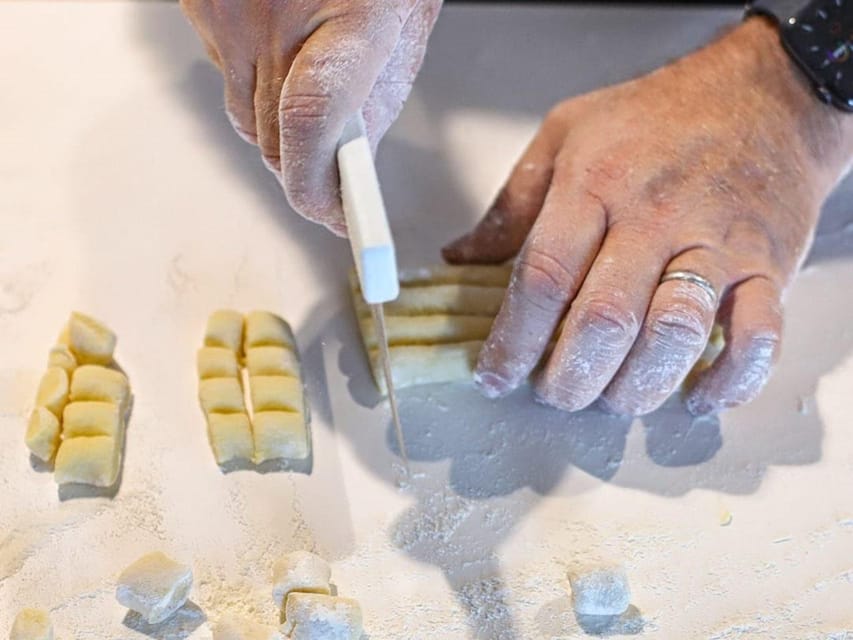
- gnocchi with lemon sauce
- cavatelli with fresh cherry tomatoes
- scialatielli with egg and mozzarella
- risotto with pumpkin and rosemary
This is a big deal for value. Some cooking classes give you one pasta choice and that’s it. Here, you’re encouraged to pick what you actually want to eat. If you’re visiting the Amalfi Coast and you’re a little picky, this format helps you get a menu that feels tailored.
Second course: meat or fish
Next comes your second course. You’ll choose either a meat-based dish or a fresh fish option. The point isn’t just variety. It’s learning how Italian chefs think about timing and flavor building across two different cooking styles.
Dessert choices
You finish with dessert, choosing from:
- tiramisu
- fruit tart
- a traditional Positano sweet
Dessert is where a class can feel weak in other places. Here, it’s structured as a real final step, not an afterthought, and you’ll get to experience the whole arc of the meal.
The pasta part you’ll remember: hands-on technique, not just plating

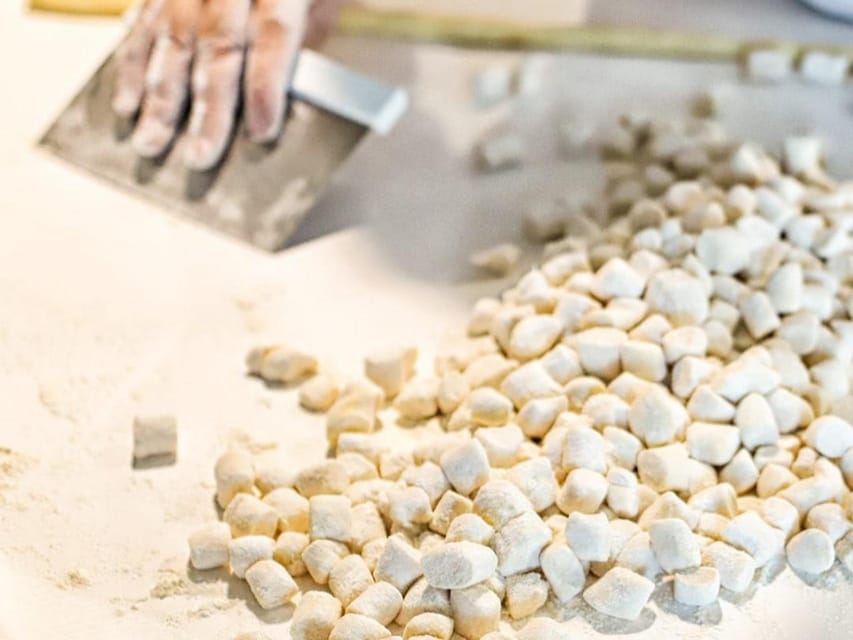
The most memorable skill in this class is likely how you handle the pasta step. Even if you’ve cooked at home before, the chef-led approach helps you understand what you should prioritize: sauce texture, proper mixing, and the timing that keeps food tasting fresh rather than cooked and tired.
For the ravioli option, you’ll focus on the combination of tomato sauce and mozzarella. It’s comforting and straightforward, but it teaches you how a simple sauce becomes the backbone of a dish when it’s done with care.
If you pick gnocchi with lemon sauce, you’ll get a more bright, quick flavor profile. Lemon changes the whole vibe of the dish. You’ll learn how to keep it lively rather than harsh.
Cavatelli with fresh cherry tomatoes is all about balancing fruitiness with seasoning. It’s the kind of dish that tastes like summer even when you make it off-season.
Scialatielli with egg and mozzarella leans into richness. This is where you start appreciating why Amalfi-area cooking uses comforting elements so confidently.
And if you choose the pumpkin and rosemary risotto route, you’ll see how patience works in Italian cooking. Risotto isn’t just a stir. It’s a controlled process, and it’s a great option if you want a dish that feels like a treat.
Meat or fish: how the second course changes the mood
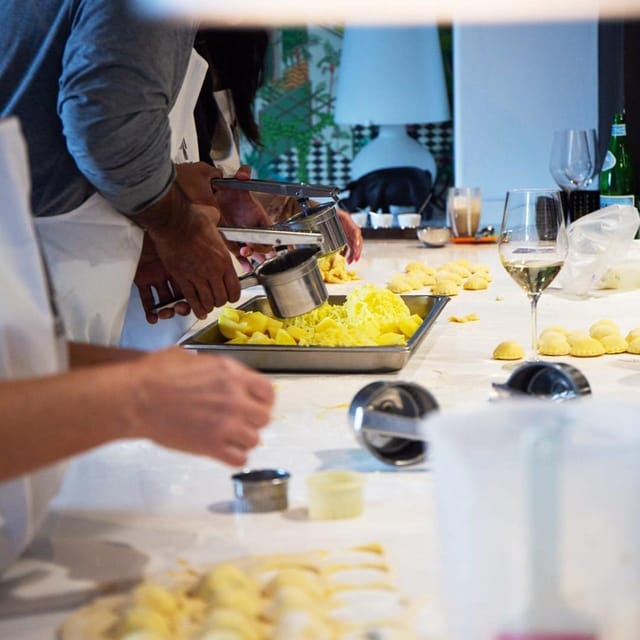
The second course is your checkpoint meal. By this point, you’ve likely learned the most important hands-on technique(s) from the pasta phase. Then you shift gears to a meat or fish dish, depending on your selection.
Why it matters: meat and fish often force different attention. Fish tends to be about not overdoing it. Meat can handle different textures and cooking approaches. Either way, you’ll leave with a clearer sense of how Italian kitchens treat the main event.
Even though the specific recipe details aren’t listed here, the structure is clear: you’ll cook the second course with the chef guiding you. Then you get to sit down and eat it as part of the same experience, not carry it around like a souvenir.
Drinks, coffee, and dessert: the part that makes it feel like a celebration
You’ll enjoy your meal with water plus a glass of local wine or sparkling Prosecco. That choice helps the experience match your mood. Wine fits if you want a classic pairing. Prosecco is perfect if you want the whole class to feel like a relaxed, celebratory start to your evening.
After dessert, you also get coffee or cappuccino. It’s a small inclusion, but it makes the meal feel complete in the way true Italian dining often does: food, drink, sweet finish, then the warm last sip.
Dessert choices are a big reason this class gets strong feedback. Tiramisu and fruit tart are familiar enough that you can compare results with what you know. A traditional Positano sweet gives you a chance to taste something that feels more tied to the place, not just to generic Italian cooking.
The chef-led vibe: what good teaching changes
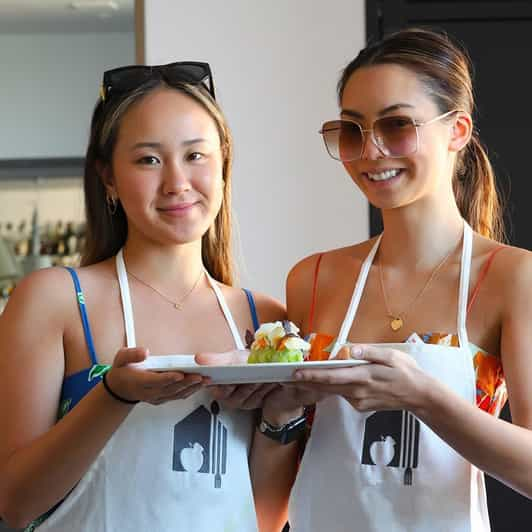
This is not a silent cooking class where you’re judged on technique. The chef and head chef are engaged, and that energy matters because it keeps you from getting stuck.
In at least one case, the timing worked out so the group ended up smaller before restaurant dinner service began. That kind of setup can make the teaching feel extra personal. You’re more likely to get specific guidance rather than generic instructions, and you can ask questions without the room feeling crowded.
Another plus: the class is taught in English and Italian. Even if your Italian is limited, you can usually follow along. You also get to hear the logic behind each dish, which is what helps you repeat it at home.
Dietary needs and who can join
This class includes gluten-free and lactose-free options. That’s important, because it means you’re not stuck treating the class like a buffet where you only watch others eat.
It also helps your budget and time. If you’ve ever tried to travel with restrictions, you know how much value you lose when the only options are substitutions. Here, the format is set up to handle those needs as part of the menu.
On the flip side, it’s not suitable for children under 12. And baby strollers and baby carriages aren’t allowed. If you’re traveling with small kids, you’ll want a different plan.
Pace, group size, and the “three hours” reality
Plan for a real 3-hour block. You’re cooking and then eating, so it’s not a quick demo. You should also arrive about 10 minutes early so you’re settled before things start.
With a small group capped at 10, the pacing stays friendly. You won’t be waiting forever for instructions. At the same time, it’s still active. If you don’t like getting your hands messy, bring that attitude, not a hope. You’ll be hands-on.
If you’re weighing this against a sightseeing day, think of it as a core activity rather than an extra stop. It’s a good use of time in Positano because it gives you something tangible: skills, flavors, and a recipe book you’ll actually open later.
Value check: what you’re paying for
At $234.50 per person for a 3-hour class, you’re paying for more than ingredients. Here’s what makes the cost feel reasonable:
- The full meal is included: appetizer, pasta first course, second course, dessert
- Drinks are included: wine or Prosecco plus water
- Coffee or cappuccino is included
- You get a recipe book of everything you prepared
A lot of classes charge similar prices but skip one or more of those pieces. This one strings them together. If you enjoy learning and you’d rather make one “experience meal” than do a bunch of separate dinners, this is strong value.
Also, the ability to choose your pasta dish and dessert improves your odds of loving what you eat. That reduces the risk you’d regret the money because you ended up with a menu you didn’t want.
What you take home: the recipe book and the special gift
The best souvenir isn’t a magnet. It’s the recipe book. You receive a complete recipe book containing all the dishes prepared in the class. That’s how you turn this trip from a one-night memory into something you can recreate.
You’ll also receive a special gift. The details of the gift aren’t specified here, but the inclusion is part of the package, so you shouldn’t feel like you’re getting only the meal and the drink.
If you cook at home even occasionally, you’ll get extra mileage out of this. The class format is built to teach you enough that the recipes make sense later.
Best for whom this Positano cooking class fits
This class makes the most sense if you:
- want a hands-on food experience instead of just eating out
- like classic Amalfi Coast flavors but want guidance
- care about having a menu that matches your tastes (pasta and dessert choices)
- need gluten-free or lactose-free support
- want a memorable couples activity or small-group food outing
It’s especially good for food lovers who travel with curiosity. If you enjoy asking how things are done, you’ll get plenty of chances to do that.
If you’re the type who only wants sightseeing and minimal structure, this may feel a bit too focused. And if you’re traveling with children under 12, it won’t work with the class rules.
Should you book this Positano cooking class?
Book it if you want a full, chef-guided meal in a small group, with drinks and dessert included, plus a recipe book you can use later. The strongest reasons to choose it are the menu variety, the hands-on learning, and the consistently praised quality of the food and chef teaching.
Skip it if you need a kid-friendly option (it’s not suitable for kids under 12) or if strollers and carriages are part of your travel setup. Also think twice if your schedule is too tight for a committed 3-hour block.
FAQ
FAQ
How long is the cooking class?
It lasts 3 hours.
How many people are in the group?
It’s a small group limited to 10 participants.
What languages are the chef and instructor using?
The instructor speaks English and Italian.
What does the class include?
It includes an appetizer, a first course, a second course, dessert, a glass of wine or Prosecco, water, coffee or cappuccino, a recipe book, and a special gift.
What kinds of pasta dishes are available?
You can choose among options like ravioli with tomato sauce and mozzarella, gnocchi with lemon sauce, cavatelli with fresh cherry tomatoes, scialatielli with egg and mozzarella, or risotto with pumpkin and rosemary.
Can I choose my dessert?
Yes. Dessert choices include tiramisu, fruit tart, or a traditional Positano sweet.
Is wine or Prosecco included?
Yes. You’ll get a glass of local white or red wine or sparkling Prosecco with your meal.
Are there gluten-free or lactose-free options?
Yes. Gluten-free and lactose-free options are available.
Is it suitable for children?
No. It’s not suitable for children under 12.
What’s the cancellation policy?
Free cancellation is available up to 24 hours in advance for a full refund.