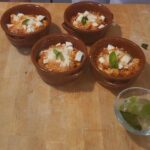
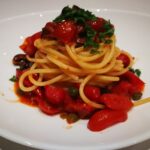
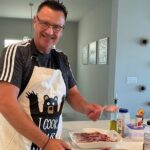
Neapolitan cooking makes you slow down. This chef-led morning pairs Pignasecca market shopping with a hands-on class in a real Neapolitan home.
I like that you don’t just watch. You pick ingredients with guidance and then learn technique for crocchè di patate and handmade gnocchi.
One thing to consider: this is a small-group experience with a minimum number of travelers, so it can be cancelled if too few people book.
In This Review
- Key things that make this class worth your time
- Why start at Pignasecca Market before you cook?
- The short walk to a home kitchen is part of the magic
- What you’ll cook: crocchè, gnocchi, and torta caprese
- Crocchè di patate: learning the classic potato technique
- Handmade gnocchi: where patience pays off
- Torta caprese: chocolate-forward dessert from the Amalfi Coast
- Ragù talk: useful context even if you don’t cook it fully
- The lunch: eating what you made, with local wine
- Price and value: what $90.29 gets you in Naples
- Timing, location, and how to make it easy on yourself
- Who should book this class (and who might want another option)
- A quick “should you book?” decision checklist
- FAQ
- FAQ
- What dishes do I make in the Naples home cooking class?
- How long is the cooking class?
- Where does the experience start and end?
- Is wine included?
- Is the class small group?
- Do I get to eat what I cook?
- Is there a market stop before cooking?
- Are recipes included to take home?
- Do I need to handle train travel to Naples on my own?
- What if I have dietary restrictions?
- What is the cancellation window?
Key things that make this class worth your time
- Pignasecca market shopping with a chef’s eye for what’s seasonal and fresh
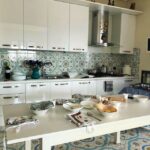
- Hands-on cooking in a home kitchen, not a commercial demo space
- Learning the technique behind crocchè di patate and handmade gnocchi
- Making and serving torta caprese, a chocolate-forward cake tied to the Amalfi Coast
- A proper sit-down meal with local wine and water
Why start at Pignasecca Market before you cook?
I love tours that begin with your hands before your appetite. Here, the morning starts in Naples at the Pignasecca market area, with a guided walk that helps you shop like a local.
You’ll follow the chef’s guidance through neighborhood-style stalls and shops, choosing ingredients you’ll actually use later. This matters because Neapolitan cooking lives and dies by fresh basics—what looks best that day is part of the flavor. Even if you’ve cooked Italian food at home, you’ll feel the difference when the ingredients are selected for the season right in front of you.
It’s also a quick way to understand what locals prioritize. You’ll pick up the logic behind regional specialties: what pairs well, what shows up often, and what’s worth buying rather than guessing. You’re not stuck staring at a lesson board. You’re moving, asking, and learning as you go.
Practical note: the meeting point is Traversa Antonino Pio, 70 (near public transportation). Plan to arrive a few minutes early so you don’t rush the shopping part.
You can also read our reviews of more tours and experiences in Naples.
The short walk to a home kitchen is part of the magic
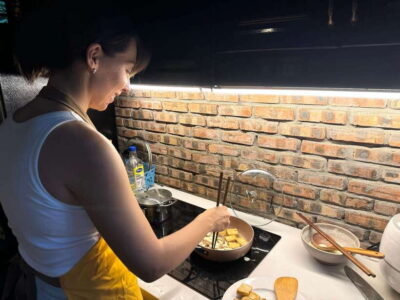
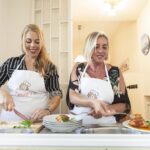
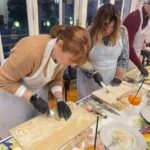
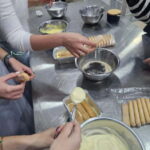
This isn’t staged in a studio kitchen. Your class happens inside a real Neapolitan home, just outside Naples, and that shift changes everything about the vibe.
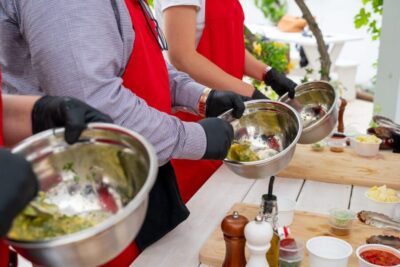
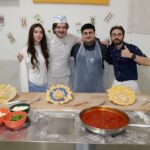
You’ll meet your hostess and then move from shopping into cooking mode. With a maximum of 4 travelers, it feels more like learning with a small circle than being squeezed into a crowded group. That’s a big deal for hands-on classes, because you want time to ask questions and correct small technique issues without feeling rushed.
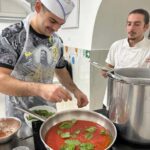
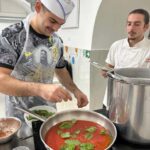
Also, the day is built for learning through doing. You’re not just going through motions; you’re preparing the dishes you’ll eat. When you’re cooking in someone’s kitchen, you notice the small rhythms: how people keep things organized, when they taste, and how they stay relaxed while working.
The overall duration is about 3 hours, which keeps it focused. There’s no “hang around for two extra courses” padding. You’ll go from market to kitchen to lunch at a pace that fits a morning start.
What you’ll cook: crocchè, gnocchi, and torta caprese
The menu is classic Neapolitan comfort food, but you’re cooking it yourself.
Crocchè di patate: learning the classic potato technique
You’ll make crocchè di patate, a Neapolitan staple built around potatoes. What I like most in a class like this is not just getting to the finished plate—it’s learning how the chef thinks while working the ingredients.
You’ll get expert tips as you go, so you’re not guessing at texture, shaping, or timing. The chef-led guidance helps you understand what to aim for and what common mistakes look like in real life. If you’ve ever made gnocchi once and sworn never again, crocchè feels like a friendlier entry point: still classic, still satisfying, but far less intimidating than it seems in restaurants.
Handmade gnocchi: where patience pays off
Then comes handmade gnocchi. This is where the class really earns its value, because gnocchi punishes sloppy technique.
You’ll learn the steps for making dough and forming gnocchi with guidance from the chef. I like that you’re taught in a practical way for a home cook: how to manage the work as it happens, how to stay consistent, and what to watch so your batch comes out the way it should.
Also, gnocchi has a built-in payoff. You’ll see how the shape and handling affect the final result when you sit down to eat. It’s the kind of skill you can practice later at home, especially since you get recipes to take away.
Torta caprese: chocolate-forward dessert from the Amalfi Coast
You’ll finish with torta caprese, described as a chocolate delight from the Amalfi Coast. This is a great closer because it feels festive without being fussy.
In class, you prepare the cake as part of the experience, then you enjoy it at the end with your meal. Even if you’re not a “serious baker,” you’ll leave with a more confident sense of how to follow the recipe and understand what matters most.
And yes, dessert is a big part of why people book this. The good news: it’s not just “watch dessert being served.” You’re involved from start to finish.
Ragù talk: useful context even if you don’t cook it fully
The experience also includes discussion of the legendary Neapolitan ragù and tips to recreate it at home. Ragù is one of those things people argue about—time, ingredients, and technique all get debated.
What you can expect here is guidance aimed at helping you translate local tradition into something you can cook in your own kitchen. Even if ragù isn’t the main dish you prepare during the class, this kind of context is useful. It helps you see why Neapolitan cooking works as a system, not a checklist of recipes.
The lunch: eating what you made, with local wine
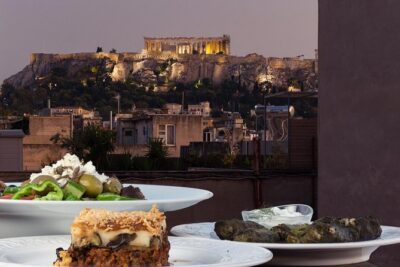
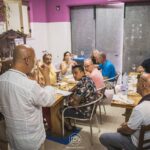
The meal is part of the experience, not an afterthought. After cooking, you’ll sit down for a full lunch that includes what you prepared: crocchè di patate, handmade gnocchi, and torta caprese.
You’ll also have local wine and water included. This turns the class into a real shared meal instead of a quick tasting. You can relax, compare your work to what you expected, and get a better feel for portion, seasoning, and pairing.
For me, this is one of the biggest markers of a good cooking class. If you cook for yourself and then eat the result with wine in a home setting, the whole experience feels honest. You’re not leaving with only photos and a vague memory of a kitchen you never got to enjoy.
Price and value: what $90.29 gets you in Naples
At $90.29 per person, you’re paying for more than a recipe packet. You’re buying three things together: ingredient shopping time, a guided hands-on class, and a sit-down lunch with drinks.
For a 3-hour experience, the value comes from the full package:
- You get guided market shopping (so you’re learning how to choose ingredients)
- You get hands-on coaching (so you learn techniques you can repeat)
- You get a complete meal plus local wine and water
- You receive recipes to take home
Is it “cheap”? No. But it’s also not just a food tasting. When you factor in that you’re cooking multiple dishes and eating them right away, the price starts to make sense—especially in Naples, where local food is the main event.
One more practical detail: since it’s capped at 4 travelers, the chef isn’t splitting attention across a big crowd. Smaller groups usually cost more per person, but you tend to get more useful instruction.
Timing, location, and how to make it easy on yourself
The class starts at 10:00 am and ends back at the meeting point at Traversa Antonino Pio, 70. The experience runs about 3 hours, so you’ll want to keep your afternoon flexible.
You should also know that transportation back to your hotel isn’t included. The listing notes that you’ll handle round-trip train travel yourself, with directions provided. That’s normal for neighborhood-based food experiences, but it’s worth planning so you’re not hunting for directions right after lunch.
Because the meeting point is near public transportation, getting there should be straightforward. Still, I recommend you arrive a little early and take a moment to orient yourself—market mornings can move fast.
Finally, if you have dietary restrictions, communicate them in advance. That’s the best way to avoid surprises, especially when you’re cooking multiple dishes in someone’s home kitchen.
Who should book this class (and who might want another option)
This is a great fit if you:
- Want hands-on cooking rather than a lecture
- Enjoy Neapolitan classics like gnocchi, crocchè, and torta caprese
- Prefer small groups (maximum 4 travelers) and a home-kitchen setting
- Like learning how locals shop, not just what to order in restaurants
You might want to skip it—or at least check carefully—if:
- You’re booking solo and are sensitive to schedule risk, because there’s a minimum traveler requirement
- You want a longer day with more courses or a bigger geographic tour
- You don’t want to handle getting to the meeting point independently (train travel isn’t included)
A quick “should you book?” decision checklist
If your goal is to leave Naples with real kitchen confidence, I think this class is a smart pick. You get market shopping guidance, you cook several iconic dishes, and you eat what you make with local wine—plus recipes to recreate it later.
I’d book it if you can travel at the start time (10:00 am) and you’re comfortable with a small-group, home-kitchen setup. If you’re traveling in a group of 2–4, it should feel especially comfortable.
I’d also recommend booking sooner rather than later. These experiences often get reserved ahead (it’s commonly booked around 67 days in advance), and small-group classes fill up quickly.
FAQ
FAQ
What dishes do I make in the Naples home cooking class?
You’ll prepare crocchè di patate, handmade gnocchi, and torta caprese.
How long is the cooking class?
The experience runs about 3 hours.
Where does the experience start and end?
It starts at Traversa Antonino Pio, 70, 80126 Napoli NA, Italy, and ends back at the same meeting point.
Is wine included?
Yes. Local wine and water are included.
Is the class small group?
Yes, it has a maximum of 4 travelers.
Do I get to eat what I cook?
Yes. A full meal is included with the dishes you prepared.
Is there a market stop before cooking?
Yes. You’ll join a guided walk to local shops during the market portion to choose fresh ingredients.
Are recipes included to take home?
Yes, recipes are included.
Do I need to handle train travel to Naples on my own?
Round-trip train ride from central Naples isn’t included. Directions are provided.
What if I have dietary restrictions?
You should communicate dietary restrictions in advance.
What is the cancellation window?
You can cancel up to 24 hours before the experience’s start time for a full refund. If the minimum number of travelers isn’t met, you may be offered a different date/experience or a full refund.