REVIEW · MONTEPULCIANO
Montepulciano: Tuscan Cooking Class Traditional Pasta Menu
Book on GetYourGuide →Operated by Tuscan Cooking Classes by le Caggiole · Bookable on GetYourGuide
Cooking pasta alchemy starts on a terrace. You get the best of Tuscany in a hands-on small group, with Giacomo and his team guiding you through fresh pasta and tiramisu. The one catch: most of the lesson happens standing, so it’s not ideal if you tire easily.
What makes this class click is the setting and the rhythm. You meet on a panoramic terrace, hear about the family’s organic farm and sustainable practices, then step into the kitchen logic—start with top ingredients and treat them right. Expect a guided wine tasting with 3 selected wines, followed by a shared 4-course meal at a long table—plus dessert at the end with those same big views.
In This Review
- Key moments worth planning for
- Arriving at le Caggiole: where the class starts and why it matters
- The family farm talk: how Tuscany gets explained without a lecture
- Picking ingredients like a Tuscan cook (not like a tourist)
- Making fresh pasta: pappardelle first, then pici
- Pappardelle: wide ribbons, serious satisfaction
- Pici: the fun, rustic hand-shaped pasta
- Standing during the process
- Wine pairing with a sommelier-style approach
- The 4-course meal: your pasta lesson turns into dinner
- Tiramisu at the end: dessert with a view
- Price and value: what $183.52 includes (and why it’s fair)
- What you’ll need to bring, and what to watch out for
- Who this cooking class is best for
- Should you book Montepulciano’s Tuscan cooking class?
- FAQ
- Where is the meeting point for the cooking class?
- How long is the experience?
- How many people are in the group?
- What do you cook and eat during the class?
- Does the experience include wine?
- Is it suitable for gluten intolerance, wheelchair users, or children?
Key moments worth planning for
- Meet Giacomo and the family on the terrace first to set the tone before you cook
- Two fresh pastas hands-on (pappardelle and pici) plus tiramisu to taste what you make
- Ingredient selection as a lesson, not a formality—quality is the whole philosophy
- Three selected wines paired with what you’re eating, guided for you
- A sit-down 4-course table meal you share with the group, not a quick bite-and-run
- Small group size (up to 8) for real attention while your dough is doing its thing
Arriving at le Caggiole: where the class starts and why it matters
The experience begins at Tuscan Cooking Classes by le Caggiole. It’s not just a “meet-and-greet.” You start with orientation at a panoramic terrace where the plan is laid out, and where you can actually feel the countryside around Montepulciano. That matters because the class isn’t built like a factory tour or a demo. It’s built like a family kitchen day—slow enough to learn, structured enough to finish with a meal.
You’ll meet your guide at the start point, and you’ll end back there too. If you’re driving from Montepulciano’s old town, follow the signs toward Ospedale. After about 2 kilometers, look on the right side of the main road for two yellow barrels under two big trees. If you’re using GPS, the coordinates given are 43.115601, 11.803996.
Once you’re there, you’ll likely feel two things quickly:
1) this is a real home setting, and
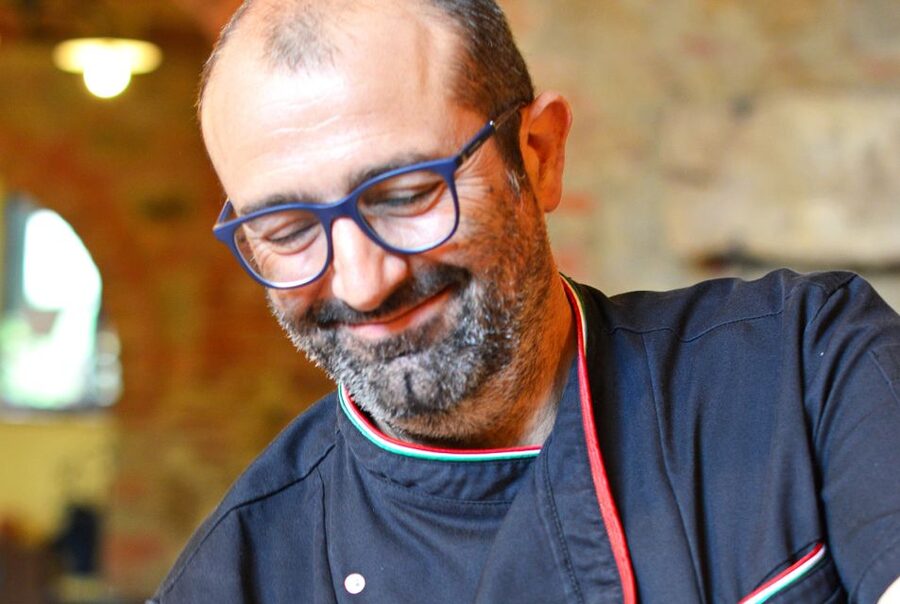
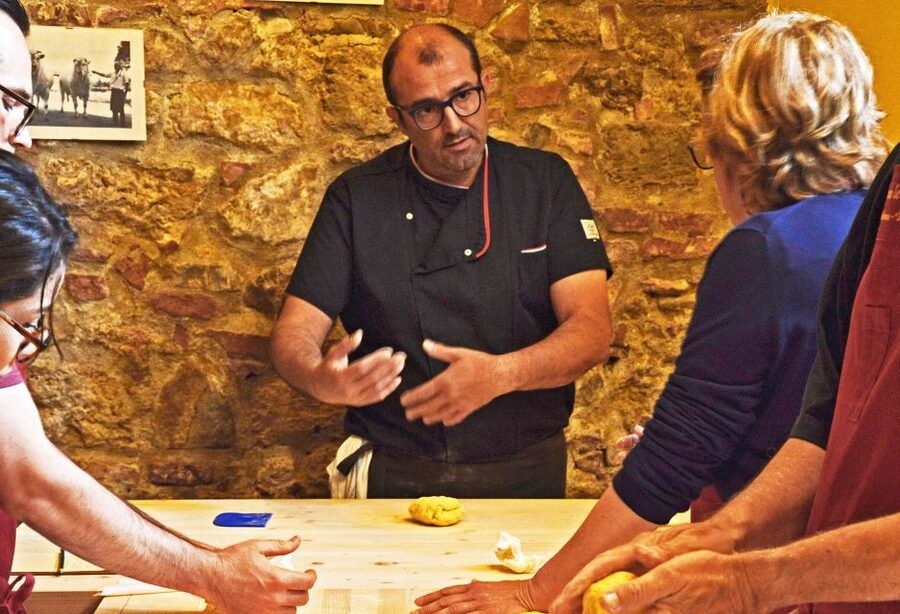
2) the instructors Giacomo and Cristiano keep the flow professional—so you don’t feel lost even if your pasta-making skill is… still in development.
You can also read our reviews of more tours and experiences in Montepulciano.
The family farm talk: how Tuscany gets explained without a lecture
Before your hands touch dough, you hear about Giacomo’s family farm and how they approach organic and sustainable production. It’s the kind of background that stops being abstract when the lesson turns to ingredients.
They emphasize that quality ingredients drive the whole cooking philosophy. That isn’t just marketing language—it shows up in how you’re guided to choose what you’ll use before you start shaping pasta.
If you like cooking classes that only teach technique, you might find this part a bit “extra.” But if you want to understand why Italian cooking tastes like Italian cooking, this is the right kind of setup. You get context that helps you make better decisions later—like what to look for when you’re buying flour, eggs, or other core components back home.
Picking ingredients like a Tuscan cook (not like a tourist)
A key moment is the ingredient selection step. You don’t just arrive and get handed tools. You’re guided to choose the best ingredients before you start cooking. That’s valuable because it trains your eye, even if you’re not sure what you’re looking at yet.
Here’s what I like about this approach: it turns “shopping” into part of the lesson. Even if you don’t remember every detail later, you’ll remember the mindset—start with good inputs and the results get easier.
You’ll also get the class materials: recipes and pictures are included. That’s a practical win. It means you can actually recreate what you learned without trying to reconstruct the whole experience from memory.
Making fresh pasta: pappardelle first, then pici
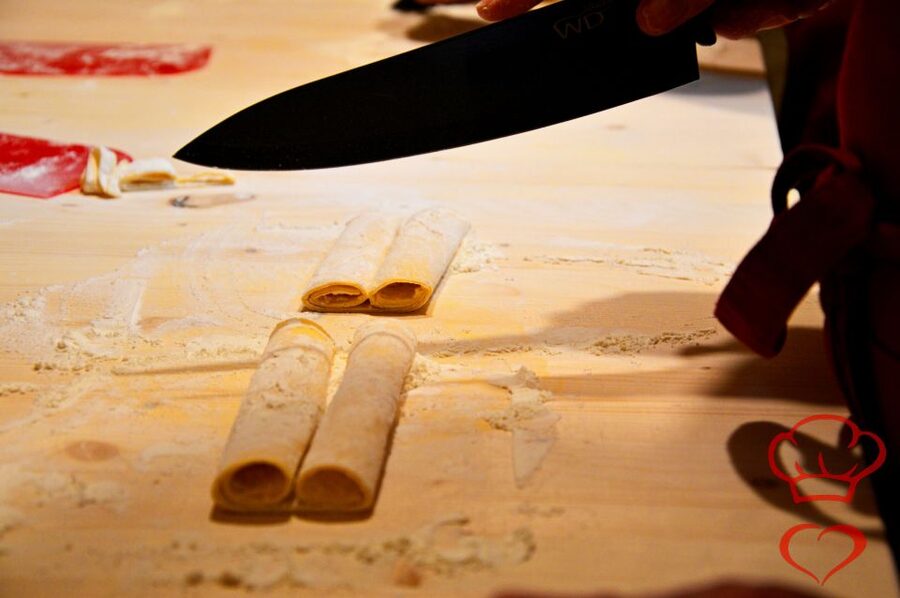
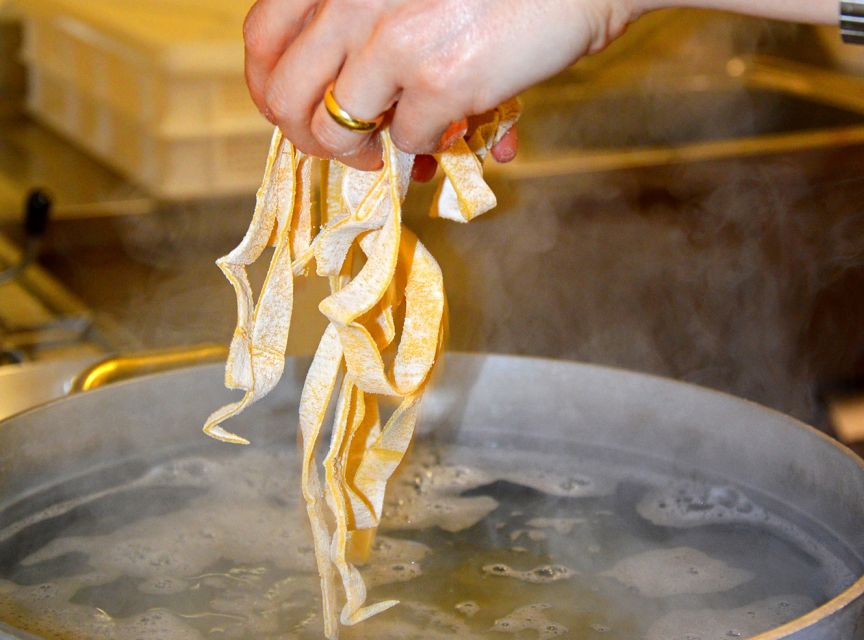
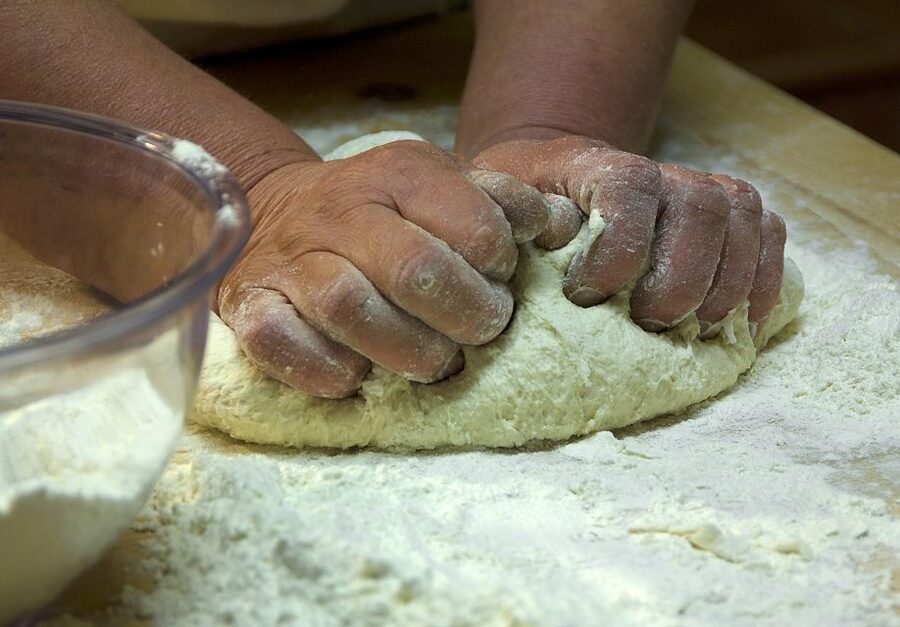
The class is hands-on, and it’s designed so you learn by doing. You’ll prepare two traditional fresh pasta types, and the final meal includes pappardelle and pici—so the cooking isn’t separate from the tasting.
Pappardelle: wide ribbons, serious satisfaction
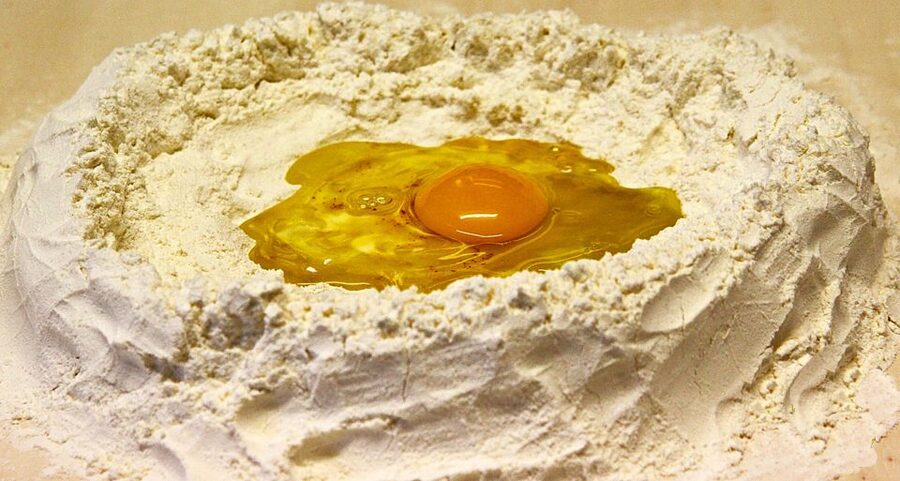
Pappardelle is a pasta shape that rewards patience. Because the ribbons are wider, the technique matters. You’ll be working through the steps to get your dough right and then shape it into something that looks like it belongs on a Tuscan table.
This is one of those dishes where you can feel progress as you go. If you’ve ever gotten frustrated with cooking classes that move too fast, this one’s structure helps. The instructors keep things moving while still letting you participate.
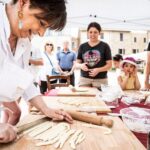
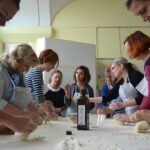
Pici: the fun, rustic hand-shaped pasta
Then comes pici—another classic Tuscan pasta. If you’ve never had it before, you’ll quickly learn it’s not about fancy perfection. It’s about form and texture, and it fits Tuscany’s overall “quality ingredients + careful work” vibe.
What you’ll appreciate here is that pici is hands-on in a more literal way. You’re shaping, adjusting, and learning how the dough behaves—exactly the sort of lesson that makes you feel like you actually learned something, not just watched it happen.
Standing during the process
A quick reality check: most of the lesson is done standing. You’ll want comfortable shoes and clothes, and you should plan for being on your feet for much of the class. It’s not just a “maybe.” The format is built that way.
Wine pairing with a sommelier-style approach
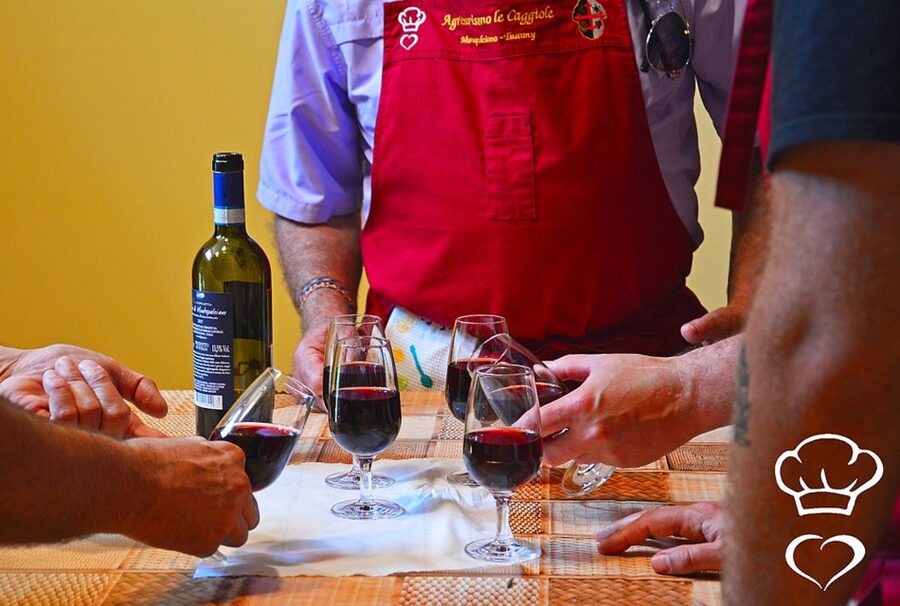
You’ll taste high-quality local wines selected by a sommelier. And it’s not only “sip and smile.” In classes like this, the wine is used to support the food you’re making and eating, which helps you notice flavors instead of just drinking for the vibe.
The experience includes three selected wines. That means you’ll likely have a few opportunities to compare how the wines behave with different courses—especially important once you’ve cooked and then tasted the pasta you shaped.
Practical tip: pace yourself. You’ll be cooking, then eating. If you jump straight into full-speed wine enjoyment, you might find it harder to focus on what you’re learning. A steady rhythm keeps the class fun and your notes (mental or written) intact.
The 4-course meal: your pasta lesson turns into dinner
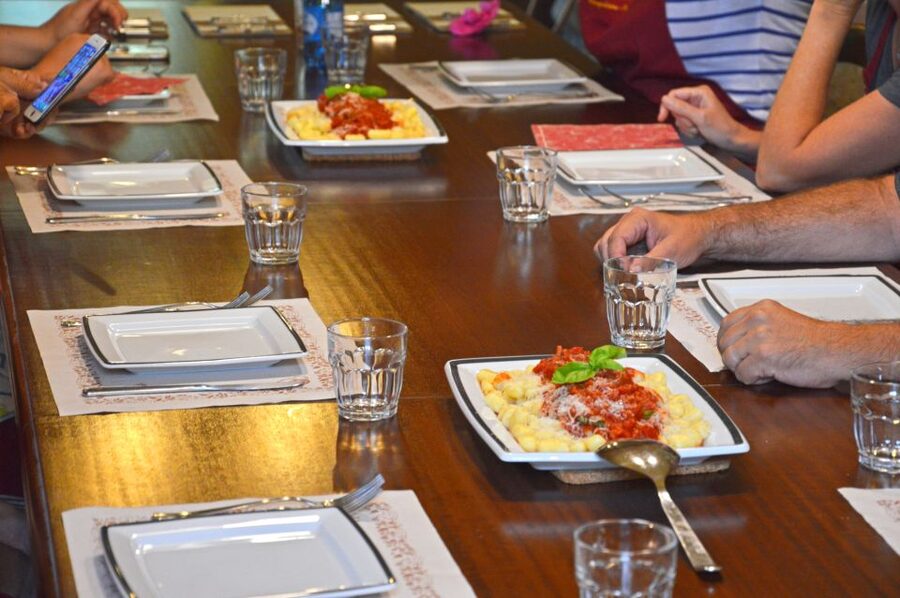
At the end of the class, you sit around a large table and eat a 4-course menu. This part is important because it’s where the experience becomes more than cooking instruction.
The menu includes:
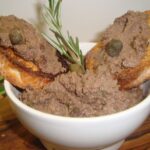
- a typical Tuscan appetizer
- pappardelle
- pici
- tiramisu
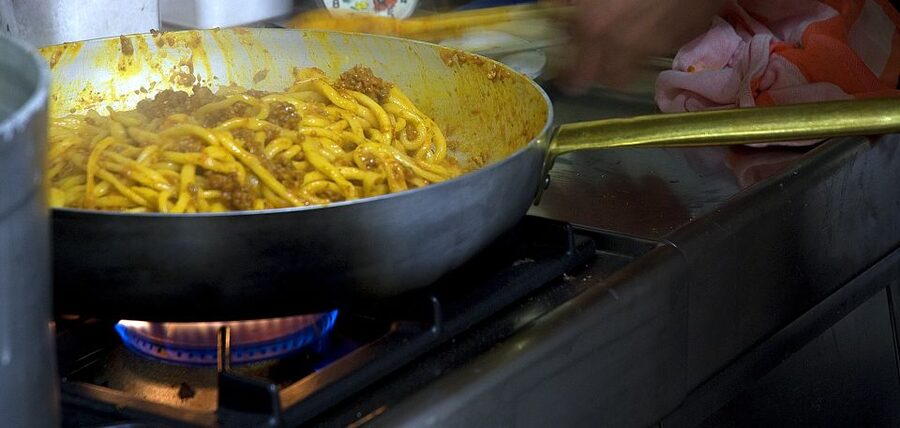
And it’s accompanied by a glass of wine. You also get the chance to enjoy what you prepared, which is a big part of the satisfaction factor here. This isn’t a “you make it, then someone else serves it and you leave.” You’re part of the meal.
I like the pacing of this layout: first you learn and cook, then you taste and connect it to the lesson. The large-table format also nudges you toward conversation—about ingredients, techniques, and how the day felt.
Tiramisu at the end: dessert with a view
Finally, you taste your freshly prepared tiramisu while soaking up the views from the terrace. It’s a satisfying closer because it gives you that moment of celebration—your hands made the pasta and dessert, and now you get to enjoy it in the same space that welcomed you at the beginning.
Tiramisu is also a great final dish for a class setting. It’s something most people recognize, but making it as part of a structured cooking experience lets you understand the process rather than treating it like a mystery dessert you only order.
Also, the terrace setting matters again. In Tuscany, the scenery is part of the atmosphere, and you don’t just look at it—you end your meal there, so it feels like a natural reward instead of a postcard pause.
Price and value: what $183.52 includes (and why it’s fair)
At $183.52 per person for about 3.5 hours, this class can feel pricey if you’re comparing it to budget pasta-demos. But the value is in what you actually get:
- Hands-on instruction for two fresh pasta types (pappardelle and pici)
- Tiramisu you prepare and taste
- A full 4-course menu at the end
- Three selected wines (not just one casual pour)
- Recipes and pictures included, so learning doesn’t vanish after the class
- A small group up to 8, which improves how much attention you get
Transportation isn’t included, so you’ll need to plan how you’ll get there. But once you’re on-site, this is largely a package deal: cooking time, food, wine, and take-home learning tools.
In plain terms: you’re paying for a family-home style experience with real food and real instruction, not just a ticket for watching someone else cook.
What you’ll need to bring, and what to watch out for
Bring:
- comfortable shoes
- comfortable clothes
Not allowed:
- pets
- video recording
- audio recording
Suitability notes (important):
- Not suitable for children under 12
- Not suitable for wheelchair users
- Not suitable for people with gluten intolerance
Most of the lesson is standing, so if you have mobility limits, this is a key consideration before booking. If you’re a single guest, the provider notes they can optimize your experience by placing you into an already scheduled small group—so it’s worth contacting them before booking if that applies to you.
Also, if you have any intolerance or food allergies, you’ll need to inform the provider before booking so they can evaluate whether adjustments are possible. After booking, requests for menu changes can’t be taken into consideration, so get that sorted early.
Who this cooking class is best for
This one fits you if you want Tuscany in a practical form—food you can cook again, wine you learn to taste more thoughtfully, and a relaxed setting that feels local rather than staged.
It’s especially good for:
- couples, small groups of friends, or solo travelers who like guided hands-on learning
- food lovers who care about ingredients, not just recipes
- people who enjoy sitting down together and making a day of it
It might not fit if:
- you need a seated activity for comfort (the class is mostly standing)
- you require gluten-free programming (not suitable for gluten intolerance)
- you need wheelchair access (not suitable for wheelchair users)
Should you book Montepulciano’s Tuscan cooking class?
If your ideal trip includes cooking real dishes, eating what you make, and sharing wine and dinner with a small group, I think it’s an easy yes. The combination of hands-on pasta (pappardelle and pici), dessert (tiramisu), and a full 4-course table meal makes the time feel purposeful. Add in the family farm ingredient philosophy and the panoramic terrace setting, and you get a Tuscany experience that feels lived-in.
Book it if you’re ready to stand, want English or Italian instruction, and don’t need gluten-free accommodations. Skip it if mobility limits are a serious issue, or if dietary needs can’t be supported by the menu changes policy.
In short: this is one of those classes where you leave with both skills and proof—in the form of food you actually cooked and ate.
FAQ
Where is the meeting point for the cooking class?
You meet your guide at Tuscan Cooking Classes by le Caggiole. If driving from Montepulciano’s old town, follow signs to Ospedale, then after about 2 kilometers look on the right side of the main road for two yellow barrels under two big trees. GPS coordinates are 43.115601, 11.803996.
How long is the experience?
The cooking class lasts about 3.5 hours. Starting times depend on availability.
How many people are in the group?
This is a small group limited to 8 participants.
What do you cook and eat during the class?
You cook two fresh pasta dishes (including pappardelle and pici) and prepare tiramisu, which you’ll taste at the end as part of a 4-course menu.
Does the experience include wine?
Yes. You’ll taste wine selected by a sommelier, and 3 selected wines are included, along with wine with the meal.
Is it suitable for gluten intolerance, wheelchair users, or children?
No. It is not suitable for people with gluten intolerance, wheelchair users, or children under 12 years old.