REVIEW · MONTEPULCIANO
Montepulciano: Italian Cooking Class at a Tuscan Farm
Book on GetYourGuide →Operated by Valdichiana Living · Bookable on GetYourGuide
Cooking class on a Tuscan farm is a treat.
This hands-on Tuscan cooking experience puts you in the middle of a simple, local rhythm—bruschetta, handmade pici, sauce, dessert—done the way families in the Valdichiana Senese area passed recipes along. I really like the focus on seasonal, zero-miles ingredients, so the flavors feel rooted instead of generic. One thing to consider: the farmhouse address is shared after you book, and transportation isn’t included, so you’ll want to plan how you’ll get there.
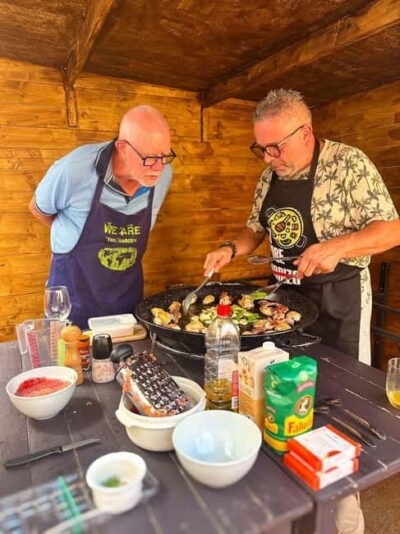
You’ll start with a welcome drink, then cook step-by-step in a small group (max 10). Between each preparation, you’ll get a glass of wine to keep things relaxed, then you’ll sit down to taste everything you made—paired with local wines—turning the class into a proper meal, not a quick snack.
Why this works well: it’s not about fancy techniques. It’s about how Tuscan home cooks build flavor with olive oil, tomatoes, herbs, flour, and time. The only drawback I’d flag is practical—if you’re hoping for guaranteed city-center convenience, this is a farmhouse experience, so you’ll trade spontaneity for authenticity.
In This Review
- Key highlights worth getting excited about
- Making bruschetta and croutons the Tuscan way
- Handmade pici: the pasta you’ll be proud to talk about
- The sauce and dessert parts that turn recipes into memory
- Lunch or dinner at the farmhouse table, paired with local wines
- Cooking in the spirit of sharecropping-period Tuscan cuisine
- The pace, group size, and language support you’ll want to know
- Price and value: what $164.26 really buys you
- Tips to get the most out of a Tuscan farm kitchen
- Who should book this Tuscan farmhouse class
- Should you book Montepulciano: Italian Cooking Class at a Tuscan Farm?
- FAQ
- What is the duration of the Montepulciano Tuscan cooking class?
- What will I cook during the class?
- Is lunch or dinner included?
- Do I get wine during the class?
- How large is the group?
- What language is the host or greeter?
- Where do I meet the group?
- Is transportation included?
Key highlights worth getting excited about
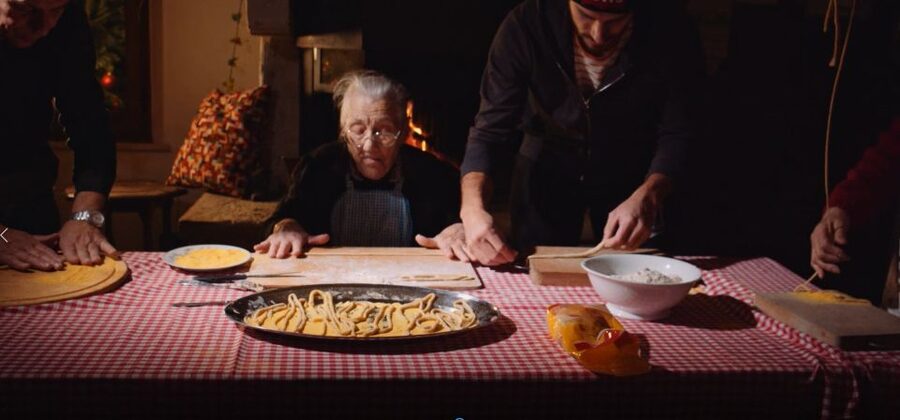
- Hands-on basics: bruschetta, croutons, handmade pici, sauce, and homemade dessert
- Seasonal, local ingredients: selected for the time of year and meant to feel truly Tuscan
- Wine throughout: not just at the table, but also during the prep steps
- Small group size (10 max): more guidance, less waiting around
- Eat what you cook: lunch or dinner is part of the experience, paired with local wines
Making bruschetta and croutons the Tuscan way
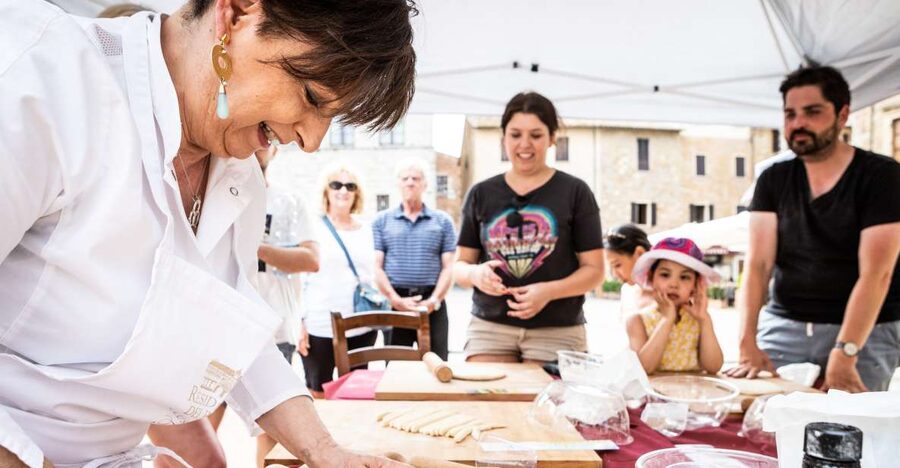
The class kicks off fast, with a welcome drink to settle you in. Then you move straight into one of Tuscany’s best “starter” skills: building bruschetta flavors you can understand and repeat at home. Expect bread topped and finished with classic combinations like tomato and basil, plus the backbone ingredient—Tuscan extra virgin olive oil.
You’ll also work on croutons in different styles. This matters more than it sounds. In a good Tuscan kitchen, the bread is not an afterthought. It’s the platform that lets olive oil, herbs, and tomatoes taste bright instead of heavy. Watching (and doing) the small choices—how the toppings go on, how the bread is treated—gives you a simple playbook you can use later when you cook for friends.
If you like cooking classes that teach you the “why” behind the “what,” this part is satisfying because it’s practical. You’re not juggling ten ingredients at once—you’re learning a few foundations that show up again and again in Tuscan food.
You can also read our reviews of more tours and experiences in Montepulciano.
Handmade pici: the pasta you’ll be proud to talk about
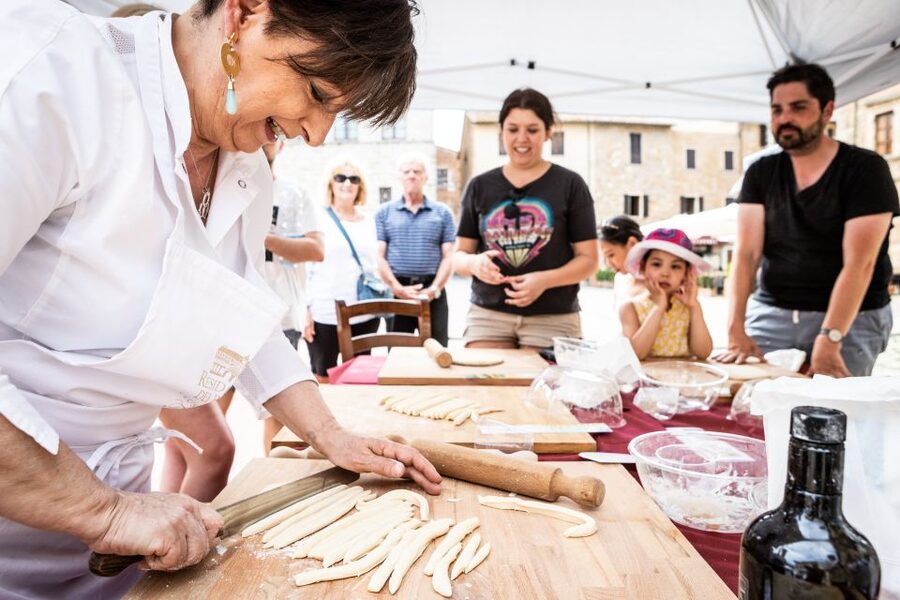
Next comes the most hands-on step: mixing water and flour to make pici, the famous handmade pasta tied to the Province of Siena. Pici is one of those foods that feels humble until you actually make it. The process is direct, tactile, and a little addictive—because when the dough comes together, you immediately feel like you made something real.
Why this step is valuable: it changes how you think about pasta. Instead of treating it like a bought product, you start to see it as dough, texture, and patience. That’s where Tuscany shines—simple ingredients, careful technique.
After shaping the pici, you’ll make an excellent sauce to go with it. You’ll end up with a duo that’s classic Tuscan in spirit: pasta made with your own hands, sauce built from local basics. You’ll then move on to dessert so the meal lands like a complete home-style arc, not just a single plate.
Between prep steps, there’s always a glass of wine. That keeps the pace human. It also means your attention doesn’t feel trapped in the kitchen all at once—you get short breaks that make the work feel lighter.
The sauce and dessert parts that turn recipes into memory
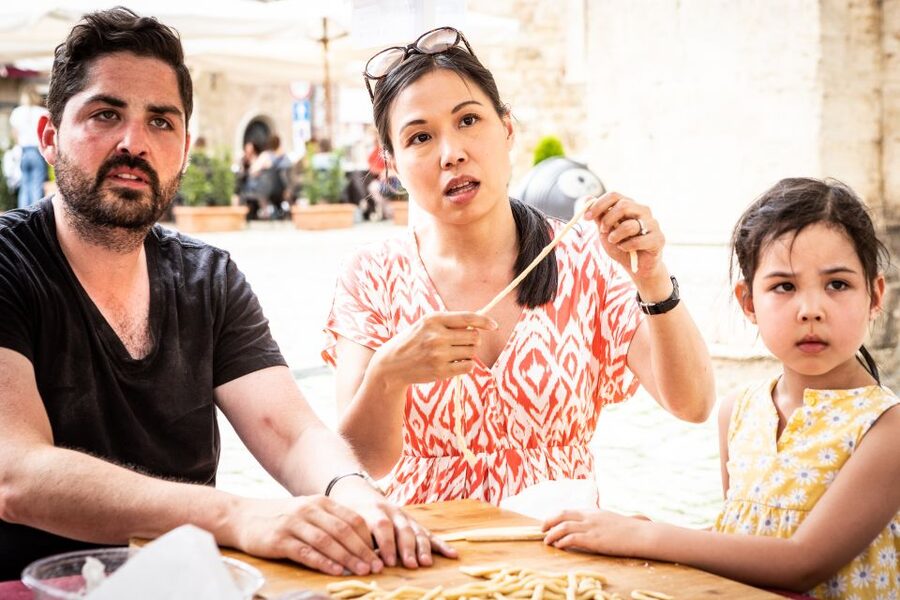
Sauce is where a lot of classes stay vague. Here, the sauce comes as part of the workflow, not a side lesson. You’ll prepare it after the pici, so you’re learning the full logic of the meal: starch first, then flavor, then the final assembly. That sequencing helps your brain make sense of what you’re doing.
Then you wrap up with a delicious homemade dessert. The exact dessert isn’t spelled out in the details you get ahead of time, but the structure is consistent: the kitchen builds from savory to sweet so you sit down ready to enjoy rather than just endure a cooking marathon.
This is also where the experience becomes more than “instruction.” You’re tasting what you made, in order, like a real meal at a Tuscan farmhouse table.
Lunch or dinner at the farmhouse table, paired with local wines
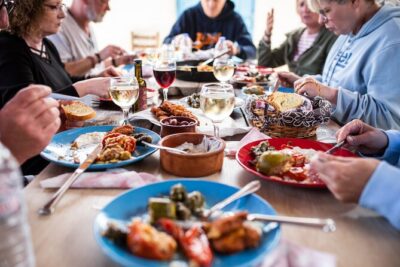
When it’s time to eat, the table is set and ready. You’ll taste the dishes you prepared, paired with local wines. This pairing isn’t just about alcohol—it’s about understanding how Tuscan wine is built for food like olive-oil-forward starters and simple, tomato-and-herb flavors.
Here’s the practical advantage for you: the meal is included, so the value doesn’t depend on whether you also find an expensive restaurant afterward. You’re paying for the class plus the dining experience in one package, and the dining part is a genuine part of the event, not an optional add-on.
Also, because the group is small, you’re more likely to actually enjoy the meal rather than eat quickly while the instructor moves on to the next group.
Cooking in the spirit of sharecropping-period Tuscan cuisine
The food focus here isn’t random. The course is meant to reflect the traditional Tuscan way of cooking—simple dishes with big character, shaped by the sharecropping period. That historical angle isn’t meant to lecture you. It’s meant to explain why these recipes are built the way they are: ingredients that were locally available, cooking methods that were manageable, and flavors that could make a daily meal feel special.
That’s why seasonality is emphasized. When ingredients are chosen based on what’s available locally, the dishes taste less like a template and more like a specific time and place. You’ll notice it most with things like tomato and basil on bruschetta, where freshness changes everything.
Even if you’re not a history buff, you’ll feel the logic in the cooking. It’s comfort food with a reason behind it.
The pace, group size, and language support you’ll want to know
This is a 3-hour experience, and it moves. The best part is that you’re not watching from the sidelines. A small group limit of 10 participants matters because it keeps instruction hands-on and reduces waiting.
You’ll be guided by a host or greeter who speaks English and Italian, so you should feel comfortable even if your Italian is rusty. If you’re the type who likes asking quick questions while you cook, this setup is a good match because the language support makes it easier to get answers on the spot.
Timing note: start times vary, so check availability for the schedule you want. In a farmhouse setting, a little flexibility is helpful—plan to arrive with enough buffer so you start cooking without stress.
Price and value: what $164.26 really buys you
At $164.26 per person for a 3-hour class, you’re not just paying for “someone to show you recipes.” You’re paying for:
- A welcome drink to start things off
- A Tuscan cooking class where you make multiple dishes, including handmade pici
- Lunch or dinner included
- Wine during the process, plus local wine at the table
That’s the value equation. If you were to recreate this day yourself, you’d pay for ingredients, wine, and a full meal—plus you’d lose the guidance that makes the steps manageable. The cost is also tied to being a small-group farmhouse experience rather than a large, assembly-line cooking show.
What’s not included: transportation service. That’s the one line item you’ll need to solve yourself. If you’re staying in a central area, plan your local transport ahead of time so you don’t waste your energy fighting logistics.
Tips to get the most out of a Tuscan farm kitchen
This kind of class rewards the practical approach. Do these, and you’ll enjoy it more:
- Come ready to get your hands involved. It’s a working kitchen, and you’ll be mixing and shaping.
- Eat something light beforehand if you’re easily hungry. The meal is included, and you’ll be tasting as you go.
- Pay attention to the olive oil and tomato setup on bruschetta. Those flavors are the shortcut to understanding Tuscany.
- Ask for tips on getting pici dough to the right feel. Even without fancy equipment, you’ll learn cues you can repeat later.
If you’re the type who loves bringing home skills (not just photos), this format is a strong fit.
Who should book this Tuscan farmhouse class
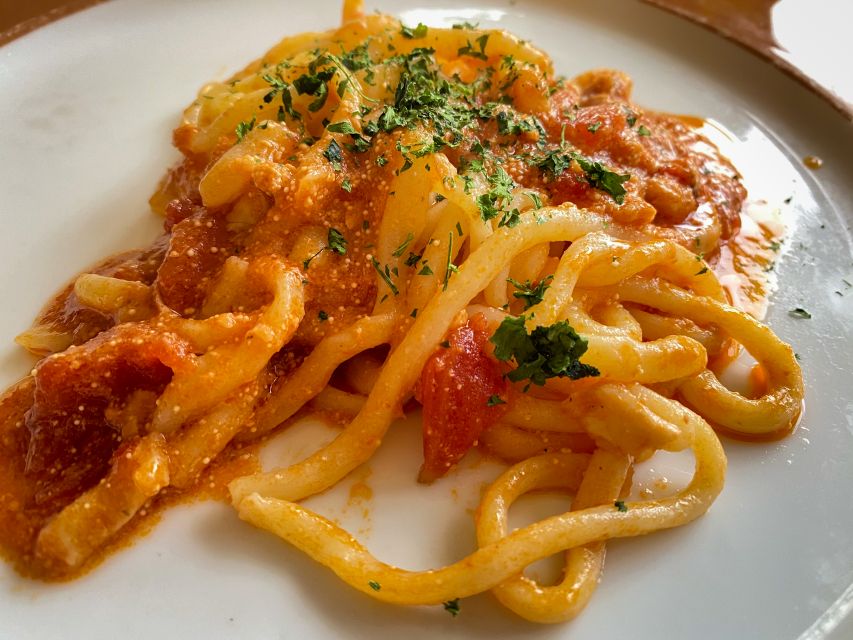
Book it if you want a real-food experience with structure. This works especially well for:
- Food lovers who want to cook, not just watch
- Couples or small groups who enjoy shared meals
- Travelers who prefer authentic countryside experiences over city-only sightseeing
- Anyone interested in Tuscan staples like bruschetta and handmade pasta
It’s not ideal if you strongly need a fully guided city schedule with easy drop-off convenience, because you’re heading to a farmhouse setting and transport isn’t included.
Should you book Montepulciano: Italian Cooking Class at a Tuscan Farm?
I think you should, if your goal is to leave Tuscany with more than memories. This class gives you the kind of transferable skills that actually help later—especially the basics of bruschetta and the handmade process behind pici.
Skip it if logistics are already tight and you don’t want to handle transportation on your own. Also, if you’re looking for a showy, super-polished production, this leans home-style and practical, with guidance designed for doing, not performing.
If you want a memorable 3-hour slice of Tuscan life—bread, pasta dough, wine, and a full meal—this is a solid bet.
FAQ
What is the duration of the Montepulciano Tuscan cooking class?
The experience lasts 3 hours.
What will I cook during the class?
You’ll prepare bruschetta and croutons, make handmade pici (pasta), prepare an accompanying sauce, and make a homemade dessert.
Is lunch or dinner included?
Yes. Lunch or dinner is included as part of the experience.
Do I get wine during the class?
Yes. A glass of wine is present between the preparation steps, and local wines are paired with the dishes when you sit down to eat.
How large is the group?
It’s a small group limited to 10 participants.
What language is the host or greeter?
The host or greeter speaks English and Italian.
Where do I meet the group?
The farmhouse of the cooking class will be communicated after your booking confirmation.
Is transportation included?
No. Transportation service is not included.