REVIEW · HOI AN
From Hoi An: Cooking Class at Organic Farm
Book on GetYourGuide →Operated by Lemon Basil Cookery & Restaurant · Bookable on GetYourGuide
Somewhere between gardening and dinner, you learn to cook Vietnam fast.
This Lemon Basil class pairs a small-group farm visit with hands-on lessons from English-speaking chefs, so the meal feels earned. Two things I really like: you cook four iconic dishes plus you get a certificate at the end, which makes it feel like more than a quick demo.
The main catch is simple: no pickup. You’ll need to make your own way to Lemon Basil Cookery & Restaurant in Tra Que vegetable village.
In This Review
- Lemon Basil Cookery in Tra Que: Why This Class Feels Different
- Quick Hits
- The 3-Hour Flow: What Happens From Start to Finish
- 1) Arrive at Lemon Basil Cookery & Restaurant
- 2) Farm tour: learn the ingredients you’ll use for Tra Que spring rolls
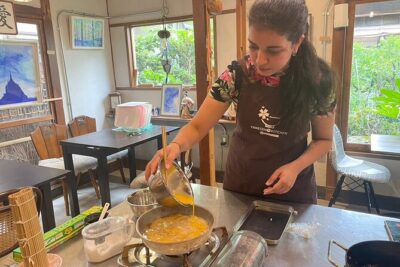
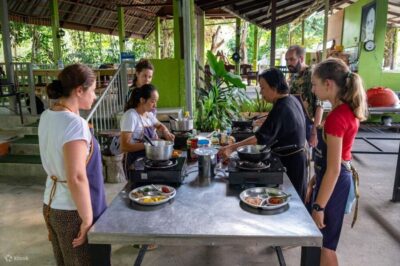
- 3) Hands-on cooking in the kitchen
- 4) Communal dining: sit down and eat what you made
- What You Actually Cook: Four Vietnamese Classics in One Class
- Tra Que Spring Rolls
- Green Papaya Salad
- Fish in Clay Pot
- Vietnamese Crispy Pancake (Bánh Xèo)
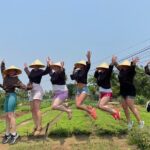
- The Farm Tour Part: More Than Pretty Green Views
- Teaching Style: English Lessons That Stay Practical
- Communal Dining: Why Eating Together Is Part of the Lesson
- Value and Pricing: Is $27 Worth It?
- Who This Cooking Class Is Best For
- Practical Tips Before You Go
- Should You Book Lemon Basil Cookery in Tra Que?
- FAQ
- How long is the cooking class?
- Is pickup included from Hoi An?
- What dishes do you cook?
- Is the class taught in English?
- How big is the group?
- Can the class accommodate dietary restrictions?
Lemon Basil Cookery in Tra Que: Why This Class Feels Different
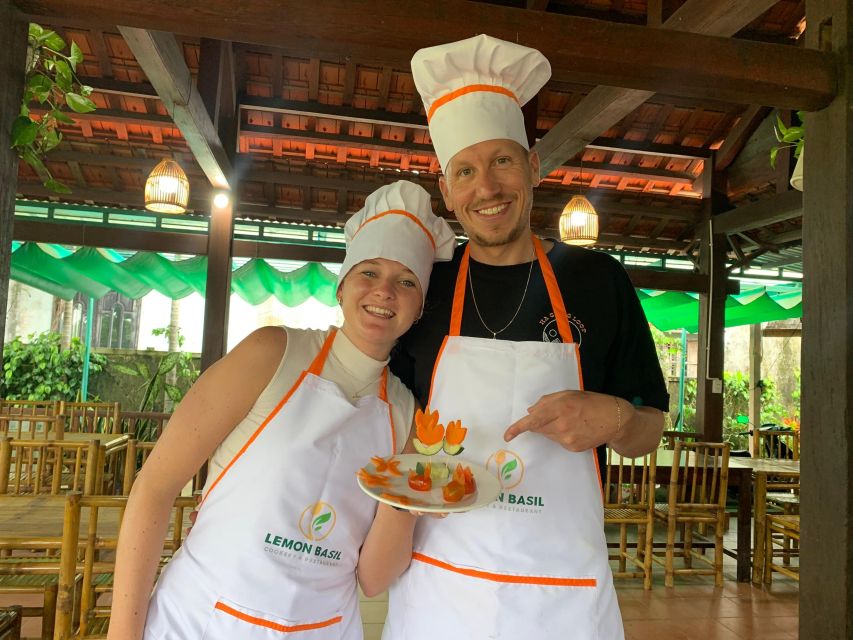
This isn’t just another cooking class where someone talks while you watch. The day starts with the farm side of Hoi An’s food story—herbs, vegetables, and the people who grow them—then you move straight into the kitchen and make those same flavors show up on your plate.
The farm tour matters because Vietnamese cooking is built on contrast: herbs vs. sauce, crunch vs. soft, sour vs. sweet. When you see the plants first, the recipes make more sense. And when your instructor explains what’s happening while you’re cooking, you come away with practical skills you can actually repeat later.
One more thing: the energy in the class is playful. In multiple sessions I’ve read about, hosts like Min and her family keep it relaxed, interactive, and funny, so beginners don’t feel lost.
Quick Hits
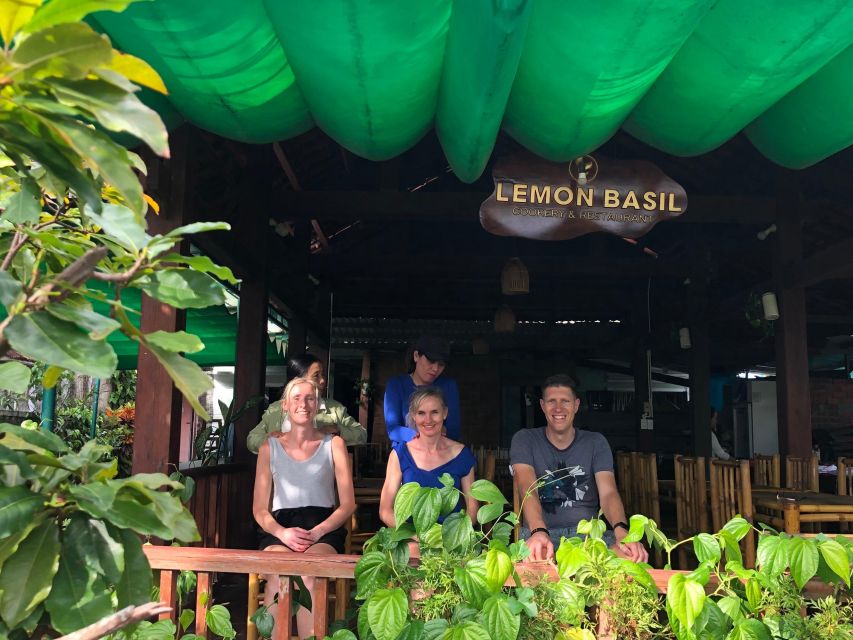
- Organic farm tour first so you understand what you’ll cook from the ground up
- Four dishes in one 3-hour session: Tra Que spring rolls, green papaya salad, fish in clay pot, and Bánh Xèo
- English-speaking chefs who explain clearly and adjust for different needs
- Small group up to 10 makes it easy to ask questions and get hands-on time
- Communal dining at the end so you eat what you made with the group
- Certificate of completion plus the feeling you learned real Vietnamese home-style basics
You can also read our reviews of more tours and experiences in Hoi An.
The 3-Hour Flow: What Happens From Start to Finish
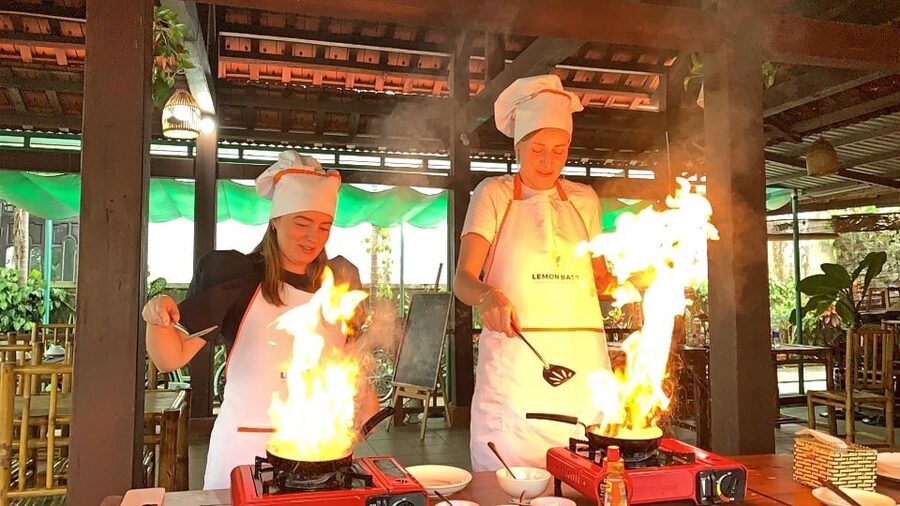
You’re looking at about 3 hours of total time, and it runs as a single, paced experience rather than a “stop-and-start” tour. Plan to arrive 5 to 10 minutes early and you’ll get settled without stress.
1) Arrive at Lemon Basil Cookery & Restaurant
Your meeting point is Lemon Basil Cookery and Restaurant, in the heart of Tra Que vegetable village. The place is easy to spot thanks to its signage and welcoming setup. Since pickup isn’t included, treat this like you would any small local activity in Hoi An: show up on time, then enjoy the rest.
This also affects the vibe. Because you’re arriving independently, the group often starts feeling like a shared table right away.
2) Farm tour: learn the ingredients you’ll use for Tra Que spring rolls
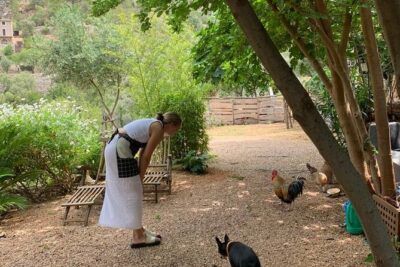
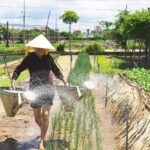
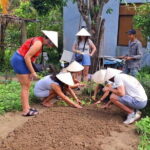
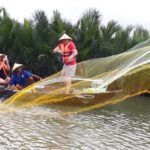
The class begins with a tour of the organic farm. You’ll get to see herbs and crops being grown, and in some sessions you may even help with light garden tasks such as watering or planting greens (one class specifically mentions spinach).
Even if you only watch, this part changes your cooking because you learn what the flavors are coming from. Vietnamese dishes lean heavily on fresh herbs, so seeing them growing in Tra Que helps you understand why the recipes depend on freshness more than people expect.
3) Hands-on cooking in the kitchen
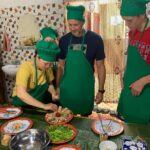
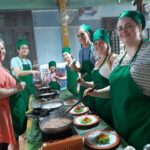
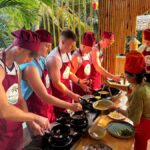
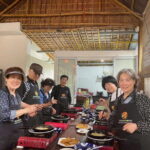
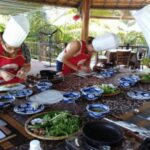
After the farm stop, the class shifts indoors (or into an outdoor kitchen setup, depending on how they run it that day). You’ll cook four dishes, not just one showpiece:
- Tra Que Spring Rolls
- Green Papaya Salad
- Fish in Clay Pot
- Vietnamese Crispy Pancake (Bánh Xèo)
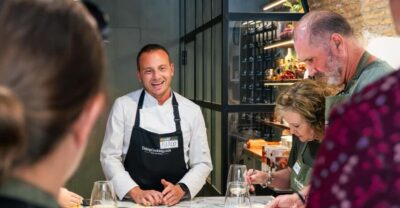
English-speaking chefs guide the process. You’ll practice the steps, and you’ll also get the reasoning behind flavor combinations—how they balance salty, sour, sweet, and herbal notes.
4) Communal dining: sit down and eat what you made
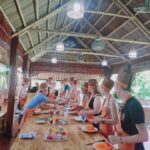
Once the cooking is done, you eat together. The communal meal is a big part of the value here. It’s not only about stuffing yourself; it’s about tasting as a group and seeing how your dish turned out compared to what the others did.
You’ll leave with a certificate of completion, which is a small touch but helps this feel structured and memorable.
What You Actually Cook: Four Vietnamese Classics in One Class
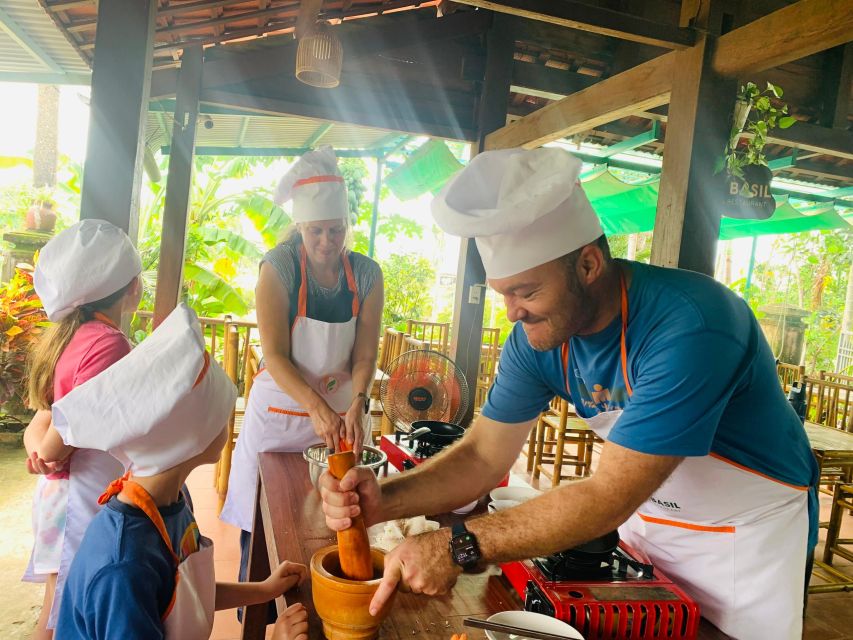
The best way to judge this class is what’s on the menu. Here you’re not sampling vague “Vietnamese-inspired” plates. You cook real, recognizable dishes that show up in everyday Vietnamese meals and home kitchens.
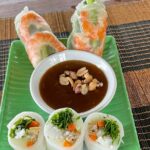
Tra Que Spring Rolls
These are tied directly to the farm-to-table theme. You start the experience by learning ingredients used for spring rolls, then you make them yourself. Expect a fresh, herb-forward result that tastes different from the limp spring rolls you get in some tourist spots.
Green Papaya Salad
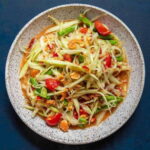
Green papaya salad is all about balance. You learn how to bring sour and tang up without making it harsh, and how to round it out so the herbs and dressing work together. In class, you’re not just adding ingredients—you’re learning the logic of flavor.
Fish in Clay Pot
The fish clay pot lesson is where you see how Vietnamese cooking treats sauce as a “system,” not just liquid. You work with fish and learn the method that keeps it tender while flavors build together.
One class experience specifically mentions basa fillet in the clay pot, which gives you an idea of the fish style you might use.
Vietnamese Crispy Pancake (Bánh Xèo)
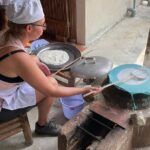
This is the dish that tends to get people laughing. Bánh Xèo involves a pan technique, and at least one participant noted struggling with flipping. That’s normal. The point is you get coaching, not perfection.
You also learn how crispiness and thickness work together—so you understand what to adjust next time you cook at home.
The Farm Tour Part: More Than Pretty Green Views
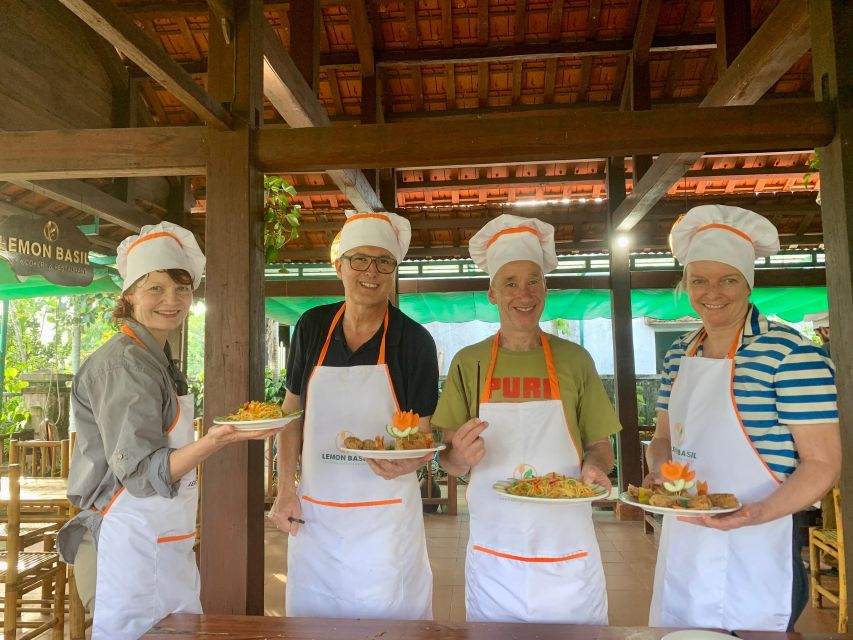
If you’ve been to enough food tours, you know some “farm stops” are basically a photo break. This one is different because it’s designed to feed the cooking.
You’ll walk through a working vegetable area and learn about herbs and crops grown on-site. People mention learning about the herbs and seeing how the soil is prepared, including demonstrations by an uncle figure during some sessions. That kind of detail matters because it explains why farm produce tastes more alive than produce that traveled far.
It also adds credibility to the cooking lessons. When your instructor talks about herbs, you’ve actually seen them growing, so your brain has a visual reference.
Teaching Style: English Lessons That Stay Practical
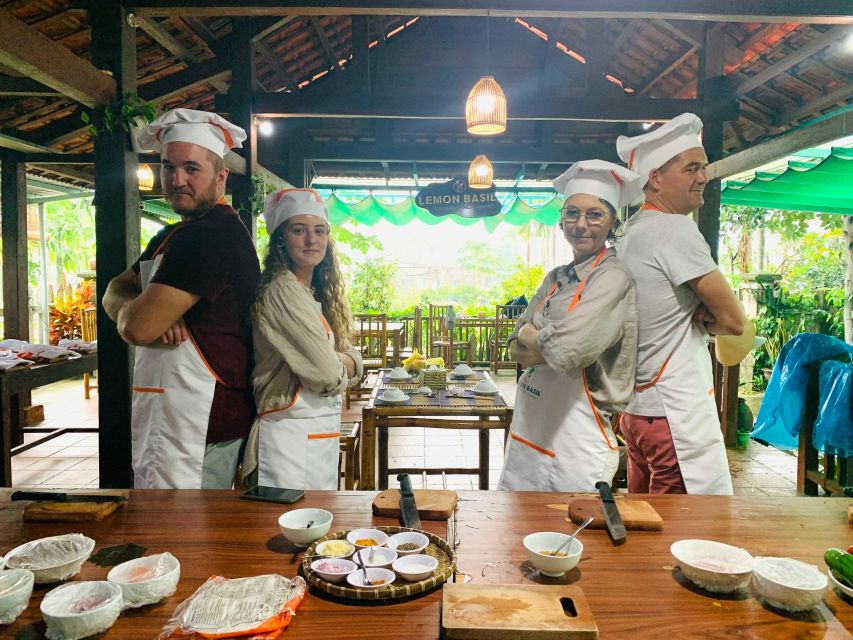
This class runs with an English-speaking chef and a small group size (limited to 10 participants). That’s a sweet spot. You can ask questions without feeling like you’re interrupting a big production line.
A recurring theme from people who took the class: instructors like Min and her family teach with humor and confidence. It makes sense. Cooking is stressful if you feel judged. Here, the tone is friendly and encouraging, which helps you try things like pancake flipping and chopping without freezing.
Also, the class handles dietary needs. You’re asked to tell them about allergies or dietary restrictions in advance, and at least one person reported that skipping pork was no problem.
Communal Dining: Why Eating Together Is Part of the Lesson
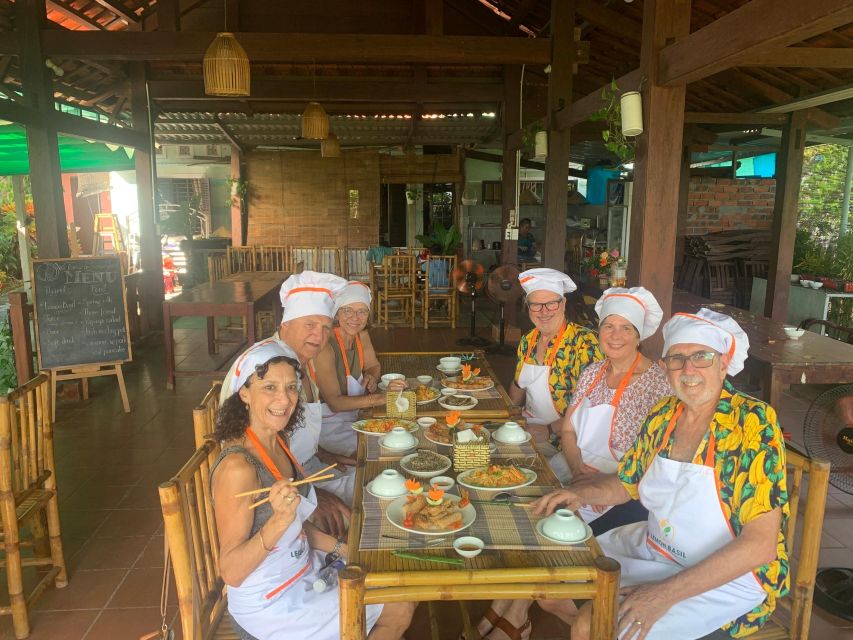
After cooking, you sit together and eat the dishes you made. This is more valuable than it sounds.
First, you get a reality check. You can see what spring rolls should look like when filled well, or how papaya salad should taste when the balance lands right. Second, you learn through tasting and comparing without needing a teacher hovering over you.
And you’ll likely get extra finishing touches. Some class experiences mention fruit served after the meal, including mango, pink jackfruit, and lychees, plus sometimes take-home fruit like a mango. Since that isn’t listed as a guaranteed inclusion, treat it as a possible bonus rather than a promise.
Value and Pricing: Is $27 Worth It?
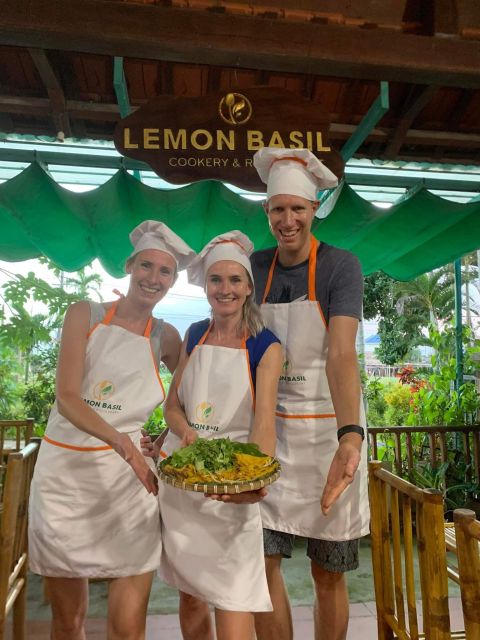
At $27 per person for about 3 hours, this class feels like fair value because you’re getting multiple components that would cost extra separately:
- a farm tour in Tra Que vegetable village
- a hands-on cooking session
- ingredients for four dishes
- communal dining of what you make
- an English-speaking chef for instruction
- a certificate of completion
Even without comparing it to other classes, the structure is what justifies the price. If you want the experience to teach you something you can repeat, four dishes plus coaching beats “watch and snack” formats.
The only cost warning is the obvious one: transportation isn’t included. But if you’re already staying in central Hoi An, building your own route is usually easier than it sounds once you have a meeting point locked.
Who This Cooking Class Is Best For
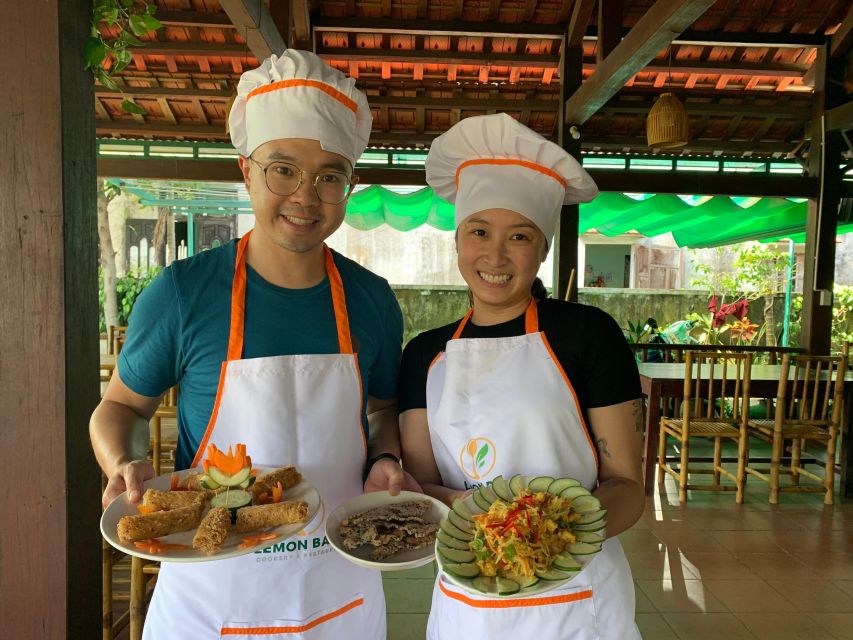
You’ll probably love this class if you:
- want a hands-on cooking experience in Hoi An, not a lecture
- enjoy Vietnamese herbs and fresh flavors
- like small-group settings where you can ask questions
- are a beginner and want guided steps
- want something tied to a real ingredient source (Tra Que farm context)
It also works well for couples and solo diners because you’ll be in a group but cooking with support. One class experience even described it as feeling like being invited into the family running the place, which is the kind of warmth that makes food lessons stick.
You might pass if you:
- hate independent logistics (since there’s no pickup)
- want a class focused on many more than four dishes
- expect English-only teaching plus extra activities beyond farming and cooking (the time is tightly focused)
Practical Tips Before You Go
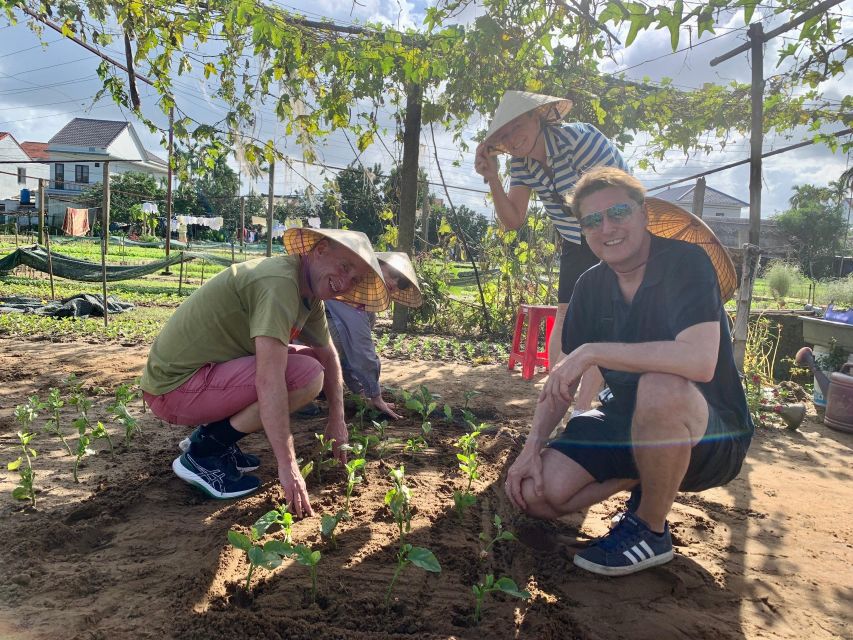
Here’s how to set yourself up for an easy, enjoyable class.
- Arrive early. Being there 5–10 minutes before helps you start smoothly.
- Tell them about dietary needs. Do it in advance. The class is built to adapt.
- Come ready to cook. You’ll be active at least with prep steps and possibly garden tasks during the farm portion.
- Plan dinner accordingly. Because you cook and then eat the full set of dishes, you may not need a heavy meal afterward.
- Bring curiosity. The best part is asking why flavors work, not just how to follow steps.
Should You Book Lemon Basil Cookery in Tra Que?
Book it if you want a 3-hour, farm-to-table cooking class that actually teaches you to make Vietnamese favorites: spring rolls, green papaya salad, fish in clay pot, and Bánh Xèo. The small group size, English instruction, and communal meal make it feel worth your time, even if you’re not a “serious foodie.”
Skip it if you really need pickup included or if you prefer a longer menu with more dishes and less hands-on cooking.
If you’re based in Hoi An and you can get to Tra Que on your own, this is a strong way to spend a half-day learning flavors you’ll recognize—and be able to recreate.
FAQ
How long is the cooking class?
The experience lasts about 3 hours (around 3 to 3.5 hours depending on the session).
Is pickup included from Hoi An?
No. Pickup is not included, so you’ll need to reach Lemon Basil Cookery & Restaurant on your own.
What dishes do you cook?
You’ll cook four dishes: Tra Que Spring Rolls, Green Papaya Salad, Fish in Clay Pot, and Vietnamese Crispy Pancake (Bánh Xèo).
Is the class taught in English?
Yes. The instructors are English-speaking.
How big is the group?
The class is a small group, limited to 10 participants.
Can the class accommodate dietary restrictions?
Yes. You’re asked to inform the team of allergies and dietary restrictions in advance, and requests are taken into account.