This Sicilian cooking starts in the garden. I love how the garden harvest turns your ingredients into the main character before you ever touch a pot.
You’ll be welcomed into a family-style setup in the Chiaramonte Gulfi countryside, with a relaxed rhythm that feels more like a home afternoon than a timed show.
I also like the hands-on cooking, especially the fresh pasta portion. From dough work to shaping classic shapes, you’ll build a first course together and then sit down for lunch on the terrace (or in winter near the wood stove).
The one drawback to plan around: it is not recommended for travelers with walking problems, because the experience includes time outdoors before you cook.
In This Review
- Key highlights worth choosing this over a typical class
- A family kitchen in Chiaramonte Gulfi that starts with silence
- The garden walk: where your lunch gets its flavor
- Fresh pasta work: from dough to cavati, ravioli, and tagliatelle
- Second courses: meat, vegetables, and the Sicilian comfort spectrum
- The starter and dessert that make the meal feel complete
- Lunch where it belongs: terrace conversation or wood-stove coziness
- What I think you’re really paying for: ingredient time + small-group teaching
- Getting there and what to expect from logistics (without the fuss)
- Who should book Simona’s class—and who should skip it
- Should you book this Sicilian cooking class with Simona?
- FAQ
- What is the duration of the cooking class?
- Where is the meeting point?
- Is the class offered in English?
- What kind of food do you cook and eat?
- Is wine included?
- How many people are in the group?
- Is this class recommended if I have walking problems?
- Are service animals allowed?
- Can I cancel for a full refund?
- Is the experience suitable for people with serious allergies to dogs or cats?
Key highlights worth choosing this over a typical class
- Start with ingredient picking in the garden for tomatoes, basil, onions, and more; in winter, you may search for wild vegetables.
- Small group size (max 10) keeps it interactive and makes it easy to follow along in English.
- You cook real Sicilian shapes of pasta such as cavati, ravioli, and tagliatelle, with recipes that shift by season.
- The menu can span classics and variety: preserves, cheeses, cured meats, focaccia, caponata, i pipi ca muddica, scacce, arancini, panelle, plus cannoli and cassatelle.
- Lunch setting changes with the weather—terrace or garden when conditions are good, wood-stove kitchen in winter.
- A family-team vibe with Simona (and help from Davide and Ulise) makes the day feel warm and unhurried.
A family kitchen in Chiaramonte Gulfi that starts with silence
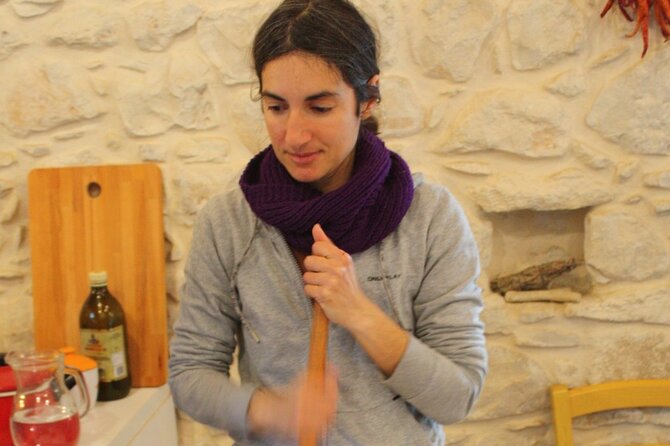
Chiaramonte Gulfi sits in the Sicilian interior, where the pace slows down for a reason. This class uses that setting on purpose: you’re not just learning recipes, you’re stepping into the daily logic of rural cooking—season first, hands first, then conversation.
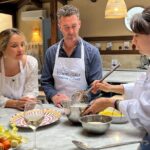
You can expect a family and relaxed atmosphere, not a high-pressure cooking lab. The group is capped at 10, which matters because you’ll actually shape pasta, ask questions, and taste while you go.
And yes, it’s in English, so you don’t need Italian cooking vocabulary to have a good time. You can just follow along and learn what each step is doing.
You can also read our reviews of more tours and experiences in Sicily.
The garden walk: where your lunch gets its flavor
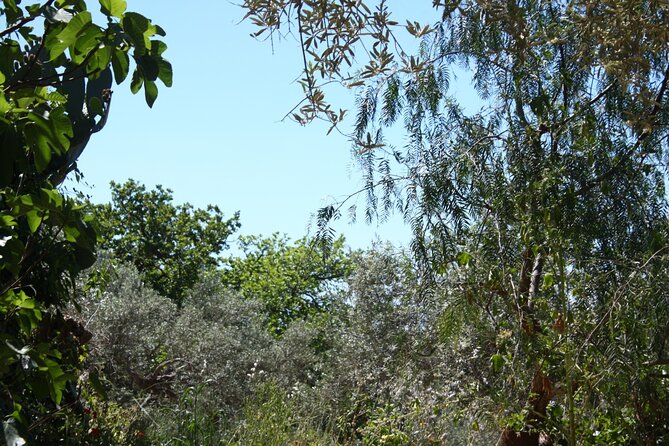
The experience begins with a walk in the garden to collect fresh ingredients like tomatoes, basil, onions, and more. This is more than a cute warm-up. When you pick the produce yourself, you start tasting the difference in real time—sweetness in tomatoes, brightness in herbs, and how aroma carries straight into the sauce.
In winter, if weather allows, the routine can shift to searching for wild vegetables. That adds an extra layer of connection to the season, because Sicilian kitchens traditionally work with what’s available rather than what’s shipped.
Practical note: since you’re walking outdoors before cooking, comfortable shoes help. If the idea of uneven ground or a longer stroll sounds rough, this is not the right fit.
Fresh pasta work: from dough to cavati, ravioli, and tagliatelle
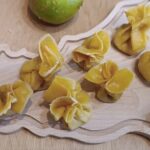
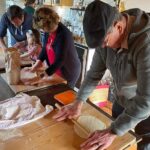
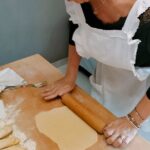
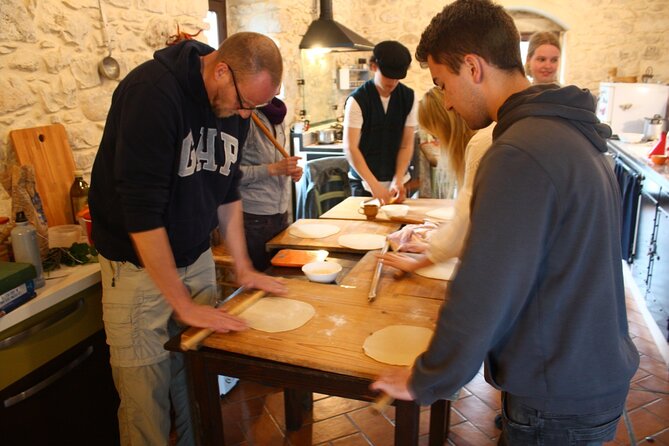
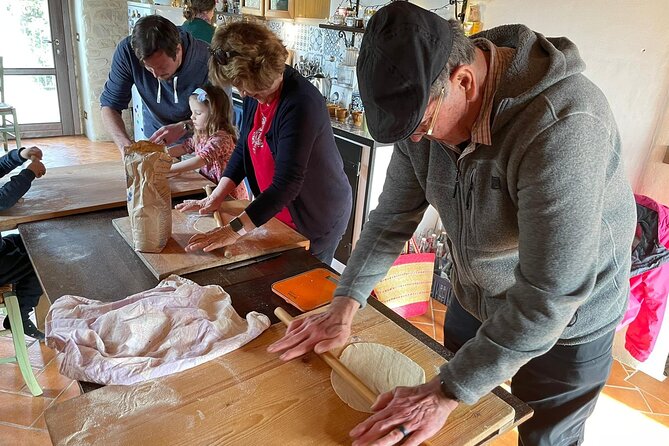
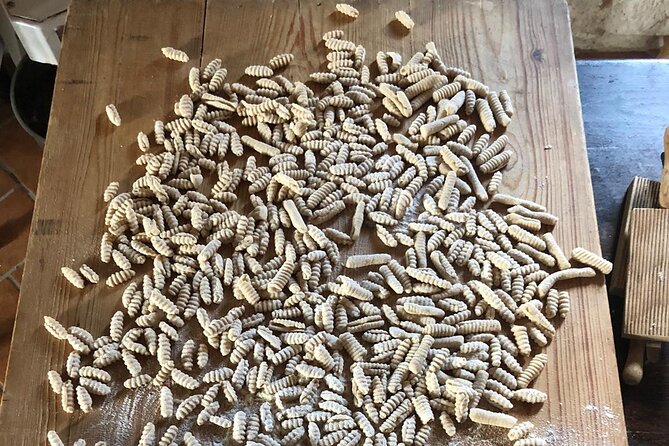
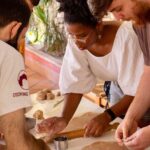
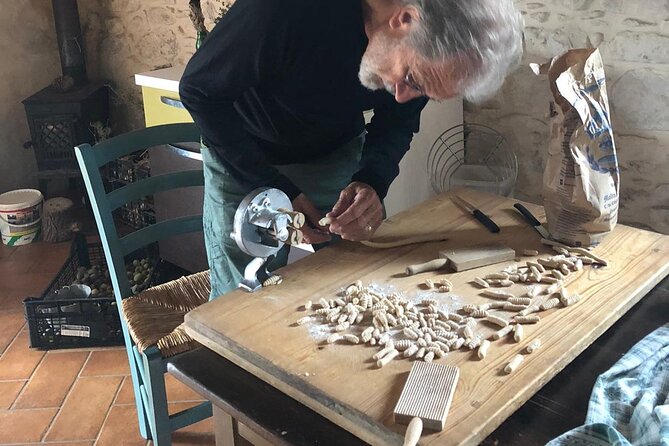
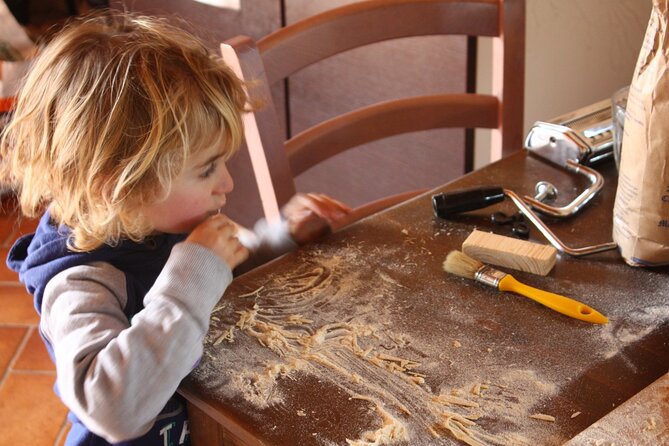
Once you’re back, you move into the kitchen and cook together. The first course centers on fresh pasta, and the exact shapes depend on the season. You might make cavati, ravioli, and tagliatelle, and you’ll learn the basics of dough and shaping rather than just watching.
One reason this part gets such strong praise is that it’s hands-on. In a few experiences like this, the teaching approach focuses on guiding you step-by-step through the pasta-making process, so even if you’ve never shaped pasta before, you can still leave with a sense of how it all fits together.
This matters if you want to cook after your trip. You’re not collecting “information.” You’re collecting muscle memory.
Tip for your own day planning: plan to eat slowly. Fresh pasta cooking tends to take time, and the class feels built around that—working at a calm speed, tasting along the way, then finishing with a proper sit-down lunch.
Second courses: meat, vegetables, and the Sicilian comfort spectrum
The second course is where Sicilian home cooking shows its personality. Depending on the season and what’s being cooked that day, you may see meat dishes such as rolls or meatballs paired with seasonal vegetables.
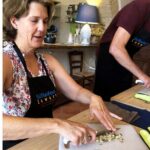
But you might also go the vegetarian route with options like caponata or i pipi ca muddica. And the menu can expand to other classic Sicilian specialties such as scacce, arancini, and panelle—again, depending on what’s working that day.
Here’s what I think is genuinely valuable about this design: you’re learning the range of Sicilian cooking logic. It’s not just pasta. It’s preserving, frying, baking, stuffing, and simmering—methods tied to what grows nearby and what families cook often enough to have deep instincts about flavor.
If you’re the type who wants one signature dish, this can still deliver. But if you’re the type who wants variety and context, this class is built for that.
The starter and dessert that make the meal feel complete
Before the pasta, you’ll typically start with a platter-style moment: homemade preserves, local cheeses, and cured meats. It’s usually accompanied by focaccia and wine, turning the beginning of the meal into something social and immediate instead of a formal lecture.
Dessert follows the same idea: home sweets, available based on what’s ready and what the season supports. You can taste cannoli and cassatelle, and you might also see other home-made options depending on the day.
Some hosts also bring extra Sicilian touches beyond the basic menu. In the experiences shared, Davide’s homemade orange cello has been a highlight for a few groups—so don’t be surprised if something small and local shows up along the way.
Lunch where it belongs: terrace conversation or wood-stove coziness
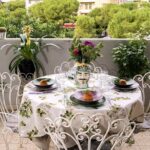
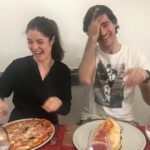
After cooking, you all eat together. On good-weather days, lunch is served on the terrace or in the garden. In winter, it moves indoors to the kitchen in front of the wood stove.
That choice changes the whole mood. On the terrace, the meal feels like a long chat with food as the excuse. In winter, it feels slower and warmer, with the kitchen acting like the center of the world for a few hours.
Either way, the experience is designed to include pleasant conversation. You’ll likely talk about ingredients, cooking habits, and what makes Sicilian comfort food work—while you’re still in the middle of tasting it.
What I think you’re really paying for: ingredient time + small-group teaching
At $117.75 per person for about 4 hours 30 minutes, this isn’t a budget “snack and smile” activity. It’s priced more like a private meal experience with instruction built in.
Here’s the value logic that holds up:
- The food is the point. You’re eating multiple courses, not just a tasting bite.
- You handle the cooking. With a group up to 10, you’re not stuck in the background.
- The ingredient story is real. You start with a walk to pick produce, and that changes how the meal tastes.
- Hosts treat it like a family project. When the day includes extra touches like wine with the meal (for those of legal drinking age), plus home sweets, it feels like a full afternoon, not a quick lesson.
Also, this class tends to get booked. If you’re traveling in high season, plan ahead—on average, it’s booked about a week in advance.
Getting there and what to expect from logistics (without the fuss)
The class starts at SP93, 320, 97012 Chiaramonte Gulfi RG, Italy, and it ends back at the meeting point.
You’ll receive confirmation at booking, and the ticket is mobile. The experience is offered in English, and service animals are allowed.
Two more practical notes from the operator details:
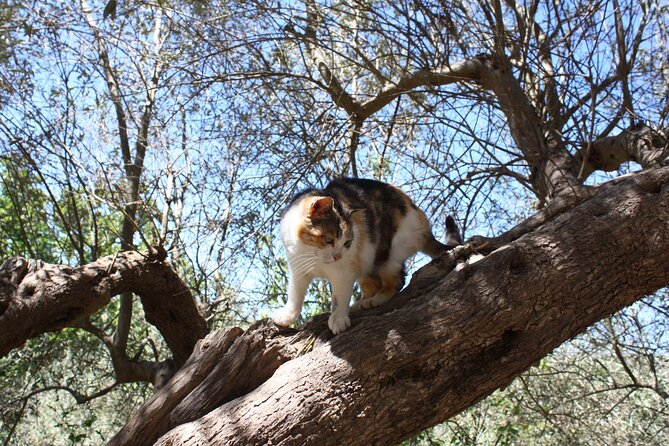
- It is not recommended for travelers with serious allergies to dogs and cats.
- Customers under Italy’s legal drinking age (18) will not be served alcoholic beverages.
Who should book Simona’s class—and who should skip it
This is a great fit if you want:
- hands-on cooking with a small group
- a real food meal with Sicilian home classics
- a countryside setting where you can slow down and talk while you eat
- a class taught in English, without needing Italian to participate
It’s not a great fit if:
- walking is difficult for you (the day begins with an outdoor walk)
- you have serious allergies to dogs and cats
If you’re traveling solo, it can still work because the group is small and the hosts are focused on getting you involved. If you’re traveling with family, this kind of kitchen learning can be especially memorable because the meal is something everyone can sit down to together afterward.
Should you book this Sicilian cooking class with Simona?
If you’re choosing between another “cook for an hour then leave” option and this full countryside experience, I’d lean toward Simona’s class when your goal is to taste Sicilian life in a way that feels practical and human.
Book it if you want ingredient picking, fresh pasta work, and a full sit-down lunch in a family-style setting. Skip it if mobility is a concern or if allergies to dogs and cats are an issue.
If you do book, show up hungry and ready to take your time. The best moments here aren’t only the final dishes. They’re the hands-on steps you’ll understand well enough to repeat back home.
FAQ
What is the duration of the cooking class?
It lasts about 4 hours 30 minutes.
Where is the meeting point?
The class starts at SP93, 320, 97012 Chiaramonte Gulfi RG, Italy, and ends back at the same meeting point.
Is the class offered in English?
Yes, it is offered in English.
What kind of food do you cook and eat?
You’ll collect fresh ingredients, then cook a Sicilian-inspired meal together. The experience can include fresh pasta as a first course, a second course of meat and seasonal vegetables or vegetarian dishes such as caponata, and a dessert such as cannoli or cassatelle. Starters may include homemade preserves, local cheeses, cured meats, focaccia, and wine.
Is wine included?
Wine is included as part of the meal. However, alcoholic beverages are not served to anyone who has not reached Italy’s legal drinking age of 18.
How many people are in the group?
The experience has a maximum of 10 travelers.
Is this class recommended if I have walking problems?
No, it is not recommended for travelers with walking problems.
Are service animals allowed?
Yes, service animals are allowed.
Can I cancel for a full refund?
Yes. You can cancel up to 24 hours in advance for a full refund.
Is the experience suitable for people with serious allergies to dogs or cats?
It is not recommended for travelers with serious allergies to dogs and cats.