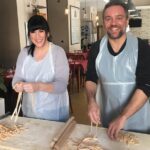
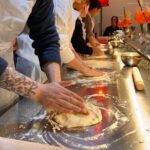
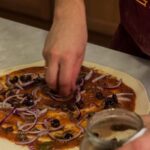
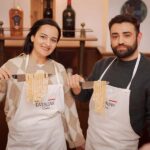
Fresh pasta in Rome, in a real kitchen.
This is a 4:30 pm small-group cooking class where I’d focus on one thing: you learn hands-on Roman pasta-making and then sit down to eat what you made with wine. Expect to form and shape fresh pasta like fettuccine and ravioli, and in many cases gnocchi too, plus a classic finish like tiramisu.
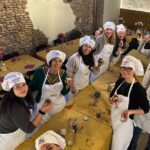
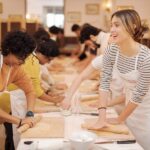
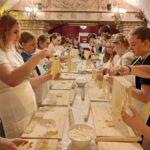
The vibe is also social in a good way. You’re capped at 15 people, and you often end up with just a few, so you can actually ask questions while the chef works. One consideration: the class location can be a chef’s house or a restaurant kitchen, and the “hands-on” level can vary depending on how busy the kitchen is that night.
In This Review
- Key things to know before you go
- Meeting Piazza Navona at 4:30 pm: easy start, easy nerves
- What you’ll cook: ravioli, fettuccine, gnocchi, plus Roman starters
- The kitchen reality: chef’s house vs restaurant kitchen
- Dinner with wine: what the meal feels like at the table
- English support makes the class smoother
- Taking recipes home: great idea, watch the timing
- Price and value: $107.23 for an evening that includes dinner
- Who this class suits best (and who should rethink it)
- Should you book the Roman Chef for a Day class?
- FAQ
- Where do we meet for this cooking class in Rome?
- What time does the class start, and how long is it?
- Is the class taught in English?
- Can I get a vegetarian option?
- Is there wine, and are there age limits?
- Is there a refund if I cancel?
Key things to know before you go
- Piazza Navona meeting point is specific: look for number 14 with the Savor Italy Tours sign, and show up a bit early.
- You get an organized menu: bruschetta, fresh pasta (often fettuccine and ravioli), and tiramisu, with options that shift by season.
- English support is part of the setup: you’ll have an interpreter/guide (names you might see include Richie or Holly).
- It’s not a full-day cooking course: plan on about 2.5 to 3.5 hours, then dinner immediately after.
- Group size can be tiny: even though the cap is 15, you may get a more intimate class with lots of attention.
Meeting Piazza Navona at 4:30 pm: easy start, easy nerves
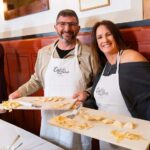
The evening starts at 4:30 pm near Piazza Navona. When you arrive, head to the area in front of the main fountain (the one in the middle). If you’re facing the church, look left. You should spot a building with a Brazilian flag, or just walk along the left side of the fountain. Your coordinator waits at Piazza Navona 14 holding a sign for Savor Italy Tours.
This matters more than it sounds. Piazza Navona is famous, which means it’s also crowded and easy to mix up squares. The tour is strict about being at the departure point at the stated time, so I’d aim to arrive 10–15 minutes early, take a photo of the exact spot you’re standing by, then wait.
The class is near public transportation. In at least some cases, you may move to the actual kitchen location afterward (for example, one experience involved a short subway ride). So keep your evening flexible: you’re not just “meeting in a scenic place,” you’re gearing up for dinner and cooking right after.
You can also read our reviews of more tours and experiences in Rome.
What you’ll cook: ravioli, fettuccine, gnocchi, plus Roman starters
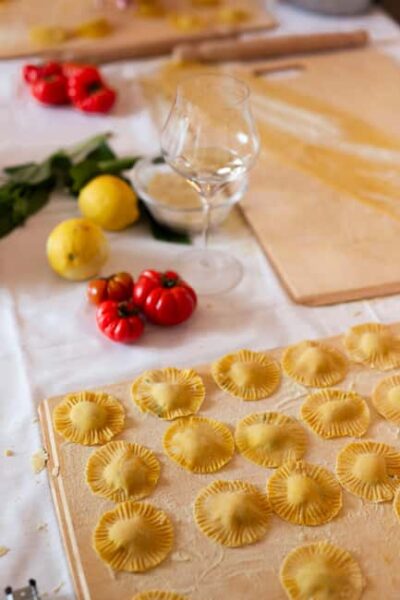
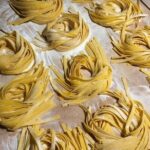
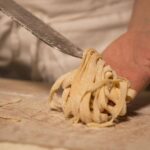
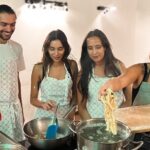
This is sold as a “Roman chef for a day” experience, and the heart of it is pasta skills. You’ll work with basics like flour and eggs and learn authentic techniques for pasta such as fettuccine, ravioli, and/or gnocchi. Along the way, you also hear stories and legends about the dishes and why they became popular.
Here’s what the menu often includes (it can change based on seasonal ingredients):
- Bruschetta al pomodoro (starter)
- Fettuccine al Ragu Bolognese or Fettuccine Carbonara
- Ravioli di Ricotta e Spinaci or Gnocchi al Pesto (potato dumplings with pesto)
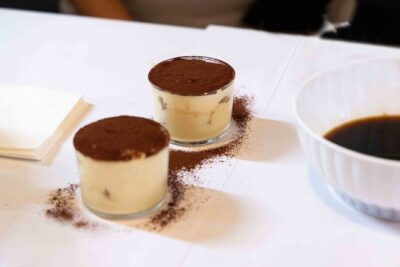
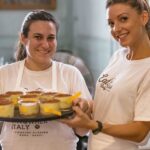
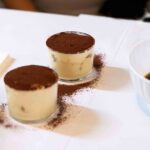
- Tiramisu (dessert)
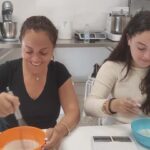
In practical terms, you’re not just watching someone cook. You’re learning the “why” behind the steps: dough texture, rolling and shaping, and how Italian cooks build flavor with traditional sauces rather than shortcuts.
One more detail that’s worth planning for: menu choice may be split between what’s in season and what’s easiest to execute that night. If you have preferences, add them in your booking notes. Vegetarian is available, and you should also mention any dietary needs when you book.
The kitchen reality: chef’s house vs restaurant kitchen
The big promise here is an authentic, local setting—sometimes in a chef’s house, sometimes in a restaurant. That flexibility is also the main reason this class gets mixed feedback.
When the session is in a calmer space, you get more time to practice and learn. You’re more likely to fully participate in making multiple components: the dough, shaping, sauce work, and dessert prep.
When it’s in a busy restaurant kitchen, things can feel more rushed. One consistent theme in feedback: the kitchen may be operating for restaurant service at the same time as your class. That can reduce hands-on time for certain courses, especially if extra steps like sauce cooking, assembling bruschetta, or dessert prep aren’t fully done by the time you arrive.
So what should you do? Go in expecting pasta-making instruction as the core. For the rest (starters and dessert), be pleasantly curious, not emotionally attached to a promise that every component will be built from scratch in front of you. If you really want the full “hands-on for everything” version, ask ahead or book with that expectation clearly in mind.
Dinner with wine: what the meal feels like at the table
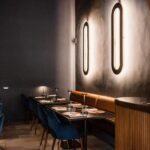
After the cooking portion, you sit down and eat. The format is designed like a real Italian dinner: you start with your starters, then move into the pasta course, and finish with dessert (often tiramisu). Wine is included, and you’ll get it with the meal.
The minimum drinking age is 18, so adults only for the wine part. Also, the amount of wine can vary. I’ve seen some nights feel generous and others feel like one glass and done. Don’t count on a second round to change your life.
What I like about this setup is that it turns practice into payoff. You learn dough, shape it, and then you actually taste what your hands made. That “eat immediately after” rhythm is where the experience gets memorable.
English support makes the class smoother
Rome cooks fast, talks fast, and uses food language you won’t memorize from a cookbook. That’s why the translator/guide element matters.
In past experiences, interpreters included people like Richie and Holly, and chefs named such as Loretta and Laura have led classes. If your chef doesn’t speak English, the interpreter becomes your bridge—not just translating words, but helping you avoid common mistakes like dough sticking, overworking, or shaping too thick.
This is also why the class can work well even for first-timers. You’ll likely spend most of your attention on the tactile steps, and the interpreter helps you connect those steps to the end result.


Taking recipes home: great idea, watch the timing
One of the best value-adds here is that you can take home recipes so you can recreate the dishes later. In theory, you’ll keep the recipe set and use it to wow friends back home.
In practice, recipe delivery seems to vary. Some people report receiving them later by email; a few say they didn’t arrive right away. If recipes are important to you, I’d plan as if you’ll have them soon, but I wouldn’t book the class as your only prep step for a specific event happening within days.
Price and value: $107.23 for an evening that includes dinner
At $107.23 per person, you’re paying for more than instruction. You’re paying for:
- A structured class (not just a food tour)
- Small-group attention (even when the cap is 15, many nights run much smaller)
- Ingredient work that turns into dinner
- Wine with the meal
- Taxes and fees included
Where the value really lands is this: you’re learning skills you can repeat. Making pasta at home is not “hard,” but it is fiddly. A class compresses years of guesswork into one evening, and the meal makes it feel worthwhile immediately.
If you’re the type who likes hands-on experiences and you’d rather spend your Rome money on something you’ll use again at home, this is a strong fit. If you’re mainly hunting for a long, multi-course cooking program where you personally create every single course component, you may feel the time is tight, especially in a busy kitchen setup.
Who this class suits best (and who should rethink it)
This class fits best if you:
- Want a 3-hour Rome activity that ends with dinner
- Are excited to learn real pasta methods (fettuccine, ravioli, gnocchi options)
- Like small-group settings where you can ask questions
- Enjoy local food stories and the meal-as-a-finish structure
You might rethink it if you:
- Expect the kitchen to be quiet, like a private home setting, every single night
- Want guaranteed hands-on time for every course element (starter assembly, sauce cooking, and dessert prep) in all scenarios
- Are very sensitive to kitchen cleanliness. One outlier experience mentioned a kitchen that didn’t feel prepared for guests. That’s not the norm implied by the broader setup, but it’s a reminder to choose your expectations carefully.
If you’re traveling with a friend or partner, it can also be a nice date-night cooking style without being a full-day commitment. Several experiences noted the fun factor and personal attention when group size was tiny.
Should you book the Roman Chef for a Day class?
Book it if your goal is to leave Rome with pasta skills you can actually use, not just photos and a full stomach. The combination of fresh pasta instruction, a sit-down dinner, and English support makes it a practical “do this once” experience.
Before you go, keep two expectations calibrated:
- The pasta work is the core. Starters and dessert may come with different levels of hands-on prep depending on the kitchen setup that night.
- Recipe access is a plus, but delivery timing may vary, so don’t tie it to a tight deadline.
If you want to maximize your odds of a smooth, hands-on class, arrive on time, ask your interpreter questions early, and be clear about any dietary needs (vegetarian is available). Then enjoy the part that matters: rolling dough, shaping pasta, and eating it right there in Rome.
FAQ
Where do we meet for this cooking class in Rome?
You meet at Piazza Navona at number 14. Look for the coordinator holding a sign for Savor Italy Tours, near the main fountain area.
What time does the class start, and how long is it?
It starts at 4:30 pm and runs about 2 hours 30 minutes to 3 hours 30 minutes.
Is the class taught in English?
Yes, the experience is offered in English and includes English support (an interpreter/guide is part of the experience).
Can I get a vegetarian option?
Yes. A vegetarian option is available, and you should advise at booking if you need it.
Is there wine, and are there age limits?
Wine is included with the meal, and the minimum drinking age is 18.
Is there a refund if I cancel?
This experience is non-refundable and cannot be changed for any reason. If it’s canceled because the minimum number of travelers isn’t met, you’ll be offered a different date/experience or a full refund.