REVIEW · VENICE
Yummy Cooking Class in Venice with Professional Chef
Book on Viator →Operated by CITY TOURS CO. LTD · Bookable on Viator
Pasta gets personal in Venice. This small-group cooking class with Chef Carolyn turns an everyday morning in the Campo Santa Margherita area into hands-on training, from rolling dough to shaping agnolotti. I also love that lunch comes with wine and water, so you’re not just watching cooking happen.
One thing to plan for: there’s no hotel pickup, and you’ll need to reach the meeting point on your own. On certain day-visit dates, you may also run into Venice’s €5 access fee rules, so it’s smart to check in advance before you commit.
In This Review
- Key Things to Know Before You Cook in Venice
- Why This Venice Cooking Class Feels Different Than a Demo
- Meeting at Rio Terà Canal: Plan Your Morning Like a Local
- Campo Santa Margherita Stop: Where the Lesson Gets Its Venice Flavor
- Rolling Pasta Dough and Shaping Agnolotti Like You Mean It
- Seasonal Sauces: The Skill That Changes With the Seasons
- Crème Patisserie and Local Cakes: The Sweet Skill Set
- Lunch With Wine, Water, and a Terrace View
- What You Take Home: Recipes, Techniques, and Venice Tips
- Price and Value: Is $149.96 a Good Deal?
- Who Should Book This Class (And Who Might Want to Skip It)
- Should You Book Yummy Cooking Class in Venice?
- FAQ
- What time does the cooking class start, and how long is it?
- How large is the group?
- What language is the class taught in?
- What’s included in the price?
- Are drinks included, and do I need to buy wine separately?
- Can the menu be adapted for dietary restrictions?
- Can I cancel for a full refund?
Key Things to Know Before You Cook in Venice
- Max 4 people means the chef can correct your technique and keep everyone busy.
- Chef Carolyn’s Venice-and-islands approach uses seasonal ingredients for the savory dishes.
- Agnolotti hands-on practice: you’ll fill, close, and learn the feel of the pasta.
- Crème patisserie + local sweet cakes: you’re not done when the savory meal ends.
- Lunch with water and wine, and (often) an outdoor terrace meal April–October if weather is good.
- You leave with recipes and tips so you can recreate the meal after you get home.
Why This Venice Cooking Class Feels Different Than a Demo
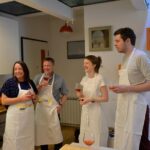
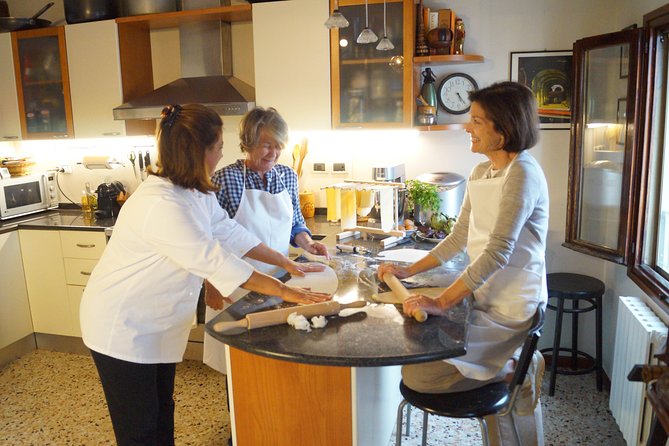
This class isn’t set up like a show. You’ll work at the counter, get your hands on dough, and learn the steps in a real kitchen setting run by Chef Carolyn. In a city where most food experiences are tasting-only, it’s a nice change to learn how the food is actually built.
The best part is the balance: you get the practical skills for pasta and dessert, and you also get real Venice context while you cook. Chef Carolyn shares guidance on local ingredients and also gives practical tips for eating and moving around the city.
The other big win is the group size. With a maximum of 4 travelers, you’re more likely to get individualized coaching than you are in larger classes where the chef is doing triage between stations.
You can also read our reviews of more tours and experiences in Venice.
Meeting at Rio Terà Canal: Plan Your Morning Like a Local
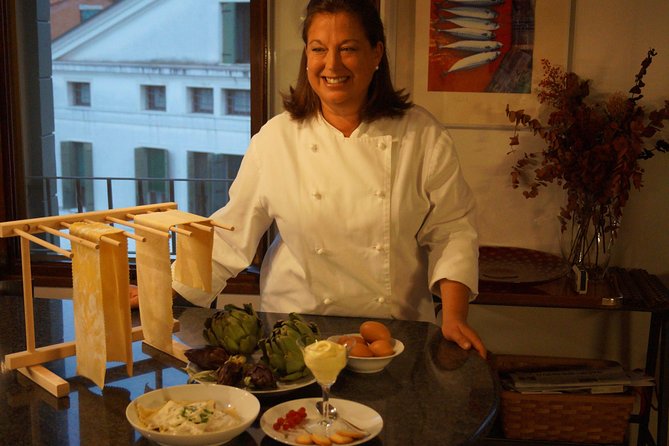
The class starts at 10:00 am and lasts about 4 hours. You meet at Rio Terà Canal, 3022, 30123 Venezia VE. It’s near public transportation, but Venice logistics still matter: you’ll want comfortable shoes and a plan for where you’ll be standing at 10:00, not where you hope to be.
No hotel pickup is included, so don’t count on anyone finding you. I recommend arriving a bit early so you can settle in, use your bearings, and avoid that late-arrival stress that can happen in Venice’s maze of streets and bridges.
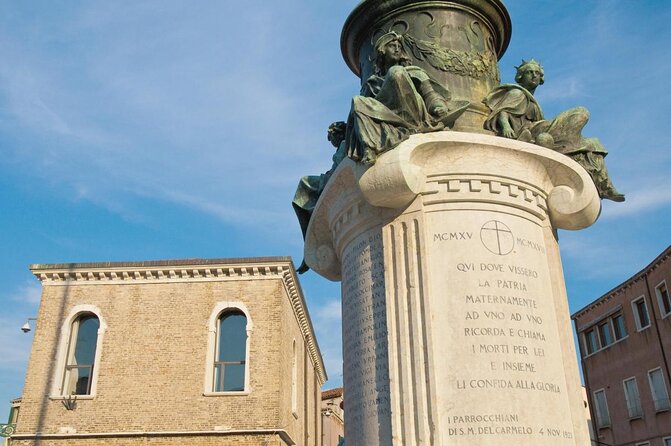
At the start, you’ll connect with the group and get oriented around the Campo Santa Margherita area (the tour’s listed stop). This matters because Venice cooking is tied to neighborhood rhythms. Once you’re there, you’ll see why this location works well for meeting and then settling into the lesson.
Campo Santa Margherita Stop: Where the Lesson Gets Its Venice Flavor
Campo Santa Margherita is a lively square, the kind of place that feels like it belongs to locals more than tour groups. Starting there gives you a quick sense of place before the cooking ramps up.
You’ll likely get small storytelling moments that connect ingredients to the city. Based on how the chef teaches, expect questions and answers as you go—like what to look for at markets or how certain vegetables show up in seasonal sauces. It’s not just chef talk. It’s the kind of background that helps you understand what you’re doing when your sauce tastes right or when your dough feels too dry.
And yes, Venice soundtracks this experience. One of the charming details people mention is hearing church bells during the process. It sounds small, but it adds to the feeling that you’re cooking in the real city, not in a staged environment.
Rolling Pasta Dough and Shaping Agnolotti Like You Mean It
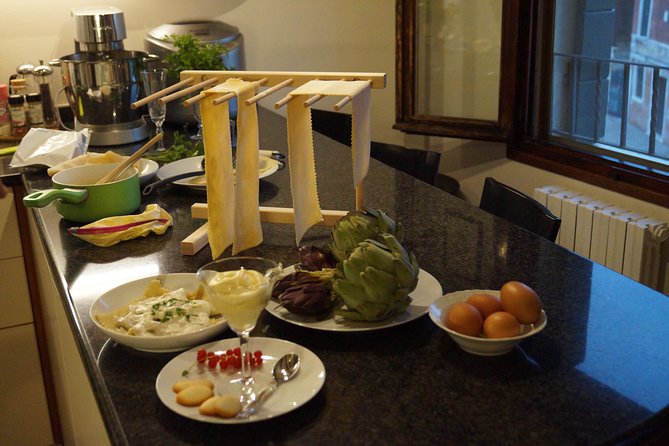
The lesson starts with pasta that’s filled—your first session centers on fresh Italian pasta with meat or fish filling and a sauce built from seasonal vegetables from the northern lagoon area. The exact fillings and ingredients can shift with the season, which keeps the class aligned with how locals cook instead of serving a one-size-fits-all menu.
Here’s what you’ll do:
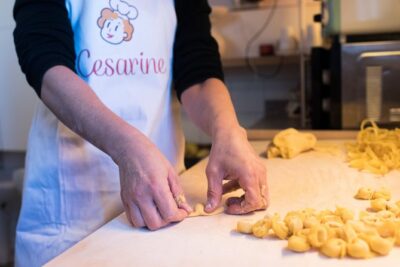
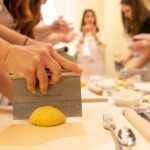
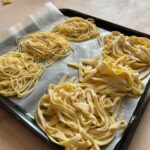
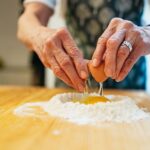
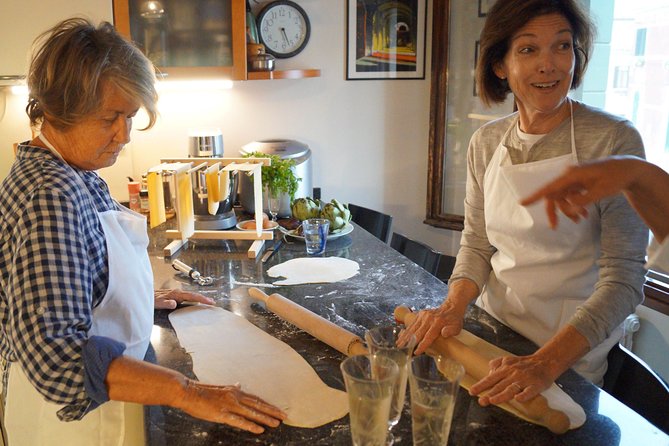
You’ll make pasta dough using your hands, not just a machine and a timer. That physical part is important. Hand-rolling teaches you how the dough should feel, and it’s what later helps you recreate the dish at home.
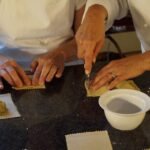
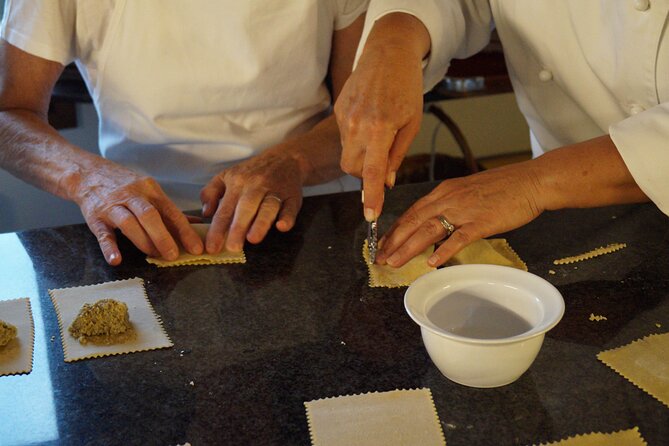
Then you’ll learn how to fill and close the agnolotti. This is the step that turns pasta from something you buy into something you craft. Expect instruction on portioning and sealing so your pasta doesn’t open up when it hits the pan.
This is also where the class earns its high marks. With a maximum of 4 people, the chef can guide each student rather than giving everyone one blanket explanation. If you’re a beginner, that’s a relief. If you already cook, you’ll still appreciate the corrections on dough texture and filling consistency.
Seasonal Sauces: The Skill That Changes With the Seasons
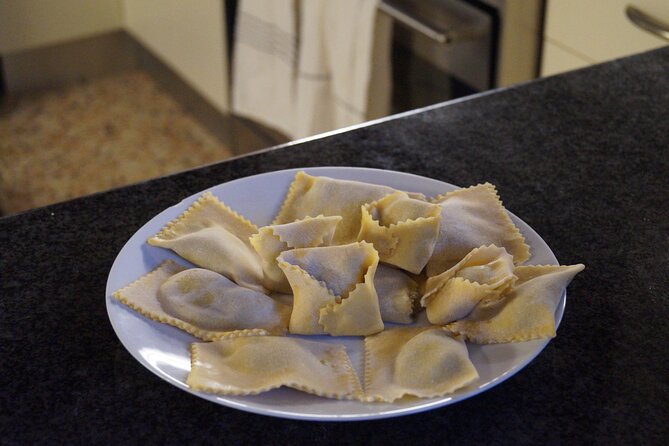
Once the pasta work starts clicking, the sauces are where Venice really shows up on your plate. You’ll learn about seasonal vegetables and how to build a sauce that tastes like it belongs with your pasta, not like it’s coming from a jar.
Chef Carolyn uses fresh products from Venice and its islands, so the flavor direction is tied to what’s available. That matters because seasonal cooking changes your outcome. A sauce made in autumn tastes and behaves differently than one made in spring, and this class trains you to think that way.
You’ll also notice that the cooking isn’t only about the big steps. It’s about how you finish the sauce—how it coats, how it balances with the pasta, and how you adjust as it cooks. Those are the lessons that pay off when you’re back home trying to recreate the dish with whatever your local market offers.
If you’re worried you’ll leave without understanding the method: you won’t. The goal is that you can reproduce the dish, not just remember the taste.

Crème Patisserie and Local Cakes: The Sweet Skill Set
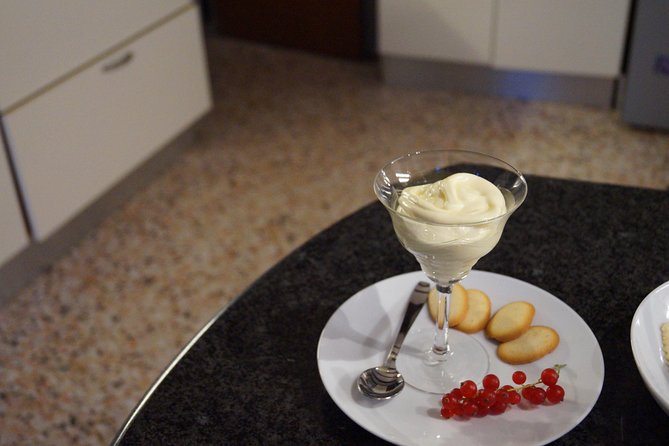
After the savory portion, the class shifts gears to patisserie. You’ll learn how to create a crème patisserie—the kind of smooth, creamy filling that turns simple cake into something special.
Then you’ll pair it with sweet local cakes. That pairing is a Venetian-style way of thinking: the dessert isn’t always one standalone dish. It’s often a local cake tradition supported by a classic cream technique.
Some people also mention a dessert they made that connects to Doge’s cream style. Even if your exact sweet outcome varies with what’s available, the key takeaway is the technique. You’ll understand how to build and assemble your dessert so it still makes sense even if you can’t find the exact same cake at home.
This portion is also great for families and mixed skill groups. You don’t have to be a pastry master to participate. The chef’s instruction style focuses on getting you to succeed, then explaining what makes it work.
Lunch With Wine, Water, and a Terrace View
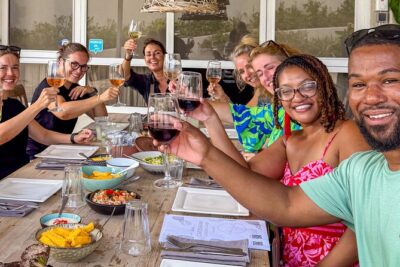
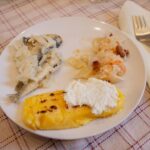
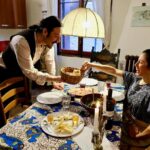
By the time you sit down, you’ll be eating what you made. Lunch is part of the package, and it’s not a separate restaurant stop. It’s the payoff: you cooked, you ate, and you also got practice you can replay later.
Drinks included are water and wine, and there’s no mention of having to buy anything extra for the meal itself. That turns the class into a low-effort day plan: you’re not spending your time mapping a lunch spot on top of cooking.
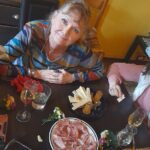
From April to October, the meal is served outside on a terrace that overlooks the square if the weather is good. That’s an upgrade because you get your Venetian moment while everything is still fresh from the pan. If weather doesn’t cooperate, you’ll still eat the meal you cooked, just without the outdoor setting.
This is one of those experiences where the pacing helps. You’re not rushing to consume. You take a breath, eat together, and talk with the chef while the food is still at its best.
What You Take Home: Recipes, Techniques, and Venice Tips
A strong theme in people’s feedback is that they leave with more than just a full stomach. Chef Carolyn provides recipes and skill-building guidance to help you recreate the dishes at home.
You can expect to receive materials connected to what you made—people mention having printouts and recipes to take home. If you want to cook later, that’s huge. Without written steps, pasta lessons can blur into good memories with no method attached.
You’ll also walk away with practical Venice advice. Several people highlight that Chef Carolyn shares recommendations for places to eat and things to do, plus tips for navigating the city. That’s especially useful if you’re trying to plan your trip without wasting time on the wrong spots.
And because the class is built around real ingredients, it nudges you to shop smarter later. Even if you never cook agnolotti again, you’ll come away with a stronger sense of what fresh pasta should feel like and how a proper sauce should cling.
Price and Value: Is $149.96 a Good Deal?
At $149.96 per person for about 4 hours, this class isn’t the cheapest thing on the menu in Venice—but it is priced like an experience with real labor behind it.
Here’s why I think it’s good value:
- You’re getting hands-on instruction from a professional chef, not watching someone else cook.
- Your meal is included, including drinks (water and wine).
- Ingredients and cooking items are included, so you’re not paying extra at the end.
- The group is capped at 4 people, which increases the amount of direct coaching you get.
The biggest reason people feel satisfied is the combo: you cook the pasta, you learn the dessert technique, then you eat it where Venice slows down a little. That’s harder to find than classes that only do one dish or only feed you in a separate setup.
The cost can feel less “worth it” only if you’re expecting a big-bus tour style event or if you’re not comfortable navigating to the meeting point. If you’re organized and ready to cook, it tends to land well.
Who Should Book This Class (And Who Might Want to Skip It)
This is an ideal fit if you:
- Want a real Venetian home-kitchen style experience instead of a quick tasting
- Enjoy hands-on cooking and want skills you can repeat later
- Like the idea of a small group where the chef can coach you personally
- Are traveling with teens or kids who enjoy learning and eating what they make
It may be less ideal if you:
- Need hotel pickup or prefer fully guided logistics with no coordination on your side
- Have very complex dietary needs and haven’t communicated them in advance (the chef can adapt, but you should message clearly ahead of time)
- Only want a casual, low-effort activity and don’t want to spend time shaping pasta and assembling dessert
If you’re on the fence, I’d treat this as a strong choice for the middle of your trip. It also helps to book early in your itinerary if you want the chef’s eating and navigating tips to influence the rest of your days.
Should You Book Yummy Cooking Class in Venice?
If you want Venice through your hands and your plate, I’d book it. The recipe skills are practical, the group size is small, and the included meal makes the time feel worth it. I also love that you’re trained on both the savory and the sweet, so you leave with a full toolkit.
Just go in with the right mindset. Show up on time at the meeting point near Rio Terà Canal, be ready to cook, and treat this like a chef-led morning in a real neighborhood—not a ticket to sit and watch.
FAQ
What time does the cooking class start, and how long is it?
The class starts at 10:00 am and lasts about 4 hours.
How large is the group?
The class has a maximum of 4 travelers, so instruction stays personal.
What language is the class taught in?
It is offered in English.
What’s included in the price?
Included are the cooking items, the meal, drinks (water and wine), ingredients, and an expert chef.
Are drinks included, and do I need to buy wine separately?
Water and wine are included with the meal. Extra alcohol or food is not included.
Can the menu be adapted for dietary restrictions?
Yes, you should communicate dietary needs in advance (allergies, food intolerances, or religious preferences) so the chef can adapt the menu accordingly.
Can I cancel for a full refund?
You can cancel up to 24 hours in advance for a full refund. Changes inside 24 hours of the start time aren’t accepted, and cancellations within that window aren’t refunded.