REVIEW · MATERA
Home Restaurant Made In Slow Food Matera – Cook with us!
Book on Viator →Operated by Francesco Linzalone · Bookable on Viator
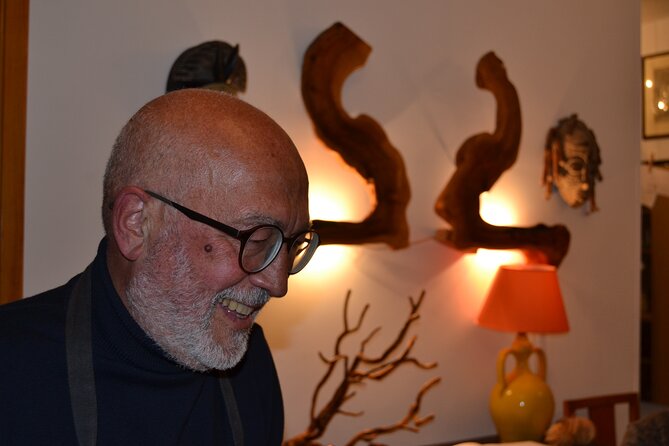
Matera dinner at a private home feels like stepping into someone’s daily rituals: the same gestures, new variations, and that easy Slow pace that makes food taste slower and better. I really like the seasonal Matera menu built around what’s showing up in the countryside, and I like that you’re invited into the “my home” style of cooking with Francesco Linzalone, not just watching from the side. One thing to think about: this is labeled cook with us, but the format may be closer to a hosted dinner than a hands-on, step-by-step cooking class.
The heart of the evening is preparing classic dishes together and then eating them in a convivial atmosphere that feels informal, not staged. You’ll hear the logic behind the dishes—especially how each course lines up with the season—then you’ll taste the results with the people you came with. My only caution is to manage expectations: if you’re hoping for lots of active chopping, mixing, and mastering one full recipe start to finish, you should confirm how hands-on the cooking really is.
In This Review
- Key things to know before you go
- Entering Matera at 6:00 pm, the home-kitchen mood kicks in
- The Matera dishes: what you might make and why they matter
- A “cook with us” evening: hands-on or hosted dinner?
- The Slow Food rhythm: how the 4 hours likely flow
- Price and value: is $63.98 worth it?
- Who should book this, and who should skip it
- A quick check before you commit
- Should you book Home Restaurant Made In Slow Food Matera?
- FAQ
- What time does the Matera home dinner start?
- Where do we meet?
- What dishes might we eat or help prepare?
- Is this a group tour or a private experience?
- What’s the ticket method?
- What if weather is bad or the minimum number of travelers isn’t met?
Key things to know before you go
- A private home evening in Matera with only your group, starting at 6:00 pm and lasting about 4 hours
- Season-driven Matera dishes, with examples that can include Cicirata in hen broth and carnival calzones
- Local produce used in multiple ways, from chicory and field chard to baked pies with Pezzente salami
- A Slow Food style of dining, centered on conversation, patience, and eating what you just made
- Small-footprint logistics, using a mobile ticket and meeting right at Viale Italia, 24
Entering Matera at 6:00 pm, the home-kitchen mood kicks in
This is timed for the best kind of dinner hour: you meet at 6:00 pm on Viale Italia, 24, 75100 Matera and the evening runs about 4 hours. That matters because home dining doesn’t move at restaurant speed. You’re not trying to squeeze a meal between sights. Instead, you get time to settle in, talk, and watch dishes come together at a calm pace.
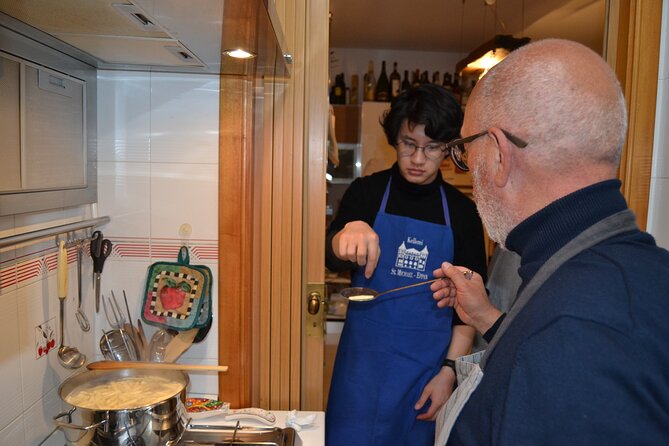
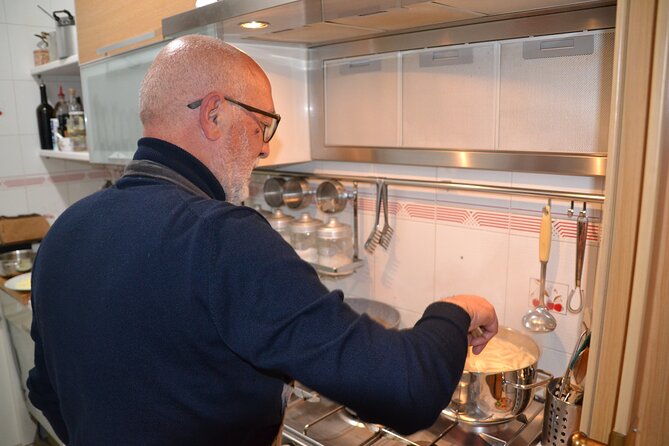
Matera is the kind of place where you can spend the day admiring stone and light. But this dinner is about what happens after: the smell of cooking, the rhythm of shared plates, and the comfort of staying put. The host’s approach is built around a family-kitchen feeling—think routines around boiling pots and repeated gestures that shift slightly each time.
Also, your group stays small in the best way. It’s a private tour/activity, meaning only your group participates. That usually leads to more direct interaction with the host, and it also keeps the vibe relaxed rather than rushed.
If you come expecting a big production with multiple stations, you might feel like something is missing. But if you want a lived-in meal—warm, personal, and made with seasonal intent—this format fits.
You can also read our reviews of more tours and experiences in Matera.


The Matera dishes: what you might make and why they matter
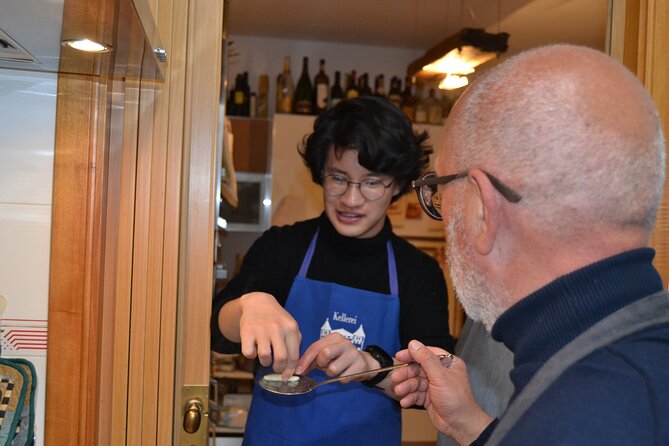
The menu is built around tradition and timing. The tour description makes it clear that what you prepare depends on the period you meet, but it also gives a real feel for the range. You’re not just eating one specialty; you’re moving through a sequence of Matera favorites.
Here are dishes that may appear, depending on the season and timing:
- Cicirata in hen broth: a classic in the Matera orbit, anchored in a savory broth and made to comfort.
- Married soup: a name that signals a hearty blend rather than a single-ingredient idea.
- Carnival calzones with pork ragout: rich, filling, and tied to seasonal celebrations.
- Baked cazzomarro: an oven-baked dish that leans into Matera’s love of long cooking and satisfying texture.
- Easter cardoncelli flan: using cardoncelli mushrooms in a flan form, which is a clever way to make something humble feel special.
- Dishes rich in oil: Matera cooking often leans on olive oil for depth, not just flavor.
What I like about this approach is that it doesn’t treat tradition like a museum piece. It treats it like a working system. Each dish has its moment. That means you’ll see how local ingredients and holiday rhythms shape what people cook at home.
Then there’s the second layer: spontaneous products from the earth. The description calls out ingredients like cimamarelle, field chard, chicory, sivoni, and cardoncelli. These can show up transformed into baked pies, paired with Pezzente salami, turned into meatballs, or combined with podolic caciocavallo.
Even if you’ve eaten Southern Italian food before, this is the part where the evening can feel new. It’s one thing to taste a dish. It’s another to understand how greens and mushrooms become the base for multiple forms—baked, mixed, filled, and set.
A “cook with us” evening: hands-on or hosted dinner?
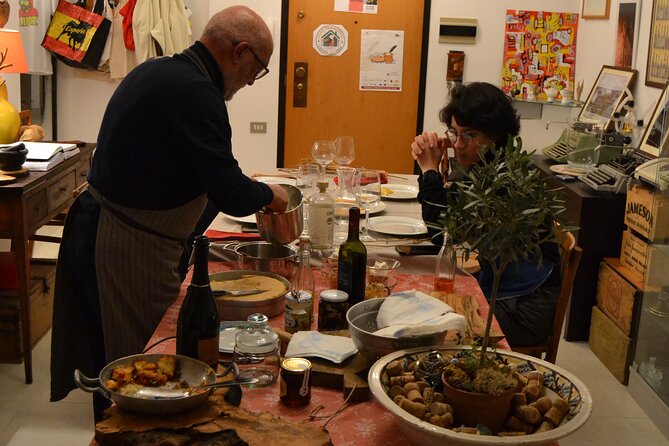
This is the trickiest part to judge before you arrive, and it’s worth talking straight about it.
On paper, you’re preparing various dishes together. In practice, cooking experiences can land anywhere on a spectrum: from heavy hands-on training to a more hosted dinner where you help with a few steps while the major work happens. One possible drawback is that the experience may feel like a dinner that’s already largely prepared, with you more involved in the social side and tasting than in cooking every course from scratch.
How do you use this to your advantage? Plan your expectations like this:
- If you want a cooking class with lots of instruction, tools, technique talk, and repeatable “do this, then this” steps, you should consider messaging ahead to ask how hands-on it will be.
- If you want to learn through participating lightly—handling ingredients, assembling elements, and then eating right away—you’ll probably enjoy the Slow atmosphere more than the technique show.
One clue is the way the host frames the evening: as a kitchen rooted in family rituals. That’s usually less about formal lessons and more about learning by watching and doing a few key tasks.
Either way, the payoff is the meal. You’re not spending 4 hours just to snack. You’re set up for multiple dishes, then a communal dinner rhythm that stays informal.
The Slow Food rhythm: how the 4 hours likely flow
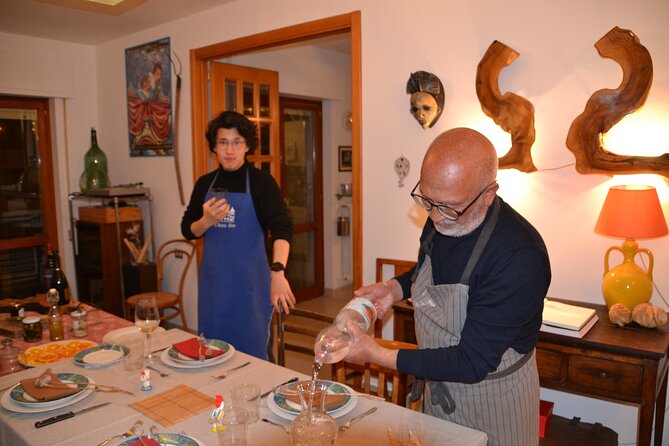
You’re starting at 6:00 pm, and the whole thing runs about 4 hours, so think of it as a long, paced evening rather than a quick class. Here’s the rhythm you should expect, based on how the evening is described:
First, there’s time to settle in and get oriented in a home setting. You’ll likely begin with ingredients and dishes tied to the current season, then you’ll move into making parts of the meal together. The description emphasizes preparation of Matera tradition dishes, then tasting them in the same convivial atmosphere.
Next comes the eating. And this is where the Slow Food tone matters. In a home kitchen, the meal doesn’t arrive like clockwork. It shows up as dishes are ready, and that means you can actually talk. You’re there to combine knowledge with leisure, not to race through a tasting menu.
Because the dishes are seasonal and multiple, the dinner can also feel like a guided tour of Matera through food. You’ll experience different textures and flavors—broths, baked items, oil-based richness, and vegetable-forward plates—without needing to study a cookbook first.
One small practical point: a home dinner can mean there’s less seating space than a restaurant. Wear comfortable clothes and plan to be relaxed. You’ll enjoy it more if you treat it like an evening, not a sprint.
Price and value: is $63.98 worth it?
At $63.98 per person for about 4 hours, you’re paying for several things at once: a private home setting, a structured seasonal menu, and a host-led kitchen experience. This isn’t a cheap “tour + snack” deal.
So how do you judge value fairly?
You get value if:
- You want a home-style meal with Matera tradition at the center.
- You like food experiences that are more conversational and seasonal than technical.
- You’re okay with a format that may be partially hosted dinner rather than a strict cooking workshop.
You might feel it’s not great value if:
- You came specifically for hands-on cooking instruction with lots of technique coaching.
- You’re expecting multiple complete recipes you personally cook end-to-end.
Because you’re paying a per-person rate, ask yourself what you’d pay for a long private dinner with multiple courses. In Matera, that number can vary widely depending on where you go. Here, the pitch is that you’re also part of the kitchen story, even if not every minute is a hands-on cooking segment.
The fact it’s private helps the value equation too. You’re not sharing the setting with strangers, and that usually makes the meal feel more personal.

Who should book this, and who should skip it
This is a good fit for you if you’re the kind of traveler who loves:
- Seasonal food and ingredient variety (greens, mushrooms, and oil-forward dishes)
- Home-style hospitality that feels casual and human
- A slower evening where conversation and eating are part of the point
It may not be the best match if:
- You need a formal “teaching” format where you do every step and get detailed technique instruction.
- You’re sensitive to the idea that cooking involvement can vary from person to person.
If you’re traveling with friends and want an easy, memorable evening that doesn’t feel like another checklist stop, this fits. It’s also a nice choice for food lovers who want to understand the Matera idea of tradition as something you eat regularly, not something you only view.
A quick check before you commit
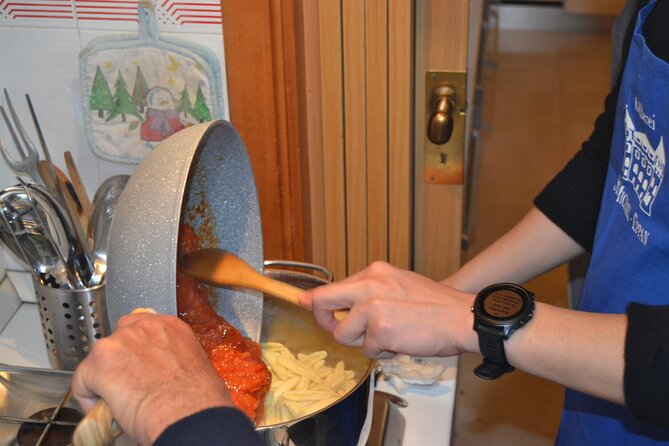
Before booking, I’d do one simple thing: confirm how hands-on the cooking will be for your group. The title suggests cooking together, and the description includes preparation, but the overall experience can still lean more toward hosted dinner depending on timing and what’s being cooked.
Also, plan around weather. This activity requires good weather, which can matter for evening comfort and the home-kitchen flow. If the forecast looks shaky, don’t fight it—choose dates that are more reliable.
Should you book Home Restaurant Made In Slow Food Matera?
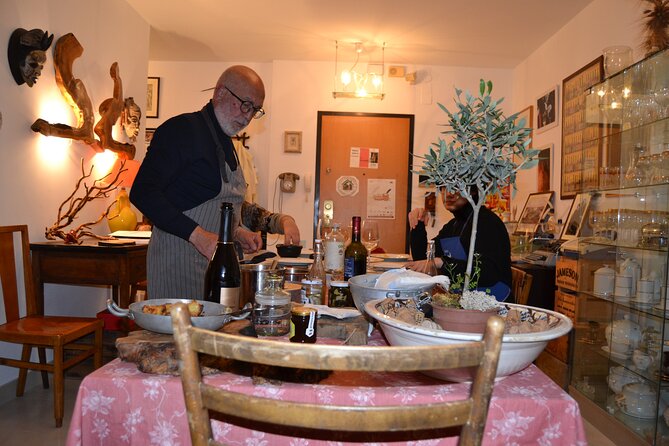
If you want a Slow Food home dinner in Matera—seasonal, tradition-focused, and private—this is a strong choice. The strongest part is the food logic: dishes appear with the calendar, local produce shows up in multiple forms, and the whole meal is built to be eaten together, not rushed.
Just book with the right expectation. This is not guaranteed to be a full hands-on class where you master each dish step-by-step. If you want that, ask questions first. If you’re happy to participate in a casual kitchen rhythm and then enjoy a real multi-dish dinner, you’ll likely have a great night.
FAQ
What time does the Matera home dinner start?
It starts at 6:00 pm and runs for about 4 hours.
Where do we meet?
You meet at Viale Italia, 24, 75100 Matera MT, Italy. The activity ends back at the meeting point.
What dishes might we eat or help prepare?
The menu is described as Matera tradition dishes depending on the period you meet, with examples like Cicirata in hen broth, married soup, carnival calzones with pork ragout, baked cazzomarro, and an Easter cardoncelli flan, plus preparations using local ingredients such as chicory, field chard, and cardoncelli with items like Pezzente salami and podolic caciocavallo.
Is this a group tour or a private experience?
It’s a private tour/activity, so only your group participates.
What’s the ticket method?
You’ll receive a mobile ticket.
What if weather is bad or the minimum number of travelers isn’t met?
The experience requires good weather; if it’s canceled due to poor weather, you’ll be offered another date or a full refund. It also requires a minimum number of travelers; if that isn’t met, you’ll be offered a different date/experience or a full refund.