REVIEW · GENOA
Genova Cooking Class with Tasting
Book on GetYourGuide →Operated by Do Eat Better Experience · Bookable on GetYourGuide
Cooking pesto in Genoa feels personal. In this 3.5-hour small-group class, you’ll tackle classic Ligurian recipes like pesto genovese and canestrelli, guided by local pros such as Veronica, Bernardo, and Marco. I love the hands-on pace, and you’ll like that you get to cook, not just sample.
One thing to consider: this experience isn’t set up for wheelchair users, and you’ll be working on your feet. If you like to travel light, note that luggage or large bags aren’t allowed.
In This Review
- Quick hits: what makes this Genoa class worth your time
- Why Genoa tastes so good in 3.5 hours
- Finding the kitchen: Columbus House on Via di Porta Soprana
- Pesto Genovese basics: the basil sauce born in Genoa
- Focaccia with stracchino: working thin dough, eating it warm
- Canestrelli from Torriglia: handmade biscuits behind the hills
- Small-group cooking with local pros: why the class feels relaxed
- Value: what you get when you cook, not just watch
- Practical tips so you enjoy every minute
- Who should take this class (and who might skip it)
- Should you book this Genoa cooking class with tasting?
- FAQ
- Where is the meeting point for the Genoa cooking class?
- How long is the class and how big is the group?
- What recipes will we prepare and taste?
- What languages are available during the tour?
- What should I bring, and what is not allowed?
- What about food allergies?
- Is it possible to get a refund or pay later?
Quick hits: what makes this Genoa class worth your time
- You cook 4 traditional recipes and taste everything together as part of one relaxed session.
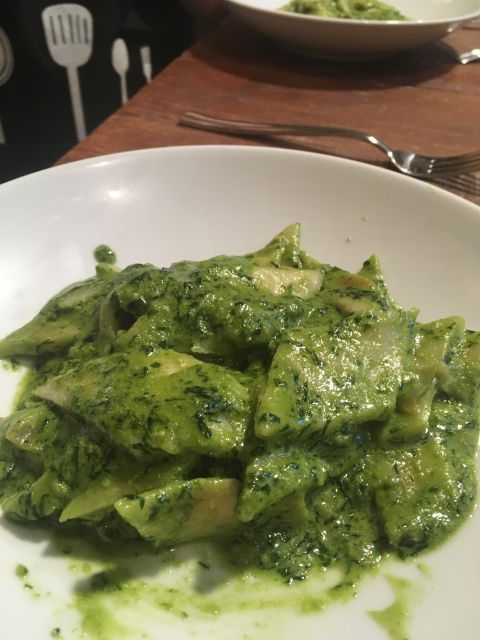
- Pesto genovese is the centerpiece, with guidance on how small choices affect the final sauce.
- Focaccia with stracchino means working with thin dough layers and a very specific local cheese filling.
- Canestrelli come from Torriglia, the hill village behind Genoa, so you get a real regional story on the plate.
- Small groups of up to 10 keep the instruction personal and your questions from getting lost.
- English and Italian support helps you follow every step clearly.
Why Genoa tastes so good in 3.5 hours
Genoa has a special way of treating food like it matters. Not fancy for show. Not fussy for tourists. Just real ingredients, real techniques, and a lot of pride in the details.
This class is built for that mindset. You’ll spend a few hours learning recipes that Ligurians genuinely recognize, including the stuff you’ll see on tables, in shops, and at home. And you’re not just tasting in a passive way. You’re preparing, learning why one choice works better than another, and then eating what you made.
For me, the best part is that the class doesn’t treat pesto like a generic green sauce. It’s taught as a Genoa specialty with an origin story and a method you can feel. That means you’ll leave with more confidence for Italian cooking back home, not just a satisfied belly.
The other smart choice here is the format: a comfortable, relaxing setup with a small group. Cooking classes can sometimes feel rushed or crowded. This one keeps the energy friendly, so you can focus on your hands, your timing, and your questions.
You can also read our reviews of more tours and experiences in Genoa.
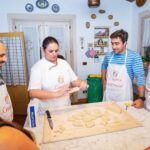
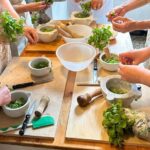
Finding the kitchen: Columbus House on Via di Porta Soprana
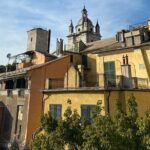
You meet in front of Christopher Columbus’ House on Via di Porta Soprana. That’s a handy landmark if you like navigating with something real and visible, and it puts you right in the historic flow of Genoa.
You’ll want to show up with comfortable shoes, since you’ll be moving around as you settle in. The class also has rules that keep things tidy: no pets and no luggage or large bags. That’s not just a policy for the host. In practice, it helps the space stay easy to move through while you’re prepping dough and ingredients.
Once you’re there, you’ll be guided in a natural rhythm: introduction, a clear explanation of what you’re making, then the hands-on work. Since the group is limited to 10, you shouldn’t feel like a number. You’ll have time to ask what matters to you, whether it’s ingredient choices, texture, or flavor balance.
Pesto Genovese basics: the basil sauce born in Genoa
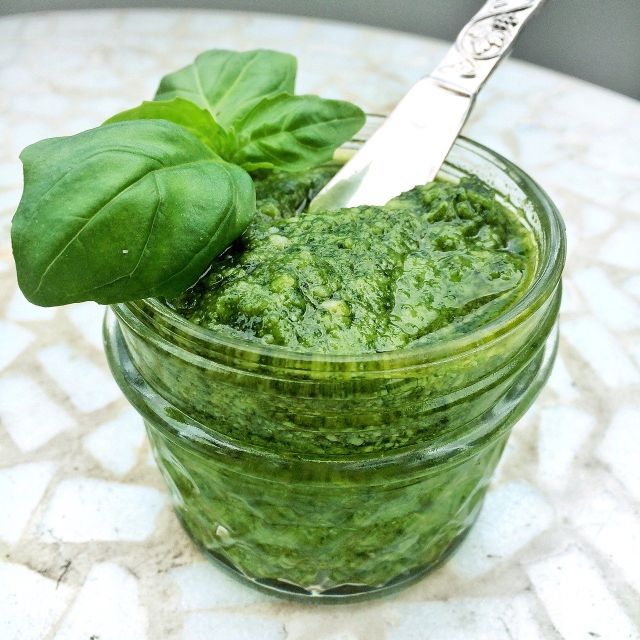
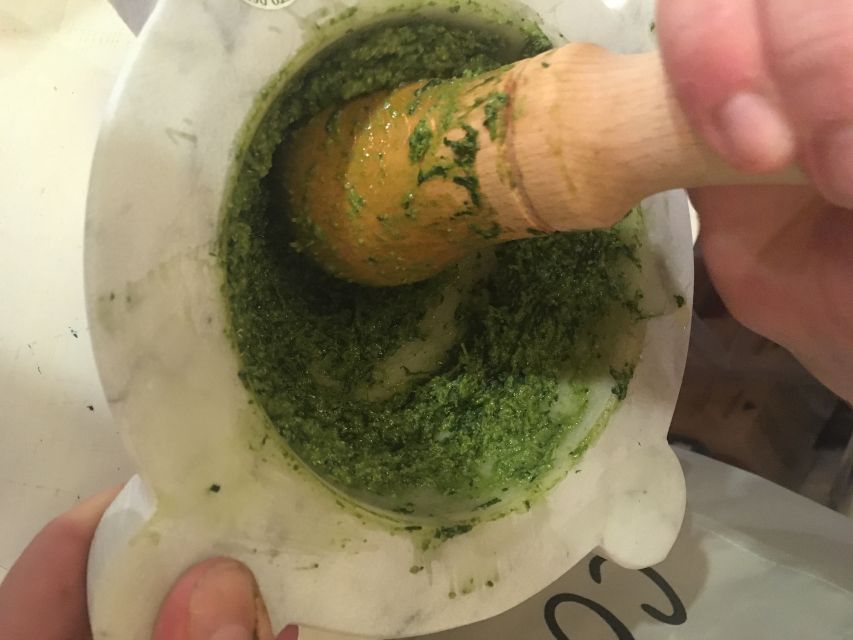
If Genoa has a signature sauce, it’s pesto genovese. This class treats pesto like a craft, not a shortcut. You’ll learn how to make a perfect pesto sauce with a focus on the classic ingredients: fresh basil and pine nuts, plus the other elements that come together to make it taste like it belongs in Liguria.
One reason pesto is so beloved is that it’s sensitive. Too much of the wrong thing and it tastes harsh or flat. Too little and it loses that signature aroma. The class approach is exactly what you want when you’re trying to understand the sauce, because you’re paying attention to the small stuff that changes everything.
You’ll also get the kind of guidance that comes from working locally. In the class, local pros explain the importance of the details. That’s the difference between a decent sauce and the version you’ll want to repeat at home: balance and technique, not just ingredients.
This is also where you’ll likely enjoy the most “aha” moments. When you make pesto yourself, you can taste what you did. You learn what the basil brings when it’s fresh, what pine nuts add beyond creaminess, and how the final sauce should feel when it’s ready to eat.
Focaccia with stracchino: working thin dough, eating it warm
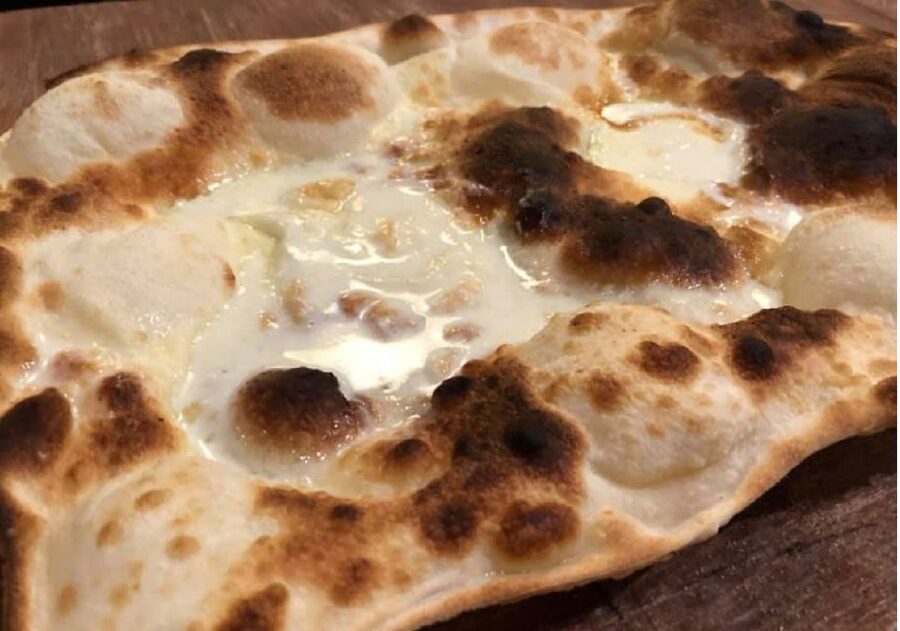
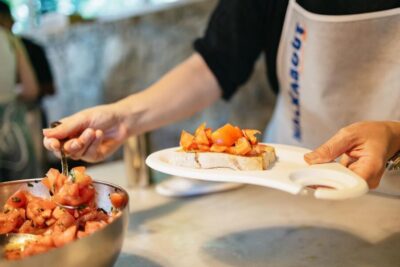
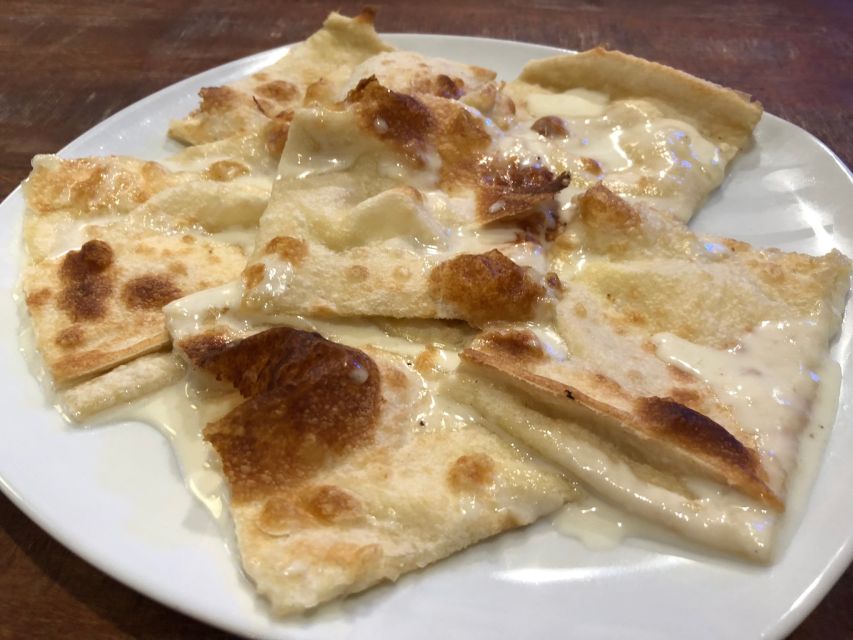
Next up is focaccia with cheese, built the Genoese way: two very thin layers of dough filled with stracchino. That detail matters. This isn’t the thick, bread-puff style of focaccia you might be picturing.
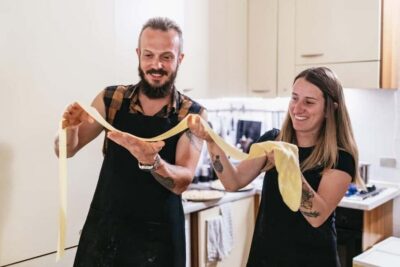
Here’s what makes this section of the class useful: you get to handle the dough yourself. Kneading, stretching, shaping—those actions teach you texture cues you can’t learn from reading a recipe. If you’ve ever made bread and wondered why it came out wrong, this kind of guided hands-on time usually clears up the mystery.
Stracchino is a very specific choice, and it changes the whole experience. It’s creamy and mild, so it plays nicely with the dough. When you assemble the layers and then taste what you made, you’ll understand how the cheese melts into the bread-like texture rather than sitting there like an afterthought.
This is also where a small-group class pays off. If you’re unsure about a technique step, you can ask and get an answer in plain terms. And if you mess up a little (it happens), you’ll still get to taste and learn. Cooking is messy; the goal is progress, not perfection.
Canestrelli from Torriglia: handmade biscuits behind the hills
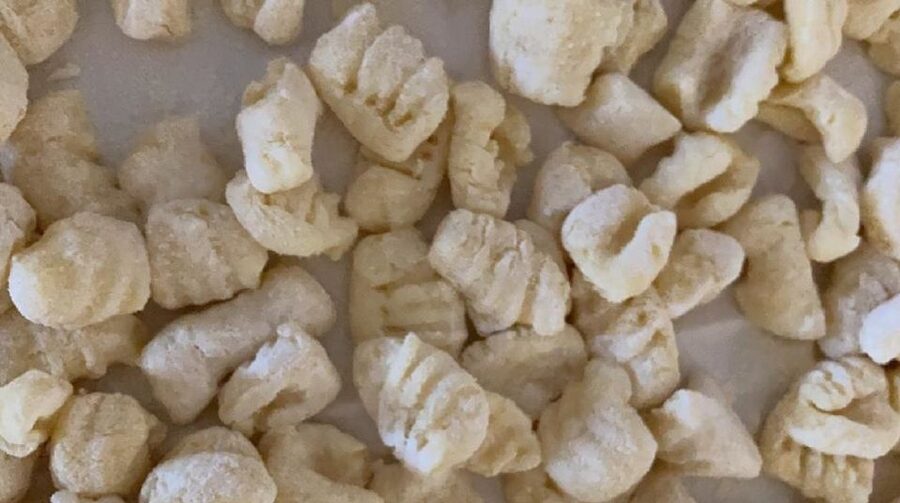
Then you shift to something lighter and more “cookie-like,” but still very Ligurian: canestrelli. These are handmade biscuits from Torriglia, a small village in the hills behind Genoa. That geography matters because it gives context for why certain pastries show up in the region in specific ways.
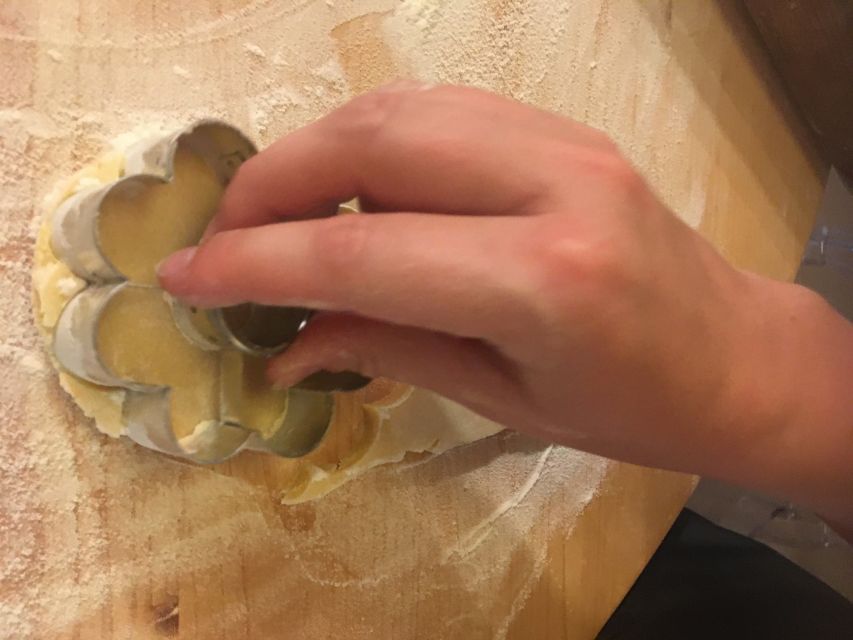
Canestrelli are perfect for a cooking class because they teach a different skill set than savory dough. Instead of focusing on gluten texture and filling, you’re shaping. You’re paying attention to form and handling. It’s also fun in a straightforward way: roll, shape, and create something that looks right because you made it right.
What I like about this part is that it expands your idea of Ligurian food beyond pesto and bread. It reminds you that this region isn’t only about sauces. It’s also sweets and small treats that locals actually bake.
When you taste the canestrelli, you’re tasting a regional specialty with real roots in the hills surrounding Genoa. That makes it easier to remember later, because you’re not just trying to identify ingredients—you’re connecting the flavor to a place.
Small-group cooking with local pros: why the class feels relaxed
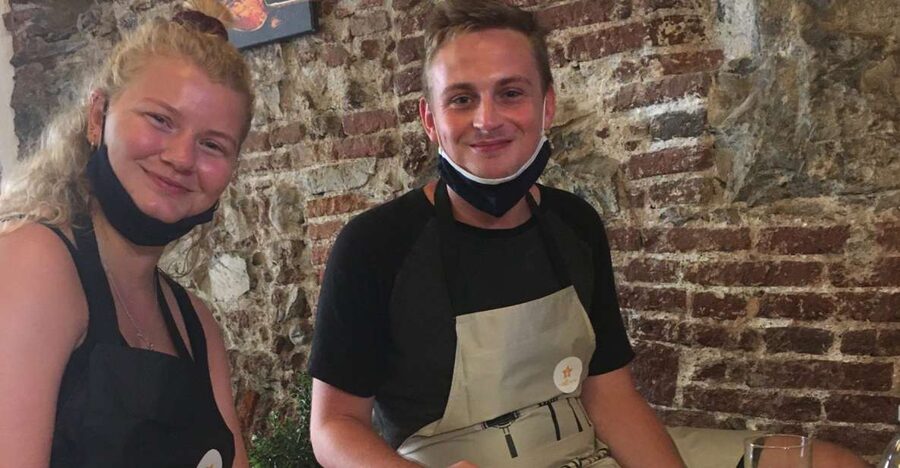
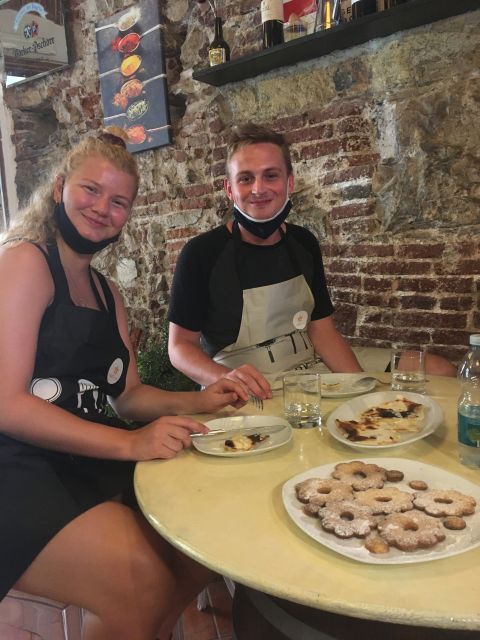
The class is limited to 10 participants, and that shapes the whole vibe. You’re not waiting your turn in a crowded room. You can get guidance when you need it. You can also hear what the chef is explaining without leaning over someone else’s shoulder.
From the way the guides are described in the class experience, names like Veronica, Bernardo, and Marco come up as people who explain the little points that make a big difference—especially around pesto. That’s exactly what you want in a cooking class: not just a demo, but explanation you can use.
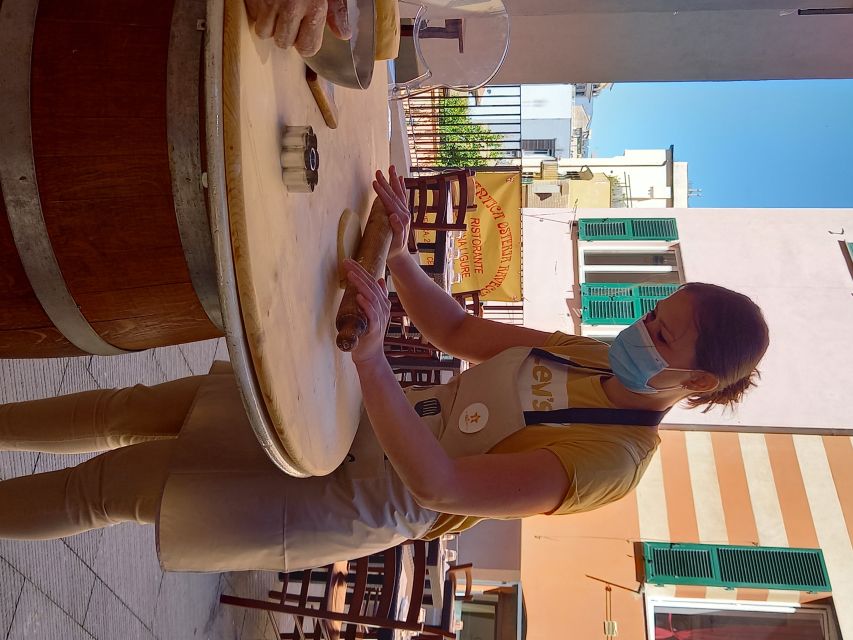
The setting also matters. One of the best parts of cooking classes is feeling like you’re in a real local space rather than a staged tourist kitchen. Here, the class takes place in a small local restaurant environment, which helps everything feel grounded. It’s comfortable, and it keeps the attention on the food.
And because the session is only 3.5 hours, the workload stays manageable. You’ll cook enough to feel accomplished, and you’ll still have time to enjoy the tasting side of things instead of sprinting through steps like a factory.
Value: what you get when you cook, not just watch
You’re not paying for a lecture. You’re paying for time in the kitchen with ingredients and instruction, then tasting what you make.
Here’s why that’s good value in plain terms:
- 4 recipes in one session means your money isn’t tied to one dish. You leave with multiple skills and multiple flavors.
- Tasting is built in. You’ll eat the results right away, which helps you learn what success tastes like.
- Small group size reduces wasted time. You can actually get answers, which is where a lot of cooking classes fall short.
- Local authenticity matters for pesto, stracchino-based focaccia, and Torriglia canestrelli. Those aren’t generic “Italian-style” dishes you’d see anywhere.
The class also fits well if you’re the type who wants to understand food as a system: how ingredients and technique connect. If you’re just seeking a quick snack, it could feel like too much cooking. But if you want a hands-on experience that teaches you something you can reuse, it’s a strong deal.
Practical tips so you enjoy every minute
- Wear comfortable shoes. You’ll be working and moving around.
- Travel without large bags or luggage. The class space is likely tight for a reason.
- If you have food allergies, tell the local partner ahead of time. The class asks you to inform them of allergies of any kind.
- Plan to show up on time for the meeting point at Via di Porta Soprana, in front of Christopher Columbus’ House.
If you’re nervous about cooking, don’t be. The class is designed for regular people, not professional cooks. The structure focuses on guiding you through each recipe with local knowledge, which makes it easier to follow along even if you’ve never shaped dough before.
Who should take this class (and who might skip it)
This is a great fit if you want:
- a Genoa-focused food experience (not a generic “Italian cooking” thing)
- hands-on learning around pesto genovese, savory focaccia with stracchino, and sweet canestrelli
- a small group with enough attention for questions
You might consider skipping if:
- you need wheelchair accessibility (the class is not suitable for wheelchair users)
- you’re traveling with pets or large luggage (those aren’t allowed)
It’s also a nice option if you’re already exploring Genoa and want a structured way to understand what you’re seeing in markets and on restaurant menus. After cooking, you’ll notice flavors and textures more clearly when you go back out to eat.
Should you book this Genoa cooking class with tasting?
Book it if you want a practical, hands-on taste of Ligurian cooking in a small group. The combination of pesto genovese, focaccia with stracchino, and Torriglia canestrelli gives you real variety, and the guided instruction from local pros like Veronica, Bernardo, and Marco helps you learn the parts that actually matter.
Skip it if you’re looking for a fully seated food tour with no dough work, or if accessibility needs make a non-wheelchair-friendly setup a problem. Otherwise, this is the kind of experience that turns Genoa from a place you visited into a place you can actually recreate on your own plate.
FAQ
Where is the meeting point for the Genoa cooking class?
You meet in front of Christopher Columbus’ House on Via di Porta Soprana (Via di Porta Soprana, Genoa). The coordinates are 44.40557861328125, 8.935159683227539.
How long is the class and how big is the group?
The duration is 3.5 hours, and the group is limited to 10 participants.
What recipes will we prepare and taste?
You learn 4 traditional recipes to be tasted together. The class details include pesto sauce (pesto genovese), focaccia with cheese filled with stracchino (two very thin layers of dough), and canestrelli, handmade biscuits from Torriglia.
What languages are available during the tour?
The live guide provides English and Italian.
What should I bring, and what is not allowed?
Bring comfortable shoes. Pets are not allowed, and luggage or large bags are not allowed.
What about food allergies?
You should inform the local partner of food allergies of any kind.
Is it possible to get a refund or pay later?
Yes. There is free cancellation up to 24 hours in advance for a full refund, and you can reserve now and pay later.