REVIEW · SICILY
Cooking Class in the evocative setting of Etna
Book on Viator →Operated by Favazza Etna Winery · Bookable on Viator
Volcano air makes food taste better. This hands-on cooking class at Favazza Etna Winery pairs Sicilian recipes with the drama of Mount Etna, and I really liked the way the experience mixes chef-led technique with a relaxed, fun pace. I also enjoyed the focus on making something tangible—one review highlights homemade fresh pasta made directly with the chefs. One thing to weigh: the activity needs good weather, so plan for a possible date change if conditions aren’t right.
I like how the setting does double duty. You’re cooking with a backdrop of vineyards, lava-earth scents, and even sea views, and then you sit down to share the meal you made with a glass of Favazza wine.
The class also has a practical structure built in. You’ll use provided tools and get printed materials, then you’ll finish with a shared tasting of what you created—exactly the kind of experience that feels equal parts food class and local hangout.
In This Review
- Key things to know before you go
- Cooking on Etna: why this place feels different
- Your hands-on lesson: what you’ll actually do
- Start with technique, not theory
- Learn via the local ingredient approach
- Make it real at the table
- The Etna garden moment: why it’s worth showing up
- Wine with lunch: how the tasting fits the lesson
- What’s included (and why it helps your day go smoothly)
- Meeting point and timing: where to start on Etna
- Price and value: is $96.40 worth it?
- Who this is best for
- Should you book this Etna cooking class?
- FAQ
- Where does the cooking class take place?
- How long is the experience?
- How much does it cost?
- What’s the group size limit?
- Do I get any materials to use during the class?
- What do I eat and drink?
- Is private transportation included?
- What if the weather is bad?
- Is there confirmation after booking?
- Are service animals allowed?
Key things to know before you go
- Mount Etna meets Sicilian table: You cook in a winery setting shaped by the volcano and the vineyards.
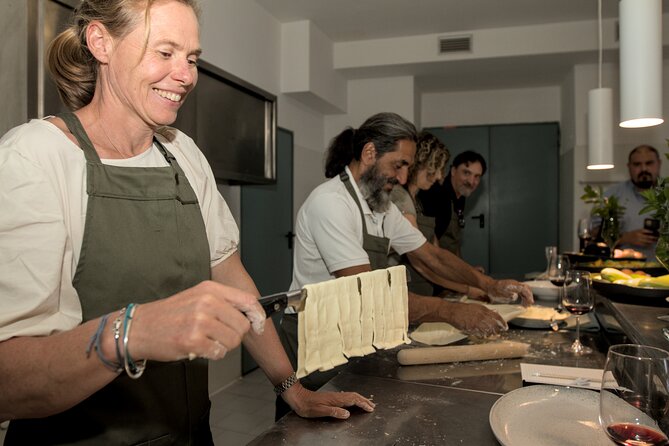
- Chef-led, hands-on cooking: You’re not just watching; you’ll get your hands working on the recipe.
- Garden-to-plate rhythm: There’s an on-site garden concept, and you collect seasonal ingredients when available.
- Meal plus Favazza wine: Your work ends with a shared tasting and an included glass of wine.
- Small group size (up to 8): Less crowd noise, more attention from the team.
Cooking on Etna: why this place feels different
There’s cooking, and then there’s cooking in a place that has a story attached to every ingredient. At Favazza Etna Winery, that story is literally the mountain. The experience is built around Mount Etna’s influence on the land and on local food culture—lava earth, vineyards, and the calm that comes with being on the slopes.
What makes it appealing is the balance. You’ll learn a local recipe with real technique, but the tone stays warm and approachable. Even if you’re not a kitchen regular, the class is designed for you to participate, not to feel like you’re behind.
And yes, the setting adds to it. One review specifically called out sea views along with the Etna setting. You don’t just eat while looking at scenery—you cook while surrounded by the same sensory cues locals talk about: vineyard quiet, plant scents, and that distinct Etna-earth feel.
You can also read our reviews of more tours and experiences in Sicily.
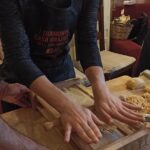
Your hands-on lesson: what you’ll actually do
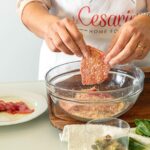
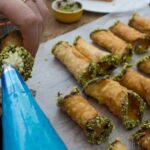
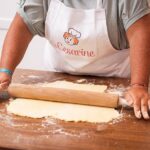
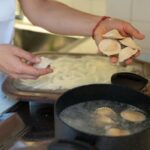
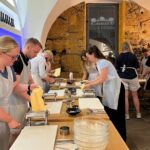
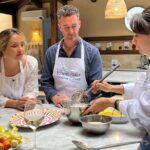
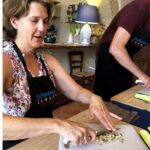
The core of the experience is a chef-led cooking class focused on a local Sicilian dish. The tone is very much about hands-on learning—kneading, preparing, and putting simple ingredients together with care. The lesson frames food as a connection between people and the volcano, which sounds poetic, and still manages to be practical once you’re standing there doing the work.
Here’s what you can expect in a typical flow:
Start with technique, not theory
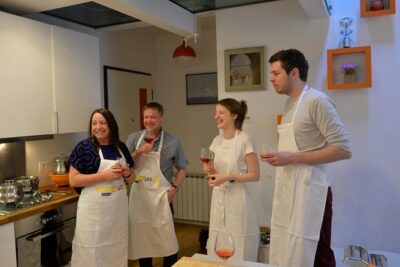
You’ll be guided by experienced chefs, and you’ll get a clear plan for what you’re making. The class provides materials, including handouts and a dedicated set of tools like an apron and a tea towel. That matters more than it sounds. When everything you need is already there, you don’t lose time fiddling for basics—you focus on the steps.
Learn via the local ingredient approach
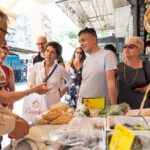
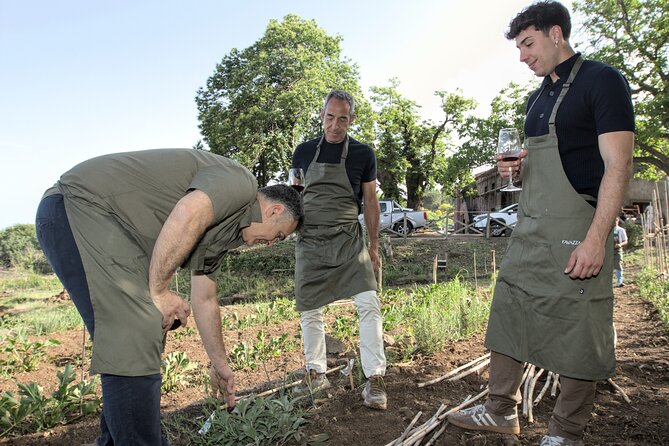
A highlight is the garden element. The winery has an on-site garden where aromatic plants and vegetables grow, and depending on the season, you may collect produce to help form the final dish. That creates a neat link between the recipe and where it comes from. It’s not a gimmick; it helps you pay attention to ingredients and flavor, because you helped bring them into the process.
Make it real at the table
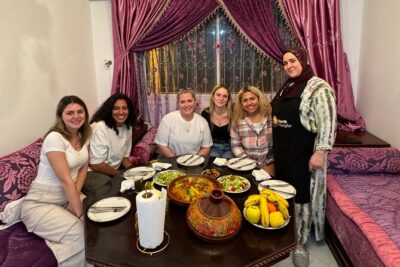
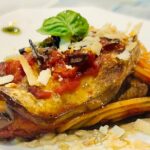
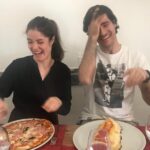
The class ends with eating what you made together. You’re not expected to take your food and go; it’s meant to be shared. You’ll also have a glass of Favazza wine with the tasting, which ties the whole experience to the local wine culture.
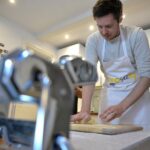
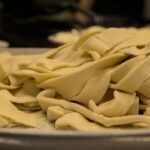
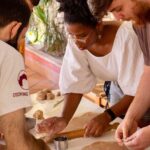
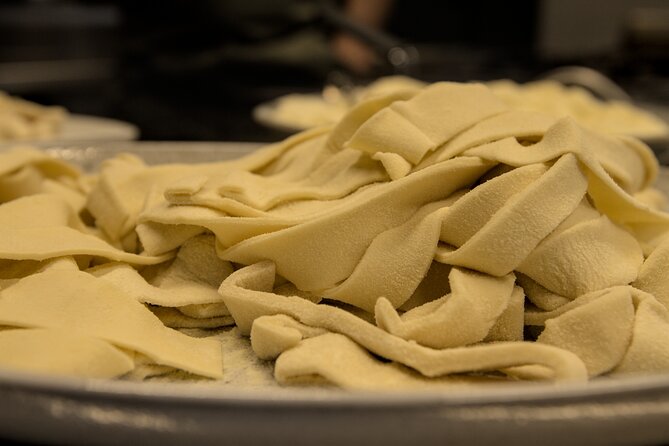
One review described the class as including making homemade pasta directly with the chefs. Another called it fantastic cooking plus wine tasting with excellent wines. So while the exact recipe can vary with what the winery is teaching, the feel is consistent: a hands-on Sicilian session that ends with a sit-down meal and wine pairing.
The Etna garden moment: why it’s worth showing up
The garden part is one of the quiet strengths here, because it changes how you see the meal. Instead of thinking about food as a list of ingredients, you start thinking about it as a season and a place.
If you’re someone who likes learning why a dish tastes the way it does, this element helps. You might taste something later and remember what you grabbed from the garden—how it smelled, how it looked, and what it contributed to the final cooking.
Even if the season you visit doesn’t allow a full harvest moment, the garden concept still shapes the lesson. The class is built around the idea of using what’s available and treating raw materials carefully. That mindset often leads to better cooking at home, even when you’re using totally different local produce.
Wine with lunch: how the tasting fits the lesson
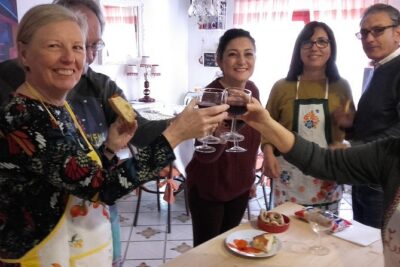
Food classes can end up feeling a little separate from wine. Here, the pairing feels integrated. At the end of the lesson, you’ll enjoy the cooked dish together, and the taste is emphasized with a glass of Favazza wine.
I like that the wine isn’t just an add-on. It supports the overall goal of the experience: a sensory, place-based meal where the cooking and the wine both tell the Etna story. One review specifically praised the choice of local wines and even mentioned small local companies with attention to product quality. That lines up with what you want from Etna wine country: not mass-market scale, but focused farming and character.
Practical note: the class includes alcoholic beverages, so if you’re planning to drive afterward, make other arrangements. The experience does not include private transportation.
What’s included (and why it helps your day go smoothly)
This is one of those experiences where the included items reduce friction. You get:
- handouts
- apron and tea towel
- pencil and notebook
- the meal you make
- alcoholic beverages (including wine)
Those paper-and-tool details are more useful than they look. During a cooking class, it’s easy to forget the order of steps or details like texture targets. A notebook and pencil mean you can capture what the chefs say and turn it into something you can replicate later.
Also, the class runs about two hours. That’s a sweet spot: long enough to actually learn and cook, short enough that you can fit it into a day of Etna stops without burning half of your vacation.
Meeting point and timing: where to start on Etna
You’ll meet at Favazza Etna Winery on Via Fossapoliti Formazzo, 46, 95010 Sant’Alfio CT, Italy. The experience ends back at the meeting point.
You’ll receive confirmation at booking time, and the ticket is mobile. That’s handy if you like to travel light and keep things simple on your phone.
One more detail that matters: the tour has a maximum of 8 travelers. For a cooking class, that size is a real advantage. It usually means more direct attention, fewer bottlenecks at the counter, and a more comfortable group dynamic.
Price and value: is $96.40 worth it?
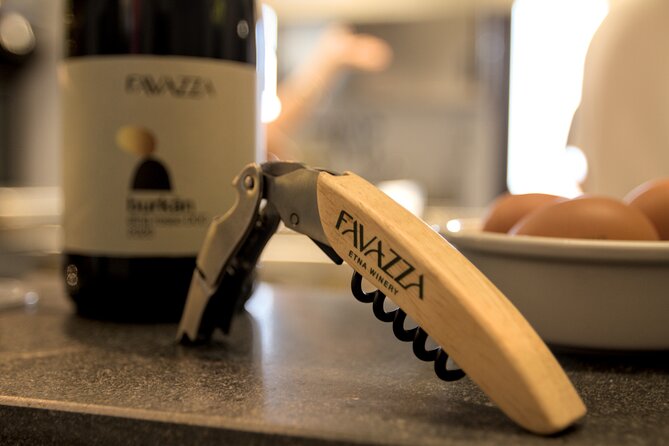
At $96.40 per person for about two hours, the cost sits in the range where you should ask what makes it “worth it.” Here’s the honest equation:
- You’re getting real instruction from experienced chefs (not a demo).
- The meal is included, and you also get wine.
- You’re provided with materials like an apron and tea towel, plus written handouts and a notebook setup.
- The setting is purpose-built: winery + Etna atmosphere + a garden-to-plate component.
If you’ve ever paid for an “eat at the end” experience that turns out to be mostly sitting, this class is different. The hands-on nature is the value driver. You’re paying for participation and a full end-to-end food experience.
You’re also paying for a specific location on Etna slopes. If your alternative is driving yourself to a restaurant and ordering à la carte, you’re not buying the same thing. You’re buying a guided, structured, shared culinary moment with wine.
Who this is best for
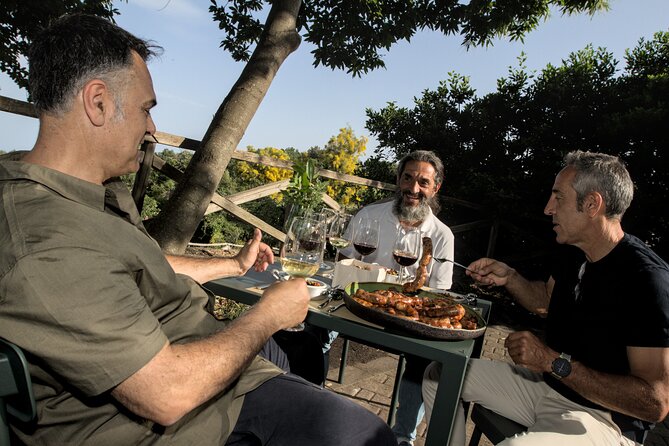
This class works especially well if you want:
- A cooking activity that doesn’t require advanced skills
- A local-food experience tied to Etna wine country
- A small-group setting with more staff attention
- A fun way to learn Sicilian cooking through real prep steps (with notes you can take home)
It may be less ideal if you prefer purely sightseeing, because you’ll be actively cooking for much of the time. Also, since the experience depends on good weather, flexible plans make your life easier.
Should you book this Etna cooking class?
I think it’s a solid pick if you want an authentic Sicilian food day that feels connected to the land. The strongest reasons to book are the hands-on cooking with chef guidance, the end-of-class meal you share, and the included Favazza wine in a setting that has both Etna and sea views in the mix.
If you’re going to Etna anyway, this gives you more than a photo stop. You get to bring the volcano story to your plate—literally, with ingredients handled, cooked, and tasted in one tight, two-hour session.
Book it if you like interactive food experiences, small groups, and learning recipes you can explain later at home. Skip it only if you’d rather pass on cooking and focus entirely on tasting other places instead.
FAQ
Where does the cooking class take place?
The meeting point is Favazza Etna Winery, Via Fossapoliti Formazzo, 46, 95010 Sant’Alfio CT, Italy.
How long is the experience?
It lasts about 2 hours.
How much does it cost?
The price is $96.40 per person.
What’s the group size limit?
The experience has a maximum of 8 travelers.
Do I get any materials to use during the class?
Yes. You’ll be provided with handouts, an apron, a tea towel, a pencil, and a notebook.
What do I eat and drink?
You’ll have meals included, plus alcoholic beverages. The tasting includes a glass of Favazza wine.
Is private transportation included?
No. Private transportation is not included.
What if the weather is bad?
The experience requires good weather. If it’s canceled due to poor weather, you’ll be offered a different date or a full refund.
Is there confirmation after booking?
Yes. Confirmation is received at the time of booking.
Are service animals allowed?
Yes, service animals are allowed.
If you want, tell me what month you’re visiting and whether you prefer cooking pasta or more veg-and-herb focused dishes—I can suggest the best way to plan the rest of your Etna day around this class.