REVIEW · BERGAMO
Bergamo: Cooking Class at a Local’s Home
Book on GetYourGuide →Operated by Cesarine · Bookable on GetYourGuide
In This Review
- A Home Kitchen Taught Like Family
- Key Things That Make This Cooking Class Special
- Why a Bergamo Home-Cooking Class Feels More Like Italy Than a Classroom
- The 3-Hour Flow: Starter, Pasta, Dessert, Then Wine and Coffee
- What You Actually Learn: Northern Italian Technique You Can Recreate
- The Meal Part: Wine, Conversation, and Eating at Host-Speed
- Price and Value: Is $146 Per Person Reasonable?
- Meeting at the Host’s Home: What to Expect in Real Life
- Who This Cooking Class Fits Best (And Who Might Want Something Else)
- Practical Tips So You Get the Most Out of Your 3 Hours
- Should You Book This Bergamo Cooking Class?
- FAQ
- How long is the Bergamo cooking class?
- Is it lunch or an evening dinner?
- What dishes do you make?
- What language is the instructor?
- Is this a private group?
- What’s included to eat and drink?
- Where do you meet your host?
A Home Kitchen Taught Like Family
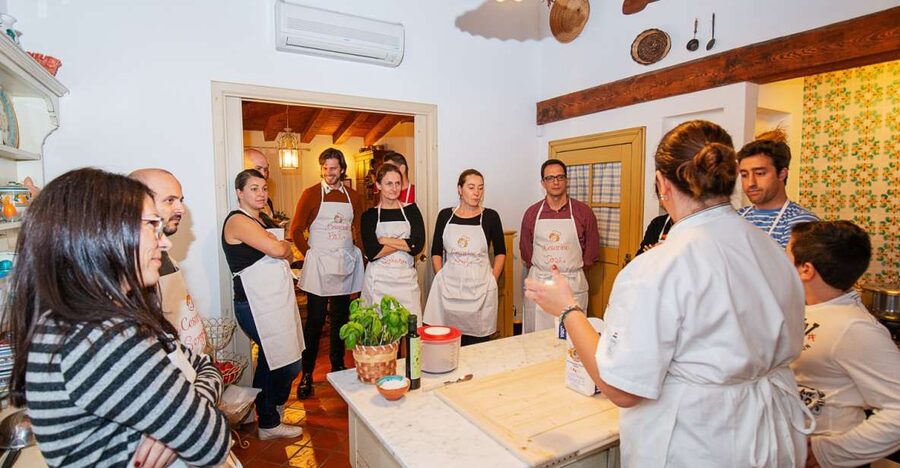
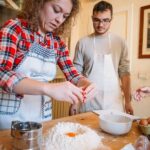
Cooking dinner in a real Bergamo home changes everything fast. You’ll make a starter, pasta dish, and dessert using traditional northern Italian techniques, then sit down with your hosts to eat what you cooked, with local wine on the table. I like that it’s not a demo followed by a passive tasting; you actually work your way through the meal and can ask questions as you go.
One thing to consider is the meeting setup: the class starts at the exact address of your host’s home, and that info is sent after booking, so you’ll want to plan for getting there on time.
Key Things That Make This Cooking Class Special
- Hands-on 3-course cooking instead of watching from the sidelines
- Eat immediately with your hosts, while the food is at its best
- Northern Italian focus with chances to ask technique questions
- Private group setting, so the pace and conversation feel personal
- Real food + real drinks, including local wine, coffee, and water
You can also read our reviews of more tours and experiences in Bergamo.


Why a Bergamo Home-Cooking Class Feels More Like Italy Than a Classroom
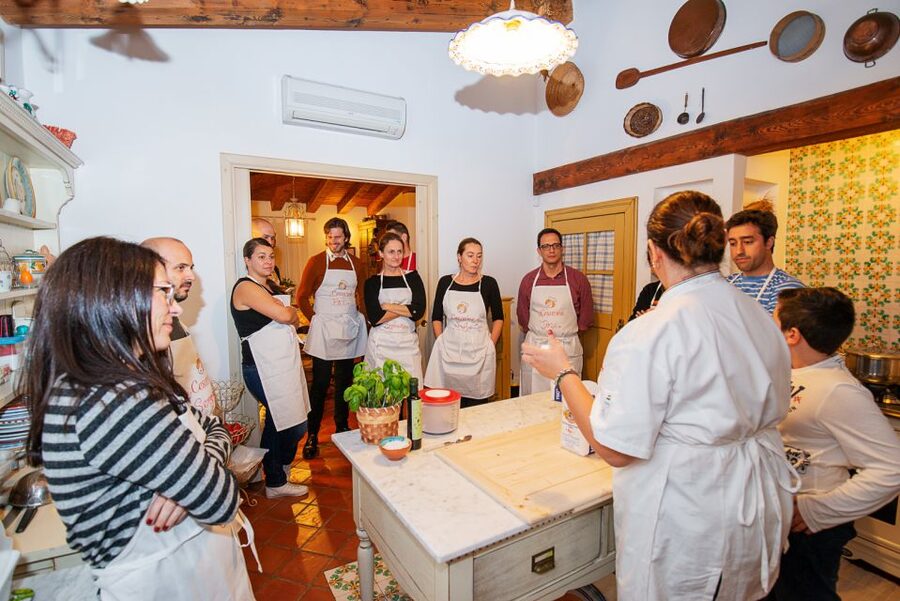
This kind of experience works because it’s practical. You’re in a kitchen where food is made for real life, not for a show. In Bergamo and across Lombardy, cooking is often about method and timing, and you get both when you’re standing at the counter with a local instructor.
I also love the personal tone. The best moments tend to be the side conversations that happen while you’re waiting for dough to rest or checking the texture of a sauce. In one account, the host was Alessandro, described as hospitable and very competent, and the whole thing sounded like a relaxed family lunch where people genuinely enjoy teaching.
The class is run through Cesarine, and you feel that intention: you’re learning how Italians actually eat and cook, not just collecting “tips” to memorize. If you want a taste of everyday culture you can bring home with you, a home meal is one of the most direct ways to do it.
The 3-Hour Flow: Starter, Pasta, Dessert, Then Wine and Coffee
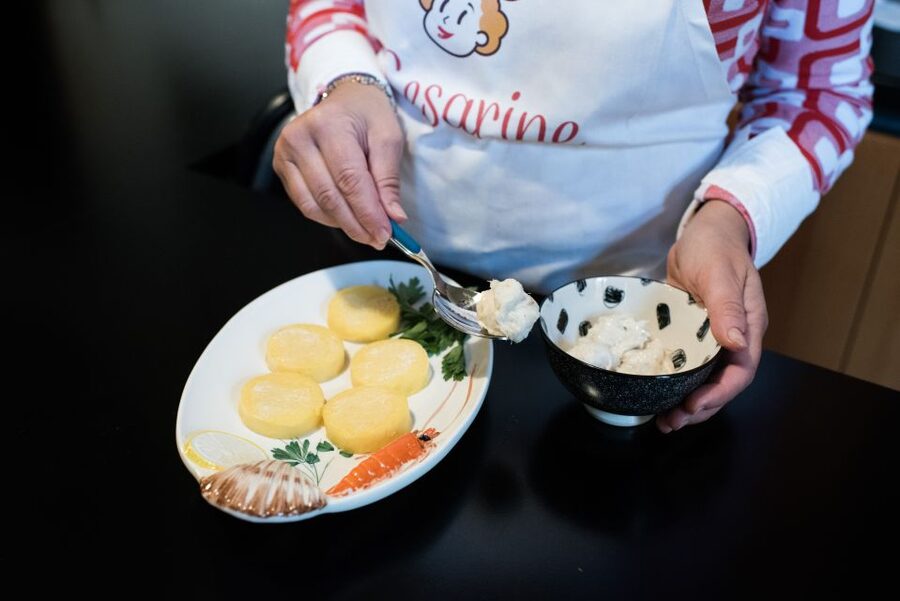
Plan on about 3 hours total. You’ll choose between a lunch or an evening dinner class depending on what fits your schedule, and the session runs from the host’s home back to the same meeting point. Since the course is private group, the timing can feel less rushed than larger classes.
Here’s the rhythm you should expect:
First comes the starter. You’ll follow your host’s guidance and make a traditional Italian starter, then taste it as part of the overall meal. I like starters in classes because they teach fundamentals: flavor building, seasoning habits, and how to get the “right” balance without overthinking it.
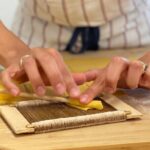
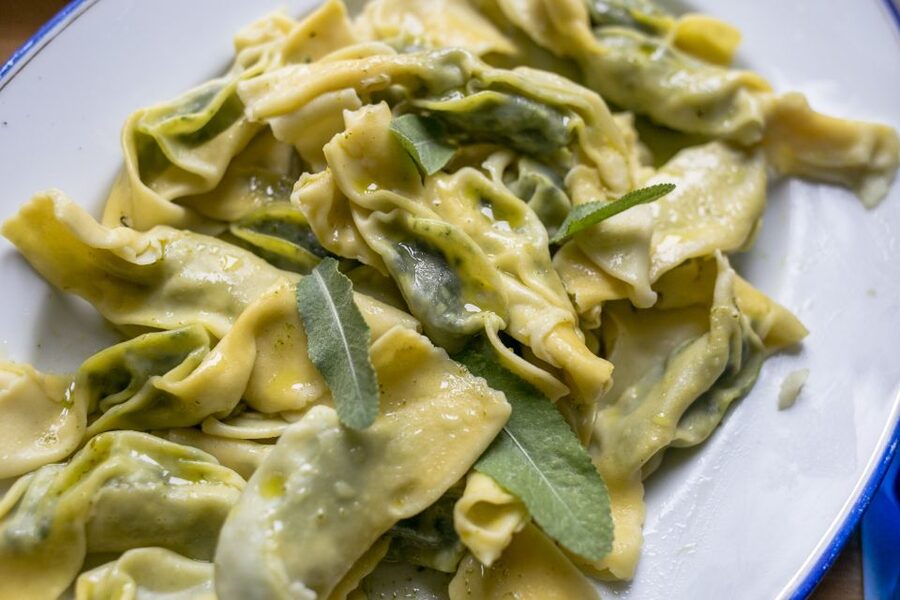
Then you move to the pasta course. Pasta is where technique matters. Even without seeing the exact recipe ahead of time, you can count on learning how to handle the pasta process properly—things like how to manage texture, timing, and how the sauce and pasta should work together. This is the point where questions become really useful, because the host can help you understand what to look for, not just what to do.
Finally, dessert. This last step is where you get a complete arc to the meal. You’re not just tasting sweets; you’re learning how Italian dessert fits into the full dining rhythm, and you’ll end up serving and enjoying it with your hosts afterward.
When the cooking is done, the meal becomes a sit-down together moment. You’ll tuck into everything you prepared—starter, pasta, and dessert—plus beverages along the way. The experience finishes the Italian way with coffee of your choice, so you get a clear end point rather than a quick drop-off and goodbye.
What You Actually Learn: Northern Italian Technique You Can Recreate
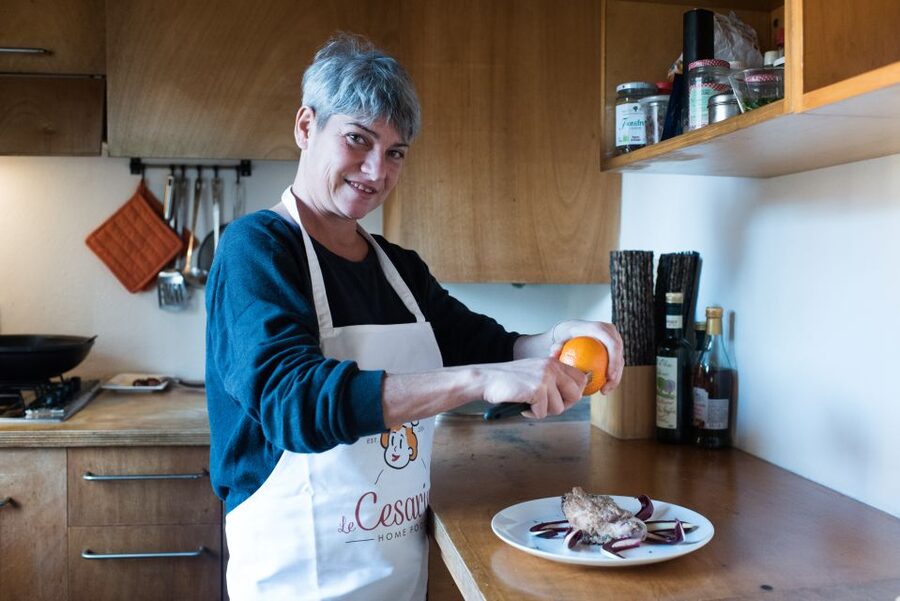
The class isn’t only about recipes. What makes it worth it is the chance to understand method. You’ll learn “tricks of the trade” when it comes to traditional northern Italian recipes, and that matters because northern cooking often relies on technique and restraint: correct textures, balanced flavors, and knowing when something is ready by how it looks and feels.
Since the instructor speaks Italian and English, you can follow along without guessing. That language setup is a big deal. In a cooking class, the difference between understanding and not understanding is usually whether you can ask questions when something isn’t behaving the way you expected.
One practical advantage: the class includes all the ingredients and utensils. That means you’re not stuck trying to find obscure items on the fly. More importantly, you can focus on learning how the host’s setup works—because when you try the dish later, you’ll know the logic behind the steps, not just the end result.
If you’re the type who wants to cook again at home, this kind of lesson is more likely to “stick.” Once you’ve made a starter and pasta yourself and watched how your host corrects small issues, you’re no longer intimidated by the process.
The Meal Part: Wine, Conversation, and Eating at Host-Speed
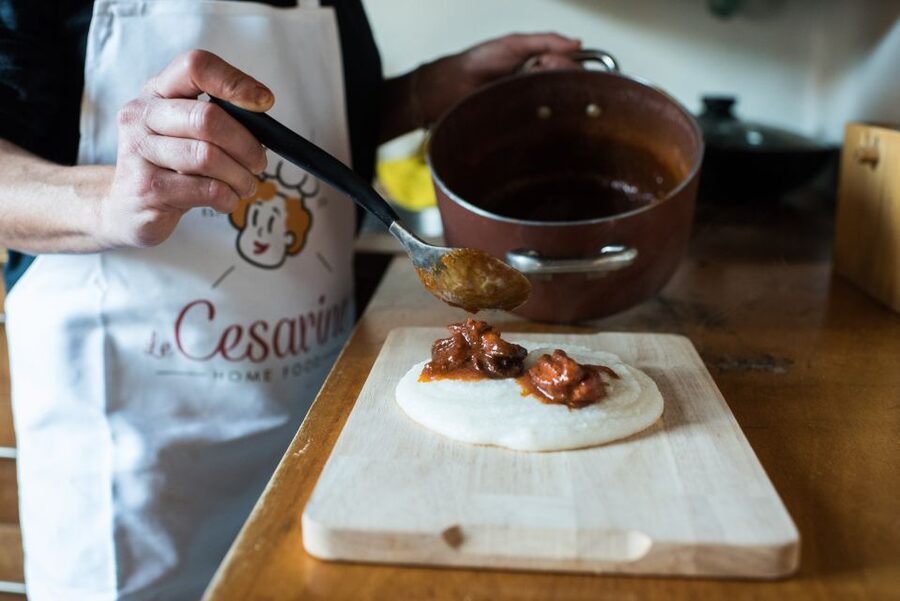
Most cooking classes end with food. This one turns into food with context. You’ll serve up your dishes and then eat them sit-down style with your hosts, not in a rushed standing tasting line.
Beverages are part of the deal: water, local wines, and coffee. The local wine aspect is more than a perk. It gives your meal a sense of place. You’re eating northern Italian food while sipping wine from the same region of Italy, which helps your palate connect the dots between flavors, tradition, and how people enjoy meals.
One reviewer experience included a strong emphasis on conversation. They highlighted not just the cooking but the chance to hear about life in Italy. That matters more than it sounds. A good host can turn cooking lessons into cultural lessons without turning it into a lecture.
Also, the private group format changes the vibe. In a smaller setting, it’s easier to ask follow-up questions and to get personal guidance if something is going wrong. You don’t have to wait your turn in a crowd; you can fix things as they happen.

Price and Value: Is $146 Per Person Reasonable?
At $146.14 per person for about 3 hours, the price can feel steep at first glance—until you break down what’s included.
You’re not paying only for “a class.” You’re paying for:
- A guided cooking lesson in a local home
- Tasting three dishes you make yourself (starter, pasta, dessert)
- Beverages: water, wines, and coffee
- All ingredients and utensils needed during the session
When a class includes the full meal and drinks, it’s closer to paying for a hosted dinner plus instruction. If you were to eat that kind of meal out in Bergamo and then add a cooking workshop on top, the economics often shift quickly.
There’s also the value of the setting. Home-based instruction is more limited than a commercial kitchen, and you usually get fewer people and more attention. Even if you only care about learning to cook one dish well, you’re still getting a full sequence and a meal at the end.
If you’re deciding between “pay for a meal” and “pay for a meal plus skills,” this experience leans strongly toward the second.
Meeting at the Host’s Home: What to Expect in Real Life
You’ll start and end back at the meeting point: your host’s home. The exact address and a mobile number are shared after booking, so keep an eye on your email.
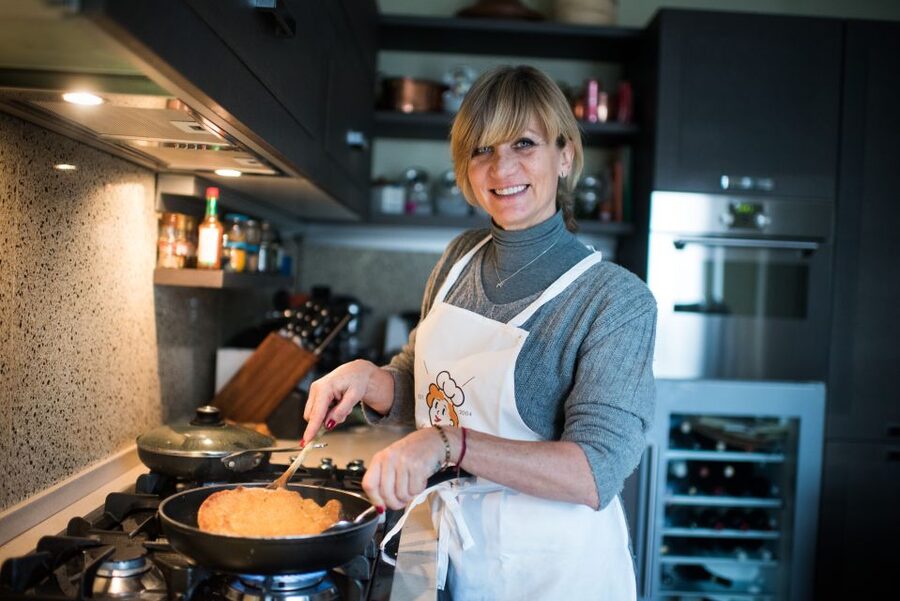
That home setting is not just a detail—it shapes the lesson. You’ll likely feel comfortable faster, because the experience is meant to feel like being welcomed into a family routine. In one description, participants said they were put at ease immediately and it felt like a nice family lunch. That’s the kind of atmosphere you should look for if you want warmth, not formality.
Because it’s a private group, you’re also less likely to feel like a number. If you enjoy cooking but also enjoy people, this format fits well.
One practical consideration: because the meeting point is an actual residence, it helps to arrive calmly, be respectful with timing, and be ready to start at the scheduled moment. This isn’t a “meet at a big landmark and wander over” situation.
Who This Cooking Class Fits Best (And Who Might Want Something Else)
This is a great match if you want:
- A real meal experience in Bergamo that goes beyond sightseeing photos
- A hands-on cooking session with a traditional northern Italian focus
- A way to talk with Italians in a natural setting while learning how they cook
- A memorable gift idea, too. One reviewer shared that they bought the class for their mother and both loved the welcome and competence of the host.
It’s also a strong option if you’re coming as a couple or a small group and you prefer personal pacing. With a private group, you won’t be stuck following an assembly-line rhythm.
You might skip this if your goal is strictly “watch and eat” with zero cooking involvement. The point here is that you’ll make three dishes—starter, pasta, and dessert—so you should be ready to get your hands busy.
Practical Tips So You Get the Most Out of Your 3 Hours
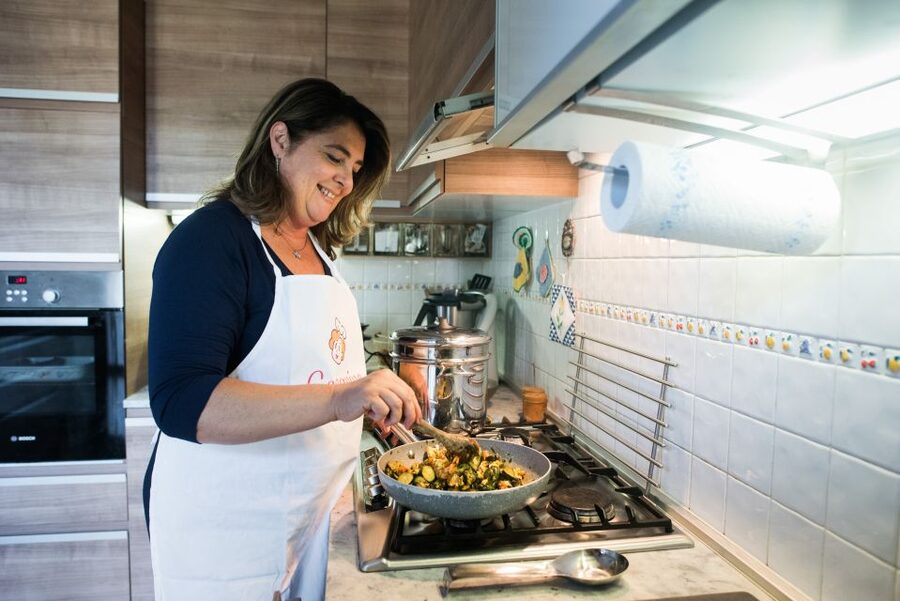
A home kitchen class rewards the simple things.
First, come with curiosity. If you’re unsure about what to ask, think about technique: how to judge doneness, how to adjust seasoning, or what to do if the texture isn’t right. You’ll have a chance to ask questions as you cook, and that’s where the skills transfer best.
Second, wear comfortable clothes. Cooking in someone’s kitchen means you may stand for stretches and you’ll likely be mixing, stirring, and tasting.
Third, treat the meal like part of the class, not an afterthought. The sit-down tasting is where you connect what you made to what it should taste like. Slow down and pay attention to how the starter leads into pasta and how dessert finishes the rhythm.
Finally, if you’re choosing between lunch and dinner, pick the time that best matches your energy. The class is three hours, and you’ll end with wine and coffee, so decide based on your evening plans.
Should You Book This Bergamo Cooking Class?
If you want an experience that mixes food, conversation, and real skills, I’d book it. The standout value is that you cook three courses and then eat them with your hosts, with local wine and coffee included. It’s not just entertainment; it’s instruction you can repeat.
Book it especially if you:
- Love northern Italian food and want to understand how it’s made, not only what it tastes like
- Prefer small, personal experiences over big groups
- Want a memorable gift that feels warm and authentic
Skip it if you’re looking for a sightseeing-heavy half day or if you only want a quick snack and a photo. This is a meal you make and share, and that’s the point.
If that sounds like your kind of day, this Bergamo home-cooking class is a very practical way to leave Italy with something you can still do back home.
FAQ
How long is the Bergamo cooking class?
The class lasts about 3 hours, with morning and afternoon options depending on availability.
Is it lunch or an evening dinner?
You can choose between a lunch class or an evening dinner class.
What dishes do you make?
You’ll make three dishes: a starter, a pasta dish, and a dessert.
What language is the instructor?
The instructor speaks Italian and English.
Is this a private group?
Yes, it’s a private group experience.
What’s included to eat and drink?
You’ll taste the three dishes you prepare, along with beverages including water, wines, and coffee.
Where do you meet your host?
You meet at your host’s home. The exact address and mobile number are provided by email after booking.