REVIEW · DUBROVNIK
Authentic Garden to Table Cooking Class in Dubrovnik Countryside
Book on Viator →Operated by Kameni Dvori - Holiday Village Konavle · Bookable on Viator
Bread, gardens, and family stories in Konavle. I love how hands-on this Dubrovnik countryside cooking class is—you knead your own bread and help gather what ends up on the table. I also like the small-group feel (max 8), plus the way hosts like Ivo and Katarina mix real food with family history while everything cooks. A possible drawback: it’s a farm day, so you’ll be outdoors and involved in activities like goat milking if the menu includes it.
You’ll spend about 5 hours on the Kameni Dvori – Holiday Village Konavle homestead area, usually with pickup offered, and the meal includes homemade wine. The menu shifts by season and what’s ready in the garden, but you can expect classics built around local ingredients—bread, pasta, meat or chicken dishes, and a dessert like Grandma’s cake. At $208 per person, it’s not the cheapest way to eat in Dubrovnik, but you’re paying for the full farm experience, not just a cooking show.
In This Review
- Key Things I’d Want You To Notice
- Konavle’s Garden-to-Table Cooking Class Feels Real, Not Performed
- Getting There: Pickup, a Sign on the Vehicle, and a Max of 8
- Kneading Your Own Traditional Bread Sets the Tone
- The Garden Walk: Where the Ingredients Actually Begin
- Cooking Together: From Lovorno Skewers to Farm Chicken Stew
- While Food Cooks: Family Tree Stories and Real Culture Lessons
- Eating Time: Homemade Wine, Tasting, and What to Expect on Your Plate
- Practical Tips So Your 5 Hours Go Smoothly
- Should You Book This Dubrovnik Garden-to-Table Cooking Class?
- FAQ
- How long is the Dubrovnik countryside garden-to-table cooking class?
- Is pickup available from Dubrovnik?
- What language is the class offered in?
- Can the kitchen handle dietary restrictions like vegan, vegetarian, or gluten-free?
- Is goat milking included?
- What’s the cancellation rule for a full refund?
Key Things I’d Want You To Notice
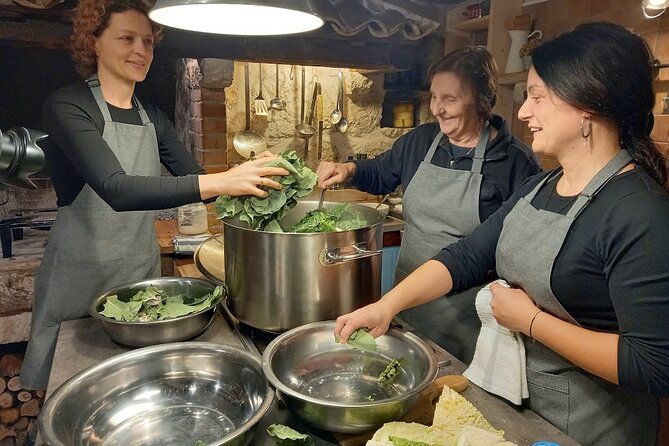
- You knead bread yourself, using a traditional method, not just watching someone else do it
- Garden-to-plate ingredient hunting: you’ll pick vegetables and help gather items like fresh eggs
- Optional goat-milking moment can happen if the dessert uses milk
- A maximum of 8 people keeps the day personal and truly hands-on
- Seasonal menu, consistent roots: expect Mediterranean flavors and homestead-style cooking
- Food plus storytelling from the family tree, while you cook and wait for the meal
Konavle’s Garden-to-Table Cooking Class Feels Real, Not Performed
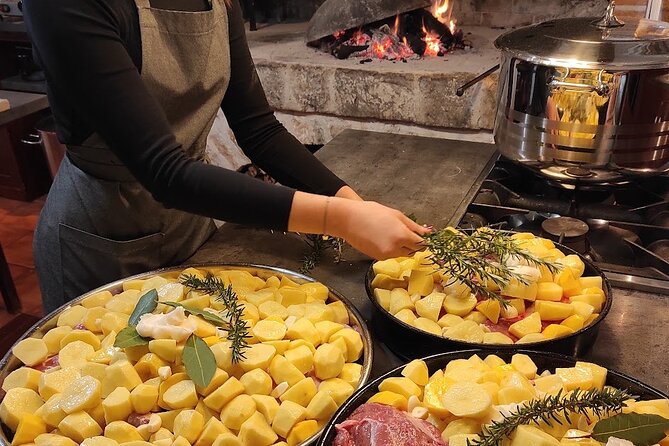
Dubrovnik is famous for walls and views. This experience gives you something quieter and more grounded. You’re heading into the Konavle countryside, where the homestead has been in the family for generations, with the garden and food system running like it always has.
The big win is that this isn’t a scripted demo. You’re part of the work. You knead dough. You walk through the garden. You gather ingredients that actually show up in the meal. That’s how you end up learning Croatian cooking in a way you can repeat at home, not just remember for a photo album.
And the family element matters. Ivo and Katarina (and other family members) aren’t just background characters. They explain how they grow, how they cook, and how the family story connects to the food. One minute you’re shaping bread. The next you’re hearing family tree history while dishes cook in the kitchen.
The only thing to keep in mind: it’s structured around food and farm time. If your idea of a great day is wandering Dubrovnik streets for hours, this will feel like a commitment away from the city.
You can also read our reviews of more tours and experiences in Dubrovnik.
Getting There: Pickup, a Sign on the Vehicle, and a Max of 8
Most days start with pickup offered. You meet at Kameni Dvori – Holiday Village Konavle (Lovorno 11, 20215, Gruda, Croatia). From there, the group goes out toward the family compound area for the homestead cooking day.
The vehicles used for the transfers can vary by group size (they’ve got options for 8, 7, and 3 occupants), and the car is clearly marked with a sign that says Cooking class. If you’re traveling with a child who needs a chair, or you have any special request, it’s worth contacting the provider ahead of time so they can plan.
What you’ll feel right away is the small-group setup. Maximum of 8 travelers. That’s a big deal for hands-on food experiences. When there are only a few of you, you get actual time at the table and in the prep—kneading bread, prepping components, and asking questions while things are underway.
One practical note: because it’s a countryside day, plan on wearing shoes that can handle uneven ground. You’ll be walking around the property and spending time outdoors between kitchen moments.
Kneading Your Own Traditional Bread Sets the Tone
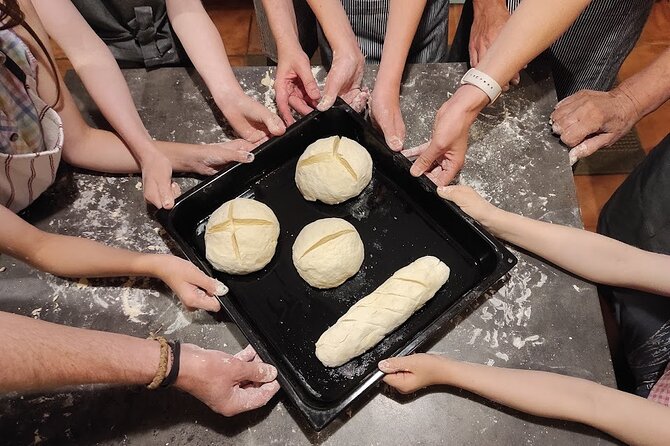
The day starts with a welcome drink and the program intro at the homestead. Then you move straight into the most satisfying part: making homemade bread.
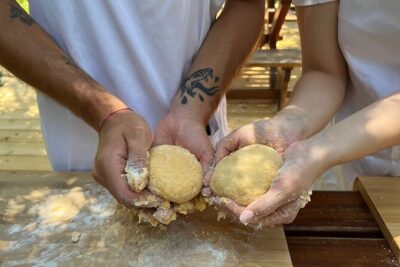
Each participant kneads their own bread using a traditional method. This is where you get a real feel for Mediterranean home cooking—dough texture, the rhythm of kneading, and how the process matters as much as the ingredients. It’s also a nice reset if you’re arriving from sightseeing all morning. Kneading is oddly calming once you get the hang of it.
Why this matters for you: bread is the anchor of the meal. When you make it yourself, everything that follows tastes better. Later when you’re tearing warm bread and loading it with spreads and olive oil, you’ll know exactly why it hits the spot.
If you don’t love hands-on tasks, this is still worth it. Bread is simple work you can handle even without cooking experience. And because it’s part of a group activity, someone will be guiding you through it.
The Garden Walk: Where the Ingredients Actually Begin
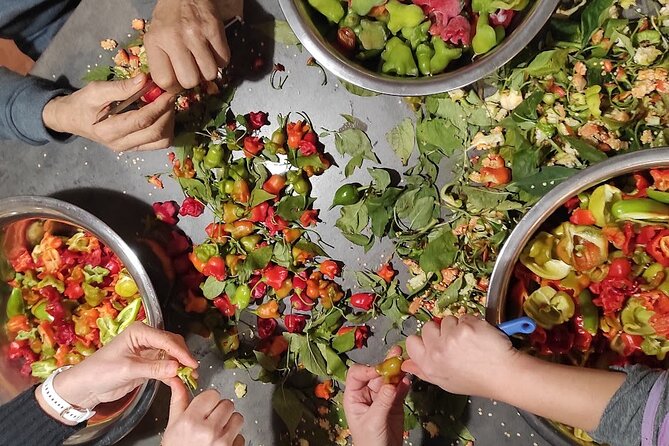
After bread is underway, you visit the garden. This is where the whole garden-to-table concept becomes practical instead of just a label.
The hosts explain how cultivation works, and you collect ingredients needed for the meal. You’ll also gather fresh eggs. Depending on the season, you might find different vegetables and garden products in the mix, which is exactly what makes this experience feel local rather than standardized.
Here’s the subtle benefit: learning where ingredients come from helps you make better choices later. You start noticing what’s in season, what grows well in this area, and how the menu can change without losing its identity.
And because the property is family-run, you get to see more than just the vegetables. In the broader story of the homestead, there’s also mention of fruit trees, olive oil production, and even their own wine. Even if you don’t do a full wine-making workshop, it helps you connect the flavor of the meal to the place that produced it.
The only drawback here is timing and weather. Garden steps mean you’ll be outside. If it’s hot, you’ll want water and a hat. If it’s mild, great. Just don’t schedule this as a casual afterthought.
Cooking Together: From Lovorno Skewers to Farm Chicken Stew
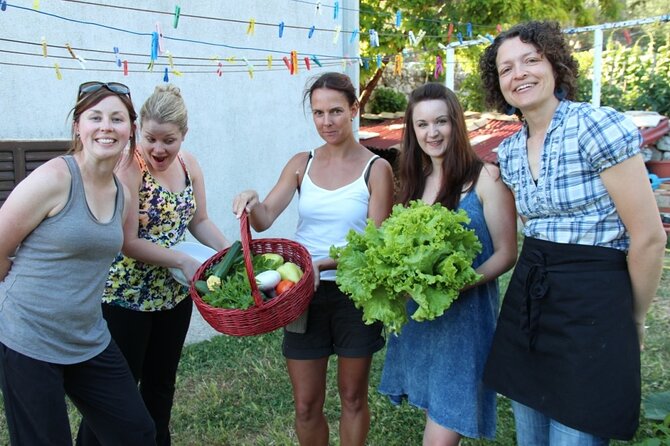
Once you return to the kitchen, the day turns into a real cooking rhythm. You’re not just eating while someone else works. You’re involved in prepping components and learning the flow.
Your meal can include (and may vary by season):
- Starter: cured meat and homemade cheese, served with warm bread, pickled vegetables, spreads, and homemade olive oil
- Main: Lovorno skewer—pork meat cooked on bay leaf branches, served with country-style potatoes and boiled vegetables dressed with homemade olive oil, plus a seasonal salad
- Main: farm-grown chicken stew—chicken cooked with fresh vegetables and fruits, prepared with wine, served with homemade pasta
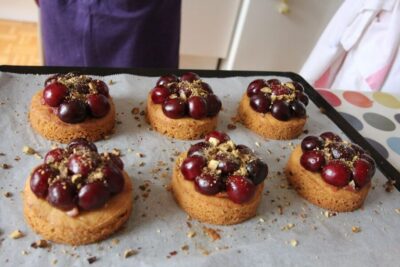
- Dessert: Grandma’s cake
That Lovorno skewer detail is the kind of thing you’ll remember. Bay leaf branches aren’t a restaurant trick; they’re part of the local cooking style that gives aroma and character. And the chicken stew’s combination of vegetables, fruits, and wine reflects how Mediterranean cooking often balances sweetness and savory depth.
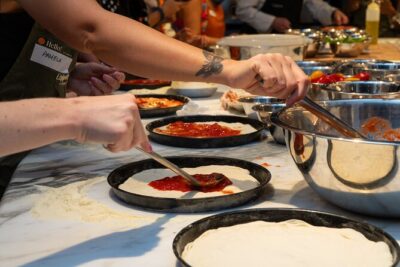
Even the pasta is part of the training. When you make homemade pasta in a setting like this, you learn that “homemade” isn’t just romantic. It changes how the meal feels in the mouth—texture, richness, and how the sauce clings.
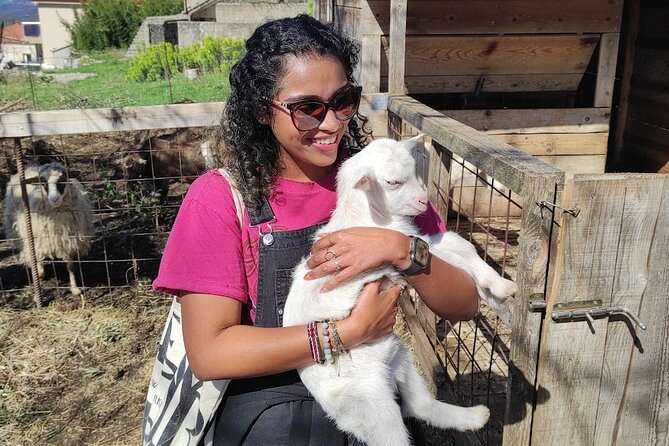
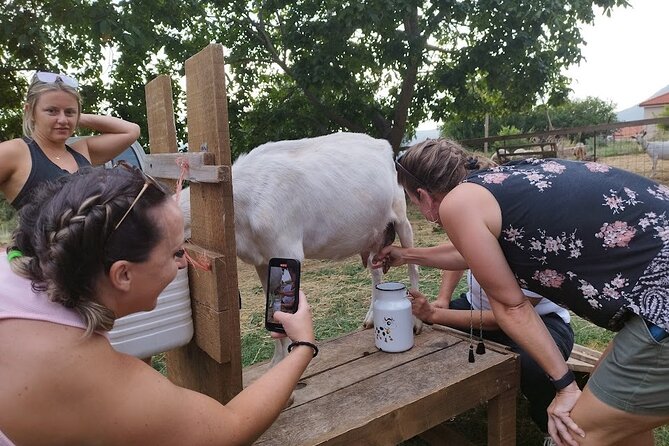
And yes, there can be a goat-milking moment. If the dessert includes milk, the host may offer you the experience of milking a goat. Some people love that hands-on farm moment. If you’re squeamish, treat it as optional, but be aware it’s part of what can happen here.
While Food Cooks: Family Tree Stories and Real Culture Lessons
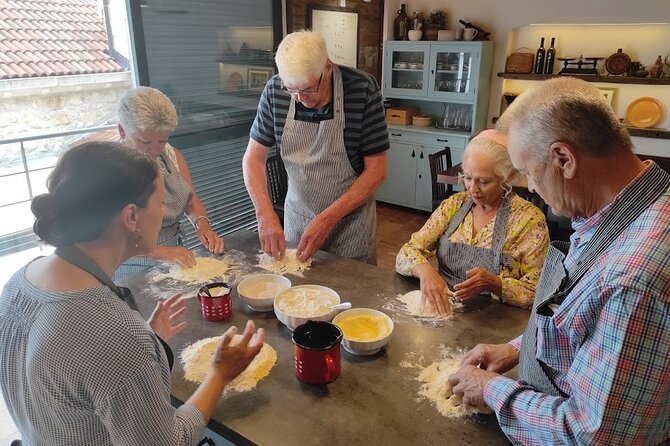
One of the most memorable parts is what happens during cooking downtime. Hosts share stories about the family tree—how the family lived, how land and traditions moved through time, and what staying on the homestead shaped culturally and practically.
This isn’t a lecture pushed over your meal. It’s more like conversation that threads through the day. You’ll also hear mini history about the area on the ride to the site—often from hosts like Ivo, including context about the region and what it means to keep traditions going.
That storytelling adds value for you because it gives meaning to the food. You’re not just learning recipes. You’re learning why these ingredients and methods matter in a place like Konavle—especially when the family has worked the land for centuries.
Eating Time: Homemade Wine, Tasting, and What to Expect on Your Plate
Eventually, it’s time to taste what you helped make.
The meal is served with homemade red or white wine. This is one of those simple pairings that makes sense in Croatia: the food is built for the wine, and the wine feels like it belongs to the property, not like a separate add-on.
You’ll sit down for the full spread—bread, starter items like cured meat and cheese, then the main dishes, and finally dessert like Grandma’s cake.
Because the menu is seasonal, your exact plates may differ from what you see listed as examples. But the core pattern stays the same: seasonal produce, homestead or local-farm ingredients, and cooking styles that lean into Mediterranean flavors.
Dietary options are available. Vegan and vegetarian meals are offered, gluten-free meals are also available, and the team can accommodate flexible dietary restrictions. If you have a specific requirement (gluten cross-contact, dairy, or something more complex), it’s smart to mention it when you book so they can adjust.
Practical Tips So Your 5 Hours Go Smoothly
Here’s how I’d set yourself up for a relaxed, enjoyable farm day in Dubrovnik countryside.
- Wear grippy shoes for garden and property paths. Don’t count on smooth surfaces.
- Expect hands-on work: kneading dough and prepping ingredients means you might get a little messy.
- Plan for outdoor time. Even if the kitchen is warm and cozy, the garden portion puts you outside.
- Ask about your dietary needs early. They offer vegan/vegetarian, gluten-free, and can handle flexible restrictions, but you’ll get the best outcome if they know your needs ahead of time.
- Bring a light layer. Weather in coastal regions can shift over a few hours, and you’ll be moving between fresh air and the kitchen.
- Come hungry. This is a meal day, not a snack stop. You’ll make bread, participate in prep, and then eat a full multi-course style meal.
Also, keep expectations realistic. You’re not touring a museum. This is a working homestead experience. That’s the point. The day moves with the food, the garden, and the family schedule.
Should You Book This Dubrovnik Garden-to-Table Cooking Class?
If you want a real day outside Dubrovnik’s main tourist lanes, I’d book it. This is ideal when you like food that comes with a story and you enjoy learning by doing—kneading bread, gathering ingredients, and cooking as part of a small group.
It’s also a strong choice for couples, friends, and solo travelers who want a quieter cultural break. The max of 8 people keeps it friendly. English is offered. And because vegan/vegetarian and gluten-free options exist, many dietary needs can be handled.
I’d skip it (or at least think twice) if you want a fully city-based itinerary, or if you strongly dislike farm activities like goat milking. And if you’re short on time in Dubrovnik, this is a commitment: about 5 hours away from the main sightseeing circuit.
Bottom line: at $208 per person, you’re paying for a complete farm-to-table experience—bread, garden harvesting, cooking, wine, and family storytelling. If that sounds like your kind of day, it’s a very good use of your time.
FAQ
How long is the Dubrovnik countryside garden-to-table cooking class?
It runs for about 5 hours.
Is pickup available from Dubrovnik?
Pickup is offered. The activity starts at Kameni Dvori – Holiday Village Konavle (Lovorno 11, 20215, Gruda, Croatia), and transfers use vehicles marked with Cooking class.
What language is the class offered in?
The experience is offered in English.
Can the kitchen handle dietary restrictions like vegan, vegetarian, or gluten-free?
Yes. Vegan and vegetarian meals are available, and gluten-free meals are available too. Flexible dietary restrictions can be accommodated.
Is goat milking included?
Goat milking may be offered if the dessert includes milk.
What’s the cancellation rule for a full refund?
Free cancellation is allowed, and you can cancel up to 24 hours in advance for a full refund.