REVIEW · NARA
Udon and Tempura Cooking Class in Nara
Book on Viator →Operated by 手打ちうどん&天ぷら料理教室 · Bookable on Viator
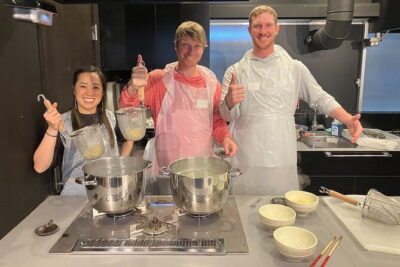
This is one of those meals that starts before you even taste it. In this Nara class, I love that you get hands-on handmade udon skills using Japanese wheat, then you finish with fresh tempura made from locally sourced vegetables. One thing to consider: it runs about 90 minutes, so it’s best if you want a focused cooking session more than a long food tour.
There’s a practical, welcoming feel to it too. In at least one recent class, the host chef (Masakazu Sakaguchi) had everyone wash hands and remove shoes before starting, which sets the tone for a real kitchen experience, not a demo. The group stays small, with a maximum of 10 people, so you can ask questions while you knead, roll, and cut.
The main drawback is simple: you’re paying for instruction and included meal ingredients, not a sightseeing-heavy itinerary. If you want lots of walking stops around Nara, this may feel like it’s all in one place.
In This Review
- Key Things I’d Prioritize in This Udon and Tempura Class
- Handmade Udon in Nara: From Dough to Fresh Noodles
- Tempura With Nara Vegetables: Crispy Without the Guesswork
- Your Tempura Udon Meal: Eating the Results While They’re Hot
- The Kitchen Flow: What Happens During the 90 Minutes
- Pickup, Location, and Small Group Setup
- Price and Value: Why $53.33 Can Make Sense
- Who Should Book This Udon and Tempura Class
- Should You Book This Nara Udon and Tempura Class?
- FAQ
- FAQ
- How long is the udon and tempura cooking class in Nara?
- Is pickup included?
- What’s included in the price?
- Are alcoholic drinks included?
- How many people are in the group?
- Where does the class start?
- Do I need to bring a printout for the ticket?
- What is the cancellation window?
Key Things I’d Prioritize in This Udon and Tempura Class
- 100% Japanese wheat flour for the udon, so you’re working with ingredients meant for the dish
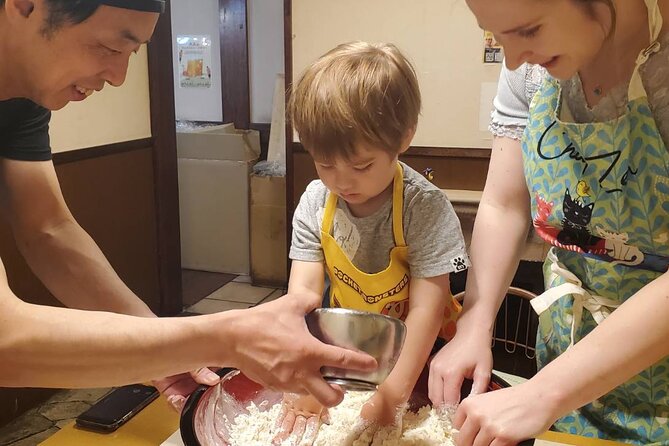
- Knead, roll, and cut steps you actually do, not just watch
- Nara local vegetables used for the tempura, so the flavors stay regional
- Hot tempura right after frying, so you eat it at its best
- Small group size (max 10), which helps you get coaching when you need it
- Pickup by air-conditioned vehicle from near your meeting point to keep it low-stress
Handmade Udon in Nara: From Dough to Fresh Noodles
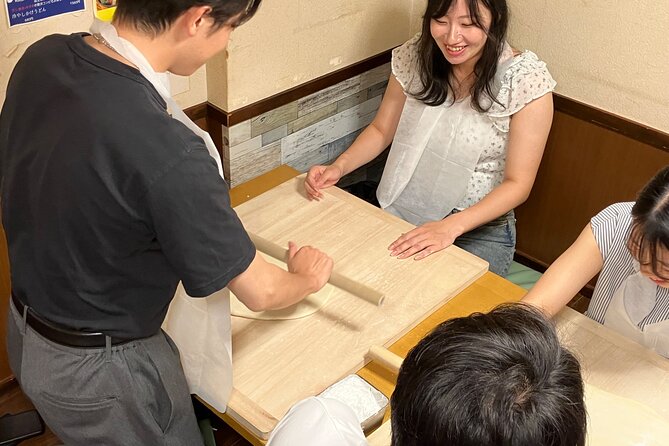
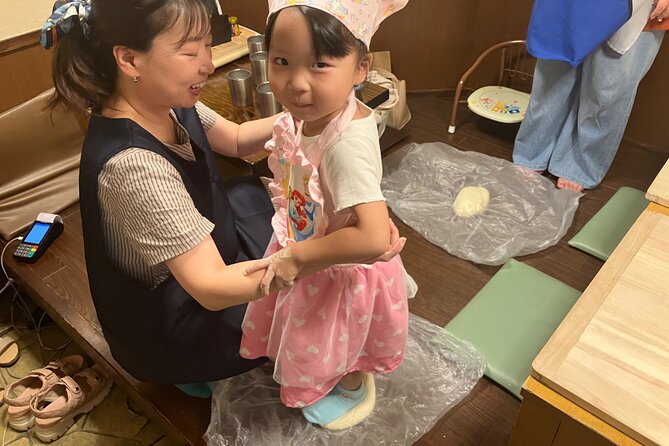
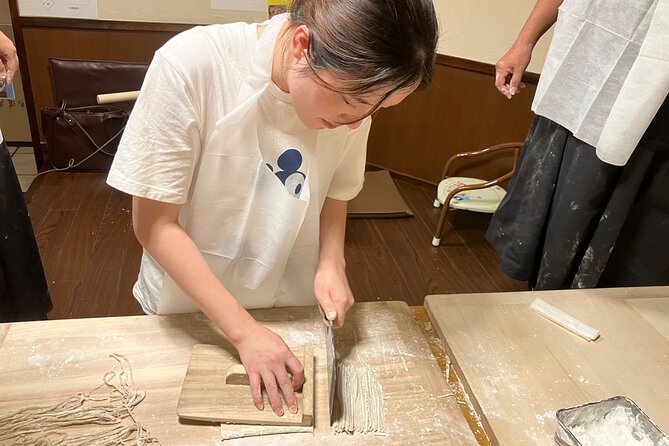
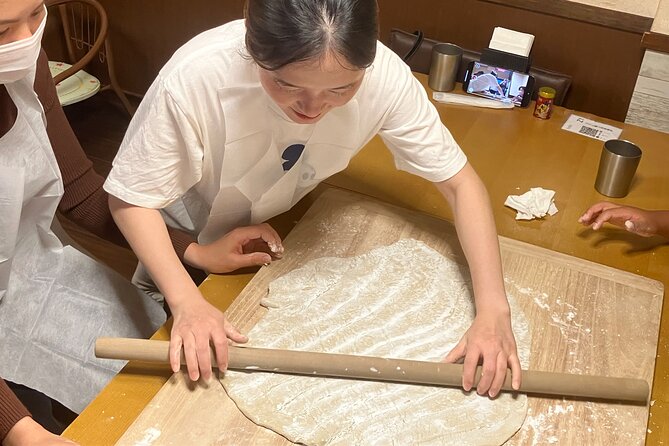
The class starts with udon basics, taught in a way that makes the process feel doable. You’re guided by a skilled craftsman from Nara as you work with Japanese wheat flour, learning how to knead, roll, and cut the dough into fresh udon noodles. This matters, because udon isn’t just a food here—it’s a technique. Once you understand how dough changes with touch and pressure, you’ll never look at packaged noodles the same way.
You can expect the session to focus on form and timing. Kneading is usually where people feel the biggest difference: dough goes from stiff to smoother as the gluten and texture develop. Rolling is about getting even thickness, and cutting is about making noodles consistent enough to cook well. Even if your first attempt isn’t perfect, you’ll leave with a better sense of what “good udon dough” feels like.
A small but meaningful cultural detail shows up right away. In one class, guests were asked to wash hands and remove shoes before entering, which helps keep the kitchen clean and respectful. It’s also the kind of instruction that makes you realize you’re stepping into a real working space.
You can also read our reviews of more tours and experiences in Nara.
Tempura With Nara Vegetables: Crispy Without the Guesswork
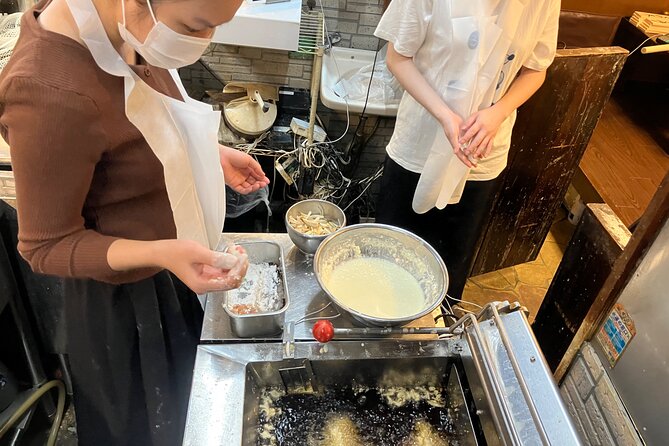
After the udon prep, you switch gears to tempura. Here’s what I like: you’re not stuck with vague directions like add batter and hope. You fry tempura together with the chef, using locally sourced vegetables from Nara. That means the class is giving you a full flavor picture, not just teaching frying mechanics.
Tempura is all about contrast—light, crisp coating versus tender vegetable inside. The technique relies on careful heat and quick action. In a class like this, you usually learn how to handle batter and timing so the coating stays crisp and doesn’t turn greasy. Since you’re cooking together with the chef, you get corrections in the moment, which is exactly what you want when you don’t have a frying setup at home.
The vegetables are a big deal for value. If you’ve only had tempura at restaurants, you know it can taste good. But when the ingredients come from the local area, you notice how the flavor changes with each vegetable and season. It’s a taste of Nara that’s tied to place, not just style.
Your Tempura Udon Meal: Eating the Results While They’re Hot
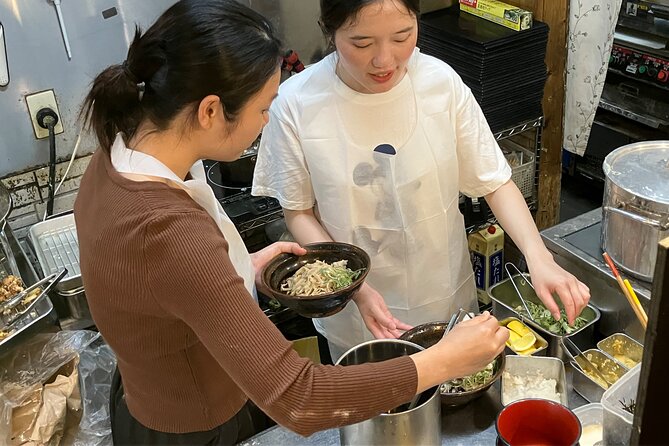
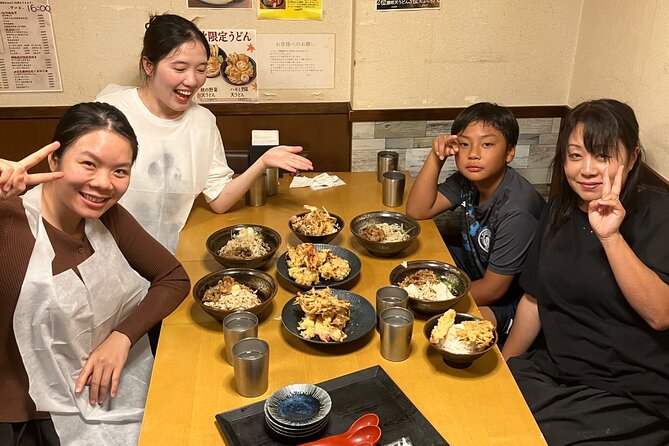
The best part is also the easiest to describe: you eat what you make. Your handmade udon is served with freshly fried tempura—hot and crispy—so you get the full experience of timing. Udon is comforting and filling, while tempura brings crunch and aroma. Together, they make a meal that feels like a reward for your work, not a separate add-on.
Because the tempura is fried for you and served right away, you avoid the common problem of crust getting soft. You’ll taste how tempura changes when it’s right off the fryer. And because you shaped the noodles yourself, you get a real sense of how noodle thickness and cut size affect the eating experience.
There’s also an added option if you want to go one step further: you can order local Nara sake at an additional cost and toast to your trip. It’s not included, but it’s a nice detail for adults who enjoy pairing local drinks with local food.
The Kitchen Flow: What Happens During the 90 Minutes
This experience runs about 1 hour 30 minutes, so it’s structured, not slow. In practice, that means you’ll move through stages efficiently: udon dough work first, then tempura frying, then the shared meal. The pacing is important because it keeps the food hot and the session focused.
Here’s the typical feel you should expect:
- You arrive, get briefed, and start with udon prep under the chef’s guidance
- You knead, roll, and cut the dough into fresh noodles
- You move into tempura, working with the chef on frying locally sourced vegetables
- You sit down to your finished Tempura Udon meal, made from your own work
In a short class, there’s no time for wandering around or multitasking. That’s why it’s a strong choice for food lovers who want a hands-on win without losing an entire afternoon.
Pickup, Location, and Small Group Setup
You get pickup included via an air-conditioned vehicle. That’s a big practical benefit in Japan, especially in summer or when you’re moving between neighborhoods. The tour starts at a specific meeting point: リハビリデイサービスアイリス632-2 Hōrenchō, Nara, 630-8113, Japan. And it ends back at the same meeting point, which saves you from last-minute transit planning.
The group size stays small—maximum of 10 travelers. For a cooking class, that size feels right. You’re close enough to get help without it turning into a chaotic line of waiting. It also makes it easier to interact with the instructor and other participants.
It’s also described as near public transportation, and the class provides a mobile ticket. In other words, it’s built to be easy to use even if you’re not planning to rent a car.
Price and Value: Why $53.33 Can Make Sense
At $53.33 per person for about 90 minutes, this isn’t an ultra-cheap activity. But it’s also not a generic tasting.
You’re paying for three things:
- Instruction from a skilled Nara craftsperson for hands-on steps
- Meals included, with all ingredients and cooking tools taken care of
- Pickup by air-conditioned vehicle, which you’d otherwise spend time and effort arranging
When you add those together, the cost starts to look fair—especially because you’re getting a full handmade meal, not a small snack. You also walk away with a skill you can remember, not just a memory of flavor. Even if you never make udon at home, the class gives you a real understanding of what goes into the dish.
If your Japan trip schedule is tight, this is also good value per hour. One meal, one focused session, and then you’re free to keep exploring Nara afterward.
Who Should Book This Udon and Tempura Class
This class is a strong match if you:
- Want a hands-on food experience in Nara, not just eating your way around town
- Like cooking enough to enjoy the process, even when it’s messy at first
- Prefer small-group teaching where you can ask questions
- Are interested in Japanese wheat-based udon and local vegetable tempura
- Would enjoy a meal that’s directly tied to what you made
It’s also a nice option for couples and small friends groups because the class structure keeps you together, and pickup reduces stress.
If you’re looking for a sightseeing day with lots of stops and viewpoints, you may want a different kind of tour. This is a kitchen experience first.
Should You Book This Nara Udon and Tempura Class?
Book it if you want one memorable meal that you actively create. The biggest reasons are straightforward: you learn handmade udon technique, you fry tempura using Nara vegetables, and you eat Tempura Udon that’s made immediately with your work. Plus, pickup and a small group help it feel smooth.
Skip it only if you strongly prefer long walking tours or you’re not interested in cooking instruction. This class rewards curiosity and participation. If you’re the type who likes learning how food is made, you’ll have a great time.
FAQ
FAQ
How long is the udon and tempura cooking class in Nara?
It lasts about 1 hour 30 minutes.
Is pickup included?
Yes. An air-conditioned vehicle pickup is included, and the experience ends back at the meeting point.
What’s included in the price?
All ingredients and cooking tools are included, along with the meal you make. Alcoholic drinks are not included.
Are alcoholic drinks included?
No. Sake and other alcoholic beverages can be purchased separately at an additional cost.
How many people are in the group?
The class has a maximum of 10 travelers.
Where does the class start?
The meeting point is リハビリデイサービスアイリス632-2 Hōrenchō, Nara, 630-8113, Japan.
Do I need to bring a printout for the ticket?
No. The tour uses a mobile ticket.
What is the cancellation window?
Free cancellation is available up to 24 hours before the experience start time for a full refund.