REVIEW · PIEDMONT AND LIGURIA
Sustainable Farm Tour & Northern Italian Cooking Class in Asti
Book on Viator →Operated by Traveling Spoon · Bookable on Viator
This is not a sit-and-learn cooking class; it starts on the ground. I love how the host, Viviana (Vivi), folds sustainable farming lessons into the visit, and I love that you actually forage the ingredients before you cook. One thing to consider: the farmhouse is in typical Italian style and doesn’t have air conditioning, so plan around warm weather and long time outdoors.
I also like the clear flow: meet the animals and edible garden, learn how to spot wild herbs, then cook family-style recipes using what you gathered. The small, private-group feel makes it easier to ask questions, slow down, and pay attention to the details that make herb flavors work.
If you want a polished, classroom-style experience with zero mess, this one may feel too hands-on.
In This Review
- Key highlights at a glance
- Arriving at the Piedmont hills: Agriturismo Serra dei Costa near Asti
- A sustainable farm tour that explains the why, not just the what
- Foraging wild herbs: the five-sense method and what to wear
- From the garden to the kitchen: pasta, gnocchi, and wild-herb cooking
- How the cooking feels (and why it’s worth it)
- The meal you end with
- Price and value: what $170 buys you (and what it doesn’t)
- What’s included
- What’s not included
- Who gets the most value
- Comfort and timing: heat, garden time, and how long it can run
- Good to know about the group format
- Meeting point matters
- Who this experience suits best in the Asti-Piedmont area
- Should you book Vivi’s sustainable farm cooking class?
- FAQ
- How long is the sustainable farm tour and cooking class?
- Where does the tour start and end?
- What is the price per person?
- Is the class offered in English?
- What kind of dishes will you cook?
- What is included in the price?
- Do you need hotel pickup?
- Is the residence air-conditioned?
Key highlights at a glance
- Meet Viviana on her working sustainable farm in the Piedmont hills, with gardens, fruit trees, and animals
- Forage wild herbs using all five senses, then identify what you picked
- Cook 2 to 3 dishes from the farm harvest, with wild herbs as the theme
- Learn practical, everyday technique, from pasta shapes to simple, ingredient-driven sauces
- Private, English-friendly experience that works for both beginners and experienced cooks
- A real meal you helped make, plus alcoholic beverages included
Arriving at the Piedmont hills: Agriturismo Serra dei Costa near Asti
The experience meets at Agriturismo Serra dei Costa, Strada Serra dei Costa 2/A, 12040 Priocca (CN), and it ends back there. Priocca is in the same general region you’d associate with Asti and the Piedmont wine country, so you get that countryside feel without the stress of complicated logistics.
When you arrive, you’re not ushered into a studio kitchen. You start on the farm grounds, where the day feels grounded in real work: animals, plants, soil, and a garden system designed to keep growing. That matters, because the cooking class doesn’t feel random. It feels like the last step of a living food cycle.
The meeting setup also tells you what kind of tour this is. It’s a private tour/activity, so you’re cooking with your own group rather than sharing tools, ingredients, or attention with strangers. That’s a big deal for a hands-on foraging and cooking session.
You can also read our reviews of more tours and experiences in Piedmont and Liguria.
A sustainable farm tour that explains the why, not just the what
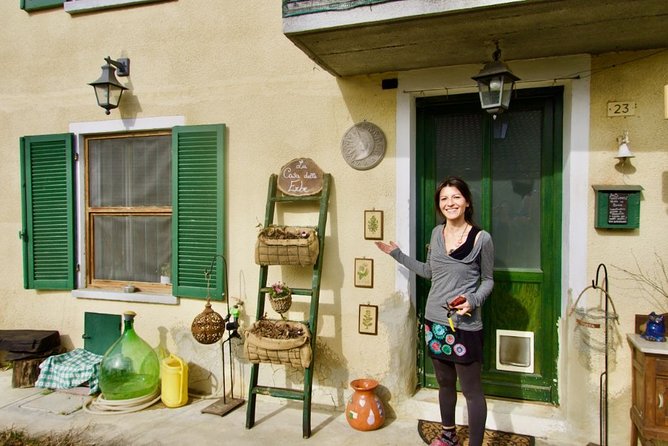
Before you pick a single herb, Vivi introduces you to her farm life. You’ll see the farm ecosystem up close: chickens, wild plants, vegetable gardens, and fruit trees like hazelnut and apricot. One review also noted geese that were friendly and talkative, which gives you a good sense of the vibe: you’re not visiting a staged set, you’re walking through someone’s home food system.
What I like most here is the framing. Vivi shares sustainable practices, including enriching the soil through replanting and building an ecosystem that supports healthy growth. Even if you already recycle at home, it’s helpful to hear it translated into what’s visible—how soil gets supported, how gardens produce, and how animals fit into the bigger picture.
You’ll also get the practical side: as you walk, you start learning what you’re about to forage. That preview makes the herb-hunting feel less like a scavenger game and more like a guided skill.
What to expect walking around
- You’ll spend meaningful time on farm property, where surfaces may be uneven.
- Your day will involve looking closely at plants you might otherwise ignore.
- The farm is described as being on hills, so expect a bit of countryside terrain.
Foraging wild herbs: the five-sense method and what to wear
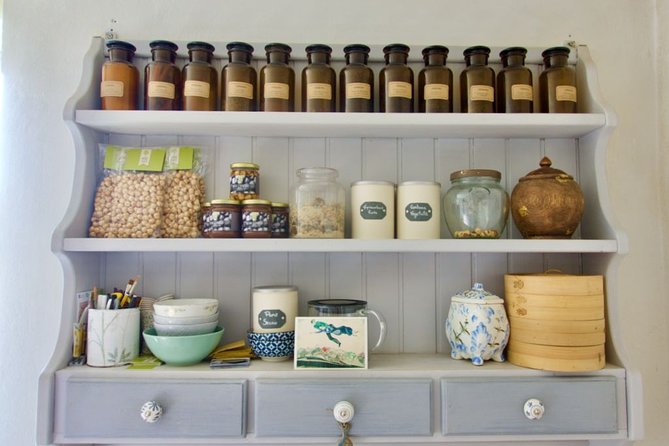
The foraging portion is the heart of the day. Vivi teaches you how to recognize wild herbs using all five senses—not just sight. That’s a great lesson for real life because it pushes you to slow down and confirm what you find before you assume.
In practical terms, this means you’ll be out there identifying plants and learning traditional uses as you go. You’ll also hear explanations of properties and how those plants have been used traditionally. In other words, you’re not just grabbing greenery for a photo. You’re learning why a herb belongs in a dish.
One important note shows up in a review: you’ll likely forage with your hands and knees, plucking herbs from the dirt. So plan for real farm-body work.
What I recommend you wear
- Long pants and a t-shirt (you’ll probably want full-sleeve options if you get sun easily)
- Closed-toe shoes with good traction
- Expect to get a bit dirty, because that’s part of foraging
If you’re sensitive to grasses, bugs, or outdoor pollen, it’s worth planning accordingly. The tour is in Piedmont countryside, and the experience is weather-linked because the foraging happens on the farm.
From the garden to the kitchen: pasta, gnocchi, and wild-herb cooking
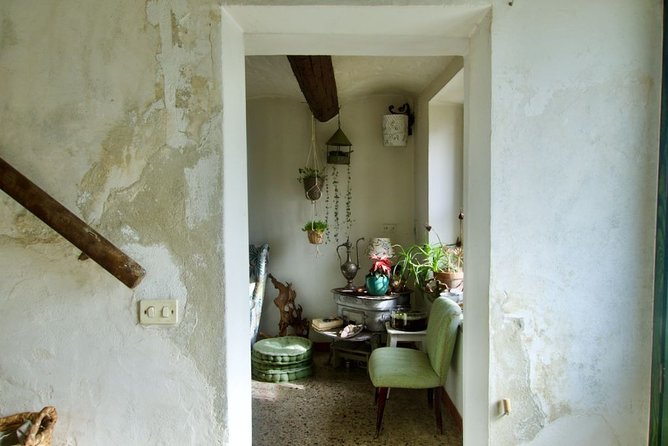
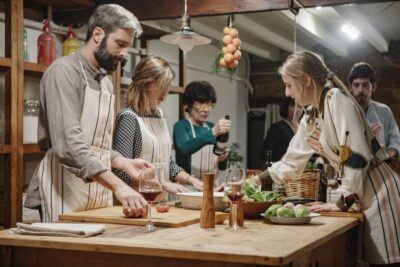
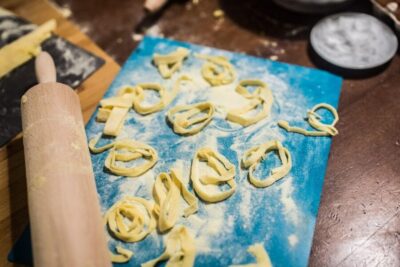
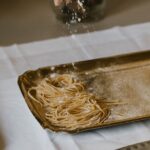
After foraging, you move into cooking mode with the ingredients you picked. The class is designed to teach you two to three Italian dishes based on family recipes and highlighted with wild herbs. The sample menu points to mains like homemade pasta alla chitarra or gnocchi, plus fresh vegetables and wild herbs.
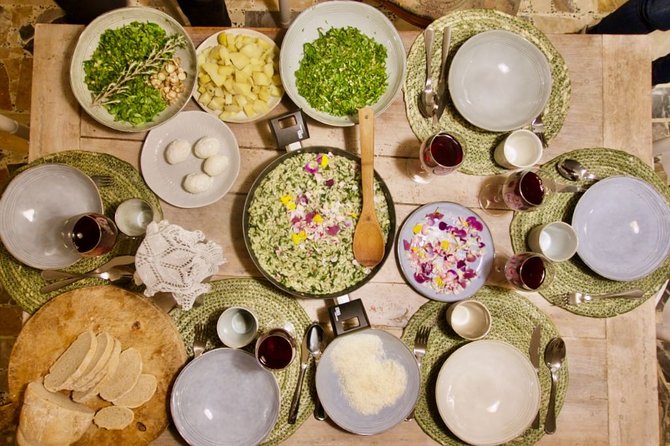
One review gave a more specific peek at how a class can play out: you might make gnocchi and tiramisu, along with a from-the-garden veggie soup. Another review described hands-on contributions beyond the obvious dishes, including homemade bread, herb and egg salad, vegetable soup, and pasta with a light tomato sauce.
So what’s the practical takeaway? Don’t go in expecting one exact menu. Go in expecting a flexible, farm-driven class where wild ingredients influence what you cook. You’ll learn technique and taste relationships rather than just follow a fixed recipe.
How the cooking feels (and why it’s worth it)
This is not the type of class where you stand aside while someone else chops. You help collect ingredients. Then you cook them with guidance, which keeps your attention on flavor and process. That matters because wild herbs can be intense. Learning when to use them, how much, and how to pair them is what makes the experience more than a novelty.
Another value point: the class can be enjoyed by all—novice cooks and experienced cooks, and even adults or children. That balance is hard to find in cooking tours, where many either assume skill or oversimplify. Here, you’re doing real steps, but the experience is set up so you can participate without needing restaurant-level technique.
The meal you end with
You’ll eat what you helped prepare. That simple fact changes your whole perception of the day. When you forage for herbs and then taste them in soup or pasta, your brain connects cause and effect fast. It’s one of those experiences that makes you remember the flavors later, not just the photos.
Alcoholic beverages are included, which also makes the meal feel more like an evening with a host than a short educational activity.
Price and value: what $170 buys you (and what it doesn’t)
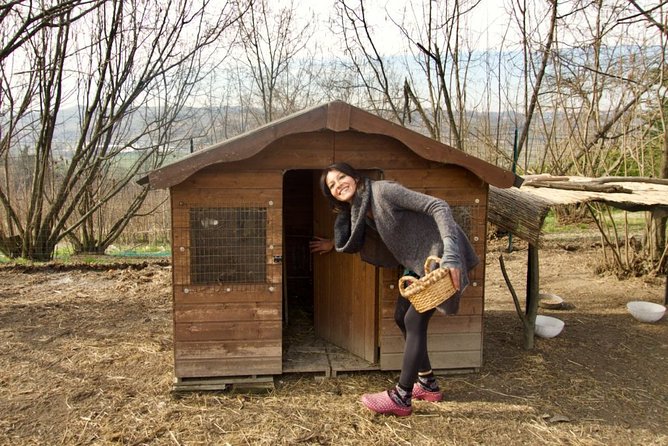
At $170 per person for about 4 hours, this sits firmly in the “special experience” category. The value comes from what’s included and what you’re getting access to.
What’s included
- A private tour of the sustainable farm plus the cooking class with host Viviana
- Foraging and a guided herb-learning component
- A cooking session where you learn 2–3 dishes using farm ingredients
- Alcoholic beverages
- Gratuities included
That combination is important. Many cooking classes give you technique but not ingredient origin. Many farm tours give you animals and gardens but not a real meal. Here, you get both—and they connect.
What’s not included
- Hotel pickup and drop-off
You’ll need to get yourself to the meeting point.
Also note: the residence doesn’t have air conditioning. That doesn’t affect value directly, but it affects comfort, especially in warmer months.
Who gets the most value
You’re likely to feel you got your money’s worth if you want:
- A hands-on food experience, not just a demonstration
- Real stories about sustainable farming practices
- Wild-herb learning you can carry home, not a one-off meal
If you prefer highly controlled, kitchen-only experiences, you may not use the farm component as much.
Comfort and timing: heat, garden time, and how long it can run
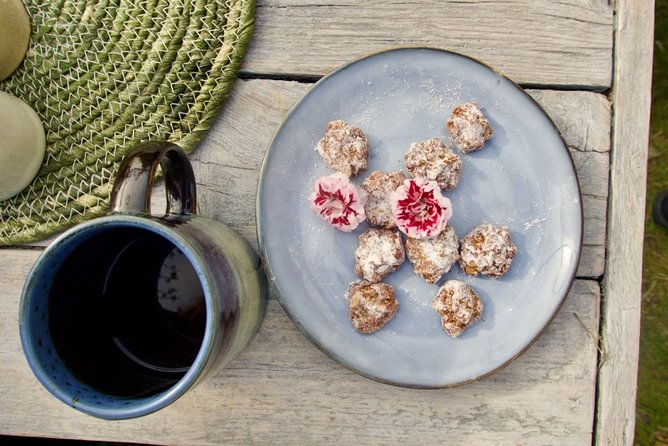
The tour runs about 4 hours on average, but it can stretch out if the group stays engaged. One review mentioned a longer experience, built around conversation and eating. That’s not a flaw; it’s usually what happens when the host is generous with time and you’re enjoying the food.
The no-air-conditioning note is real. Italian homes often stay cool in other ways, but you should still plan for warm conditions. If you’re heat-sensitive, go in with a hydration plan and consider timing your visit earlier in the day when possible.
Good to know about the group format
Because it’s a private experience, only your group participates. That tends to make the cooking flow smoother, and it often means less waiting for tools, ingredients, and space.
Meeting point matters
No hotel pickup means you’ll want to confirm how you’re getting to Priocca. The address is specific, and you’ll want to arrive on time so you don’t rush the foraging segment.
Who this experience suits best in the Asti-Piedmont area
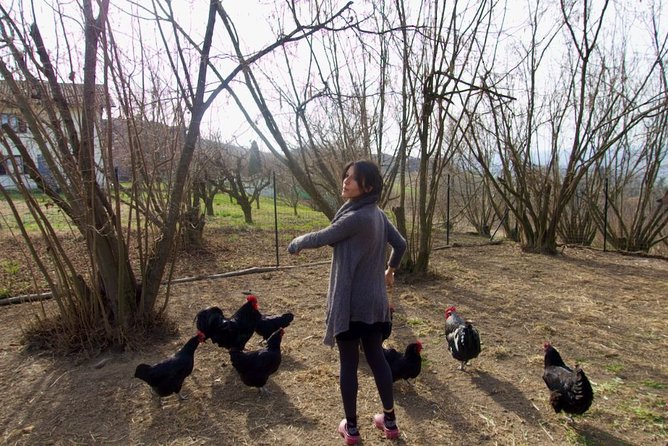
This fits best if you’re curious about food at the source. It’s also a great fit if you like sustainability but want it explained in practical, observable terms—soil, garden growth, animal life, and how the farm supports edible plants.
It’s especially good for:
- Food lovers who want to taste something they helped create, starting with wild ingredients
- Novice cooks who want guidance in a friendly setting
- Experienced cooks who want to learn about herbs, identification habits, and ingredient use
- Families because the class is described as enjoyable for children and adults
If you’re on a tight schedule and want only city sights, this is longer than a quick tasting stop. But if you want one memorable “countryside food day,” it delivers.
Should you book Vivi’s sustainable farm cooking class?
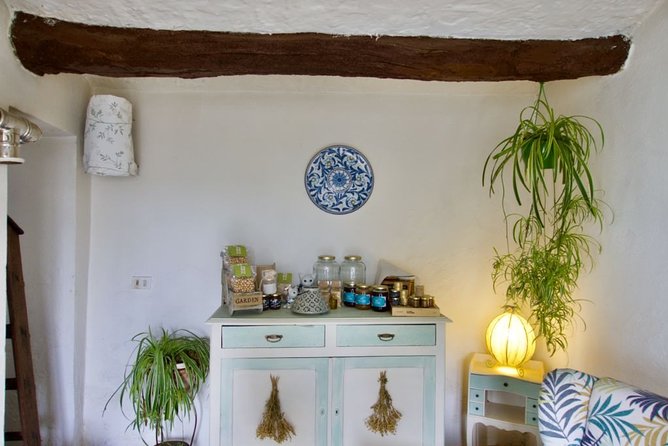
Book it if you want a day that connects foraging, farming, and cooking with a real host story behind it. The most praised aspects come through clearly in the experience design: people love meeting Viviana on her farm, walking through gardens and animals, and learning wild herbs in a hands-on, sensory way—then cooking delicious dishes from what you found.
Skip it or consider alternatives if:
- You can’t handle getting outdoors and a bit dirty during foraging
- Heat comfort is a major issue for you (no air conditioning)
- You want a strictly indoor, fast-paced, short class
If that sounds like you, this is one of the better-value ways to spend a few hours in the Piedmont countryside: you leave with recipes, herb knowledge, and a meal that actually reflects the work of the day.
FAQ
How long is the sustainable farm tour and cooking class?
The experience is listed at about 4 hours.
Where does the tour start and end?
It starts at Agriturismo Serra dei Costa, Strada Serra dei Costa, 2/A, 12040 Priocca CN, Italy, and it ends back at the same meeting point.
What is the price per person?
The price is $170.00 per person.
Is the class offered in English?
Yes, the experience is offered in English.
What kind of dishes will you cook?
You will learn to make two to three Italian dishes using family recipes, with wild herbs featured. The sample menu includes homemade pasta alla chitarra or gnocchi, plus fresh vegetables and wild herbs.
What is included in the price?
Included are the private farm tour and cooking class with the host, alcoholic beverages, and gratuities.
Do you need hotel pickup?
No. Hotel pickup and drop-off are not included.
Is the residence air-conditioned?
No. The residence does not have air conditioning.