REVIEW · LONDON
Private South Indian Home Cooking Class in London with a Local
Book on Viator →Operated by Traveling Spoon · Bookable on Viator
A real home kitchen can change how you see a cuisine fast. This private South Indian class in Orpington lets you cook with Jemima and her family, with personal feedback and a relaxed pace. I love that you get to ask questions while you’re working, and I also love the payoff: you sit down and eat what you helped make. One heads-up: you won’t have hotel pickup, so you’ll need to get yourself to the meeting point near public transit.
You’re not touring a restaurant kitchen. You’re stepping into a family home on the outskirts of London (Zone 6), where South Indian food is part of everyday life. After the cooking, you’ll enjoy a meal at their kitchen dining table, and in summer you may eat on the back patio. The drawback for some people is simple: it’s a home setup, so the vibe is informal and you’ll follow the flow of the household rather than a polished, timed show.
Also, this is priced for the private format. At $105 per person, it can feel like a splurge compared to big group classes, but you’re paying for time with the host, hands-on cooking, and included drinks. If you’re hoping for lots of roaming around London with sightseeing, this isn’t that kind of experience.
In This Review
- Key things I’d circle before you go
- A Home-Kitchen Class in Orpington, Not a Big Tour Production
- From Meeting Point to the Kitchen Table: How the 2.5 Hours Work
- What You’ll Cook: Dosas, Chutneys, Curry, and Coconut Rice
- The Dosa Moment: Why This Class Feels Different
- Dining at the Kitchen Table (and Why It’s a Good Thing)
- Drinks Included: Chaasing Your Way Through South Indian Flavors
- Value Check: Is $105 Per Person Worth It?
- Practical Considerations Before You Book
- Who This Class Suits Best (and Who Might Want Something Else)
- Should You Book This South Indian Home Cooking Class?
- FAQ
- How long is the South Indian home cooking class?
- Where does the experience start?
- Is this a private experience?
- What dishes are included in the meal?
- Are drinks included?
- Is pickup or drop-off included?
- Do I need a car to get there?
- What is the cancellation policy?
- Are service animals allowed?
Key things I’d circle before you go
- Orpington family home (Zone 6): quieter London, real suburb life, not a studio kitchen.
- Hands-on South Indian basics: dosas/idli-style batter work and classic chutneys.
- Jemima’s Q and A time: you can ask why ingredients work, not just how to cook them.
- Meal is part of the class: you eat what you helped prepare, with chaas and curry.
- Cooking time depends on your group: the hands-on portion runs about 1–1.5 hours.
- Private group only: it stays focused on your people, not strangers in the room.
A Home-Kitchen Class in Orpington, Not a Big Tour Production
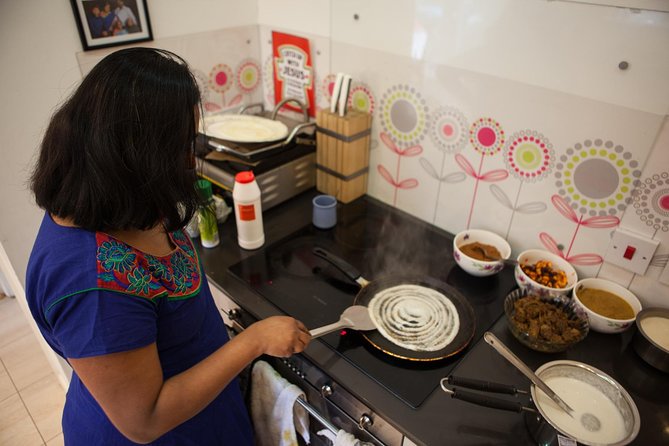
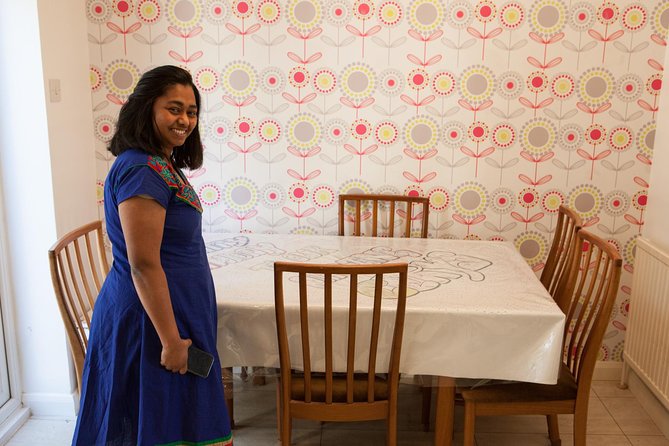
This experience is built around one thing: learning South Indian home cooking from people who actually live it. Jemima, her husband Aaron, and their children are part of the picture, and the class happens when the family is home. That matters more than it sounds. In a group tour, someone talks at you. In this kind of setup, the cooking becomes a conversation.
Orpington sits on the outskirts of London, in London Zone 6. It’s the right choice if you want to feel a normal slice of London life. You’re not stuck in central London crowds between museums. Instead, you’re heading to a quieter suburb, where professional working families live their day-to-day routines.
I also like the “home feel” rhythm. You’ll be in someone’s kitchen, at their pace, with their ingredients and their tools. That leads to better learning. You notice details—like how chutney textures change, or why dosa batter needs the right preparation—not because a guide gave you a script, but because you’re doing it.
You can also read our reviews of more tours and experiences in London.
From Meeting Point to the Kitchen Table: How the 2.5 Hours Work
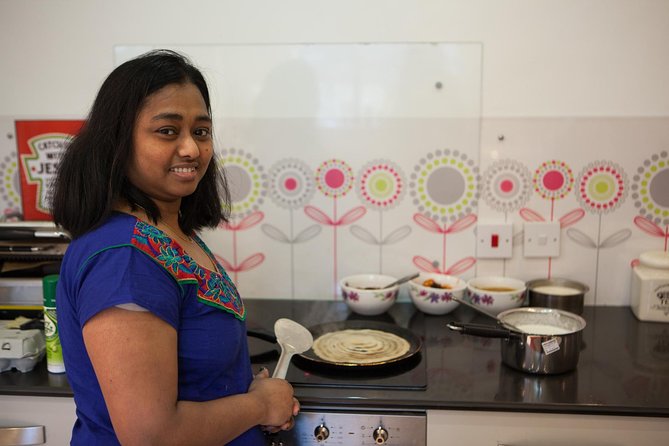
The experience runs about 2 hours 30 minutes, and it’s structured around two phases: hands-on cooking, then eating together. The cooking portion typically lasts about 1 to 1.5 hours, and the exact timing can shift depending on how many people are in your private group.
You start at Station Approach, Orpington (BR6 0SX). The class ends back at the meeting point, so plan on returning the same way—this isn’t designed like a full-day tour with transportation included.
Here’s the practical flow you should expect:
1) You arrive and meet Jemima (and you’ll likely get a quick orientation).
2) You cook your South Indian menu items with her guidance.
3) Then you sit down to the meal you helped make—served piping hot by your host.
One small detail that affects your experience: Jemima will be serving you and chatting while you eat, but she won’t sit down to eat with the group. This keeps the dosas hot and the service smooth. It also means you’ll get more back-and-forth while you’re dining, which I think is a win.
What You’ll Cook: Dosas, Chutneys, Curry, and Coconut Rice
You’ll learn traditional South Indian dishes, and the menu can include a mix of staples and favorites that work well in a home setting. You might cover items like:
- Traditional chutneys (such as tomato or coconut)
- A meat or vegetable curry dish
- South Indian “street-food-friends,” like dosas (and possibly idlis-style elements)
In a typical class, the highlights of what you make and eat include:
- Starter: a welcome Indian drink such as chaas (spiced buttermilk yogurt)
- Main: dosas with tomato chutney
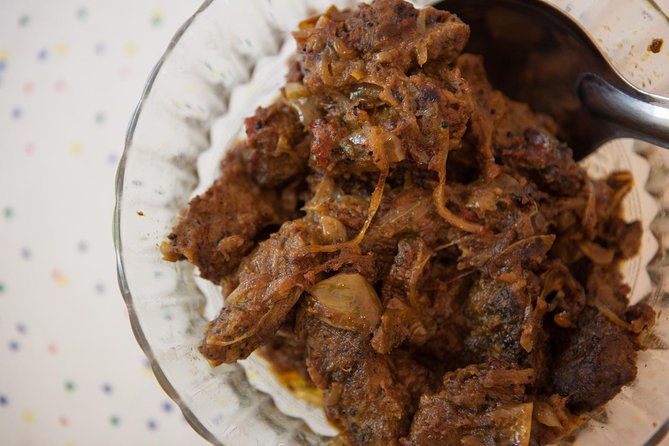
- Main: a beef curry dish called Beef ularthiyathu (dry roasted beef with onions and spices)
- Main: coconut rice
- Dessert: fresh fruit
A lot of classes in London focus on “try this dish.” This one is about “make the dish.” That’s the difference between tasting food and actually understanding it. When you help make chutney, for example, you start paying attention to salt balance, spice level, and texture. When you work with curry, you learn that South Indian cooking isn’t one-size-fits-all—dry-roasted styles and onion-forward flavors bring their own logic.
Also, the dry roasted beef curry name alone hints at the method and the payoff. You’re not just swallowing sauce. You’re getting a spiced, onion-rich dish where spices behave differently when they’re roasted and built into the cooking process.
The Dosa Moment: Why This Class Feels Different
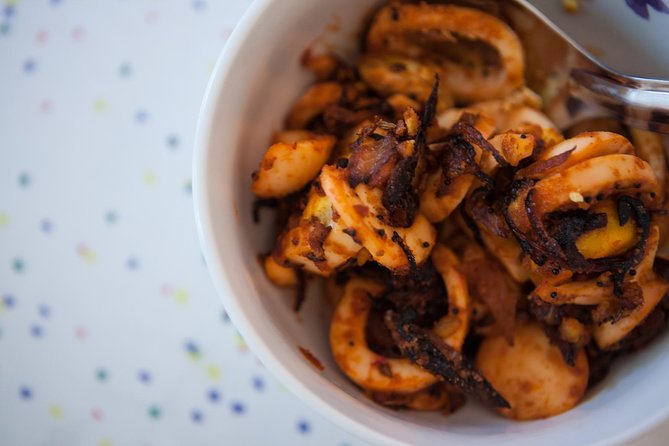
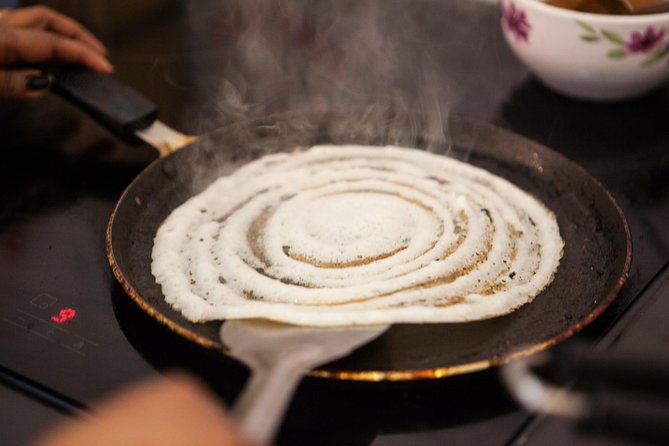
Dosas are famous, but they can also be intimidating if you only ever order them out. In this class, you’re not just watching a person flip a crepe-like pancake. You’re learning the process in a home environment where Jemima can guide you and adjust as you go.
When the plan includes dosas with tomato chutney, you get a clean learning arc:
- You build skills around the dosa element
- You learn how the chutney acts as the bright partner
- You then eat the two together, hot and fresh
That “hot and fresh” piece is important. Dosas cool fast. If they’re served at the wrong moment, they turn from crispy and exciting to just bread-like. Here, Jemima is actively serving you and making sure your dosas stay piping hot, which keeps the whole experience from falling flat.
Even if you’re not a cooking expert, this style of instruction works because it’s interactive. You can ask questions about ingredients and methods as you cook, not after the fact.
Dining at the Kitchen Table (and Why It’s a Good Thing)
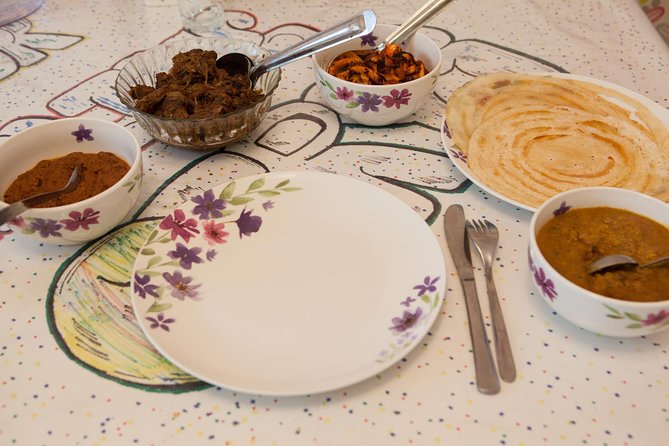
After cooking, you’ll enjoy your meal at their kitchen dining table. In summer, you may eat on the back patio. Either way, the point is the same: you’re not doing a separate restaurant meal after “real learning.”
This is one of the best parts of the experience because it turns cooking into context. You taste with purpose. The dosa isn’t just food—it’s the result of what you just did. The chutney isn’t just a topping—it’s part of how the dish works.
Conversation also plays a role. Jemima and Aaron will chat with you as you eat. The friendly tone in the room matters, especially if you’re the type who likes asking follow-up questions like why a spice mix changes the flavor in a certain way. The hosts seem happy to keep the talk going while you’re eating, which makes the meal feel like part of the lesson rather than a pause between activities.
Drinks Included: Chaasing Your Way Through South Indian Flavors
You’ll get alcoholic and non-alcoholic beverages included, plus a welcome Indian drink like chaas. If you’ve never had chaas, it’s a spiced buttermilk yogurt drink, and it’s the kind of thing that makes the rest of the meal feel more comfortable.
This matters because South Indian meals often blend spices, acidity, and richness. A chilled drink like chaas can cut through heaviness and keep your palate awake. And if you’re not drinking alcohol, you’re still covered with non-alcoholic options.
I like that the class doesn’t treat drinks like an afterthought. It’s built in from the start, so you’re not scrambling for something to drink while you’re cooking.
Value Check: Is $105 Per Person Worth It?
At $105 per person, this isn’t the cheapest cooking class option in London. It’s also not meant to be. You’re paying for a private, host-led experience in a real family home, with hands-on coaching and included meal and drinks.
Here’s what you’re really buying:
- Personal guidance while you cook (not a one-size-fits-all lecture)
- The chance to ask lots of questions about ingredients and technique
- A meal you helped prepare, served hot and right after cooking
- Included beverages, including chaas and alcohol options
If your goal is to learn one South Indian menu deeply—dosa + chutney + curry + coconut rice—this price can feel fair fast. If your goal is to do a broader “London day” with multiple stops, this class will feel narrower. But for food lovers, the focused format is the point.
Private format also changes the tone. Even if you’re traveling solo, you’re not stuck in a crowded room where you get ten seconds of attention. The class is set up so your questions and pace matter.
Practical Considerations Before You Book
A home cooking class in a suburb has its own rhythm, and a few practical notes will help you enjoy it more.
First: plan on getting yourself to Orpington. There’s no hotel pickup or drop off listed. The meeting point is near public transportation, so you’re not totally on your own, but you should still plan your route before you go.
Second: you should expect an informal household flow. That’s not a negative—it’s part of what makes it authentic—but it means you’re not in a formal dining room. You’re in a working home kitchen.
Third: your menu may include meat. A typical meal includes beef ularthiyathu. If you have dietary preferences, you should communicate them so the hosts can adapt dishes to your taste. The hosts have a track record of adjusting what they cook, so it’s worth being direct about what you want to avoid.
Fourth: timing. The overall duration is about 2.5 hours, but the hands-on cooking portion is about 1–1.5 hours depending on your group size. If you’re the type who likes long cooking sessions, this is still a solid amount of time, but the meal is part of the schedule, not an add-on.
Who This Class Suits Best (and Who Might Want Something Else)
This experience is a strong fit if you want:
- A private cooking class with lots of Q and A
- South Indian cooking basics you can repeat at home
- A meal tied directly to what you cooked
- A calm alternative to central London sightseeing
You might also like it if you enjoy learning about ingredients and why the dishes work, not just collecting recipes. Jemima’s long cooking experience shows up in how she answers questions while you’re cooking.
Who might not love it:
- If you want a full-day tour with lots of walking and major London landmarks, you’ll probably feel shortchanged. This is a food-centered experience in Orpington.
- If you need a very structured, formal “chef show” style class, the home pace may feel too casual.
Should You Book This South Indian Home Cooking Class?
Yes, if you want one of the most practical food experiences in London: cook with a real host, then eat what you made, in a home setting where questions are welcome. The combination of dosas, chutneys, curry, coconut rice, and fresh fruit—plus chaas and other beverages—makes it satisfying in a way that many classes don’t reach.
Book it if you’re the type who likes learning technique. This class is built for that. And the private format helps a lot. You get more attention, more feedback, and a more personal conversation with Jemima and Aaron.
Skip it if you’re chasing big sightseeing or you want transportation handled for you end-to-end. You’ll be getting yourself to Orpington and meeting at Station Approach.
If you’re hungry for authentic cooking and you like food that makes sense on a plate, this is a smart use of a London day.
FAQ
How long is the South Indian home cooking class?
It lasts about 2 hours 30 minutes (approx.), with the cooking portion typically lasting 1–1.5 hours depending on the group size.
Where does the experience start?
The meeting point is Station Approach, Orpington BR6 0SX, UK.
Is this a private experience?
Yes. It’s private, meaning only your group participates.
What dishes are included in the meal?
A typical menu includes dosas with tomato chutney, coconut rice, and beef ularthiyathu, plus a starter welcome Indian drink such as chaas and fresh fruit dessert.
Are drinks included?
Yes. Alcoholic and non-alcoholic beverages are included, along with a welcome Indian drink like chaas.
Is pickup or drop-off included?
No. Hotel pick up and drop off are not included, and the experience ends back at the meeting point.
Do I need a car to get there?
No. It’s near public transportation, and the meeting point is in Orpington.
What is the cancellation policy?
Free cancellation is available. You can cancel up to 24 hours in advance for a full refund. Cancellation cut-off is based on the experience’s local time.
Are service animals allowed?
Yes. Service animals are allowed.