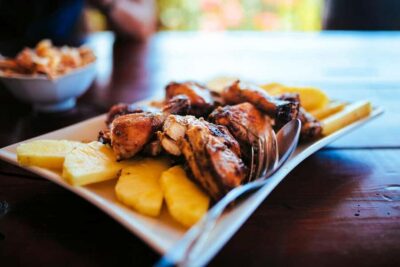
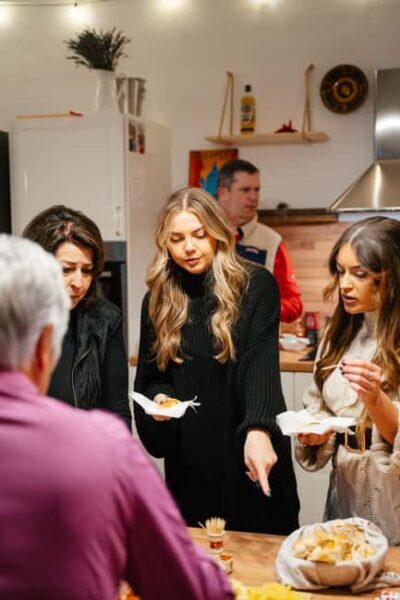
Ferrara tastes better at home. This private cooking class starts at Pasticceria Cioccolateria Chocolat in the center, then turns into a friendly mini tour through classic local shops before you cook a full Ferrarese Sunday-style menu. I really like the shop-to-shop ingredient hunt and the fact that you’re making a complete meal yourself, not just watching.
You’ll meet in front of Chocolat, head out to three historic-style stops (a butcher, a greengrocer, and a shop for typical local products), and then take everything back to a home kitchen. I also like that the hosts, Matteo and Sofia, keep the pace practical and teaching-focused, with a welcome glass from area cellars to set a relaxed tone.
One consideration: the experience is not recommended if you have allergies to dogs and cats, since it takes place in a home setting. If you’re planning around outdoor terrace seating, it also works only in good weather, with changes offered if conditions don’t cooperate.
In This Review
- Key highlights to know before you go
- Starting at Chocolat in central Ferrara
- The Castello and Cathedral stops that frame the day
- The shop circuit: butcher, greengrocer, and typical products
- Cooking in an apron: how Matteo and Sofia teach
- What you’ll make: cappelletto, little hats, and noodles
- Eating together: living room service or terrace lunch
- Price and value: $96.13 for 5 hours of hands-on food
- Who this cooking class suits best
- Booking tips that actually help
- Should you book this Ferrarese private cooking class?
Key highlights to know before you go
- Start at Chocolat for an easy-to-find Ferrara meeting point in the center.
- Three ingredient stops: butcher, greengrocer, and a shop of typical local products.
- Ferrarese Sunday vibe: cook, then eat together in a home living room or on the terrace in good weather.
- A full menu you build: appetizer, homemade pasta, a second course with side dish, and dessert.
- Local drinks at multiple moments: a welcome glass and a matching glass with the final course.
- Bring-home gift: a small item made by the hosts ends the experience on a sweet note.
Starting at Chocolat in central Ferrara
Most cooking classes tell you where to meet. This one also gives you a smart way to get your bearings in Ferrara before the cutting boards come out.
You start at Pasticceria Cioccolateria Chocolat, right in the city center. That matters more than it sounds. When the meeting point is walkable and easy to spot, you waste less time figuring out transit lines or chasing vague instructions. It’s also near public transportation, which helps if you’re pairing this with other daytime sights in Ferrara.
From the start, the class feels structured but not rigid. You’re not arriving late, being herded around, and then sent back out. You’re setting up for a half-day rhythm: a short tour feel, then kitchen work, then a sit-down meal.
If you’re visiting as a couple or a small group, the private format is a big part of the value. Your group is the only one taking part, so questions don’t get lost in a crowd and you’re not stuck waiting your turn for basic steps.
The Castello and Cathedral stops that frame the day
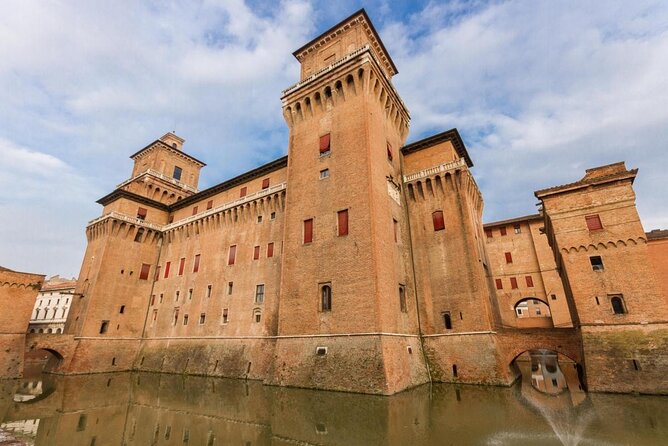
During the outing before the kitchen, you’ll stop in the area of Castello Estense and Ferrara Cathedral. Even if your time at each place is brief, these stops do something useful: they put you in Ferrara’s physical context before you start talking about food.
Why that helps: Ferrarese cooking makes more sense when you can picture the city around it. You’ll likely connect the meal to the pace of local life—calm, social, and centered on a Sunday table—once you’ve seen the landmarks that anchor the city.
A practical note: because this is still a 5-hour experience, don’t expect a deep tour of the monuments themselves. Think of the stops as wayfinding and atmosphere rather than museum-level time.
The shop circuit: butcher, greengrocer, and typical products
The heart of this experience, in my view, is the way it treats shopping like part of the lesson. You’re not handed ingredients and told to begin. You go out together to select what you’ll cook with.
There are three specific shop stops:
- A butcher
- A greengrocer
- A shop selling typical products (the kind of place that sells the odd-but-important items you only learn about when someone shows you what’s used locally)
This is where you’ll pick up the practical side of Ferrarese cooking: what ingredients people actually look for, and how those ingredients connect to the final flavors. For example, the class centers on local pasta shapes and sauces built around regional favorites like ragu and broth-based flavor.
If you enjoy food while traveling, this is the part you’ll remember when you cook later. It turns grocery shopping into a story—why these ingredients matter, how they fit into the menu, and how a Sunday meal gets assembled.
One small drawback to keep in mind: shop visits add a bit of walking and time outside. If you’re sensitive to weather or crowds, wear comfortable shoes and plan for a gentle stroll pace.
Cooking in an apron: how Matteo and Sofia teach
After the ingredient buying, you head home to cook. This is the moment where the whole experience stops feeling like a tour and starts feeling like a lived-in day.
You’ll put on an apron, then get into the hands-on work. The hosts—Matteo and Sofia—are the kind of teachers who focus on process. That’s backed up by the reviews: guests highlight how the food is delicious and how the steps are easy to learn.
What that means for you: you’re not just tasting Ferrarese cuisine; you’re building muscle memory. You’ll follow guided steps for the pasta and sauces, and you’ll learn enough to recreate the basics later. Even if you’re not confident in the kitchen, the structure keeps you moving forward.
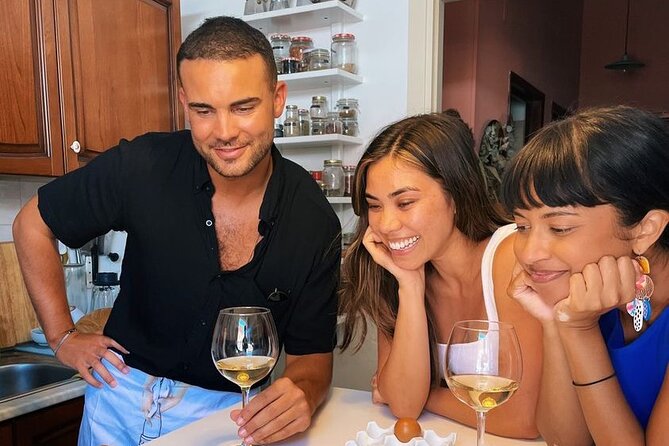
A welcome glass is part of the flow, coming from local cellars of the area. That doesn’t replace the food work, but it does make the time feel like a Sunday, not a class.
Also, because it’s private, you can ask questions without feeling rushed. That matters a lot in cooking classes—if you have one or two “why does it do that?” moments, this format gives you room to get real answers.
What you’ll make: cappelletto, little hats, and noodles
The menu is built around classic Ferrara shapes and sauce styles. You’ll create multiple courses, including an appetizer, a homemade pasta first course, a second course with a side dish, and a final dessert with a matching glass on course.
Here are the standout pasta and main items listed for the menu:
- Cappelletto from Ferrara, served with cream, ragu, or capon broth
- Little hats, served with ragu or butter and sage
- Noodles, with ragu and porcini mushrooms
Even if you’ve had stuffed pasta before, Ferrarese cappelletto is a different lane from what you might expect elsewhere in Italy. The variety of serving options (cream, ragu, or capon broth) signals that the class isn’t about one-note flavor. You’ll see how the same core concept fits different sauce directions.
Little hats add another texture and shape story, with sauce choices like ragu or butter and sage. Those options matter because they show the logic behind regional cooking: comfort flavors, but not boring.
The noodles with ragu and porcini mushrooms bring the earthy side of the menu. Porcini are a classic in Northern Italian seasons, and pairing them with ragu is a move that reliably tastes like an Italian Sunday.
A smart way to approach your learning: pay attention to how the sauce supports the pasta. If you focus on that relationship, you’ll get more out of the class even if you don’t master every technique on your first try.
Eating together: living room service or terrace lunch
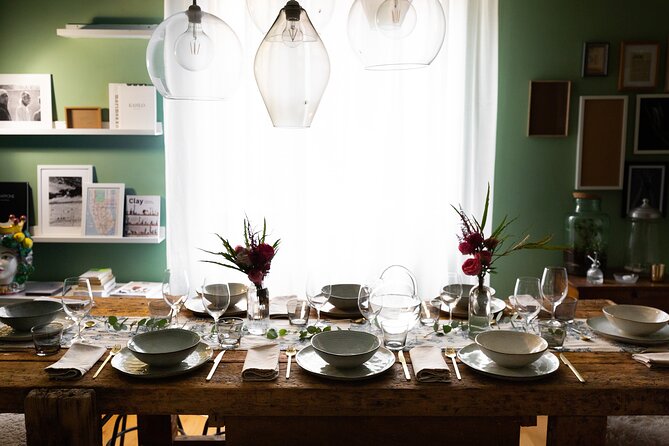
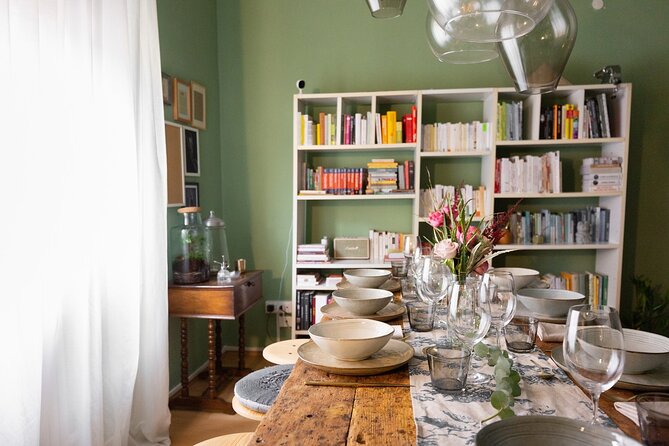
After you finish cooking, you eat with the hosts. The meal isn’t staged like a restaurant service line. You’ll dine in their living room, or in warmer periods, on a large terrace.
That “where you eat” detail is part of the value. A communal cooking class can still feel transactional. A home table is different. It supports conversation, a slower pace, and that Sunday warmth the experience is designed to deliver.
There’s also a drink rhythm during the meal. You’ll have:
- A welcome glass at the start, from local cellars
- A matching glass during the final course
This is useful for travelers who don’t want to guess what to order with dessert or pasta. You get a guided pairing that fits the meal you created.
Practical note: terrace seating depends on good weather. The experience is described as weather-dependent, so if conditions aren’t right, you may eat indoors instead.
Price and value: $96.13 for 5 hours of hands-on food
At $96.13 per person for about 5 hours, this class isn’t a budget filler. But it also isn’t overpriced for what you get.
Here’s why the price can feel fair:
- You’re paying for a private home experience (not a shared group class).
- You’re creating a full menu, including homemade pasta and a dessert.
- You get local shopping before cooking, plus drinks and a take-home gift.
- The teaching is focused on ease and clarity, not just performing steps for you.
Think of it like this: in a typical food tour, you might pay for a meal you didn’t make, with limited instruction. Here, you pay for time, ingredients, instruction, and the chance to sit down at the end and eat what you produced.
If you’re traveling as two people and want a memorable “do this together” day, this is often a strong use of money in Ferrara. If you’re looking for a strictly high-volume itinerary packed with monuments, you might prefer a different kind of tour. But for food lovers, this is a direct hit.
Who this cooking class suits best
This experience is a good match if you want:
- A private group setting
- Hands-on cooking instruction
- A menu that feels clearly Ferrara, not generic Italian pasta-and-pizza
- A calmer, home-centered alternative to communal catering
It’s also especially good if you like learning how locals spend Sundays. The class is designed around that idea: warmth, tranquility, and a family-table feeling rather than a fast “eat, move, repeat” format.
Keep it in mind if you’re traveling with:
- Allergies to dogs and cats (not recommended)
- People who need fully hands-off activities (this is hands-on, with apron time and cooking steps)
Booking tips that actually help
If you’re planning around this as part of a broader Ferrara day, keep these points in mind:
- Start time is 10:30 am, so pair it with a lighter morning plan and don’t schedule a long museum visit immediately beforehand.
- The experience ends back at the meeting point, so it’s easy to transition into lunch elsewhere afterward if you want.
- Confirmation comes at booking, and you’ll use a mobile ticket.
- The experience is offered in English.
Also, because good weather matters for the terrace option, plan to stay flexible. If weather cancels it, you’ll be offered another date or a full refund.
Should you book this Ferrarese private cooking class?
Book it if you want a Ferrara experience that feels like a Sunday at home, not a production line. The biggest reasons are the teaching approach from Matteo and Sofia, the hands-on menu built around cappelletto, and the fact that you shop for ingredients first—so the cooking has context.
Skip it if you’re avoiding home environments (especially with pet-related allergy concerns) or if you hate any walking between stops. And if you’re chasing a monument-heavy day, this is more about food and table life than extended landmark time.
If you’re a couple or small group and you care about learning something you can repeat, this class is one of the strongest value plays in Ferrara: you leave with dinner, instruction, a drink pairing moment, and a small gift made by the hosts.