REVIEW · PENANG ISLAND
Malay Culinary Journey Cooking Class for the Adventurous Foodie
Book on Viator →Operated by Penang Chiak Cooking Classes · Bookable on Viator
Penang can feel like a food classroom, and this class is the lesson plan. You get a morning market walkthrough and then a hands-on cooking session that focuses on how the flavors are built, not just what to eat. The one thing to keep in mind is that it runs only on the morning schedule (and it depends on good weather).
I like that the experience is structured for learning: you see ingredients up close at Chowrasta Market, then you cook with what you learned. I also like that it is HALAL/MUSLIM FRIENDLY and runs as a private group, so you are not stuck behind other people’s questions. If you’re expecting a long, leisurely meal, this is more of an active, teach-you-to-cook format.
In This Review
- Key Highlights You’ll Care About
- Penang’s Morning Market Is the Best Classroom
- Chowrasta Market Tour: What to Watch for Before You Cook
- Breakfast Morning Food Tour: The Fuel and the Clues
- The Cooking Class: Spice Management Is the Real Skill
- What You’re Actually Getting to Make (And Why It Matters)
- Santi and the Teaching Style: Friendly, Fun, and Practical
- Price and Value: What $116 Buys You in Penang
- Timing, Private Group Comfort, and the Weather Factor
- Who This Class Suits Best
- Should You Book Penang Chiak’s Morning Market Cooking Class?
- FAQ
- Where does the class start, and what’s the meeting point?
- How long is the cooking class in Penang?
- Is this a private tour?
- What time does the morning market tour run?
- What’s included in the price?
- What if the weather is bad or the minimum number of travelers isn’t met?
Key Highlights You’ll Care About
- Chowrasta Market start: You begin right where Penang food energy is at its peak.
- Morning-only timing: The market tour is listed for 8:00AM classes.
- Cooking skills, not just tasting: The focus is spice control and real technique.
- Included ingredients and utensils: You show up and learn without sourcing gear.
- Private by default: Only your group participates, which makes the Q&A flow better.
- Santi’s team style: Reviews consistently mention friendly chefs and a fun class atmosphere.
Penang’s Morning Market Is the Best Classroom
If you want to understand Penang food, start with the morning market. Chowrasta Market is where you can feel the rhythm of everyday eating—traders talking to shoppers, people comparing options, and vendors showing off what they do best. This tour is built around that energy, so you are not just arriving to take photos. You are walking through the ingredients and textures that later become your dishes.
I like how this doesn’t treat the market like a quick photo stop. It’s instead a guided look at what people actually buy and what those foods taste like in context. You’ll likely notice the colorful kueh, plus pastries and desserts that look almost too pretty to eat. That visual variety matters, because it helps you understand the ingredients and flavor categories before you ever step into the kitchen.
The practical note: mornings can be busy and hot in Penang. Wear comfortable shoes and plan to be standing and walking. If you prefer slow-paced experiences, this one is active from the first minute.
You can also read our reviews of more tours and experiences in Penang Island.

Chowrasta Market Tour: What to Watch for Before You Cook
The market tour is the “setup” part of the day, and it pays off later. Even without a cooking background, you can get a lot out of noticing how ingredients are selected and presented. Expect a guided walk that helps you connect street food sights and smells to real culinary choices.
Here’s what I’d focus on during the walk:
- Kueh and sweets: Notice texture and color. Many kueh styles signal different flour types, sweetness levels, and shaping methods.
- Aromas from street food: Pay attention to what smells dominant—spice, toasted notes, coconut, or savory depth. This becomes your reference point when you start cooking.
- What looks approachable: Don’t worry if you can’t name everything. The guide’s job is to translate what you see into why it works.
One more reason this market stop is valuable: you start learning to think like a cook. Instead of asking only what it tastes like, you start asking what makes it taste that way—ingredients, ratios, and timing.
Breakfast Morning Food Tour: The Fuel and the Clues
After the market tour, you go into breakfast. This isn’t just included food to fill time. In a class like this, breakfast acts like a tasting lesson: you’re eating local morning staples while your senses are already tuned to the market.
The experience is designed for morning classes only, so breakfast timing supports that. You get to build a mental map of flavors right away, before the cooking tools come out.
What makes breakfast special here is the linkage to the cooking part. The class isn’t framed as cooking in a vacuum. It’s framed as cooking with Penang logic. You’ll be better at seasoning later because you already tasted the direction the flavors should go.
If you are the kind of foodie who gets nervous in kitchens, breakfast helps you relax. You’re fed and you understand the flavor goal before you start learning techniques.
The Cooking Class: Spice Management Is the Real Skill
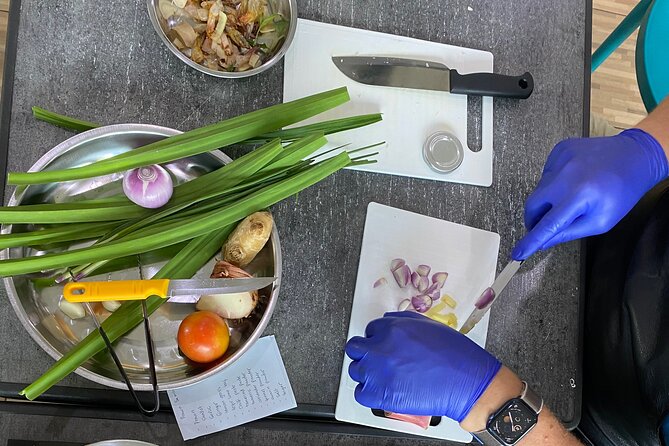
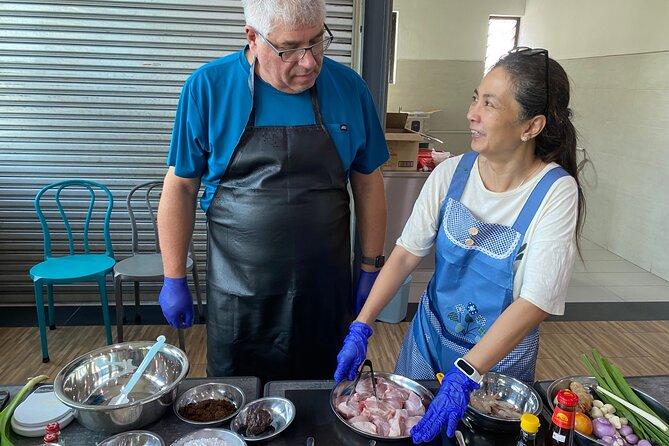
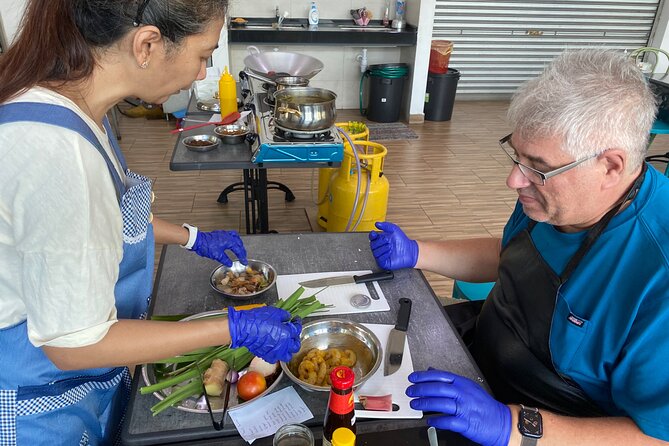
This is where the experience turns from interesting to useful. The cooking portion is not framed as a casual demo where you watch someone else work. You’re learning the process, and the big theme is spice management—how to handle spices so flavors build without going off-track.
From the program description, the goal is deeper than a simple recipe list. You’re meant to understand ingredients and cooking process, plus techniques that are rarely shared. That matters because the same dish can taste totally different depending on how someone handles heat, timing, and seasoning steps.
Practical things you’ll likely take away:
- How to manage spice intensity so it complements instead of overwhelms.
- How ingredients work together through the cooking stages.
- How to approach seasoning as a process, not a single moment.
Also, since it’s described as HALAL/MUSLIM FRIENDLY, you can cook with that in mind without having to ask a bunch of dietary workaround questions. That’s a genuine comfort factor when you’re learning hands-on.
What You’re Actually Getting to Make (And Why It Matters)
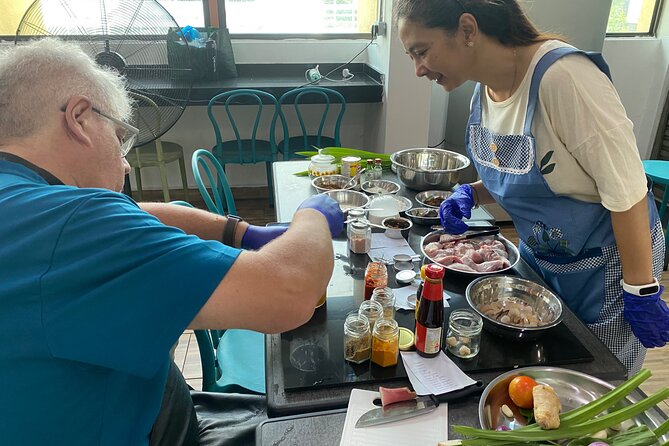
The day is structured around a morning market tour plus breakfast plus cooking classes, within about 4 to 5 hours. The program runs as a private experience, and the provider supplies all ingredients and kitchen utensils, so you’re not dealing with planning or shopping lists.
Even if you don’t know Malaysian cooking terms, you can still benefit because the lesson is about method. And method is portable. After one class, you should be more confident cooking with the same logic even when you can’t find the exact same ingredients later.
Here’s the real value for your future meals: once you learn how spices are handled and how dishes come together, you can recreate the flavor profile at home. You won’t just remember what it tasted like. You’ll have a better sense of how to get there.
One more positive signal from real feedback: a parent and her daughter (15 years old) said it was fun and they learned new foods and ways to cook. That’s the kind of endorsement that suggests the class isn’t only for hardcore food nerds.
Santi and the Teaching Style: Friendly, Fun, and Practical
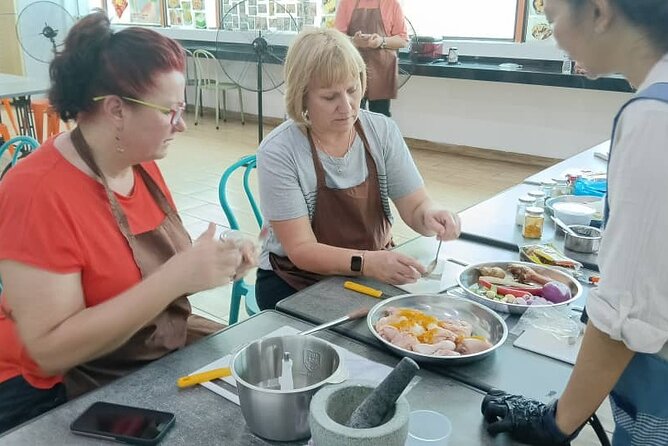
The standout theme in the feedback is the people running the show. One reviewer specifically praised Santi and her team as amazing chefs—super friendly and the cooking class was made fun from start to finish. That kind of teaching matters, because cooking classes can either be intimidating or welcoming.
When the instructors keep things upbeat and clear, you absorb more. You also ask better questions, which improves your results. The responses from the provider reinforce that they are actively engaged—people are thanked, encouraged, and treated like learners, not passive participants.
So if you’re wondering whether you’ll get personalized attention: this is a private tour, and reviews mention an enjoyable, interactive vibe. That’s a good combo for travelers who learn best by doing and talking.
Price and Value: What $116 Buys You in Penang
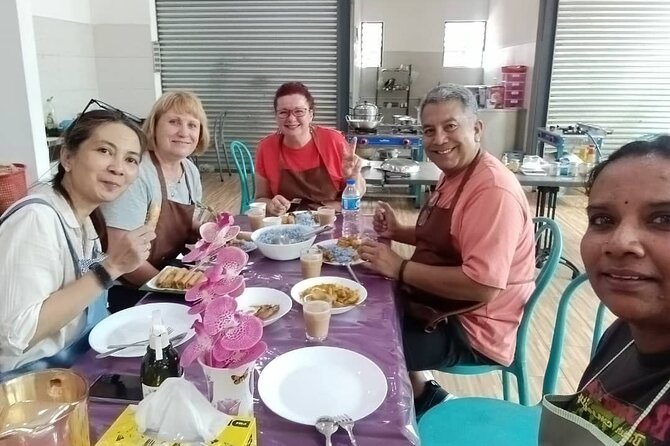
At $116, this class is not the cheapest food tour option. But the price starts to make sense when you look at what’s included for the full morning experience.
You typically get:
- Morning market tour (for morning classes at 8:00AM)
- Breakfast for morning sessions
- Cooking classes as part of the same session
- All ingredients and kitchen utensils
- A guide
That means you’re paying for instruction and for the practical materials that turn a food idea into a cooked dish. Many standalone classes charge extra for ingredients or don’t provide as much guided context. Here, the “market-to-kitchen” structure helps you understand what you’re cooking, which improves your learning value.
If you’re the type who likes value-per-hour, this one has a strong argument. It is about 4 hours and built around multiple segments: market orientation, breakfast tasting, and hands-on cooking.
Timing, Private Group Comfort, and the Weather Factor
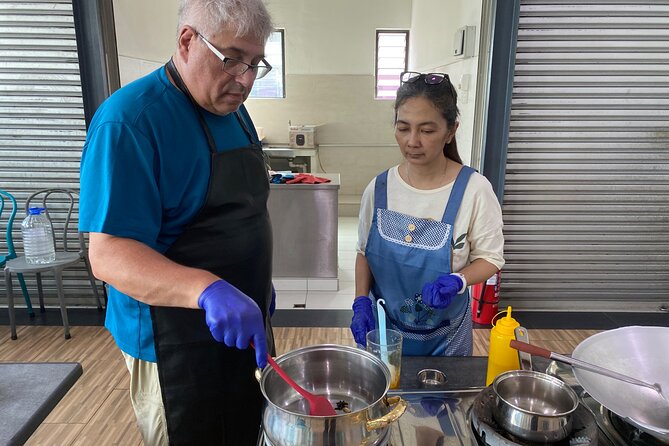
The session length is listed as about 4 hours (and up to 5 hours), and it’s tied to morning classes. The market tour is specifically noted for 8:00AM only. That matters because you should plan your Penang day around an early start rather than building your schedule loosely.
Also, the experience requires good weather. If Penang has an off morning, you may be offered a different date or a full refund. Since the market segment is outside, that weather dependence is reasonable.
Finally, it’s private, so it’s only your group. That’s excellent if:
- You want to ask questions without feeling rushed.
- You’re traveling with family and need a calmer pace.
- You want a more personal learning environment.
If you don’t like early mornings, this is the one detail that could make or break your enjoyment.
Who This Class Suits Best
This experience is a great fit if you want Penang flavor with practical takeaway skills. It’s especially good for:
- Foodies who like learning the why behind the taste.
- People who enjoy market walking and street food culture.
- Travelers who want a structured cooking class, not just a meal.
- Families looking for a shared activity (a 15-year-old learner was mentioned as enjoying it).
It’s also a good choice if you prefer food experiences that are HALAL/MUSLIM FRIENDLY, since that framework is clearly part of the offering.
If you want a tour that’s mostly about scenery, shopping, or long restaurant time, you might find it too focused on cooking and technique.
Should You Book Penang Chiak’s Morning Market Cooking Class?
Yes, I’d book it if you want a morning activity that actually teaches you how Penang flavors are constructed. The pairing of Chowrasta Market plus breakfast plus a hands-on cooking session is the main reason this works. You get context first, then you cook with that context in mind.
It’s also a strong pick if you care about a friendly, supportive teaching style. Reviews highlight Santi and her team as making the class fun from start to finish. And because it’s private, you should feel more comfortable asking questions, including spice and ingredient details.
Book it with just one mindset: plan for an early start and an active format. If you can do that, you’ll come away with skills you can use again, not just a full stomach.
FAQ
Where does the class start, and what’s the meeting point?
The experience starts at Chowrasta Market, Lot 124, Jln Penang, George Town, 10100 George Town, Pulau Pinang, Malaysia, and it ends back at the meeting point.
How long is the cooking class in Penang?
The class runs for about 4 hours (approximately), with sessions described as 4 to 5 hours depending on the booking.
Is this a private tour?
Yes. It’s listed as a private tour/activity, and only your group participates.
What time does the morning market tour run?
For morning classes, the market tour is scheduled for 8:00AM only.
What’s included in the price?
Included items are the market tour (morning classes), breakfast for morning sessions only, cooking classes, a guide, plus all ingredients and kitchen utensils. Souvenirs are not included.
What if the weather is bad or the minimum number of travelers isn’t met?
The experience requires good weather, so if it’s canceled due to poor weather you’ll be offered a different date or a full refund. If the minimum number of travelers isn’t met, you’ll also be offered a different date/experience or a full refund.