REVIEW · TUNIS
Half-Day Traditional Tunisian Cuisine Cooking Class in Tunis
Book on Viator →Operated by SAHARANSKY · Bookable on Viator
Your hands will learn Tunisian flavor fast. This private half-day Tunisian cooking class in Tunis lets you shop for fresh ingredients with a local chef, then cook and eat a home-cooked lunch together. I love the market visit for seeing what Tunisian families buy, and I love the private coaching so you can match dishes to your tastes and skill.
One consideration: it’s about 5 hours, so plan a lighter afternoon afterward.
In This Review
- Key highlights worth knowing
- A Half-Day Cooking Class in Tunis That Feels Personal, Not Performative
- Getting There: Pickup, the Meeting Point, and How the Day Starts
- Market Shopping: Seeing Tunisian Cooking Start With What You Buy
- Choosing Dishes: How a Private Class Lets You Cook Your Own Meal
- Cooking at the Chef’s Home: Where Techniques Become Habits
- The Lunch Moment: Eating What You Cook With Your Host
- Value for Money: How $65 Works When You Actually Learn
- Who This Works Best For (And Who Should Skip It)
- Small Logistics That Actually Matter on Cooking Day
- Should You Book This Tunisian Cooking Class in Tunis?
- FAQ
- How long is the cooking class?
- Is this a private class?
- What’s included with the class?
- Is pickup available?
- Are vegetarian dishes available?
- Where does the activity start and end?
Key highlights worth knowing
- Shop the ingredients first so you understand what makes Tunisian dishes work
- Private, at-a-home cooking time with hands-on instruction, not a quick show-and-tell
- Pick your dishes and build a meal around what you actually want to eat
- Chef-led break time with traditional sweets plus coffee and/or tea
- Real meal payoff: you sit down and eat what you cooked with your host
A Half-Day Cooking Class in Tunis That Feels Personal, Not Performative
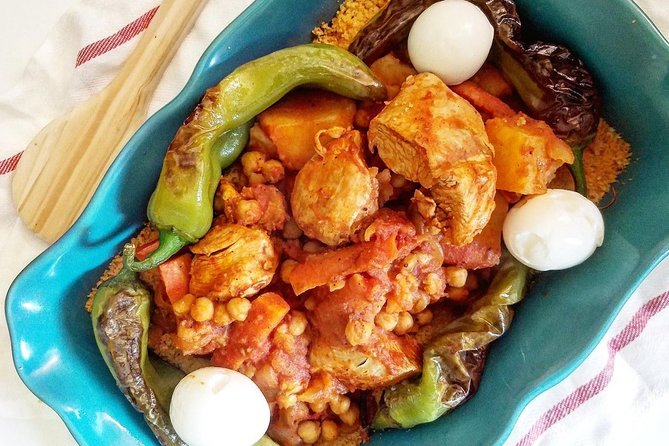
If you want Tunisian food beyond the basics, this format is a smart move. You’re not just watching someone else cook. You go through the whole flow: ingredient shopping, prepping, cooking, then eating together at the chef’s home.
What makes it especially appealing is the private setup. The class can be adapted to your preferences and ability, and you can choose the dishes you want to learn. That matters because Tunisian cooking isn’t only one style or one flavor. It’s a whole system of salads, savory mains, spice blends, and timing.
The experience also comes with practical comfort items that make it easier to focus. You get bottled water, a welcome drink, and coffee and/or tea, plus Tunisian sweets during a break. In other words, you’re not left hungry while you learn.
Getting There: Pickup, the Meeting Point, and How the Day Starts
The class is based in Tunis, and it runs about 5 hours. The official start point is near Mosquée Al Hamd, Rue El hamd, Tunis (you’ll see it on your confirmation details). The activity ends back at the meeting point.
For most people, the easiest part is the hassle-free pickup and drop-off. Pickup is available in Tunis, and pickup in Hammamet is also possible if you select that option. That’s a big deal when you’re doing a hands-on cooking day and don’t want to waste time figuring out local transport.
When you arrive, you should expect a complimentary welcome drink and a quick settling-in before the cooking starts. This matters more than it sounds. If you’re walking around a market later, you’ll want to feel human first.
Practical tip: wear comfortable clothes with sleeves you don’t mind getting a bit messy. Cooking days have a way of making you forget that you brought your best outfit.
Market Shopping: Seeing Tunisian Cooking Start With What You Buy
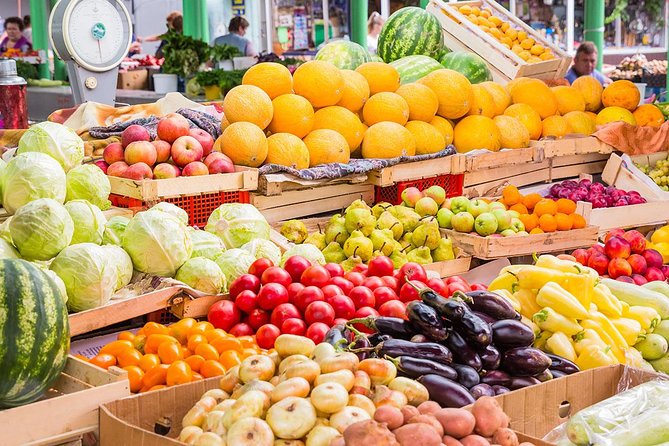
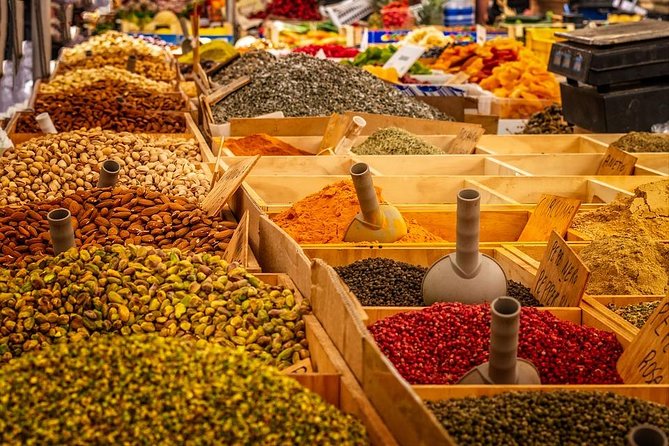
One of the most valuable parts of this class is the market visit. Tunisian cuisine is built on fresh ingredients and on how you treat them once you get them home. When you shop first, it becomes easier to understand why certain dishes taste the way they do.
You’ll shop for the ingredients you need for the dishes you choose. That means you’re not guessing later on what to substitute or what to prioritize. It also helps you learn the logic behind Tunisian pantry staples, like how vegetables and herbs are selected for flavor and texture.
I especially like this approach because it teaches you buying habits, not just cooking steps. When you can recognize what “good” looks like in the market, you can recreate the results back home with much better consistency.
Also, markets can be a bit of a stand-and-walk situation. Plan for some time on your feet. Bring a tote bag if you tend to carry things, and keep your phone protected if you’re stopping to take photos.
Choosing Dishes: How a Private Class Lets You Cook Your Own Meal
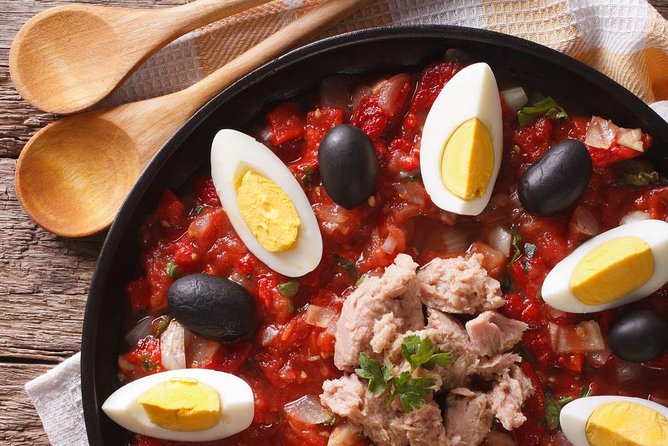
This is not a rigid, one-size-fits-all workshop. The class is described as private, so you can choose the dishes you want to cook. You’ll still learn classic Tunisian courses and salads, but the menu is flexible enough to match your interests.
That flexibility is one of the strongest reasons to book. If you’re more into salads and vegetables, you can steer the plan toward that. If you want more savory cooking techniques, you can focus there. And if you’re a confident cook or a total beginner, the instruction can be adjusted.
In the cooking flow, this approach usually helps you leave with something you actually care about eating. Then, when you get home, you’re not stuck trying to reproduce a dish you don’t like. You’re cooking the one you chose.
Dietary needs are also something you should handle early. The experience notes that you should advise specific dietary requirements at booking, and a vegetarian option is available if you request it.
If you tell them what you need ahead of time, you’ll spend the day cooking instead of worrying about what you can eat.
Cooking at the Chef’s Home: Where Techniques Become Habits
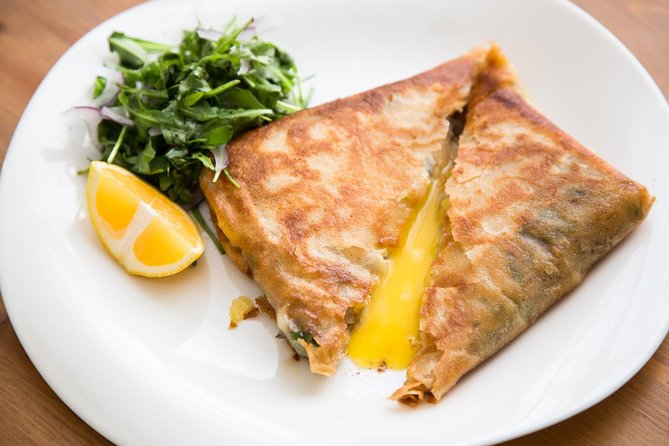
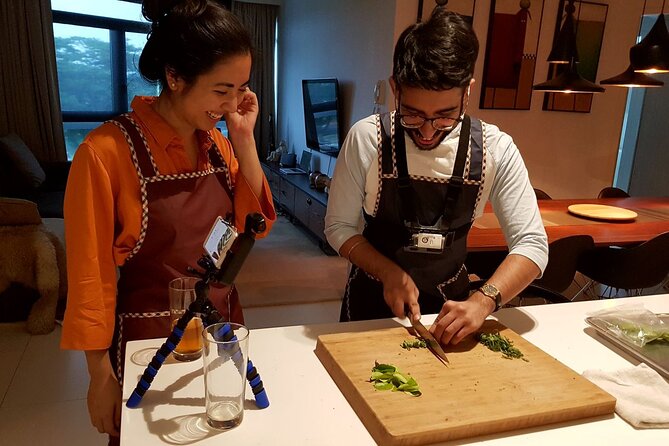
The class takes place at a local chef’s home, which is a big part of the charm. Cooking in a household kitchen changes the tone right away. It’s practical, lived-in, and focused on real steps people use to feed a family.
You’ll cook with hands-on guidance through the process. Expect training on classic Tunisian cooking techniques and how to execute them at home. The goal is not just to make one dish for one meal. The goal is to pick up methods that translate.
In at least some cases, the teaching setup includes a chef who leads the cooking and a guide who helps with communication and coordination. One example from past participants is Chef Fatma as the host/teacher and Boutheina as the guide. If that’s your team, you’ll likely find it easier to ask questions and follow the steps, even if your Tunisian Arabic is rusty.
A small detail I think matters: you’re likely to get a brief break with traditional Tunisian sweets and hot drinks like coffee and/or tea. That’s not just a nice touch. It gives you a reset before you finish the meal and sit down.
Common sense advice: ask about the “why” while you’re cooking. For example, if you’re learning a salad method, ask what makes the ingredients go from fresh to properly dressed. You want the logic, not only the recipe.
The Lunch Moment: Eating What You Cook With Your Host
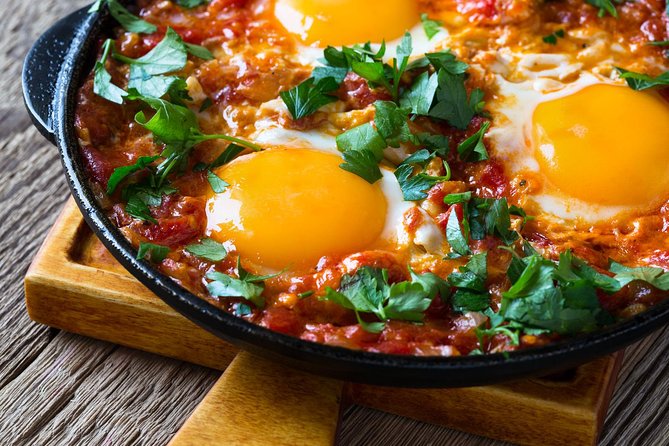
Here’s the payoff: you sit down and eat the lunch you made (the experience notes Lunch or Dinner depending on scheduling). You also share that meal with your host, which helps the day feel like a visit, not a transaction.
This is where the class becomes memorable. When you eat your own food right after cooking it, you can connect flavors to the exact steps you took. If something tastes slightly different than you expected, you can usually trace it back immediately in your mind: spice level, cooking time, ingredient freshness, or seasoning balance.
You’ll also have a sense of Tunisian table rhythm. The process is structured, but it’s still household cooking. That’s why it’s one of those experiences that sticks with you longer than a typical photo-and-flee stop.
One extra touch mentioned is that people often start with a snack during the day. For example, some participants noted a cactus fruit snack early on. If you get something like that, treat it as part of the culture lesson, not only a snack.
Value for Money: How $65 Works When You Actually Learn
The price is $65 per person for about 5 hours, and it includes more than just instruction. You also get:
- Lunch (or dinner, based on the schedule)
- Bottled water
- Coffee and/or tea
- A welcome drink
- Traditional Tunisian sweets during a break
- All ingredients and cooking tools
- Private class format
- Pickup and drop-off in Tunis or Hammamet (if selected)
- A mobile ticket
So yes, it’s a paid experience. But when you compare it to the cost of buying ingredients, renting time in a cooking setup, and then also trying to learn without local coaching, it starts to make sense.
You’re paying for three things that are hard to replicate on your own:
- Ingredient guidance from the market stage
- Technique coaching in the moment
- A finished meal that you can eat immediately
That combination is what keeps the value strong.
Where it can be less ideal: if you already cook Tunisian food at home and you’re only looking for a quick taste, you might not get enough novelty. But if you want a practical learning day in Tunis, it’s a solid spend.
Who This Works Best For (And Who Should Skip It)
This class is ideal if you want Tunisian cooking as a skill, not only as a meal. It’s also a great choice for:
- Food-focused couples or friends who want a private, shared activity
- Beginners who want step-by-step support
- People who like market-to-table learning
- Anyone who wants to choose dishes and tailor the menu
It may be less ideal if you dislike cooking or you have very limited time. The day is about five hours, plus time to move between places.
If you’re bringing kids, note that children must be accompanied by an adult. If you go this route, pick a dish plan that fits your child’s attention span and comfort level around cooking tasks.
Small Logistics That Actually Matter on Cooking Day
You’ll want to plan for how a cooking class day feels. It’s not a museum route where everything is flat and predictable.
- Expect standing and moving during market time.
- Bring layers. Home kitchens can vary in temperature.
- Don’t overpack liquids or breakables. You’ll likely be handling ingredients.
- If you have dietary requirements, tell them at booking so they can adjust the menu ahead of time.
Also keep in mind the group format. This is a private tour/activity, meaning only your group participates.
That’s important because cooking is easiest when there’s space to work and ask questions. A private setup usually keeps the class relaxed instead of rushed.
Should You Book This Tunisian Cooking Class in Tunis?
My take: book it if you want a hands-on Tunisian food lesson with real payoff at the table. The market shopping + chef-led cooking + sit-down meal combo is a strong formula, especially in a place like Tunis where local ingredients matter.
Skip it only if you truly don’t want to cook, or if five hours in a kitchen sounds like punishment. Otherwise, this is exactly the kind of experience that helps you bring home something useful: a technique and a dish you can repeat, not just photos.
If you decide to go, I’d book early enough to lock in your preferred timing, and send your dish preferences and any dietary needs clearly at booking. That’s the difference between a day you’ll remember and a day that stays generic.
FAQ
How long is the cooking class?
It runs for about 5 hours.
Is this a private class?
Yes. It’s described as a private tour/activity, so only your group participates.
What’s included with the class?
The experience includes lunch (or dinner), bottled water, coffee and/or tea, a complimentary welcome drink, traditional Tunisian sweets during a break, and all ingredients and cooking tools.
Is pickup available?
Pickup and drop-off are available in Tunis or Hammamet (if the Hammamet option is selected).
Are vegetarian dishes available?
Yes. A vegetarian option is available if you request it at booking.
Where does the activity start and end?
It starts near Mosquée Al Hamd on Rue El hamd in Tunis, and it ends back at the meeting point.