Food lessons work best at home. This Vilnius class lets you cook traditional Lithuanian dishes in Ruta’s family kitchen, then sit down with your host to enjoy the meal and talk customs. It’s a hands-on, human-scale experience, not a demo where you just watch.
I especially like that ingredients and soft drinks are included in the price, so you can budget without surprise add-ons. I also like the after-cooking sit-down: you’re not rushed out the door, and you get time to ask questions about Lithuanian traditions. One consideration: one piece of feedback mentioned that the kitchen lighting can be very dark, so if you’re sensitive to low light, plan accordingly.
In This Review
- Key highlights to know before you go
- Cooking Traditional Lithuanian Food in a Real Vilnius Home
- Inside the 3-hour class: what happens from welcome to meal
- What you’ll actually learn (and why recipes matter after your trip)
- Lunch or dinner choice: tailoring the class to your schedule
- The sit-down meal and conversation part that people remember
- Price and value: what $90.23 buys in Vilnius
- Meeting point at Dunojaus g. 10b: simple start, easy finish
- A balanced reality check: the one downside to consider
- Who should book this class—and who might not love it
- Should you book Ruta’s Vilnius cooking class?
- FAQ
- What’s the location of the cooking class in Vilnius?
- How long is the cooking class?
- How much does the class cost per person?
- Is this experience private?
- What’s included in the price?
- Is wine or alcohol included?
- Can I choose between lunch and dinner?
- What is the minimum number of people required to book?
- When will I receive confirmation after booking?
- What’s the cancellation policy?
Key highlights to know before you go
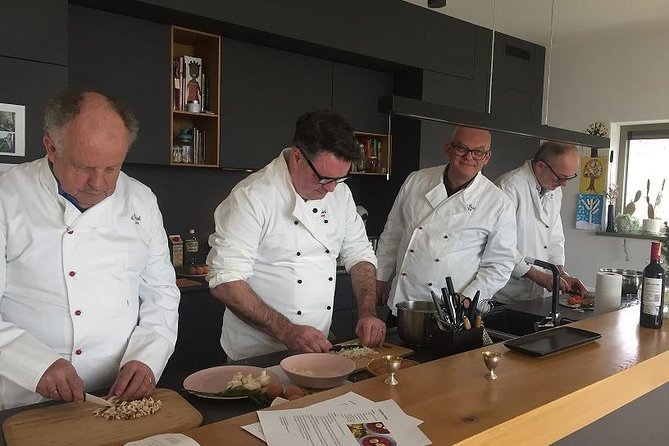
- Cook in Ruta’s home: hands-on Lithuanian cooking, guided by the host in a real family setting
- Pick lunch or dinner: choose what fits your day and appetite
- Ingredients included: no hidden ingredient fees, plus soft drinks come with the meal
- You eat what you cook: a true sit-down portion after the cooking work is done
- Private group only: it’s just your party, not a mixed group
- Minimum 2 people: the class starts when at least two reservations are booked
Cooking Traditional Lithuanian Food in a Real Vilnius Home
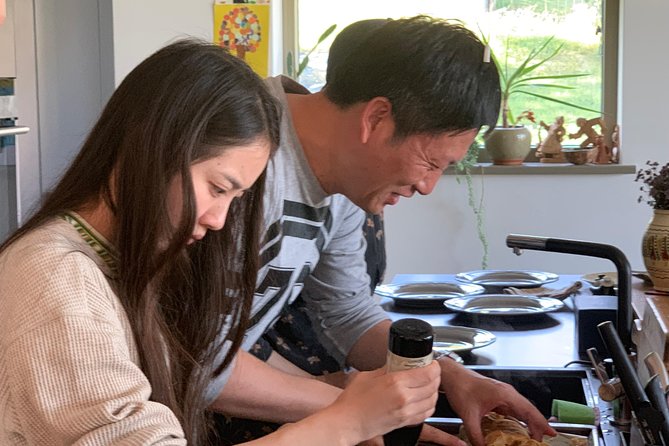
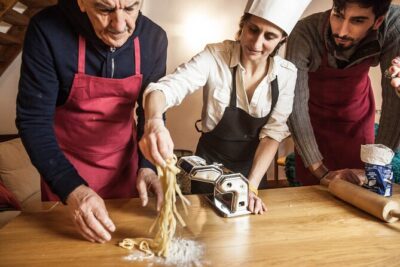
Vilnius has its showy side—churches, old streets, cafés with big-window views. But if you want something more grounded, I like experiences that happen at the human scale. This cooking class is exactly that: you’re welcomed into a cozy home environment and work alongside Ruta as you prepare traditional Lithuanian dishes.
The structure matters. You’re not just shown ingredients. You participate. That changes the whole feel. You’ll learn by doing—mixing, shaping, cooking, and then turning around to eat your results with the people who taught you.
And because it’s held in a home, you naturally pick up the small cultural context that you don’t get in a restaurant kitchen. Expect questions to flow. You’ll be able to ask about customs and traditions while you share the meal you made.
Inside the 3-hour class: what happens from welcome to meal
This is a private cooking class lasting about 3 hours. It starts at Dunojaus g. 10b in Vilnius and ends back at the same meeting point, so you’re not dealing with a complicated move around town.
Here’s what the session feels like, step by step:
First, you arrive and get welcomed into the home. The vibe is hands-on and practical. You’ll move from introductions into cooking work right away, which is nice if you don’t want a long lecture before your hands get busy.
Next comes the cooking part. You’ll prepare Lithuanian dishes using traditional, older-style recipes. The key here is that you’re cooking together with your host, not following a script while someone else does the heavy lifting. You should treat it like a guided workshop.
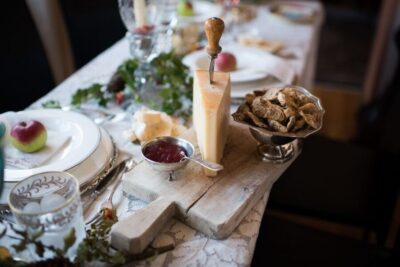
Then you get the best payoff: afterward, you sit down and enjoy what you cooked. This is when the experience stops being about technique and becomes about taste—how things come together, what feels familiar, and what might surprise you if you’ve never eaten Lithuanian food that way.
Finally, you spend time talking. The class isn’t just food; it’s also conversation. You’ll get a chance to chat about Lithuanian customs and traditions, which is one of the reasons I think this kind of experience sticks with people.
What you’ll actually learn (and why recipes matter after your trip)
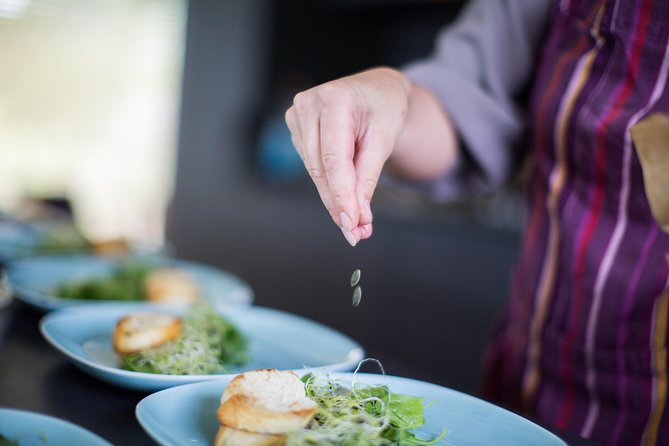
The promise here is learning skills and recipes you can take home. That matters more than people think. A cooking class can turn into a vague memory if you leave with only photos and a vague taste.
In this format, you’re working with Lithuanian cooking traditions through old recipes and doing it in a real home kitchen. Even when specific dishes aren’t listed ahead of time, the learning goal is clear: you come away knowing how to make Lithuanian dishes in your own kitchen later.
Here’s a practical way to think about it: you’re not just trying to reproduce one meal. You’re picking up methods—how doughs behave, how sauces come together, how long things need to cook, and how Lithuanian flavors balance in everyday food. If you enjoy recreating meals for friends, you’ll get a lot out of that kind of instruction.
Also, since you’re eating what you made, you get immediate feedback. If something is too salty or not quite right, you can often connect that feeling to the step that caused it. That makes the skill-transfer real.
Lunch or dinner choice: tailoring the class to your schedule
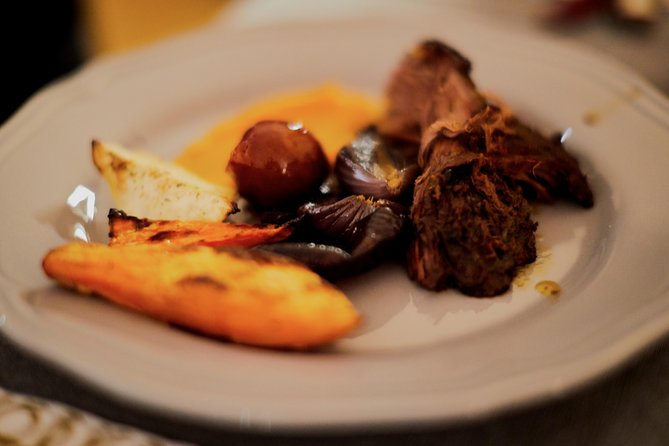
You can choose a lunch or dinner experience. That’s a small detail, but it affects your whole day.
If you pick lunch, you’ll likely enjoy the meal while your energy is high and your day is still open for walking and sightseeing after. If you pick dinner, it can function as a planned culinary night out—cooking first, then eating comfortably at home.
Either way, the included meal is part of the value. You’re paying for both the cooking work and the sit-down portion afterward, not just for the activity.
One more practical note: wine and alcohol beverages aren’t included. Soft drinks are included, so you can plan to enjoy those with your meal, but if you want alcohol with dinner, you’ll need to cover it separately.
The sit-down meal and conversation part that people remember
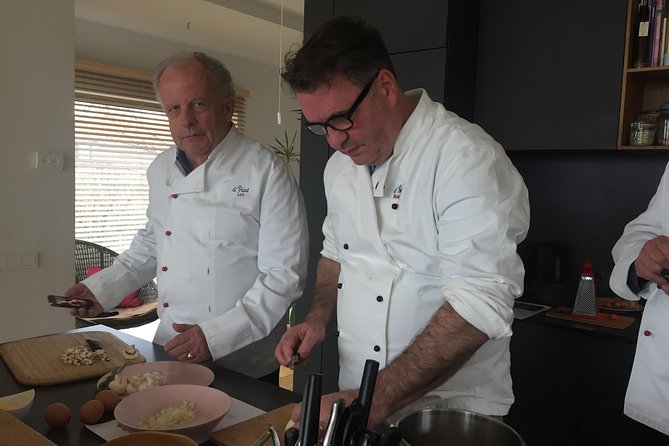
This class doesn’t treat the meal as an afterthought. You cook, you eat what you made, and then you talk.
That matters. When you sit down right after cooking, you learn faster. You taste, you connect it to the process, and you understand what the host considers important. Then the conversation adds the cultural layer—customs and traditions explained through real life, not a lecture.
One reason I like this format is that the host can answer the questions you actually have in the moment: what this dish usually means, how it’s eaten, and why the flavors feel the way they do. When the conversation happens right after the work, it’s more natural and easier to remember.
Also, because this is a private activity, your group gets the attention. You’re not competing with other people’s questions or getting shuffled in a larger class.
Price and value: what $90.23 buys in Vilnius
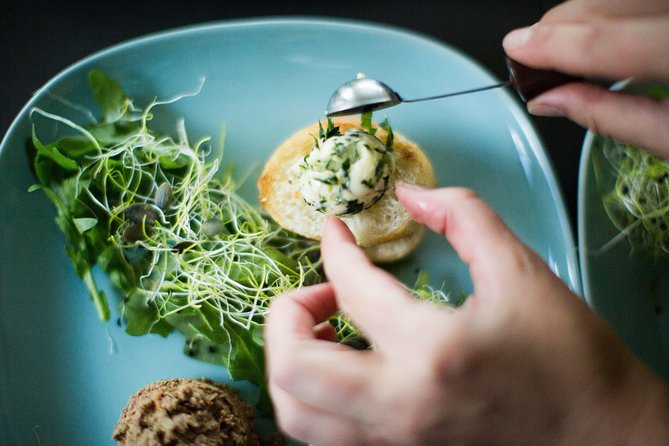
At $90.23 per person, this isn’t a budget street-food stop. But it’s also not a luxury event. The value comes from what’s included and how the time is structured.
Here’s what you get for your money:
- A private 3-hour class in a local home environment
- Ingredients included for the cooking
- Food and soft drinks included with your sit-down meal
- A host-led experience with time to chat about Lithuanian customs
Wine and alcohol aren’t included, so alcohol is a separate line item if you want it.
Now for the real-world value question: does it feel worth it compared with buying food and taking a regular cooking demo? I think it often does if you want three things at once—hands-on instruction, a meal included, and a local-host conversation. If you only care about tasting and don’t want to cook, then you might prefer something less hands-on.
One subtle detail: the class accepts reservations starting from 2 persons. If you’re traveling solo, you may need a partner or be ready to wait until your travel dates pair you with another reservation arrangement.
Meeting point at Dunojaus g. 10b: simple start, easy finish
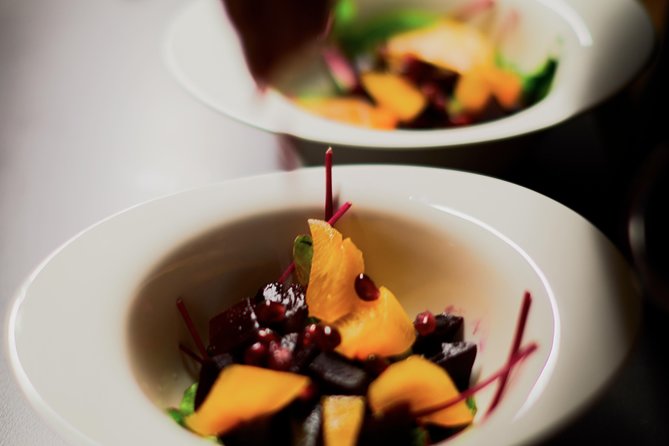
Logistics are straightforward here. You start at Dunojaus g. 10b, 02104 Vilnius and the activity ends back at the same meeting point.
The meeting point is near public transportation, which helps. You’ll also use a mobile ticket, which is one less thing to manage on the day.
Because the class ends where it begins, you don’t have to plan extra transit after the meal. That’s a real quality-of-life win, especially if you’re pairing this with sightseeing earlier or later.
A balanced reality check: the one downside to consider
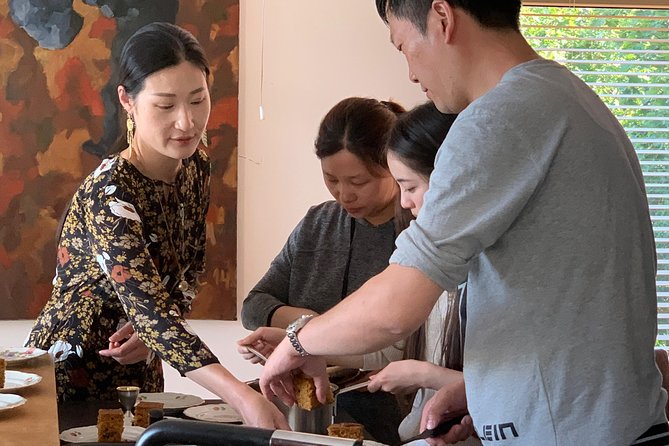
The experience has an overall rating of 4.6 based on 9 reviews, which is a strong signal. Most of what’s praised centers on the home setting and the host hospitality.
That said, one comment flagged a potential issue: the kitchen lighting can be very dark. That’s not something you can fix on your side, but you can plan around it. If you’re the type who needs bright visibility to feel comfortable, consider that when you book.
Other than that, the kitchen and welcome are described positively, including that Ruta and her husband are cordial and that the home itself is nice and functional for cooking.
Who should book this class—and who might not love it
This cooking class fits best if you:
- Want a private, hands-on food experience rather than a large group activity
- Like learning through doing, then eating the results right away
- Enjoy talking with locals about customs and daily life
- Want ingredients and soft drinks included so you can keep your budget steady
You might skip (or at least think carefully) if:
- You expect wine or alcohol to be included
- You’re sensitive to low lighting in a home kitchen
- You’re looking for a big public event rather than a personal home setup
Should you book Ruta’s Vilnius cooking class?
I’d book it if your trip includes one day where you want less sightseeing and more connection—food plus a real conversation. The combination of traditional Lithuanian cooking, ingredients included, and a sit-down meal you help create makes it feel like value, not just a paid activity.
Also, the private format and the fact that it’s held in a home are the main reasons to choose it. If you’re craving authenticity in the practical sense—learn the food, eat it, ask questions—this does the job.
If you’re traveling as a solo person, double-check the minimum of 2 persons requirement and plan for how you’ll handle that.
If that lighting concern sounds like it would bother you, it’s worth factoring into your comfort level before you commit.
If you’re good with that, this is the kind of Vilnius experience that leaves you with more than photos. You’ll leave with techniques, tastes, and a story that feels like someone actually opened the door to their life.
FAQ
What’s the location of the cooking class in Vilnius?
The class starts at Dunojaus g. 10b, 02104 Vilnius, Lithuania.
How long is the cooking class?
It runs for about 3 hours.
How much does the class cost per person?
The price is $90.23 per person.
Is this experience private?
Yes. It’s a private tour/activity, so only your group participates.
What’s included in the price?
Food and soft drinks are included.
Is wine or alcohol included?
No. Wine and alcohol beverages are not included.
Can I choose between lunch and dinner?
Yes. You can choose a lunch or dinner experience.
What is the minimum number of people required to book?
Reservations are accepted starting from 2 persons.
When will I receive confirmation after booking?
Confirmation is received within 48 hours of booking, subject to availability.
What’s the cancellation policy?
Free cancellation is available. You can cancel up to 24 hours in advance of the experience for a full refund.