REVIEW · HOI AN
Express Cooking Class at Faifoo Central Restaurant
Book on Viator →Operated by Cooking Class at Faifoo Central Restaurant Hoi An · Bookable on Viator
You can eat your way through learning here. The Express Cooking Class at Faifoo Central Restaurant in Hoi An turns you into the cook—under the watch of a local chef—then you sit down to enjoy what you made. What makes it work is the hands-on format and the fact it’s built as a tight, doable 2.5-hour experience.
I especially liked two things: first, how you cook four local dishes yourself, not just watch a demo. Second, you get a real sense of Vietnamese ingredient and spice choices, with chefs who speak English and keep the mood light—Susan and Ngoc are names that pop up for a reason. The only thing to keep in mind is the “express” pace: in 2.5 hours, you’ll be moving, chopping, tasting, and learning fast, so come with an appetite and a willingness to jump in.
If you’re trying to squeeze in a standout food activity without losing a whole afternoon, this class is one of the most practical ways to do it.
In This Review
- Key things I’d bet on before you book
- Why Faifoo Central Works for a 2.5-Hour Cooking Fix in Hoi An
- The Meeting Point, the Flow, and Why the Timing Feels Right
- Vegan or Non-Vegan: Choosing the Menu Without Stress
- Meet the Chef: English Help, Humor, and Real Teaching
- From Welcome Drink to Four Dishes: What Your Hands-On Lesson Looks Like
- The Food You Make: Lunch/Dinner, Drinks, and Dessert Included
- What You’ll Learn That You Can Actually Use at Home
- When the Chef Takes You Around Ingredients (And Why It Helps)
- Small Group Energy: Up to 10 People Means Less Waiting
- Price and Logistics: Is $33 a Fair Deal?
- Practical Tips to Make the Most of Your Class
- Who Should Book This Express Cooking Class?
- Should You Book It?
- FAQ
- What is the duration of the Express Cooking Class?
- Where does the class meet in Hoi An?
- Does the class include lunch or dinner?
- Is there a vegan option?
- How many dishes will I cook?
- What drinks are included?
- Is private transportation included?
- What group size should I expect?
- What is the cancellation policy?
- Is there an option to get a mobile ticket?
Key things I’d bet on before you book
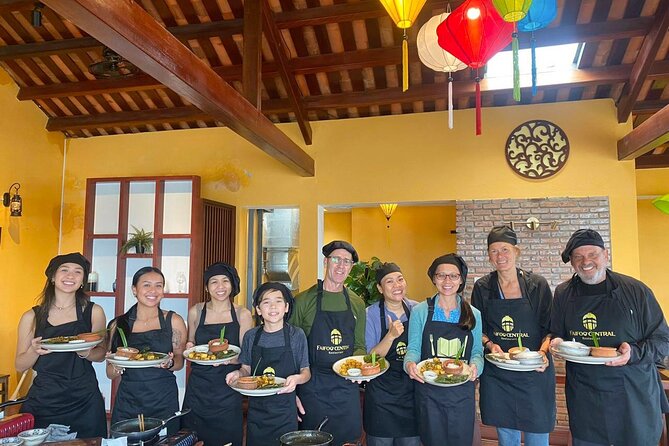
- Small group (up to 10), so you’re more likely to get real help while you’re cooking
- Two menu choices (non-vegan and vegan), so dietary needs are handled from the start
- Four dishes you cook yourself, plus lunch/dinner and dessert
- English guide/chef, so you’re not left guessing what you’re doing
- Welcome drink and another drink included, which makes the whole thing feel like an experience, not a lesson
Why Faifoo Central Works for a 2.5-Hour Cooking Fix in Hoi An
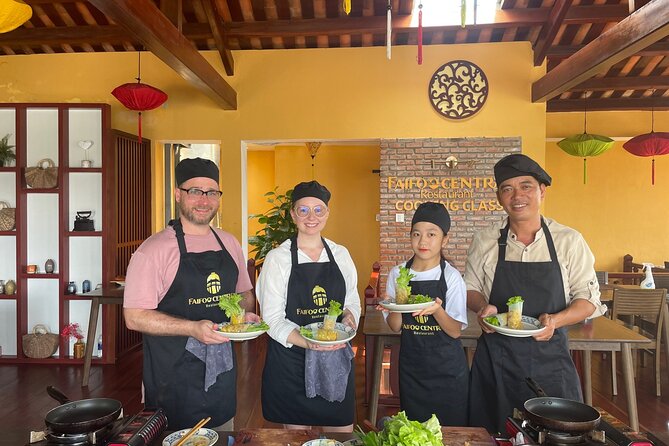
Hoi An has no shortage of food experiences, but many of them take time. This one is designed for speed without feeling cheap. The class runs for up to about 2 hours 30 minutes, and that matters because it fits neatly between sightseeing plans, beach time, or dinner reservations. You’re not stuck on a half-day schedule.
At $33, the value is in what’s included. You’re paying for a guided cooking session with an English-speaking chef/guide, plus the meal itself—lunch or dinner, a dessert, and drinks (including a welcome drink). If you were to eat that same meal at a casual restaurant, you’d still likely spend a similar amount or more, especially in tourist-heavy areas. Here, you get the added bonus of learning how to make it.
Also, this is a place built around sharing how the food is made. One chef-instructor described a family tradition of cooking across generations, which lines up with what you’ll feel during the class: the focus is on practical techniques and the logic behind ingredients, not on fancy presentations.
You can also read our reviews of more tours and experiences in Hoi An.
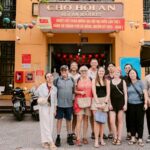
The Meeting Point, the Flow, and Why the Timing Feels Right
Your class starts at 57 Hoàng Diệu, Cẩm Châu, Hội An. The activity ends back at the meeting point, which keeps the logistics simple. You won’t need to figure out how to get to a different neighborhood after cooking—you handle it all in one go.
Timing is part of the design. After you meet (either at the meeting point or the cooking house, depending on how they run it), you get a welcome drink. Then you move into ingredient and cooking steps fast. The reason I like this structure is that you get in sync quickly. If you’ve ever shown up to a cooking class and spent the first 30 minutes just learning what tools are where, you know how draining that can feel. Here, you’re cooking within the session window.
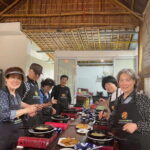
The experience is also capped at a maximum of 10 travelers, which makes a difference. Smaller groups usually mean less waiting for your turn, and more chances to ask questions while you’re actively cooking.
Vegan or Non-Vegan: Choosing the Menu Without Stress
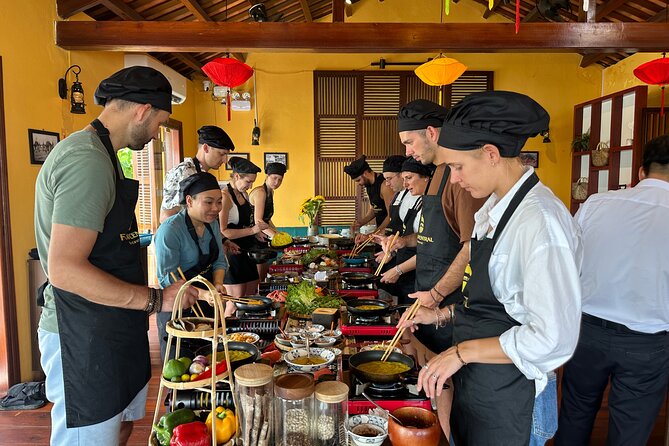
A big reason this class is appealing is that it gives you a real choice: a non-vegan menu or a vegan menu. This isn’t just a side salad swap. It’s framed as a menu option up front, so you can plan around your diet instead of hoping substitutions are available.
For you, that means two practical wins:
- You can book with more confidence if you eat vegan or you’re cooking for someone who does.
- You still get to participate fully, rather than feeling like you’re watching everyone else cook and eat something different.
If you’re flexible, you might choose the menu based on what you want to learn. Vegan classes often highlight how Vietnamese cuisine uses herbs, aromatics, and spice structure to build flavor without meat. Non-vegan options usually give you a broader look at how proteins are treated and seasoned. Either way, the goal stays the same: you cook four different local dishes and then enjoy what you made.
Meet the Chef: English Help, Humor, and Real Teaching
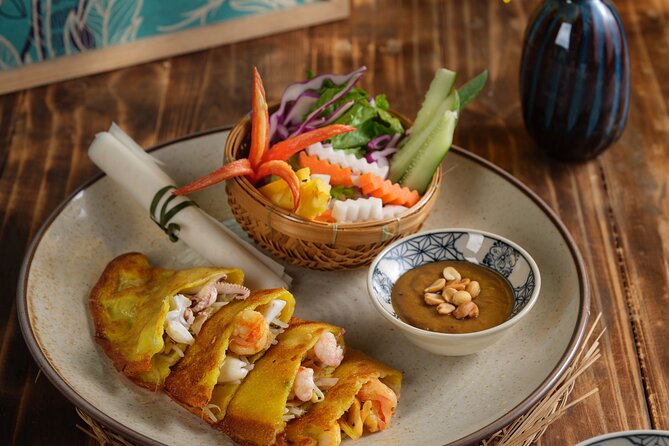
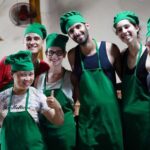
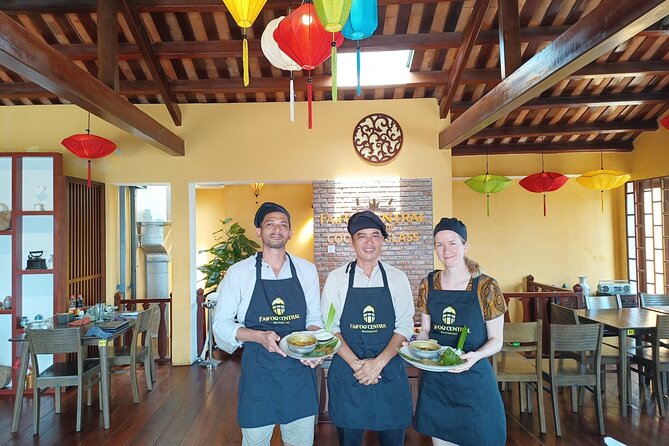
The class runs with a professional local chef and an English guide. In the best cooking classes, English instruction is only half the story; the other half is tone. Here, the vibe is friendly, with chefs who keep it light and explain things in a way that sticks.
Two chef/guide names stand out from people who did the class: Susan and Ngoc. Susan is praised for her skill and for passing down recipes, and Ngoc is noted for being informative—especially when it comes to local ingredients—while keeping the experience fun and laugh-friendly.
What that means for you during the session:
- You’ll likely get clear explanations of what each step is trying to achieve (taste, texture, aroma).
- You’ll feel comfortable asking questions, because the mood isn’t stiff.
- You’ll have a better chance of getting the timing right when you’re juggling multiple dishes.
From Welcome Drink to Four Dishes: What Your Hands-On Lesson Looks Like
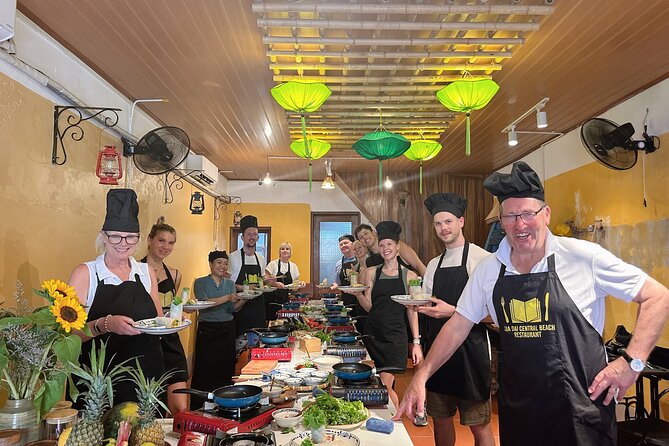
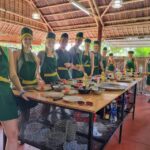
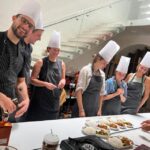
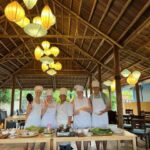
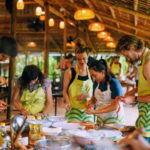
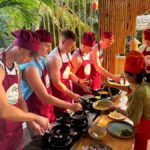
Once you’re underway, the structure is pretty straightforward. You’ll learn Vietnamese cuisine basics through cooking, and you’ll work on four different local dishes during the class.
Here’s what that typically feels like, step by step:
- Start with a welcome drink, then get orientated to the ingredients and tools.
- Cook each dish with guidance, not just instructions read at you.
- Taste as you go, so you can adjust seasoning and learn by doing.
- Finish with the meal you cooked—plus dessert.
The hands-on part is the big deal. Cooking classes that feel like entertainment still leave you helpless at home because you never fully learn the process. This one is built to teach you cooking skills and also a piece of everyday local life. That’s why people walk away feeling they can recreate flavors later, not just remember what something tasted like.
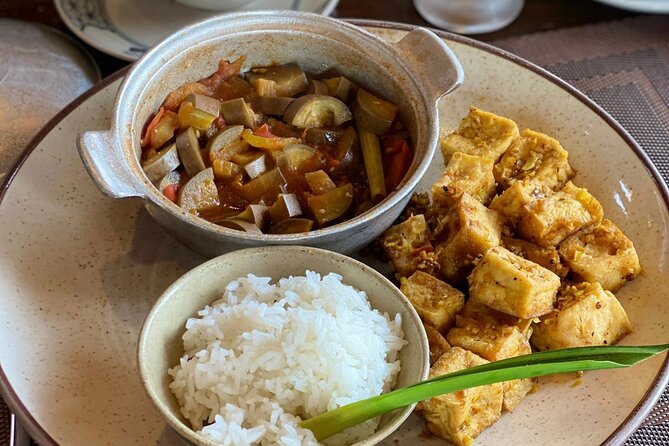
Also, you’re not stuck with a tiny portion. People have described the meal as plentiful—so much so that they didn’t want extra food later. Your class experience isn’t just a snack with activities; it’s meant to be a real lunch or dinner.
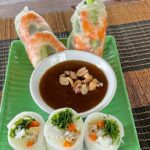
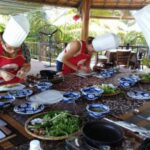
The Food You Make: Lunch/Dinner, Drinks, and Dessert Included
You’ll choose lunch or dinner based on your booking, and either way you’re covered. Included meals are:
- Lunch or dinner
- 1 drink (with options that include water, beer, or a soft drink, plus the welcome drink)
- Dessert
That drink setup matters more than you might think. After a cooking session, you’re usually tired and hungry in that good way. Having a drink included keeps you from having to “score a beverage” halfway through the day, which is one less logistical thing to manage.
One practical note: because you’re cooking and eating multiple dishes, plan your day around this meal. If you’re the type who always thinks you’ll just “grab a quick bite” afterward, you might not need it. The class is set up so you can leave with the meal done and digested.
What You’ll Learn That You Can Actually Use at Home
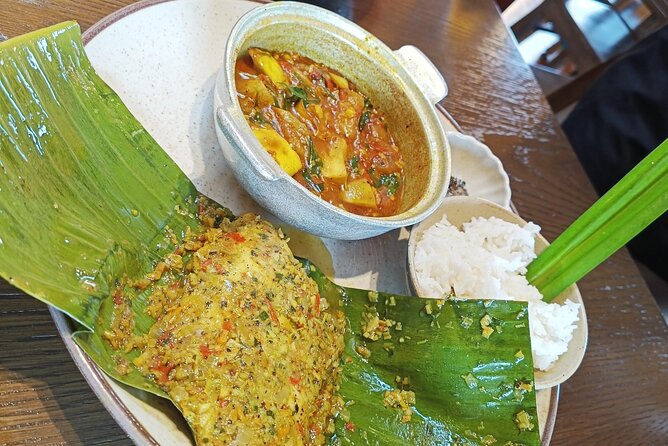
Most cooking classes teach you how to make one dish. This one is better because you learn a bundle: local dishes, cooking skills, and how Vietnamese cuisine thinks about ingredients and spice.
From a value standpoint, this matters because Vietnamese cooking is often about balancing:
- aromatics (the base flavor)
- seasoning and spice choices
- texture and timing
Even if you don’t recreate every exact step, you’ll come home with a framework. And the class specifically sets an expectation that you can offer recipes easily at home, which lines up with why people call it memorable.
If you want to make this translate into real home cooking, do a simple thing during the class: take mental notes on the sequence. What went in first, what got cooked down, when the seasoning happened, and how the dish changed after tasting. That’s where the skill is.
When the Chef Takes You Around Ingredients (And Why It Helps)
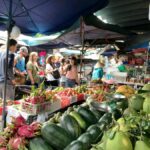
Some sessions include extra context around local ingredients. One guide, Ngoc, is described as being especially informative when touring around farms and markets. You should treat this as something that may happen depending on the session flow, but it’s still useful to know.
If you do get that kind of ingredient tour, it’s a smart upgrade. Cooking makes more sense when you see where ingredients come from. You’re not just learning “what to add,” you’re learning “why this ingredient fits here.” That’s the kind of understanding that makes future cooking easier.
Even without that extra tour, you still get a local-chef perspective on ingredients and spice. That’s still valuable, because it helps you buy the right things later—especially herbs and spice blends that are easy to mess up at home.
Small Group Energy: Up to 10 People Means Less Waiting
A maximum of 10 travelers is a sweet spot for a cooking class. In a tiny group, you might feel like you’re one-on-one with too many cooks hovering over you. In a big group, you lose your turn and spend too much time waiting.
Here, you’re more likely to:
- get help while you’re mid-step
- ask a follow-up question
- keep up with the pace
And if you’re the kind of person who learns faster by doing, the group size helps you keep momentum. When everyone is cooking, you don’t have that awkward lag where one dish waits and you just watch.
Price and Logistics: Is $33 a Fair Deal?
Let’s talk money in a way that actually helps you decide.
You’re paying $33 for:
- a cooking class designed for up to 2.5 hours
- English guide/chef
- cooking support while you make four local dishes
- lunch or dinner
- dessert
- drinks (welcome drink plus an additional drink)
Not included is private transportation, which is normal for many tours. What you can infer from that is that the class expects you to arrive on your own, likely using public transit or walking/taxi. The location is near public transportation, so you’re not signing up for a “remote” mission.
For value, the key point is that you’re not paying extra for the meal. Food is part of the product. If you’re hungry and you want the cooking instruction, $33 is a reasonable price point in Hoi An for an organized meal + lesson combo.
Practical Tips to Make the Most of Your Class
If you want this class to feel like a win (and not just a nice meal), do these:
- Come with an open mind about spices. Vietnamese dishes often use aromatics that can be unfamiliar if you don’t cook with fresh herbs.
- Pick the menu that matches your needs (vegan or non-vegan) so you can cook alongside everyone else.
- Stay present during the process. The learning is in timing and tasting, not just reading steps.
- Ask about substitutions if you cook at home. Even if exact ingredients aren’t available where you live, the logic behind the dish should help.
- Plan around eating. With lunch/dinner plus dessert, you may not want another heavy meal later.
Who Should Book This Express Cooking Class?
This is a strong fit if you:
- want a hands-on food activity without a full half-day commitment
- enjoy learning how recipes work, not only what they taste like
- have dietary needs and want vegan or non-vegan options built in
- like small group formats where you can actually participate
It’s also great for couples. Two-person classes can be great fun, but small groups like this often give you the social vibe of a group activity while still keeping attention on you.
Should You Book It?
I’d book this cooking class if you want a practical Vietnamese food lesson that ends with a real meal. The value is strong because you get instruction, multiple dishes, and the full lunch/dinner experience with dessert and drinks—without needing private transportation or complicated logistics.
I’d think twice only if you hate the idea of cooking during the activity. This class isn’t for spectators. If you want to watch and taste instead, you might prefer a different style of tour.
If you’re even a little food-curious and you’re okay with a fast, structured session, this is one of the most sensible things you can do in Hoi An with limited time.
FAQ
What is the duration of the Express Cooking Class?
The express class is designed to last up to about 2.5 hours.
Where does the class meet in Hoi An?
The meeting point is 57 Hoàng Diệu, Cẩm Châu, Hội An, Quảng Nam, Vietnam.
Does the class include lunch or dinner?
Yes. Your booking includes lunch or dinner depending on the option you select, along with dessert.
Is there a vegan option?
Yes. You can choose between a non-vegan menu or a vegan menu.
How many dishes will I cook?
You’ll cook four different local dishes.
What drinks are included?
You’ll receive a welcome drink and one additional drink, which can be water, beer, or a soft drink, depending on what’s offered in your session.
Is private transportation included?
No. Private transportation is not included.
What group size should I expect?
The experience has a maximum of 10 travelers.
What is the cancellation policy?
You can cancel for a full refund if you cancel at least 24 hours before the experience’s start time.
Is there an option to get a mobile ticket?
Yes. The class uses a mobile ticket.