REVIEW · GJIROKASTER
Cook Like a Local – Authentic Cooking Class in Gjirokastra
Book on GetYourGuide →Operated by Kalemi Travel & Tours · Bookable on GetYourGuide
A stone-bazaar kitchen in Gjirokastra feels special. You get hands-on cooking of southern Albanian classics in the Old Bazaar, plus a meal with local drinks. I also like that the host treats food like a story, not just a recipe, with family secrets and local ingredient know-how.
One watch-out: the setting is in old stone alleys and this class isn’t suitable for wheelchair users or people with mobility impairments.
For me, the best part is the combination of practical cooking and real context. You learn qifqi (herb-stuffed rice balls fried in a regional cast-iron mold) and osa me mish qengji (hand-rolled pasta with slow-cooked lamb), then sit down to eat what you made in a warm, shared atmosphere. It’s a short class—just 2 hours—so it’s more about getting comfortable than going deep.
In This Review
- Key Highlights You’ll Actually Care About
- Cooking in Gjirokastra’s Old Bazaar: The Setting Sets the Tone
- What You’ll Cook: Qifqi, Osa Me Mish Qengji, and a Seasonal Sweet
- Qifqi: Herb-Filled Rice Balls, Mold-Fried
- Osa me mish qengji: Hand-Rolled Pasta with Slow-Cooked Lamb
- Dessert: Seasonal Albanian Sweet, Depending on What’s Available
- More Than Recipes: The Stories Behind the Ingredients
- From Herbs to Cast Iron: The Skills You’ll Actually Use Again
- Working with Fresh Herbs and Local Spices
- Qifqi and the Cast-Iron Mold
- Pasta and Lamb Method
- The Shared Meal: Where the Class Becomes Real Living
- What’s Included with Lunch
- Price and Value at $73: What You’re Really Paying For
- Languages and Host Style: Getting the Most Out of the Instruction
- Who This Cooking Class Is Best For
- Tips Before You Go (So You Don’t Leave Frustrated)
- Should You Book This Cook Like a Local Class in Gjirokastra?
- FAQ
- How long is the Cook Like a Local cooking class?
- Where does the cooking class take place?
- What dishes will I learn to cook?
- Is lunch included?
- What drinks are included?
- What languages are available for the instructor?
- Will I receive anything to take home?
- Is it suitable for wheelchair users or people with mobility impairments?
- Can I cancel for a full refund?
Key Highlights You’ll Actually Care About
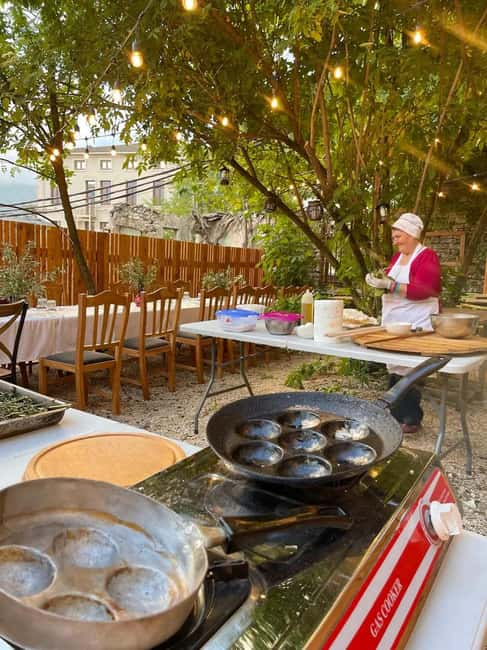
- Old Bazaar setting: cook in Gjirokastra’s UNESCO World Heritage Old Bazaar area.
- Two signature dishes: qifqi and osa me mish qengji, plus a seasonal dessert.
- Hands-on technique: you work with locally used herbs, spices, and a regional cast-iron mold for qifqi.
- Local storytelling: ingredients come with explanations about hospitality and how recipes survive across generations.
- Lunch + drinks included: you eat a full meal with tea or raki alongside your cooking.
- Take-home recipe cards: you get written recipes so the class follows you home.
Cooking in Gjirokastra’s Old Bazaar: The Setting Sets the Tone
Gjirokastra’s Old Bazaar is the kind of place where you quickly stop thinking about timing and start watching details. Cobblestones underfoot. Ottoman-era architecture around you. Narrow lanes that make the town feel like it’s still using old habits to get things done.
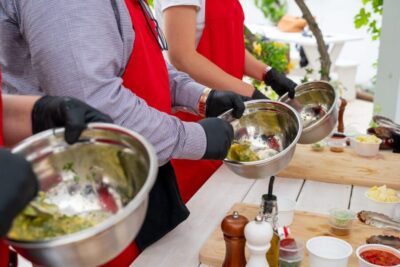
That matters for this experience, because the cooking class is set inside this atmosphere. You’re not doing a generic studio workshop. You’re in the historic layers of Gjirokastra, and the host uses that setting to frame what you’re cooking—why certain flavors show up together, why herbs and spices get treated like household treasures, and why a good meal is a social event, not just fuel.
I especially like that it’s described as a warm, authentic setting for both cooking and eating. That usually means the class rhythm is relaxed. You’re less likely to feel rushed, and more likely to ask practical questions while your hands are busy. And since one review mentioned it can feel very private, you should expect a more personal vibe than the big, assembly-line style classes.
You can also read our reviews of more tours and experiences in Gjirokaster.
What You’ll Cook: Qifqi, Osa Me Mish Qengji, and a Seasonal Sweet
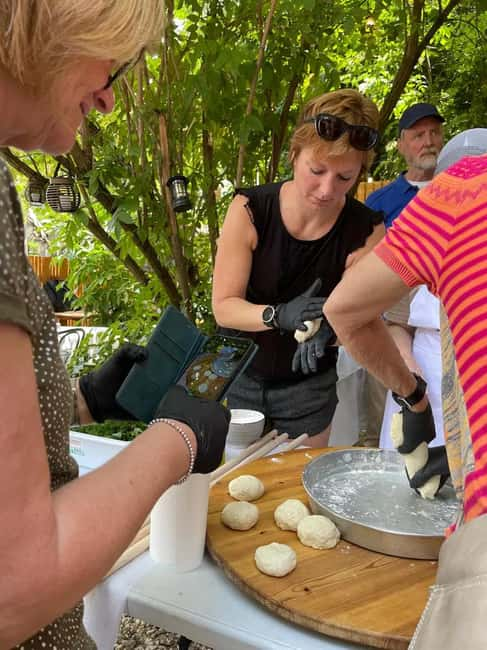
This class is built around two iconic dishes, plus dessert. In 2 hours, that’s ambitious—but it also keeps things focused. You’ll come away with enough skills to recreate a southern Albanian meal, not just a single snack.
Qifqi: Herb-Filled Rice Balls, Mold-Fried
Qifqi are savory rice balls flavored with fresh herbs such as mint and oregano. You’ll learn how to shape and prepare the mixture, then fry them using a traditional cast-iron mold unique to the region.
The mold detail is a big deal because it’s not just a novelty. Using the mold affects how the qifqi set, how they hold their shape, and how they crisp. If you’ve ever tried frying patties and had them turn into an edible mess, you’ll appreciate anything that increases consistency.
Practical takeaway for you: pay attention to texture while you work. The class is about doing, not just watching, so your best tool is your senses—how the mixture feels before frying, and what you’re looking for when the food starts to cook.
Osa me mish qengji: Hand-Rolled Pasta with Slow-Cooked Lamb
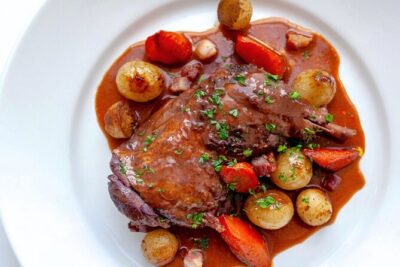
Then comes osa me mish qengji, a hearty dish built on hand-rolled pasta and slow-cooked lamb. Local spices season it in a way that reflects the mountainous flavors of southern Albania.
Even if you don’t become a pasta-making wizard in 2 hours, you’ll learn the core idea: how the dough comes together, what the lamb should be like after slow cooking, and how the seasoning supports the whole dish rather than competing with it.
Practical takeaway for you: think of this dish as comfort food with a structure. If your pasta texture is right, you’ll notice it immediately in the bite. If the lamb is seasoned well, the sauce tastes like it belongs together—even when you’re still learning.
Dessert: Seasonal Albanian Sweet, Depending on What’s Available
To finish, you’ll prepare a seasonal Albanian dessert. Depending on the time of year and available ingredients, it might be a fruit compote with local honey and nuts, or a traditional sweet like sheqerpare.
This is where the class feels realistic. Cooking with what’s actually in season is how local meals stay local. You’re not just learning “Albania dessert,” you’re learning how people adapt to the market and the calendar.
More Than Recipes: The Stories Behind the Ingredients
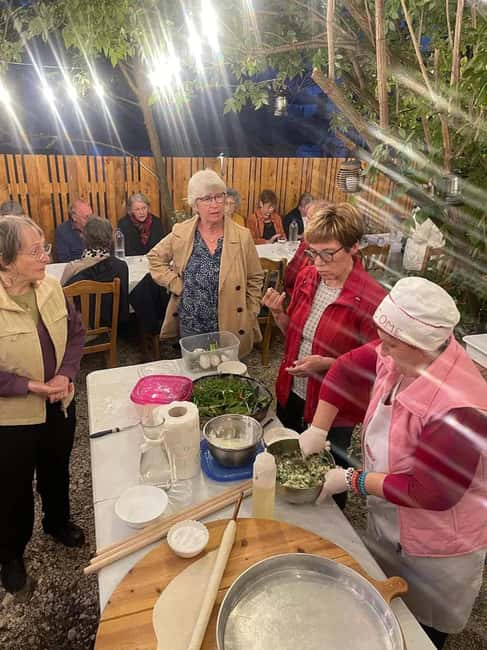
The host doesn’t just teach cooking steps. They explain why ingredients matter in Gjirokastra households. You’ll hear how certain ingredients carry meaning, how food fits Albanian hospitality, and how recipes get preserved inside families over generations.
You also learn about how herbs and spices are handled—dried, preserved, and blended so the flavors show up in winter months, long after fresh herbs are gone. That’s a key difference from many cooking classes abroad. A lot of workshops focus on the final dish. This one focuses on the ingredient logic that makes the dish taste right.
Here’s what that means for you in practical terms:
- You’ll understand what flavors to prioritize when you recreate the food later.
- You’ll know what’s doing the heavy lifting: herbs, spices, and method.
- You’ll be less likely to substitute blindly, because you’ll know what the original flavor job was.
And if you enjoy folklore and local storytelling, this format is a good match. The class uses those stories to connect hands-on technique with everyday life, so it doesn’t feel like you’re memorizing lines. It feels like you’re getting the household perspective.
From Herbs to Cast Iron: The Skills You’ll Actually Use Again
A lot of cooking classes stop at the point where your hands get messy. This one keeps going into method and the “why.”
Working with Fresh Herbs and Local Spices
You’ll handle locally sourced herbs and learn how they’re dried, preserved, and used. You’ll also work with spices as part of seasoning for the lamb-based dish.
This is valuable because seasoning is where many home cooks go wrong when they try to remake a meal later. You don’t just want ingredients. You want balance. Learning how the host thinks about herbs and spices helps you recreate that balance at home.
Qifqi and the Cast-Iron Mold
The qifqi are fried in a traditional cast-iron mold unique to the region. That one detail can change the whole cooking outcome, because it helps shape the rice balls and keeps them consistent as they fry.
Practical takeaway: if you want to cook qifqi again, your best long-term win is understanding the mold’s role. You’ll remember that step because it’s the most distinctive part of the dish.
Pasta and Lamb Method
With osa me mish qengji, you’ll work on hand-rolled pasta and slow-cooked lamb. Again, the value here isn’t only eating well during class. It’s learning a process: how time and tenderness create flavor, and how pasta texture affects the final dish.
The Shared Meal: Where the Class Becomes Real Living
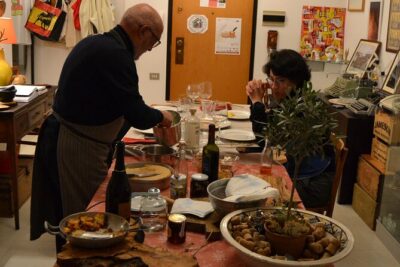
After you cook, you sit down for a communal meal in a cozy rustic setting. The description suggests a place like an old stone house or a family-run guesthouse tucked within the bazaar area, so expect a setting that feels lived-in.
And yes—you eat your own work. That’s one of the best parts of the experience because you can taste what you learned while it’s still fresh in your mind.
What’s Included with Lunch
Your meal includes:
- Pasta with lamb
- qifqi (rice balls)
- seasonal salad
- dessert
You also get drinks—tea or raki.
This is a practical point for you: you’re not paying $73 to watch someone cook and then have a small plate. You’re paying for a full meal tied to the cooking lesson. In places like this, that can be a better value than a lot of “food tours” that mostly snack and explain.
Price and Value at $73: What You’re Really Paying For
$73 per person for a 2-hour, hands-on cooking class is not the cheapest thing in Albania. But it’s not automatically overpriced either. Here’s how I’d judge value for this particular experience based on what you get.
You’re paying for:
- instruction in multiple languages (English, Italian, Greek, Albanian)
- hands-on practice with two main dishes plus dessert
- ingredients made into a full lunch, not just a demo bite
- drinks with the meal (tea or raki)
- recipe cards you can take home
The “value” isn’t just the food. It’s the combination of method + context. Cooking qifqi with the cast-iron mold and making lamb pasta with hand-rolled dough are skills you don’t get from a simple restaurant meal. If you’re the type of traveler who enjoys recreating trips at home, the recipe cards can add real usefulness.
Also, one review mentioned a very private cooking course and a friendly host. If your group ends up small, the $73 starts to feel more like a personalized experience than a group workshop price.
Languages and Host Style: Getting the Most Out of the Instruction
The class is taught with an instructor who speaks English, Italian, Greek, and Albanian. That’s helpful because cooking terms are easier to follow when you can understand the nuance, not just the basic steps.
I recommend choosing the language you’re most comfortable asking questions in. If you’re nervous about technique, language comfort matters. It helps you ask stuff like texture, timing, and seasoning. Cooking is picky that way.
And from what’s shared about the host experience—friendly and welcoming—you should expect a low-pressure vibe where you can participate without feeling like you’re on stage.
Who This Cooking Class Is Best For
This is a strong fit if you:
- want a practical food skill, not just a tasting
- enjoy local storytelling and cultural context around meals
- like hands-on activities where you leave with something tangible (recipe cards)
- want a lunch experience that feels connected to the town, not separate from it
It may be less ideal if:
- you need step-free access, since it’s not suitable for mobility impairments or wheelchair users
- you prefer ultra-long sessions (2 hours is meant to teach you the essentials, not turn you into a professional cook)
Tips Before You Go (So You Don’t Leave Frustrated)
Keep these simple and you’ll get more out of the time.
- Wear comfortable clothes and shoes you don’t mind getting a bit messy.
- If you’re excited about a specific dish, focus your questions there. You’ll remember it best.
- Eat before the class only lightly. You’ll be cooking and then eating what you made.
- If you drink tea or raki, pace yourself. This is a hands-on class, not a drinking contest.
- After the meal, use the recipe cards right away while the steps are still fresh in your head.
Should You Book This Cook Like a Local Class in Gjirokastra?
If you want an authentic, hands-on food experience in Gjirokastra’s historic Old Bazaar, I’d book it. The strongest reason is that you learn two real southern Albanian dishes with distinctive techniques—qifqi in a regional cast-iron mold and lamb pasta with hand-rolled dough—then you eat a full lunch with drinks and get recipe cards to recreate it later.
Skip it only if mobility access is an issue for you, or if you’re the kind of traveler who wants an all-day cooking retreat. This is compact by design. You’re here to learn enough to cook again, not to spend the whole afternoon perfecting one sauce.
If that style sounds like your idea of a great day, this class is a very solid value at $73—especially because the setting and the meal are tied together, not separated.
FAQ
How long is the Cook Like a Local cooking class?
It lasts 2 hours.
Where does the cooking class take place?
It takes place in the Gjirokaster District of Albania, in the Old Bazaar area.
What dishes will I learn to cook?
You’ll learn two traditional dishes: qifqi and osa me mish qengji, plus a seasonal Albanian dessert.
Is lunch included?
Yes. Lunch is included and includes pasta with lamb, qifqi, season salad, and dessert.
What drinks are included?
Tea or raki are included with the meal.
What languages are available for the instructor?
The instructor can teach in English, Italian, Greek, and Albanian.
Will I receive anything to take home?
Yes. You’ll receive recipe cards for everything you prepare.
Is it suitable for wheelchair users or people with mobility impairments?
No. It is not suitable for people with mobility impairments or wheelchair users.
Can I cancel for a full refund?
Yes. You can cancel up to 24 hours in advance for a full refund.