REVIEW · WESTERN CAPE
Authentic Private South African Cooking Class with Jolandi
Book on Viator →Operated by Traveling Spoon · Bookable on Viator
A stop that smells like garlic and spices beats any tour-bus lunch. In Jolandi’s countryside home near False Bay, you get hands-on South African cooking with stories behind the dishes, plus a local wine pairing that’s built for the food. The setup is personal and private, but plan on handling your own arrival since there’s no hotel pickup.
What I like most is the balance: you cook, then you sit down and talk. Another standout is that the class is framed as a visit into a home kitchen, not a commercial show, so the food feels lived-in and Cape-flavoured rather than staged. The one thing to consider is timing and logistics: the session is about 3 hours total and you meet at a specific location, so you’ll want to be punctual and prepared to drive yourself there.
In This Review
- Key Points Worth Booking for
- Inside Jolandi’s False Bay Home: Why the Setting Matters
- Your Host, Jolandi: Cape Malay Passion With a South African Backbone
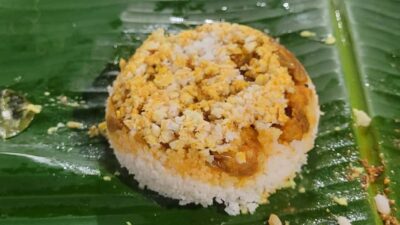
- What You’ll Cook: Traditional South African Dishes From Scratch
- The Cooking Lesson Portion: About 1.5 Hours of Real Work
- Food History as Part of the Meal, Not a Lecture
- Wine Pairings With Local Wines: How It Changes the Tasting
- Lunch vs Dinner: Choosing the Right Time Slot
- Meeting Point and Your Own Transport: Plan This Part Carefully
- What You Get at the End: More Than a Full Stomach
- Price and Value: Is $74 Per Person a Good Deal?
- Who Should Book Jolandi’s South African Cooking Class?
- Should You Book It or Skip It?
- FAQ
- How long is the cooking class?
- Is the experience private?
- Do I get wine with the meal?
- Can I choose lunch or dinner?
- What about vegetarian options or allergies?
- Where do I meet for the class?
- Is pickup and drop-off included?
Key Points Worth Booking for
- Private, home-kitchen format: you’re not watching from the sidelines; you’re working alongside Jolandi.
- Hands-on cooking for around 1.5 hours: enough time to actually learn techniques, not just sample.
- Food stories while you cook: you’ll hear how dishes connect to South Africa’s past, including origins like Bunny Chow during Apartheid.
- Wine pairings included: local South African wines are matched with what you’re eating.
- Seasonal menu flexibility: what you cook can shift with the season, and vegetarian options are available if you request them.
- Personalized takeaway: some guests receive a recipe and information booklet with dish origins and details.
Inside Jolandi’s False Bay Home: Why the Setting Matters
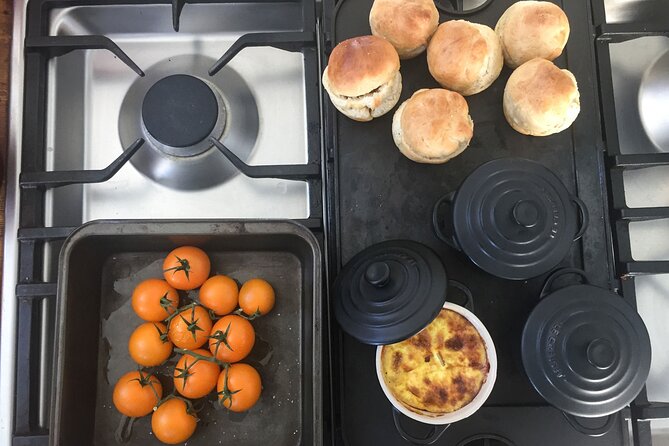
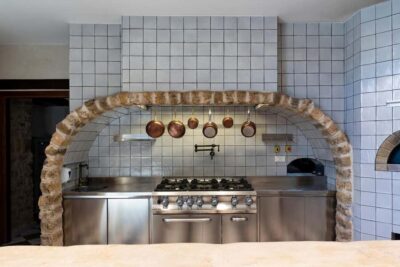
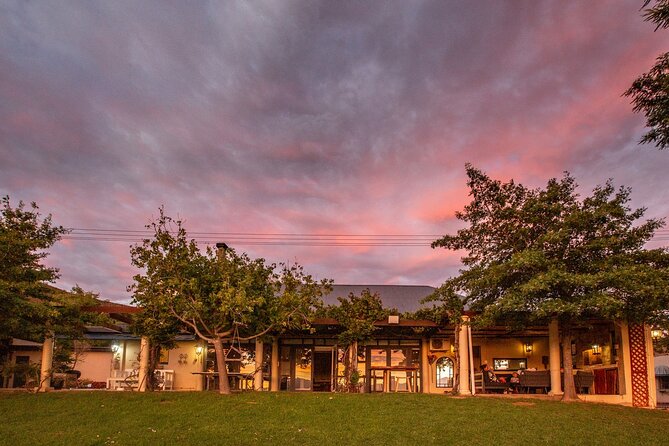
This is the kind of cooking class that starts before you touch a knife. You meet in the Western Cape countryside, in a home surrounded by mountains, vineyards, and wineries—so the day already feels tied to the place that produces the ingredients.
The most practical benefit of the setting is focus. In a quiet home environment, you’re less distracted than you would be in a restaurant kitchen that’s turning tables. It makes the teaching feel slower and clearer, the way you’d learn from a family member who cooks often and pays attention to texture, timing, and seasoning.
Also, the vibe is explicitly not commercial. This isn’t a one-size-fits-all “cooking demo” with a script. You’re there to meet Jolandi and share South African culture through food, which is exactly why the conversation after the meal is part of the experience rather than an awkward add-on.
Your Host, Jolandi: Cape Malay Passion With a South African Backbone
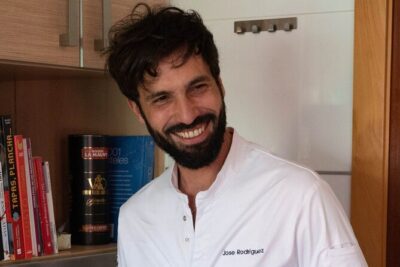
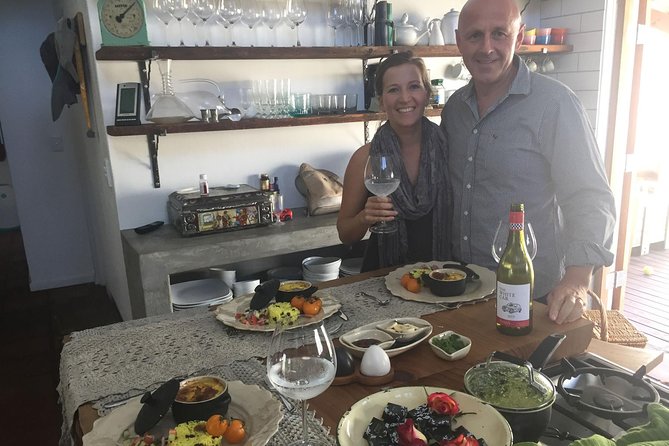
Jolandi is the center of the whole experience. She’s described as passionate about serving travelers authentic South African and Cape Malay cuisine, and you can feel that through how the class is explained and paced.
The teaching approach matters. Instead of only listing steps, Jolandi gives you cooking tips and techniques as you go, which is how you’ll remember them later when you try the dishes at home. And because she shares the history of what you’re eating—like the origins of Bunny Chow during Apartheid—you’re learning the “why,” not just the “how.”
From a practical traveler standpoint, that matters because it helps you understand ingredients. South African cuisine can surprise people who only know it through a few restaurant staples. When you learn how flavors were shaped by local produce and cultural influences, you’re better able to recreate the results, even with different store-bought ingredients back home.
What You’ll Cook: Traditional South African Dishes From Scratch
This class is built around making food from scratch using fresh ingredients. That’s not just a nice concept. In real cooking, fresh produce changes everything: aroma, sweetness, and the way sauces cling to meat or soak into bread.
Because the menu can vary depending on the season, you shouldn’t expect a single fixed menu every time. What you can count on is the core structure: you’ll help prepare traditional South African dishes, working through chopping, sizzing, stirring, and assembling.
Here’s what to aim for mentally while you cook. Watch for technique cues—things like when to adjust seasoning, how to handle texture, and how to balance flavour layers. You’re not just collecting recipes; you’re learning small decisions that turn a basic dish into something that tastes like the real thing.
Vegetarians aren’t left out either. A vegetarian option is available if you advise at booking, which is the key point: don’t wait until you arrive. If you have allergies or dietary restrictions, message early so Jolandi can plan the menu around you.
The Cooking Lesson Portion: About 1.5 Hours of Real Work
The hands-on portion is about 1.5 hours. That’s a sweet spot. You get enough time to build skills—knowing what it feels like when something is properly sautéed or when a sauce is ready—without feeling like the class is dragging on forever.
Expect the lesson to include both practical steps and explanation. Jolandi provides context while you cook, so you’ll be learning the dish and also learning what makes it culturally important. The pacing works best if you’re willing to ask questions as you go. If you’re the type who likes understanding, you’ll get a lot out of it.
One more helpful detail: you’re in a private setting with only your group. That means the pace is more flexible than in larger classes, where one or two people’s speed can force everyone else to follow along.
Food History as Part of the Meal, Not a Lecture
One of the most praised parts is the way Jolandi weaves stories into the cooking. You’ll get history tied directly to the dishes you’re preparing. For example, you might hear about the origins of Bunny Chow during Apartheid while you’re learning the dish.
This approach is genuinely useful, not just entertaining. When you understand where a dish came from, you pay attention to ingredients and method differently. You also stop seeing food as random. Instead, you start linking flavour to environment and culture.
If you like travel that has meaning beyond photos, this is where it clicks. The conversation and stories are part of the meal, and after cooking you’ll continue that talk over what you made. That’s what turns a cooking class into a cultural experience you can actually remember.
Wine Pairings With Local Wines: How It Changes the Tasting
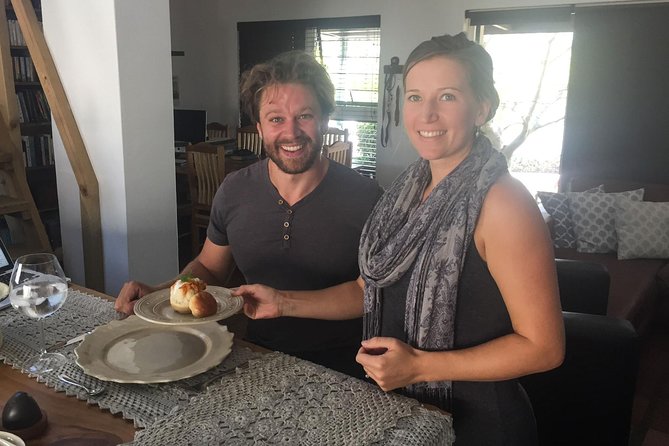
Yes, you’ll eat. And yes, you’ll cook. But the included wine pairing is a real highlight because it’s meant to match your courses.
South African wines can be surprisingly friendly at the table, especially when they’re paired thoughtfully with spice, herbs, and slow-cooked flavours. In this class, the wine pairing is done course-by-course while you’re eating, which helps you connect taste to the food you just made.
Practical tip: sip steadily, and pay attention to how the wine interacts with the dish before you move on. If you jump straight into full glasses without tasting slowly, you miss the point of the pairing.
Also, since the wines are local, the pairing feels less like an imported add-on and more like another window into the region. It’s a nice way to connect Western Cape agriculture to the plate.
Lunch vs Dinner: Choosing the Right Time Slot
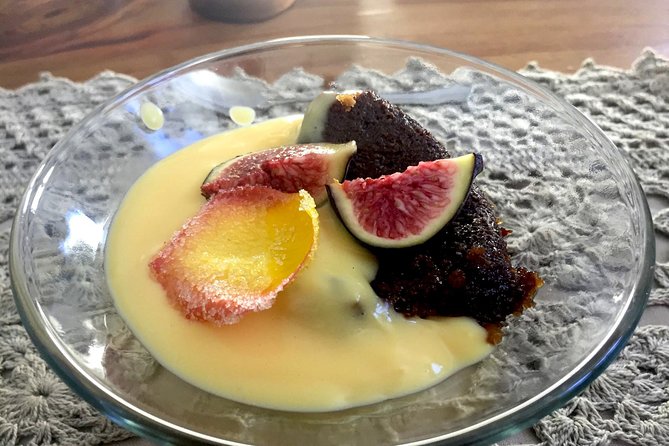
You can choose between a lunch or dinner cooking class. The main difference for most people is energy level and how you like your meal pacing.
A lunch class tends to suit visitors who want something earlier and then keep the rest of the afternoon free for vineyards or other nearby stops. A dinner class can feel more social and relaxed, with a longer chance to chat after the meal. Either way, the activity is about 3 hours total, with the hands-on cooking part making up around 1.5 hours.
If you’re planning a busy day, build in buffer time for driving to the meeting point and settling in. Since there’s no pickup and drop-off, your schedule needs to be realistic.
Meeting Point and Your Own Transport: Plan This Part Carefully
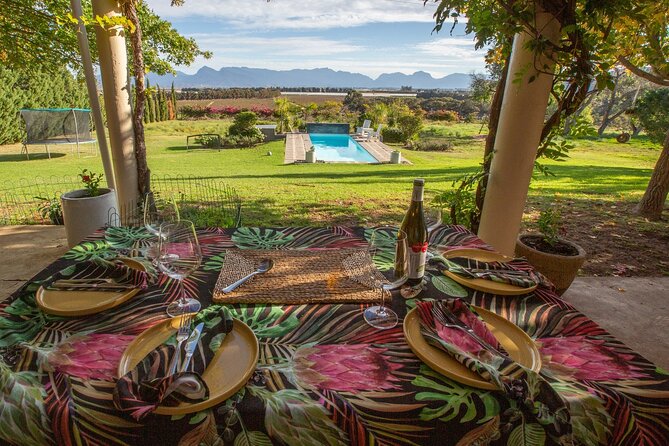
You’ll start at Die StalDie Teras, De Wet Rd, De Wet, Worcester, 6853, South Africa and end back at the meeting point. Hotel pickup isn’t included, so you’ll want a car or a reliable way to get yourself there.
This is one of the only friction points of the experience. The cooking part is smooth because it’s private and structured, but transport is fully on you. If you’re depending on rides, confirm timing early.
The upside is control. You can arrive when you want, settle in, and keep your day from getting chopped up by pickup windows.
What You Get at the End: More Than a Full Stomach
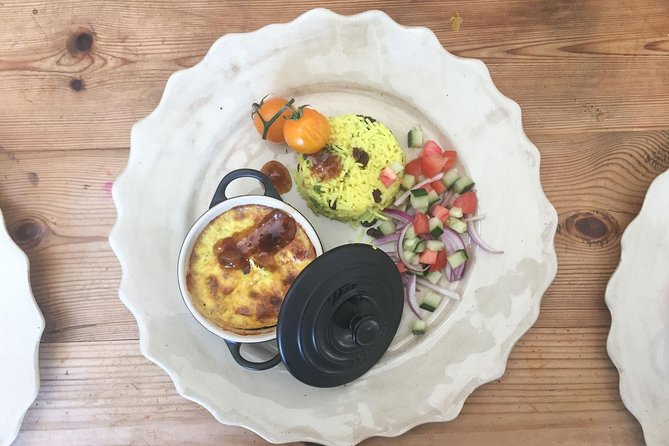
The meal itself is the payoff. You’ll sit down to enjoy South African dishes that are hard to find in restaurants, paired with wine and served in an engaging conversation setting with Jolandi and her family.
One of the nicest takeaways is the personalized element. Some guests describe receiving a personalized recipe and information booklet with details and origins of the dishes being served. Even if you don’t treat that booklet as a strict “follow this exactly” plan, it’s still useful for remembering key flavor components and technique cues.
If you like to cook after trips, this kind of takeaway is gold. It turns the experience from a one-time event into a skill you can use again.
Price and Value: Is $74 Per Person a Good Deal?
At $74 per person for about 3 hours, you’re paying for a private home experience plus food plus included wine pairings. That’s not just “a meal”—it’s cooking instruction, cultural context, and a hosted sit-down.
If you compare it to typical paid tastings or restaurant cooking events, the value sits in three places:
- Private group format: you’re not sharing the host’s attention with a crowd.
- Instruction, not performance: you help cook, and that’s the core of the cost.
- Wine pairings included: you’re not trying to guess what to drink or add it later.
So who is it great for? People who want more than a standard tour meal. If you’re already planning to spend time in the Western Cape and want one memorable, hands-on cultural experience, this pricing can make sense fast.
Who Should Book Jolandi’s South African Cooking Class?
This suits a very specific type of traveler: you want authenticity, you like a personal host, and you’re happy to spend a few hours in a home kitchen learning technique. If you enjoy Cape Malay and South African flavours, you’ll likely find the experience especially satisfying.
It’s also a strong pick for couples and small groups. The private format means the experience stays relaxed, and you get room to ask questions rather than watching from the back of a class.
If you’re traveling with dietary needs, it can still work well since vegetarian options are available and you can advise allergies or preferences at booking. Just be sure you communicate clearly ahead of time.
Should You Book It or Skip It?
Book it if you want one focused activity that blends cooking, culture, and wine in a private home setting. You’ll likely enjoy it most if you’re the kind of person who likes learning why dishes taste the way they do—like understanding the origins behind things such as Bunny Chow during Apartheid.
You might skip it if you’re looking for a strictly scheduled, high-energy group tour with lots of sightseeing stops. This is not that. It’s a home experience with cooking and conversation, and it rewards patience and curiosity.
If you do book, do two things early: plan your transport to the meeting point, and tell Jolandi about any dietary restrictions right away. Those two choices make the day smoother and help you get the best version of the menu.
FAQ
How long is the cooking class?
The experience is approximately 3 hours total. The hands-on South African cooking lesson is about 1.5 hours.
Is the experience private?
Yes. It’s a private tour/activity, and only your group participates.
Do I get wine with the meal?
Yes. The meal includes wine pairings with local South African wines.
Can I choose lunch or dinner?
Yes. There’s a choice of a lunch or dinner cookery class.
What about vegetarian options or allergies?
A vegetarian option is available, but you need to advise at booking. If anyone in your party has allergies, dietary restrictions, or cooking preferences, share that information at the time of booking.
Where do I meet for the class?
Start at Die StalDie Teras, De Wet Rd, De Wet, Worcester, 6853, South Africa.
Is pickup and drop-off included?
No. Hotel pickup and drop-off are not included. The activity ends back at the meeting point.