REVIEW · ALAPPUZHA
Alleppey Homely Cooking Class
Book on GetYourGuide →Operated by Kayalgram Kayaking and SUP Tours · Bookable on GetYourGuide
Kerala cooking hits different when it’s taught at home. This Alleppey class pairs a clear walk-through of ingredients with a cozy, family-style kitchen vibe. I especially like the way you learn the logic behind the flavors and spices, and how the meal lands as a real Kerala lunch or dinner with banana-leaf service. One thing to consider: it’s not set up for food allergies, so if you have to avoid ingredients, you’ll need to think twice or ask hard questions first.
You spend about three hours on traditional Kerala homely cooking, with an English-speaking host and plenty of time to chat while food happens. The most praised moments are the warm welcome at the home and the host’s ability to explain recipes clearly, plus the fact that spice levels are handled with care. Still, you may not leave with a neat recipe sheet or take-home setup, so plan to take your own notes while it’s cooking.
In This Review
- Key hits before you go
- A homely Alleppey kitchen: why this class feels authentic
- What’s on the menu: Kerala classics you’ll understand, not just taste
- How the 3 hours usually flow in a home class
- Banana-leaf dining and spice comfort: small details that matter
- Price and value at around $32: what you’re paying for
- Who should book this class (and who should skip)
- Quick tips to get the most from your Kerala cooking class
- Should you book Alleppey Homely Cooking Class?
- FAQ
- Where is the meeting point?
- How long does the cooking class last?
- What language is the host or greeter?
- What does the price include?
- Is pickup or transportation included?
- What dishes are served?
- Can I reserve and pay later?
- Is free cancellation available?
- Is the group private?
- Is it suitable for people with food allergies?
Key hits before you go
- A home kitchen setting, not a studio: you meet the host and family in a real Kerala household.
- English-speaking guidance throughout: you get ingredient explanations and cooking tips you can actually use later.
- Kerala dishes served with rice or appam: expect a multi-dish meal, not one finished plate.
- Spice-tolerance handling: the class can cater to different spice comfort levels.
- Banana-leaf dining: a traditional serving style that adds flavor and feels very Kerala.
- Tea and payasam to close the meal: strong spiced tea and a dessert worth making room for.
A homely Alleppey kitchen: why this class feels authentic
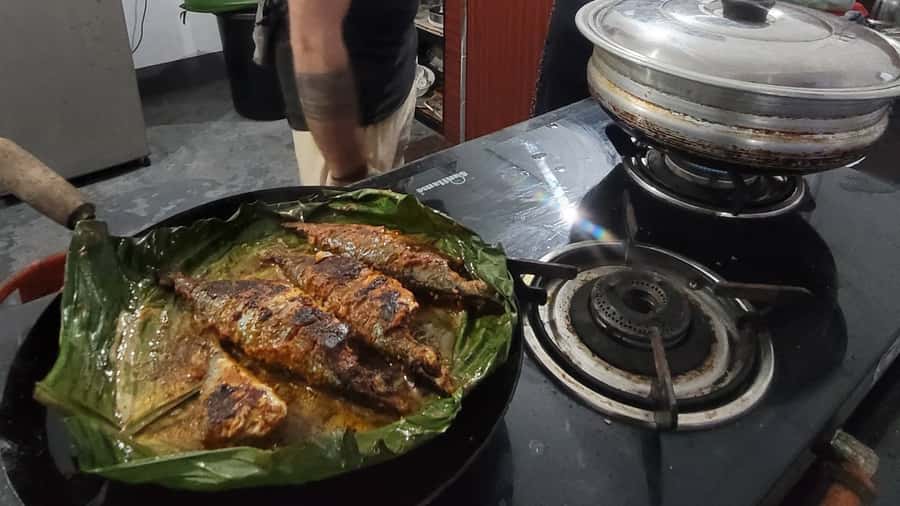
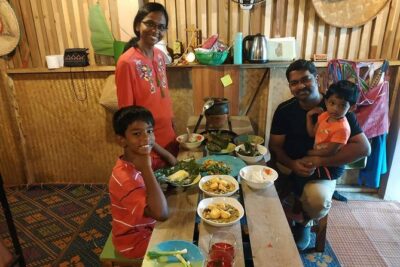
This cooking class is staged at a private home in Kerala, with the host and family living nearby long-term. That matters. Instead of watching food move through a production line, you get a slower pace where ingredients, techniques, and taste make sense in context—because this is how people actually cook and eat.
The vibe is intimate. It’s a private group, and in practice that means the host can answer your questions while you’re cooking and eating. In several experiences, the host Shilpa was highlighted as responsive and welcoming, and the class included time for real conversation about recipes and everyday life in Alleppey.
The bonus here is that learning isn’t only about steps. You also learn what to pay attention to: the role of coconut, how spices behave when toasted or mixed, and why tangy elements show up in Kerala curries. You’ll leave with more than a list of dishes—you’ll have a better sense of how Kerala flavor builds.
What’s on the menu: Kerala classics you’ll understand, not just taste
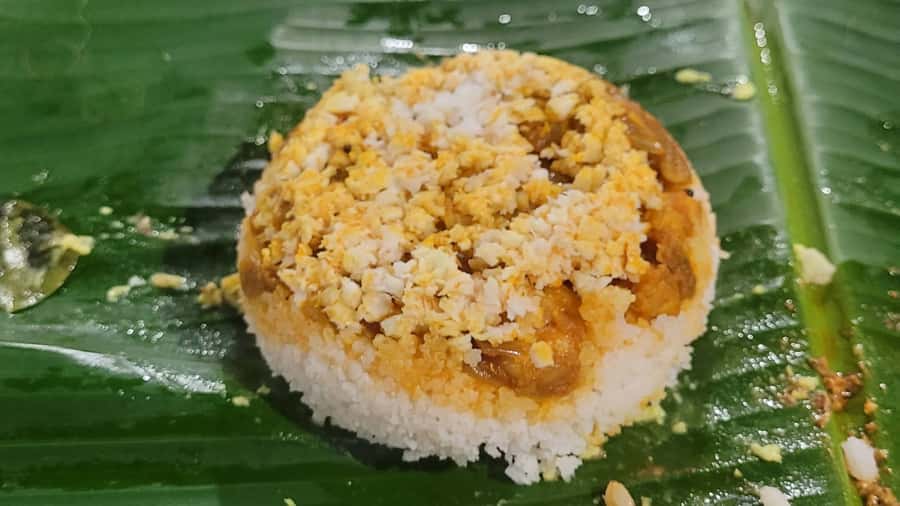
The meal is built around multiple traditional dishes, typically served with rice or appam. Here are the dishes you can expect to see in the cooking and the spread:
Fish Pollichathu
Fish is marinated with spices, wrapped in banana leaves, then grilled or steamed. The banana leaf does more than look pretty—it gives a distinct aroma to the fish.
Fish Curry
Kerala fish curries often rely on coconut milk plus a spice blend. For tang, you’ll usually see tamarind or raw mango involved, and that’s part of what makes the curry taste distinctly Kerala rather than just “curry.”
Prawns Puttu
This one combines ground prawns, grated coconut, and spices. It’s typically steamed in bamboo shoots or cylindrical molds, creating a recognizable shape and texture.
Avial
A mixed vegetable dish cooked with coconut and yogurt, seasoned with coconut oil and curry leaves. Expect a mild, slightly tangy profile.
Thoran
A dry vegetable dish made with grated coconut and vegetables like beans, cabbage, or carrots. Mustard seeds and curry leaves are key flavors here.
Pickle
Pickles are not a side afterthought in Kerala. Mango pickle and lime pickle are common, and they bring salty, sour, and spicy contrast to the meal.
Papad / Papadam
Thin and crispy. It’s often made with rice flour in Kerala, giving a crunch that balances the softer curries and rice.
Payasam (Ada Pradhaman variation possible)
A creamy sweet dessert made with milk and sugar, sometimes jaggery. You may see cardamom, saffron, or nuts, and one famous variation is ada pradhaman, using rice flakes and jaggery.
Tea
Kerala tea is strong and flavored with spices like cardamom and ginger, served with milk and sugar.
You’ll notice something: the menu isn’t one-note. It moves from spicy and tangy to mild and creamy, then ends with sweet. That range is a smart way to learn because you taste how Kerala balances elements—salt, sour, heat, coconut richness—across different dishes.
How the 3 hours usually flow in a home class
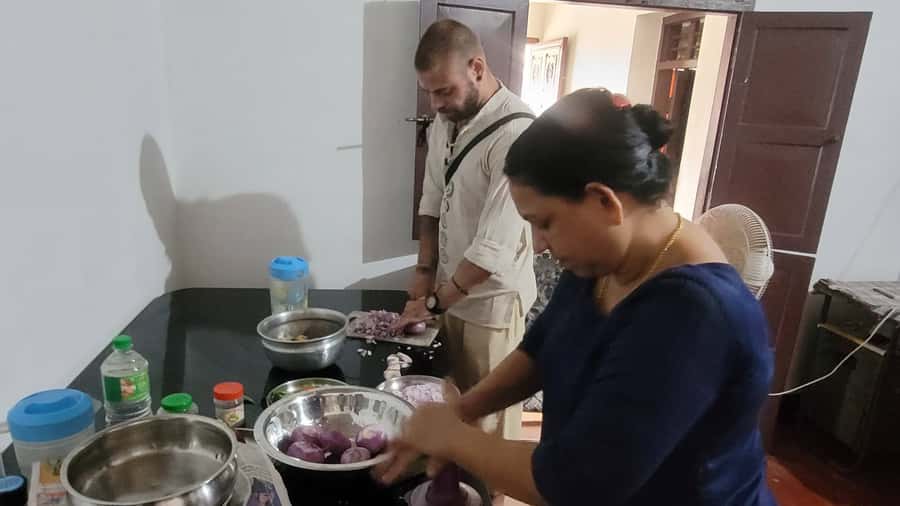
The class runs for about three hours. The exact order can vary, but the structure you’ll feel is consistent: ingredient orientation, cooking in stages, and then eating together once the dishes are ready.
First, you’ll get an intro to ingredients used in Kerala cuisine—especially coconut, curry leaves, mustard seeds, tamarind or raw mango (for tang in curries), and spice blends. This is where you learn the “why” behind the food. Instead of memorizing steps, you start understanding which flavors are doing the job.
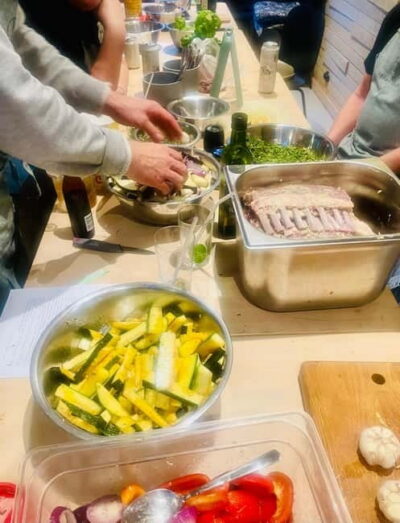
Next comes learning traditional Kerala homely cooking: how dishes are assembled, how they’re cooked, and how they’re timed so everything finishes around the same meal schedule. Many cooks get excited about one technique or ingredient, and this class gives you more chances than you might expect—especially around coconut use.
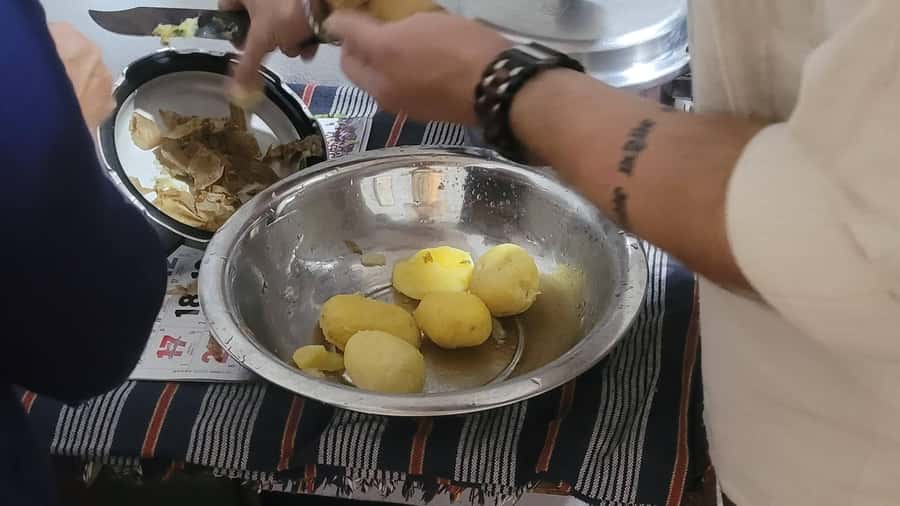
Then you eat. The experience includes a lunch or dinner and tea, served in a traditional style on banana leaves. That’s not just presentation. It’s part of how the meal feels like a real Kerala sit-down, with dishes meant to be mixed and balanced on the plate.
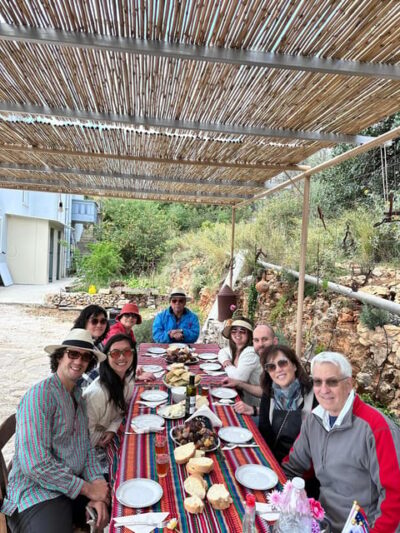
One practical point: this is a private group, so you’re not packed into a big crowd. You’ll likely have time to ask questions and adjust to how the host explains things.
Banana-leaf dining and spice comfort: small details that matter
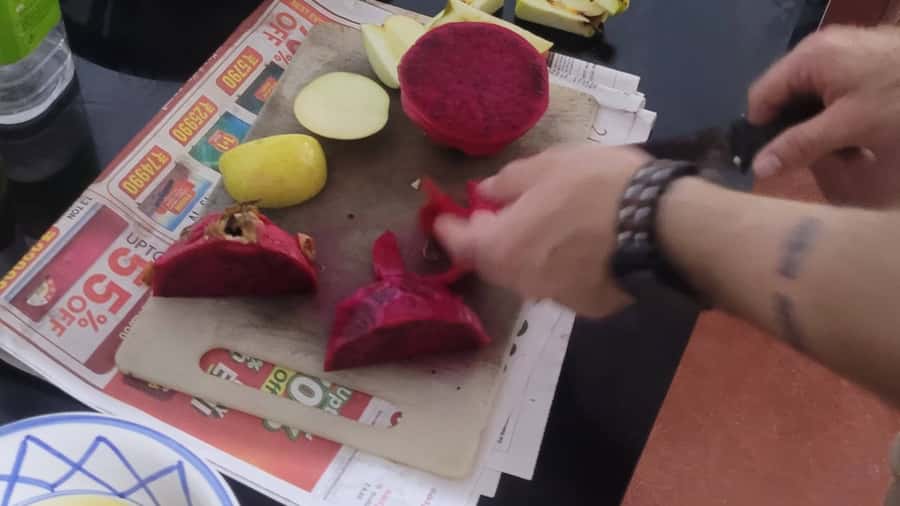
Banana-leaf service is a standout feature. Even if you think you already know fish and curry, wrapping fish in banana leaf (pollichathu) and then eating the meal traditionally changes the experience. It adds aroma and makes the food feel more Kerala at every bite.
Another highly praised element is spice tolerance. Kerala food can be bold, but this class is designed to be comfortable for different spice levels. You’re not stuck with one “standard” heat level. If you’re sensitive, you can plan to communicate your preference.
I also like that the class doesn’t treat tea as an afterthought. Spiced tea with milk and sugar is a strong comfort finish between savory dishes and dessert. It’s also a useful taste lesson: Kerala isn’t only about curries. It’s about how flavors show up across the day.
And yes, dessert is a highlight. Payasam closes things out with creamy sweetness, and several people emphasize that you should make room for it.
Price and value at around $32: what you’re paying for
At about $32 per person for a 3-hour class, you’re paying for two things you won’t get from a quick tasting: time and context. You’re not just sampling a few bites. You’re learning ingredients, technique, and the structure of a Kerala meal, then you sit down to eat what you cooked as part of the family rhythm.
This price also covers lunch or dinner and tea, plus an English-speaking host and the cooking instruction itself. That’s the core value: you’re effectively buying a guided cooking experience plus a full meal, all together.
What’s not included is transportation or pickup. So if you’re staying farther away, you’ll need your own plan to get there and back. That’s the main “hidden cost” to think about before you book.
If you’re hoping for take-home recipes, be aware. One experience noted they would have appreciated having recipes or an ingredient list to add value. I’d treat that as a practical question to ask early: will you get recipes, notes, or ingredient guidance you can use later? Bring a notepad either way.
Who should book this class (and who should skip)
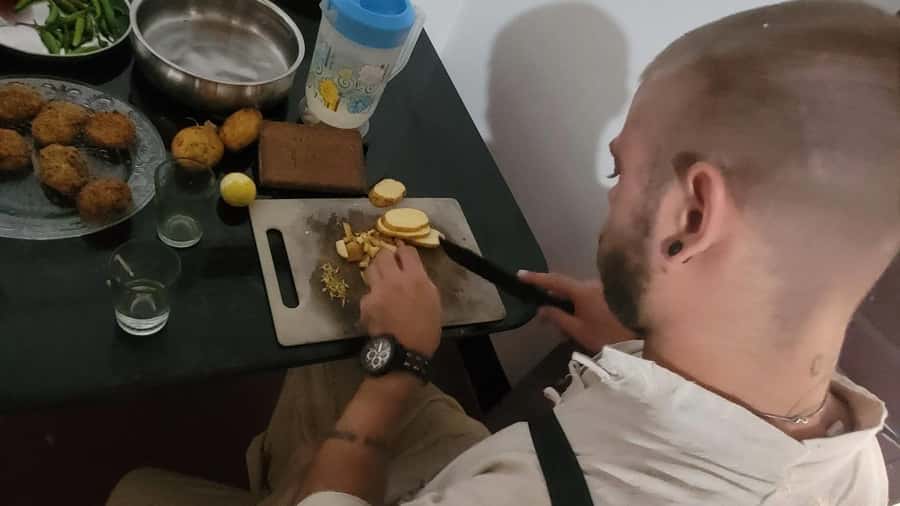
This class is best for you if you want hands-on learning and a meal that feels connected to everyday Kerala cooking. It’s also a great fit if you like food conversation—this experience tends to include lots of talking while recipes are being explained and cooked.
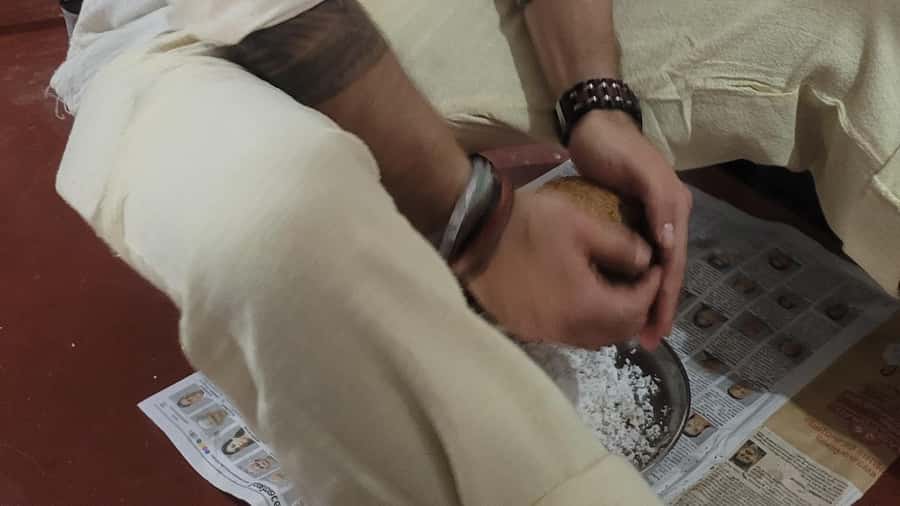
You’ll especially enjoy it if you’re the kind of traveler who likes practical technique. One highlight from a UK chef in the group was the chance to see tools and processes, like the coconut grater, that many people don’t encounter at home.
Who should skip or reconsider:
- If you have food allergies, the class is not suitable based on the provided info. That’s not the kind of risk you should bargain with.
- If you want a strict classroom format with fixed recipes handed out, you might find the experience more home-style and flexible than paperwork-heavy.
Quick tips to get the most from your Kerala cooking class
A few small moves will make this class smoother and more useful:
- Take notes. You’ll remember the taste, but the notes help you recreate it later.
- Ask about spice level early. If you like mild or medium, say so.
- Expect a full meal, not just tasting. Your lunch or dinner is part of the plan.
- Bring curiosity, not just hunger. The ingredient explanations and family stories are part of the point.
Also, plan around the rules: alcohol and drugs are not allowed. Keep the vibe straightforward and focus on the cooking.
Should you book Alleppey Homely Cooking Class?
If you want a real Kerala home-cooking experience in Alleppey with English guidance, a multi-dish meal, tea, and a strong chance of learning how flavors work together, this is a very solid bet for the price. The top reasons people rate it highly are the warmth of the welcome, the clarity of explanation, and the banana-leaf dining plus dessert finish.
I’d book it when you can handle a home setting and you’re comfortable asking for what you need (especially on spice comfort). I’d think twice if you have allergies, because the experience isn’t designed for allergy-safe cooking. If your main goal is printed recipes and take-home everything, message the host ahead of time and confirm what they can provide.
FAQ
Where is the meeting point?
The class meets at the host’s home in Kerala, with the host’s parents and relatives nearby.
How long does the cooking class last?
It lasts about 3 hours.
What language is the host or greeter?
The host is English-speaking.
What does the price include?
It includes the Kerala cuisine cooking class, lunch or dinner, and tea.
Is pickup or transportation included?
No, pickup or transportation is not included.
What dishes are served?
You can expect a mix of Kerala dishes such as fish pollichathu, fish curry, prawns puttu, avial, thoran, pickle, papad, payasam, and tea.
Can I reserve and pay later?
Yes. You can reserve now and pay later.
Is free cancellation available?
Yes. You can cancel up to 24 hours in advance for a full refund.
Is the group private?
Yes, it’s a private group.
Is it suitable for people with food allergies?
No. The experience is not suitable for people with food allergies.