REVIEW · ANTALYA
Antalya: Kunefe Cooking Class with Local Chef in Old Town
Book on GetYourGuide →Operated by Antalya Workshops Experiences · Bookable on GetYourGuide
Crispy cheese, syrup, and real technique. This kunefe cooking class in central old-town Antalya teaches you how to build that signature crunch while keeping the inside soft, and I like the small-group setup where the chef can keep an eye on your hands.
One heads-up: it’s genuinely hands-on in a cozy kitchen, so if you want a totally hands-off demo (or you hate working around warm trays and sticky ingredients), you may find it a bit more active than you expected.
In This Review
- Kunefe Cooking Class in Old Town Antalya: What Makes It Fun
- First Cup of Tea in the Kitchen: How the Class Starts
- The Kunefe Background You Need Before You Cook
- Ingredients Workshop: Kadayıf, Cheese, Terayağı, Syrup
- Kadayıf: The Crispy Foundation
- Cheese: What It Does and How to Substitute
- Terayağı (Clarified Butter)
- Homemade Syrup
- Hands-On Kunefe Build: Buttering, Layering, and Timing
- The sticky truth (in a good way)
- Heat control matters
- Cooking on the Traditional Round Tray: Your Main Skill to Take Home
- Syrup Soak and Pistachio Finish: Where It Becomes Kunefe
- Tea and Cultural Exchange: The Social Part That’s Not Forced
- Price and Value: Is $65 Worth 1.5 Hours?
- Logistics That Matter: Location, Timing, and What’s Not Included
- Who This Kunefe Class Is Best For (and Who Should Skip It)
- Final Call: Should You Book This Antalya Kunefe Class?
- FAQ
- How long is the Antalya kunefe cooking class?
- What does the class cost?
- Where does the class take place?
- Is transportation included?
- How large is the group?
- What languages are used during the class?
- What is included in the experience?
- Are children allowed?
- Is alcohol allowed during the workshop?
Kunefe Cooking Class in Old Town Antalya: What Makes It Fun
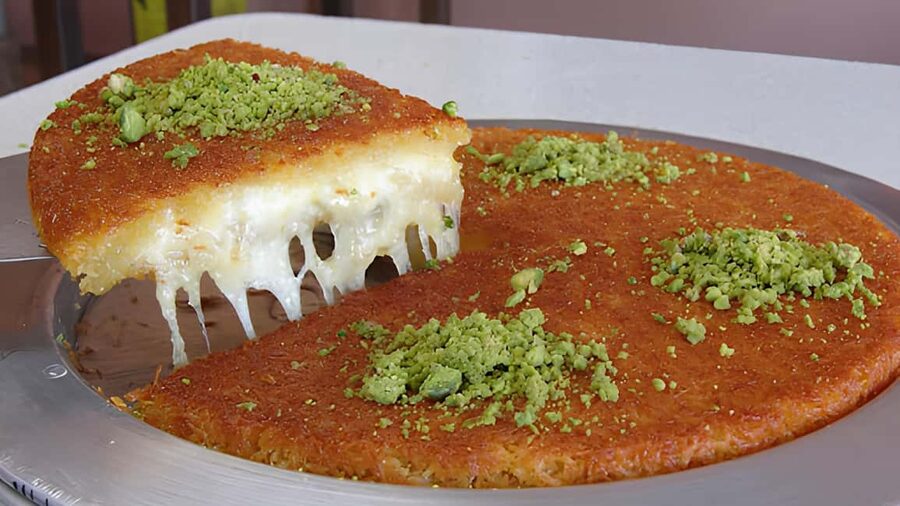
Kunefe is one of those desserts that sounds simple until you try making it. The magic is in the details: layering kadayıf so it crisps, choosing the right cheese texture, and getting the syrup timing right so it’s soaked but not soggy. This class centers on exactly that.
You start with a traditional Turkish tea and a short intro from a local host with teaching experience in sweets. Then you move straight into technique—how to prep the kadayıf, how to cook on a traditional round tray over low flame, and how to finish with warm syrup and pistachios. You don’t just taste dessert; you learn how the texture gets made.
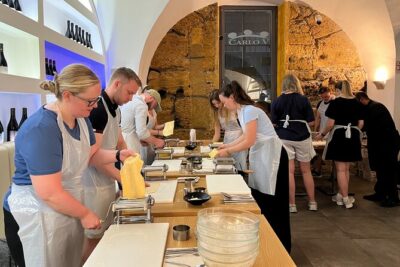
The whole experience is built for a small group of up to 6. That matters. In a bigger class, you’re mostly watching. Here, you’re doing—and if something’s off, you can get corrected before your tray goes into the chaos zone.
First Cup of Tea in the Kitchen: How the Class Starts
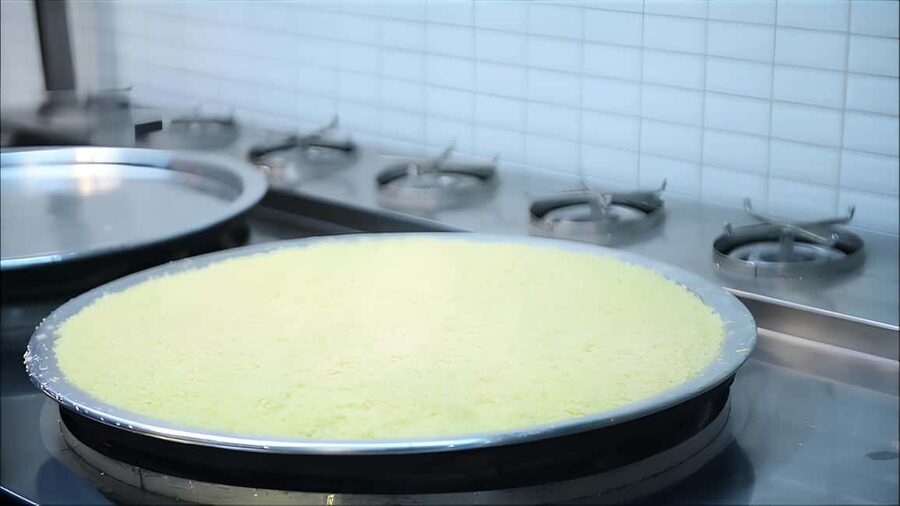
Your session begins in a cozy kitchen in central old-town Antalya. The atmosphere is the kind you associate with home cooking: warm, close, and focused. You’ll be greeted with Turkish tea, then introduced to kunefe in a way that actually gives you context while you’re still fresh.
What makes this opening phase useful is that it sets expectations for the whole dessert. The host gives a quick background on kunefe’s origins, how it can vary by region, and why it matters in Turkish food culture. Even if you don’t know anything about Turkish desserts, you’ll leave with a clearer picture of what you’re making and why different versions exist.
Then you get down to the practical stuff: you learn the key components before you touch the ingredients.
You can also read our reviews of more tours and experiences in Antalya.
The Kunefe Background You Need Before You Cook
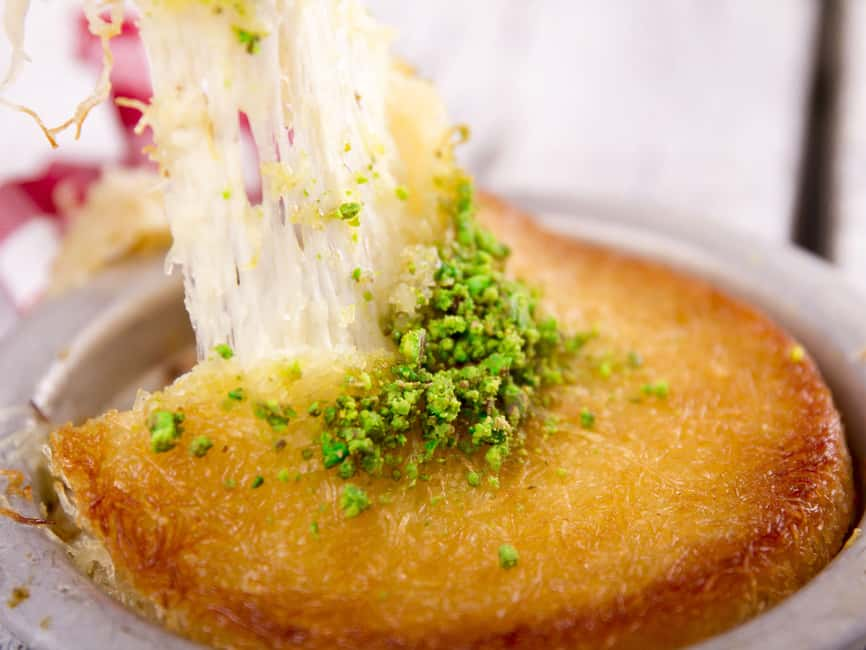
Kunefe is traditionally made with kadayıf and cheese, finished with clarified butter and syrup. But the class doesn’t treat it like a frozen recipe. You’ll get a short lesson on origins and the idea that regional differences exist—especially in how people handle the ingredients and textures.
Why that matters: if you understand what the dessert is supposed to do (crispy outside, soft inside, syrup that complements rather than drowns), it’s easier to troubleshoot while cooking. You’ll know what to aim for when you’re trying to rotate the tray and manage low flame.
This portion also helps you avoid the common at-home mistake of treating kunefe like cake. It’s not. It’s technique-driven, and the class explains the logic behind the steps rather than just tossing out a list of actions.
Ingredients Workshop: Kadayıf, Cheese, Terayağı, Syrup
This is the part I’d tell you not to rush. The class focuses on essential ingredients and what each one contributes to the final texture.
Kadayıf: The Crispy Foundation
You learn about high-quality kadayıf, the shredded pastry that becomes the crunchy shell. The key lesson is how you butter and layer it. The goal isn’t just to cover the tray—it’s to distribute fat so the strands crisp evenly.
Cheese: What It Does and How to Substitute
Kunefe’s personality comes from the cheese. The class talks about the right type of cheese and, importantly, how to substitute it outside Turkey. That’s a real-world teaching point. If you’ve ever tried to recreate Turkish sweets abroad, you know ingredient availability can be a problem. Here, you get a plan for what to do when the exact cheese isn’t easy to find.
Terayağı (Clarified Butter)
You’re also guided on clarified butter (tereyağı). Since it’s clarified, it behaves differently than regular butter. In kunefe, that difference is part of how you get crispness without making the pastry greasy.
Homemade Syrup
Finally, you work with homemade syrup. You’re not just told to pour syrup at random. You’ll learn about soaking the kunefe with warm syrup after cooking, which is when the texture shift happens—crispy edges stay crisp-ish, while the interior becomes tender and gooey.
If you care about getting results, this ingredient phase is where the class earns its value. It turns a dessert from a “try once” project into something you can understand and repeat.
Hands-On Kunefe Build: Buttering, Layering, and Timing
Once the ingredients are explained, you start cooking—no long observation period, no sitting on the sidelines while everyone else works.
You’ll be guided through how to properly butter and layer the kadayıf. The technique is about distribution: enough fat to crisp and bind the strands, but not so much that the structure collapses.
Then you add the cheese and continue the layering so the dessert holds together. The class emphasizes the goal you should be chasing while you build: crispy outer texture with a soft, cheesy inside.
The sticky truth (in a good way)
Kadayıf can feel delicate, and it’s easy to pack it too tightly or unevenly. In a class of 6, that’s exactly where a chef’s eye helps. If you’re uneven, they can show you how to adjust before cooking starts.
Heat control matters
You cook on a traditional round tray over a low flame. That style of cooking trains you to think like a stovetop operator: rotate, control heat, and watch how the top browns. You’ll get guidance on how to achieve even cooking—this is where your kunefe can go from good to great.
Cooking on the Traditional Round Tray: Your Main Skill to Take Home
This is the core “why this class exists” moment. A lot of food lessons end at prep. Here you actually cook on the method that shapes the dessert.
You’ll learn how to:
- cook over low flame for controlled browning
- rotate the round tray for even results
- manage the balance between crisping the kadayıf and melting/settling the cheese
The traditional tray cooking technique teaches patience. If you crank up heat, you’ll risk uneven browning and a stressed structure. If you keep it too low, you lose crispness. The class gives you the guidance so you can aim for that sweet spot.
And because the group is small, you’re not just watching someone else. You’re learning the timing in real time.
Syrup Soak and Pistachio Finish: Where It Becomes Kunefe
After cooking, the dessert changes quickly—this is the moment where the class earns its “eat what you made” payoff.
You soak the cooked kunefe with warm syrup, then top it with pistachios. The warm syrup step is key. It helps the flavors spread and brings that characteristic soft interior without turning the whole tray into a wet mess.
Then you sit down to enjoy your kunefe, served with tea and conversation. That last part matters more than it sounds. It turns cooking into a cultural moment: you get to taste the result of your own technique, then talk with the host about what worked and what to watch for next time.
If you’re the type who likes understanding food, this sit-down portion is also where you can ask practical questions.
Tea and Cultural Exchange: The Social Part That’s Not Forced
This experience is built around cultural exchange, and it doesn’t feel like a scripted lecture. You get a Turkish tea at the start and then again with your final plate. The host’s explanations are framed around how Turkish sweets are made and understood.
From what you’ll be guided through, the conversation naturally ties into:
- why regional versions exist
- how ingredients influence texture
- how kunefe fits into Turkish culinary culture
I also like that it’s conversation-focused without turning into a performance. You get food, technique, and context together. It’s a simple formula, but it works—especially if you want your meal education to feel human.
Price and Value: Is $65 Worth 1.5 Hours?
At $65 per person for about 1.5 hours, you’re paying for a guided, hands-on cooking session plus ingredients and a sit-down tasting with tea. That’s not cheap, but it’s also not “just watch a show” pricing.
Here’s where the value comes from:
- Small group limit (up to 6) means more attention and less waiting.
- You get instruction on multiple components—kadayıf prep, cheese choice/substitution, clarified butter, syrup soaking, and tray cooking.
- You finish with the dessert you made, plus tea and conversation—so you’re not leaving hungry or empty-handed.
- The class includes guidance about ingredients outside Turkey, which is the kind of practical detail that helps you recreate the result later.
If your goal is to learn technique (not just taste), this price starts to make sense. If you’re only looking for a quick sugary snack, you may find it pricier than you expected.
Logistics That Matter: Location, Timing, and What’s Not Included
The workshop takes place in a cozy kitchen in central old-town Antalya. That’s convenient for being in the historic core, but it also means you should plan to get there on your own. Transportation to the workshop is not included, so factor in your local transit time or taxi plan.
The session lasts 1.5 hours. Starting times depend on availability, so it’s smart to check what fits your day before you commit.
Language-wise, the instructor communicates in English and Turkish, which keeps things accessible even if you’re not speaking Turkish.
Also note a rule you’ll follow: alcohol and drugs are not allowed in the experience. That keeps the class focused on cooking and tasting.
Who This Kunefe Class Is Best For (and Who Should Skip It)
This is a strong fit if you:
- like learning food technique you can repeat later
- want a Turkish cultural experience centered on a real local dessert
- enjoy hands-on cooking more than watching demos
- appreciate small-group instruction
It may not be a perfect match if you:
- want a low-activity, completely hands-off experience
- have trouble with heat and kitchen mess (kadayıf prep can be hands-on)
- are traveling with children under 10, since the class is not suitable for kids under that age
Final Call: Should You Book This Antalya Kunefe Class?
Book it if kunefe is on your “must learn” list and you like the idea of making a dessert where texture is the whole point. The combination of ingredient guidance (including cheese substitution), tray cooking instruction, and the warm syrup finish is exactly what you want if you care about results, not just photos.
Skip it if you’re mainly chasing a quick sweet bite or you dislike hands-on cooking in a small, warm kitchen. In that case, you’d probably rather spend your time eating kunefe somewhere and watching from a distance.
If you do book, come with curiosity and a willingness to get a little involved. This class is short, but it teaches real technique—so you leave with more than a full stomach. You leave knowing how to make the crunch-and-cheese balance work.
FAQ
How long is the Antalya kunefe cooking class?
The duration is 1.5 hours.
What does the class cost?
It costs $65 per person.
Where does the class take place?
It takes place in a cozy kitchen in central Antalya old town.
Is transportation included?
No. Transportation to the workshop is not included.
How large is the group?
The class is a small group limited to 6 participants.
What languages are used during the class?
The instructor speaks English and Turkish.
What is included in the experience?
You’ll have traditional Turkish tea, an introduction to kunefe’s origins, hands-on kunefe preparation, cooking kunefe on a traditional round tray, and kunefe served with tea and conversation.
Are children allowed?
Children under 10 are not suitable for this activity.
Is alcohol allowed during the workshop?
No. Alcohol and drugs are not allowed.