REVIEW · PONTEVEDRA
Pontevedra: Galician Cooking Class with Chef Instructor
Book on GetYourGuide →Operated by Timonfaya Travel Lanzarote · Bookable on GetYourGuide
Cooking with sea air beats any restaurant meal. This class pairs a chef-led workshop in a sea-view quinta with tastings like Albariño and local cheese before you start cooking. At $434 per person, it’s a real splurge, so it’s best if you love food classes more than you love a bargain.
What I like most is the mix of practical, hands-on cooking with clear instruction and a focus on the seafood-and-everyday-staples side of Galician cuisine. You’ll also finish by eating a 3-course lunch you helped create, served in the same peaceful setting—terrace views included.
In This Review
- Key Highlights You’ll Actually Feel
- Entering the Sea-View Quinta in Pontevedra
- Cheese and Albariño: A Taste-First Galician Warm-Up
- The Hands-On Class: Galician Seafood and Family Recipe Techniques
- What the cooking can include on the typical menu
- Why this format works
- The Kitchen Setup and Chef Instruction Style
- Lunch on the Terrace: Eating What You Cook (With Wine)
- Typical Menu Walkthrough: What Each Dish Teaches You
- Tuna pie
- Clams with codium seaweed
- Steamed mussels
- Seafood soup rice
- Santiago cake
- Price and Value: Why It Costs $434 (and When It’s Worth It)
- Who This Cooking Class Suits Best
- Should You Book This Pontevedra Cooking Class?
- FAQ
- How long is the cooking class?
- What is the group size like?
- What languages are the instructor teaching in?
- What’s included in the price?
- What kind of dishes are on the typical menu?
- Is Albariño included?
- Can I cancel for a full refund?
- Is this experience suitable for children?
Key Highlights You’ll Actually Feel
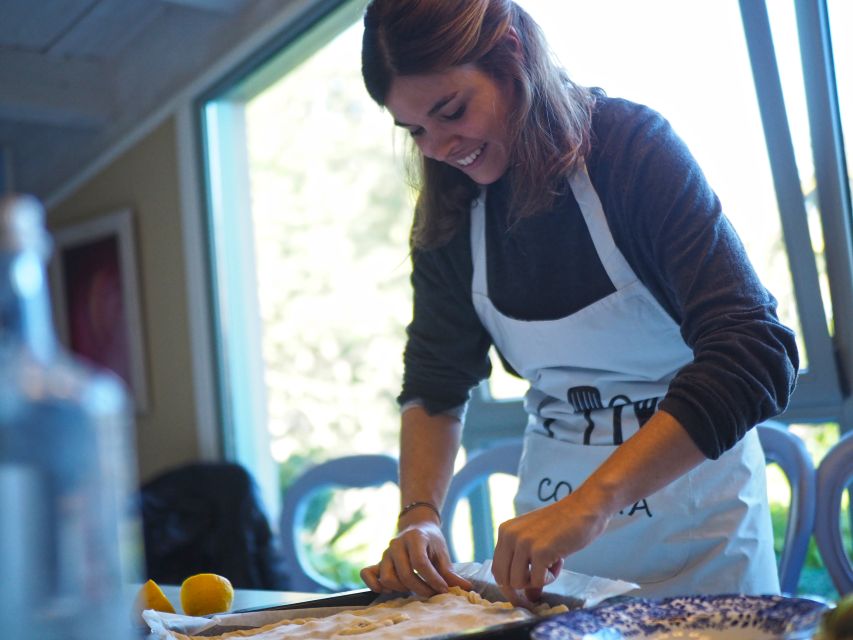
- Sea-view quinta kitchen time: a beautiful home-kitchen setup where the chef can walk you through each step
- Albariño + local cheese first: you taste the region before you cook it
- Seafood-focused lessons: mussels, clams, codium seaweed, and seafood soup rice, not just generic cooking tips
- Grandmother-style recipes: the chef teaches inherited methods, not just a worksheet menu
- Small group (up to 10): you get attention when questions come up
- You eat the result: starter, main, and dessert lunch, plus coffee and cake on the terrace for a sweet finish
Entering the Sea-View Quinta in Pontevedra
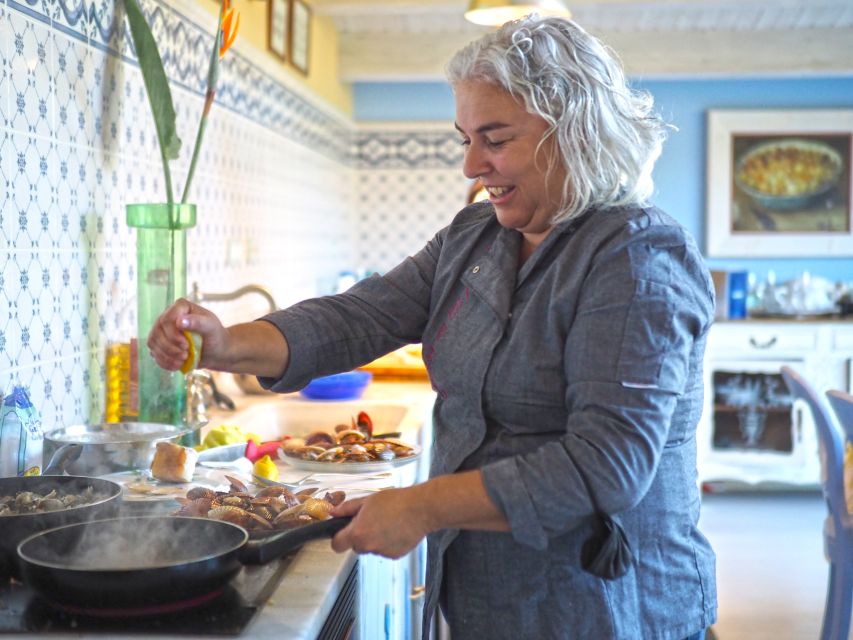
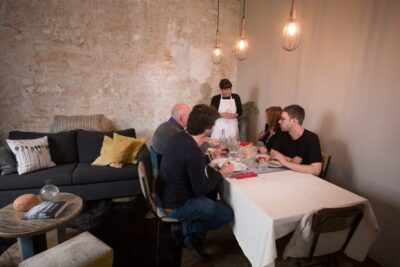
This experience starts where most cooking classes never get to: in a Spanish quinta (an estate setting) with views toward the sea. You don’t just arrive and get a demo. You’re welcomed into a real kitchen space set up for group work—so you can focus on learning instead of waiting around for gear.
Before the apron goes on, the timing matters. The flow is designed so you land, settle in, and get oriented through small tastings. That’s when you pick up the class rhythm: taste first, then cook, then sit down and eat. It’s a smart way to connect flavors to technique, especially for a region like Galicia where seafood and simple preparation rule.
One practical note: this isn’t a kid-friendly activity. It’s listed as not suitable for children under 18, which changes the vibe. You should expect a calmer, adult pace with less “keep the kids entertained” energy.
Cheese and Albariño: A Taste-First Galician Warm-Up
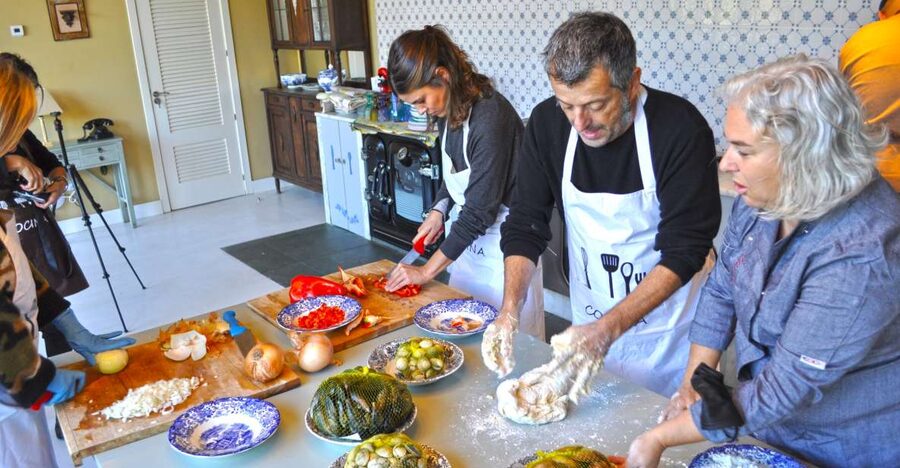
A big part of the value here is that the workshop doesn’t start cold. You get a glass of locally produced Albariño and a cheese tasting before you cook. If you’ve ever wondered why some wine pairings feel obvious and others feel random, this is the sort of setup that makes pairing click fast.
Galicia’s Albariño is meant to play well with seafood—bright, with a clean finish that doesn’t fight the salt and brine you’ll taste in the dishes. And the local cheeses help you understand the region’s “everyday richness” first, before you jump into clams, cod, and mussels.
In the reviews, people keep pointing to how ready everything feels on arrival. That matters because wine-and-cheese tastings can turn awkward if the group is still hunting for seats and equipment. Here, the experience is built to keep momentum—taste, then work.
The Hands-On Class: Galician Seafood and Family Recipe Techniques
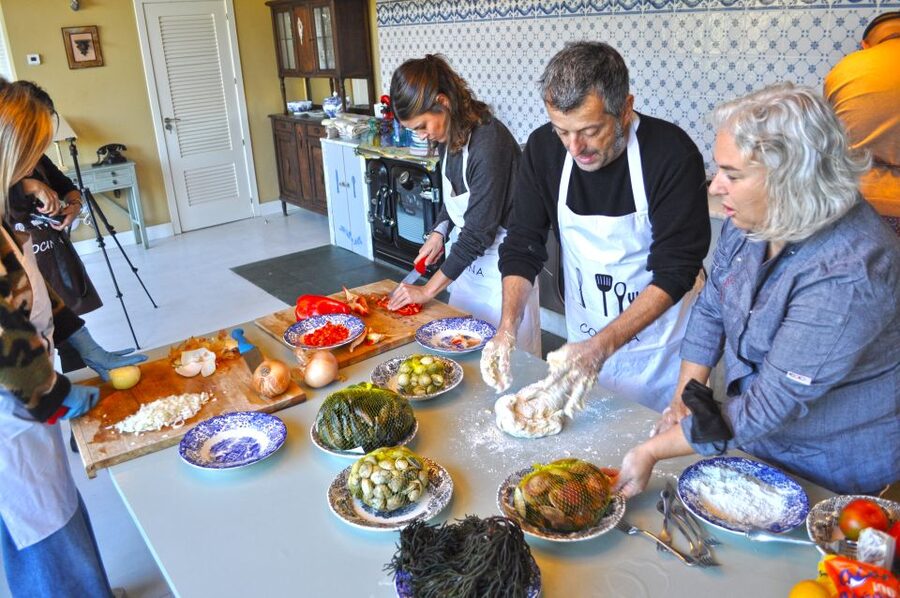
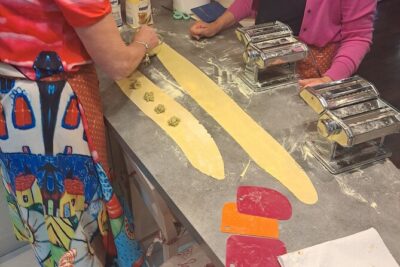
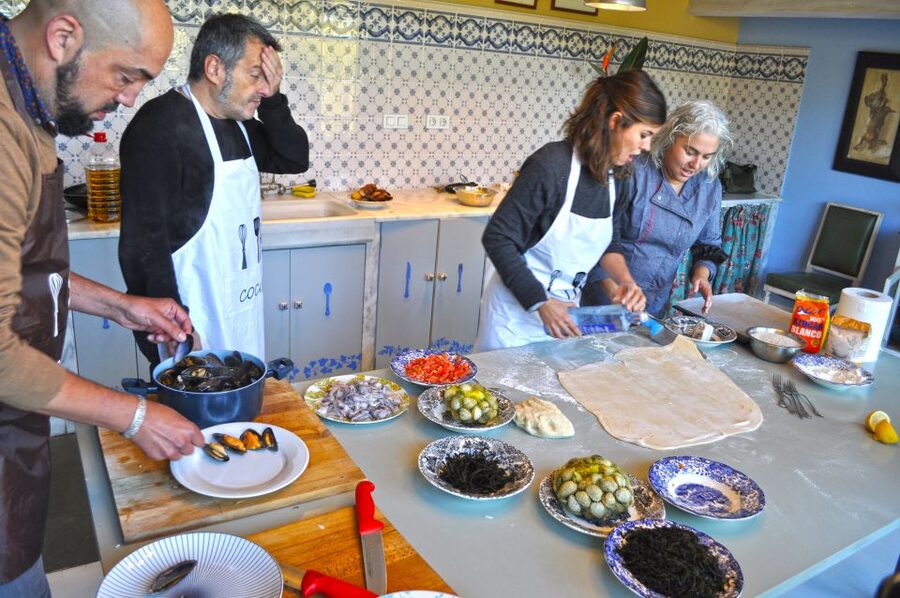
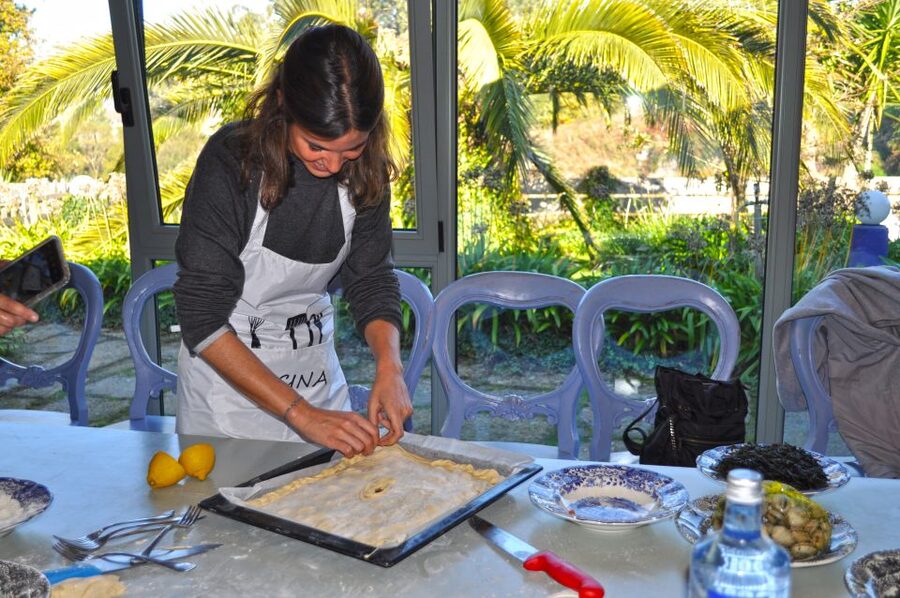
This is a hands-on cookery workshop, not a watch-and-leave situation. You’ll prepare a starter, main dish, and dessert. The seafood part isn’t an afterthought either: you learn dishes based on recipes inherited through the family line—specifically methods traced back to the chef’s grandmother.
That grandmother-story piece isn’t just a nice intro. It signals the style of cooking: practical, seasonal, and focused on getting flavor from ingredients rather than heavy sauces. When you’re cooking mussels or clams, technique is everything, but it’s also learnable in a few hours if the chef explains it clearly.
What the cooking can include on the typical menu
The typical menu you’ll see for this class includes:
- Tuna pie
- Clams with codium seaweed
- Steamed mussels
- Seafood soup rice
- Santiago cake
Depending on how the chef sequences the workload (and how the group is split), you’ll likely touch multiple dishes, not just one. The point is variety: you get both “seafood classics” (mussels, clams) and the starch-and-stock comfort side of Galicia (seafood soup rice). That combo helps you understand the full meal structure.
Why this format works
A lot of cooking classes teach a single recipe and call it a day. Here, the meal structure is the lesson. You’ll learn how Galicia builds a table: start with something savory, move into seafood-forward mains, then land on a cake that closes the loop.
And because the class is capped at 10 participants, the chef can actually correct small mistakes. In the reviews, people emphasize how clear and engaging the instruction felt, plus how simple the dishes were to cook once the steps were explained.
The Kitchen Setup and Chef Instruction Style
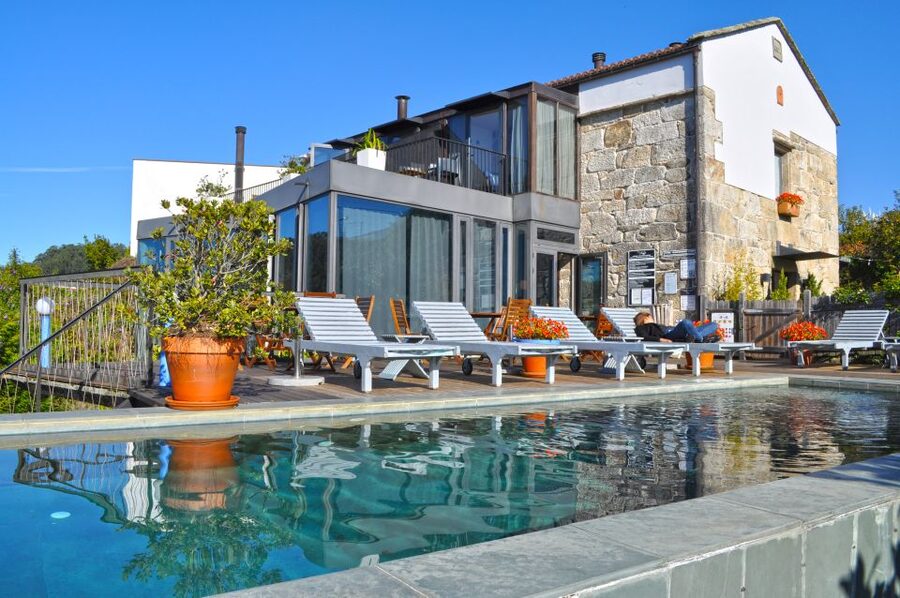
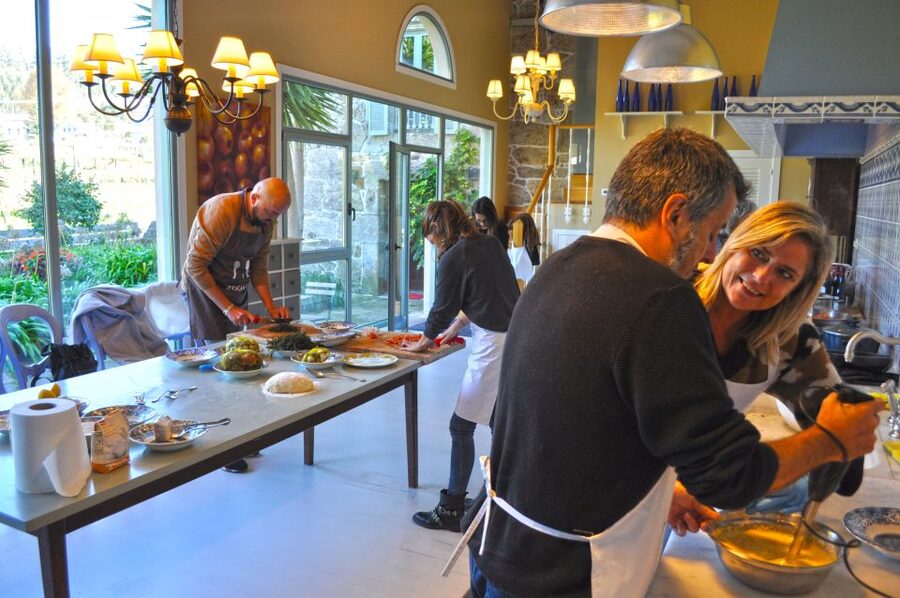
One of the strongest signals from the reviews is that the kitchen is gorgeous and everything is ready when you arrive. That sounds like a small detail, but it changes the whole class. If the mise en place isn’t done and you’re waiting on pans and ingredients, the experience turns stressful. Here, the experience is designed so you can relax and focus on learning.
Chef instruction is also listed in English and Spanish, and the class is built as a small group. That’s a big deal if you want to ask questions about timing, seasoning, or how to tell when seafood is done. A small group tends to keep the chef’s attention from spreading too thin.
If you like food classes where you don’t feel rushed, this setup is a strong fit. You’re not just learning recipes—you’re learning how the chef thinks.
Lunch on the Terrace: Eating What You Cook (With Wine)
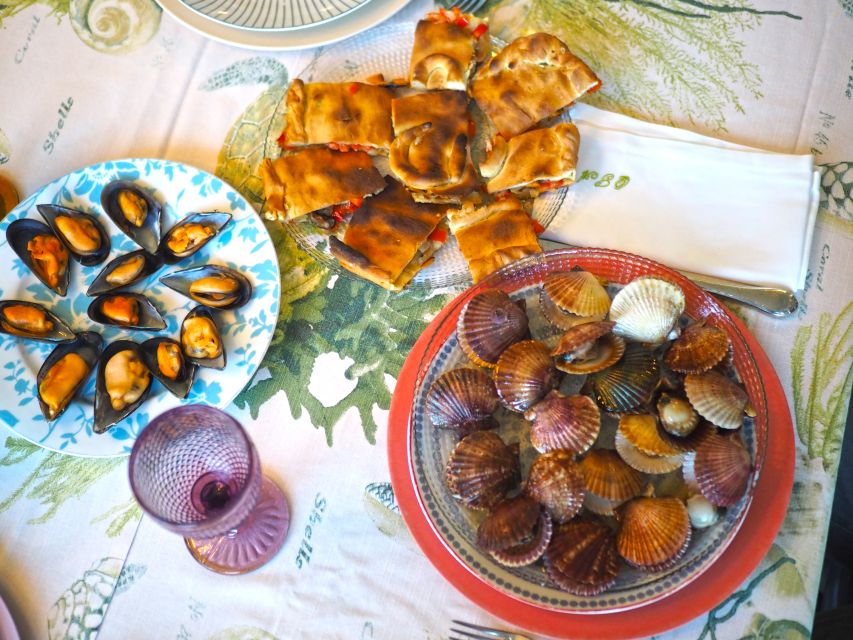
After the cooking, you get the payoff: a 3-course lunch based on what you prepared. The meal is served on the terrace in the same quinta setting, so the “vacation feeling” doesn’t end when the class starts. You’ll eat with plenty of wine, including more Albariño as part of the experience’s pairing style.
This part is where the class becomes more than a lesson. Cooking classes sometimes end with a sad tasting portion. Here, you sit down and eat a real meal—starter, main, and dessert—so you leave with satisfied stomachs and a clearer sense of what Galicia tastes like as a complete lunch.
In the reviews, guests mention coffee and cake on the terrace after the main meal, which makes the afternoon feel like a slow, enjoyable reset rather than a timed activity. If you want a short, high-quality food experience that still feels special, that terrace finish helps.
Typical Menu Walkthrough: What Each Dish Teaches You
You’ll come away with a clearer mental map of Galician flavors, because each dish teaches a different “why.”
Tuna pie
Tuna pie gives you a sense of how seafood can show up in comfort-food form. With a pie, you learn balance: a filling that tastes seafood-rich without getting heavy.
Clams with codium seaweed
This is the most “local and specific” moment. Codium seaweed isn’t a topping you’ll see everywhere, and it pairs naturally with clams. You learn how sea flavors layer: briny shellfish plus a sea-grown ingredient adds depth without hiding the main ingredient.
Steamed mussels
Mussels are classic Galicia fare, and steamed mussels teach you the timing side of seafood cooking. You also learn that simplicity can be powerful when seasoning and heat are right.
Seafood soup rice
This dish connects the seafood to a filling base. Rice absorbs flavor, so it’s where you learn how to think about broth, seasoning, and texture—not just the protein.
Santiago cake
A dessert like Santiago cake closes the meal with a sweet that feels consistent with the region’s baking personality. It’s the last “anchor” flavor that makes the whole menu feel like one coherent afternoon, not a pile of separate recipes.
Price and Value: Why It Costs $434 (and When It’s Worth It)
At $434 per person for a 3-hour class, you’re paying for more than cooking instruction. The value is built from several pieces:
- Small group size (up to 10) means more time with the chef
- Hands-on cooking of multiple dishes instead of a single demo
- 3-course lunch you actually eat, plus wine with the meal
- Wine tasting + cheese tasting before you cook
- A setting that feels like a real home-turned-workshop: a quinta by the sea
Is it expensive? Yes. But if you’re the type of traveler who wants a short, high-quality experience with food as the main activity, this price can feel reasonable. You’re essentially paying for a full lunch with local wine, plus a chef-led lesson that gives you skills and flavor context.
If your priority is low cost or you only want a quick snack activity, this won’t be the best fit. But if you want a serious taste of Galicia in a few hours, it’s priced like that intention.
Who This Cooking Class Suits Best
You’ll get the most out of this if:
- You enjoy seafood and want recipes that match Galicia’s real eating style
- You like hands-on learning with clear coaching
- You want a short activity that still includes a full lunch and wine
- You’re traveling with friends or a partner who also wants to cook, not just watch
It may not suit you if:
- You’re traveling with anyone under 18
- You don’t eat seafood or can’t handle ingredients like tuna, clams, or mussels
- You’re hoping for an activity that’s mainly sightseeing rather than cooking and eating
Also, since the class is instructor-led in English and Spanish, it’s friendly for either-language travelers—but you should still expect a few moments of kitchen “talk and timing” that work best when you’re paying attention.
Should You Book This Pontevedra Cooking Class?
Book it if you want a chef-led food afternoon that feels like a real meal with real instruction. The combination of Albariño + cheese tasting, seafood-focused dishes, and a sit-down 3-course lunch makes it a strong value for food-first travelers—especially given the small group size.
Skip it (or at least reconsider) if $434 sounds too steep for you, or if you don’t eat seafood. This class is built around Galician ingredients and the menu choices are clearly set—tuna, clams, mussels, seafood rice, and cake.
If you’re looking for a fun half-day that leaves you both full and smarter about Galician cooking, this is one of those experiences where the lesson and the payoff happen in the same place.
FAQ
How long is the cooking class?
The class lasts 3 hours.
What is the group size like?
It’s a small group limited to 10 participants.
What languages are the instructor teaching in?
The instructor teaches in English and Spanish.
What’s included in the price?
Included are local wine, cheese tasting, and a 3-course lunch.
What kind of dishes are on the typical menu?
The typical menu includes tuna pie, clams with codium seaweed, steamed mussels, seafood soup rice, and Santiago cake.
Is Albariño included?
Yes. You enjoy a glass of locally produced Albariño wine as part of the experience.
Can I cancel for a full refund?
Free cancellation is available up to 24 hours in advance for a full refund.
Is this experience suitable for children?
No. It’s not suitable for children under 18.