REVIEW · PERUGIA
Perugia: Cooking Class at a Local’s Home
Book on GetYourGuide →Operated by Cesarine · Bookable on GetYourGuide
Cooking dinner in a family kitchen changes your trip. You get hands-on cooking with a certified home cook and then a wine-included tasting of the dishes you make. One thing to think about: you’ll need to share any dietary needs ahead of time, since the class is built around what ends up on your table.
This Perugia session runs about 3 hours and is hosted in a real local home in Umbria, arranged by Cesarine. The whole point isn’t performance cooking. It’s learning the recipes, doing the work, and sitting down to taste everything together with water, local wine, and coffee.
In This Review
- Key highlights at a glance
- A cooking class inside a real Perugia home
- The 3-hour experience: from ingredients to the dining table
- What you’ll cook: three Umbrian classics, taught as home technique
- Eating the results with local wine and coffee
- Price and value: what $164.26 buys you in Perugia
- Who this is best for in Umbria
- Tips to make your class smoother (and tastier)
- Should you book this Perugia cooking class?
- FAQ
- FAQ
- Where does the cooking class take place?
- How long is the cooking class?
- What’s included in the price?
- What languages is the instructor?
- Do I need to tell them about dietary needs?
- When do classes start?
Key highlights at a glance
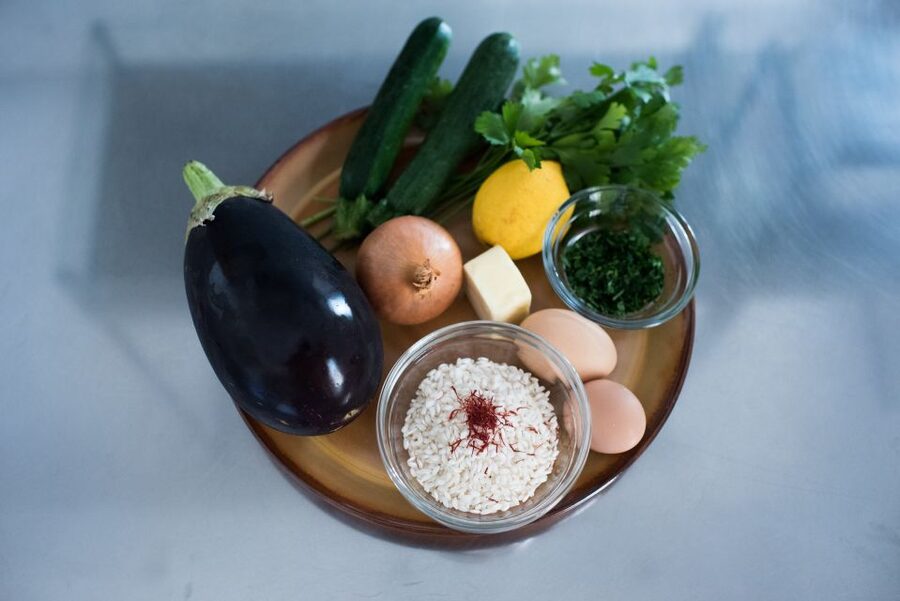
- A local home setting where you cook in a genuine domestic kitchen, not a studio
- Three authentic recipes explained with practical home-style technique
- Taste-everything table service paired with local red and white wines
- Included beverages (water, wine, and coffee) so the meal part doesn’t feel like an extra cost
- English- and Italian-speaking instruction, with flexibility on start times if you plan ahead
A cooking class inside a real Perugia home
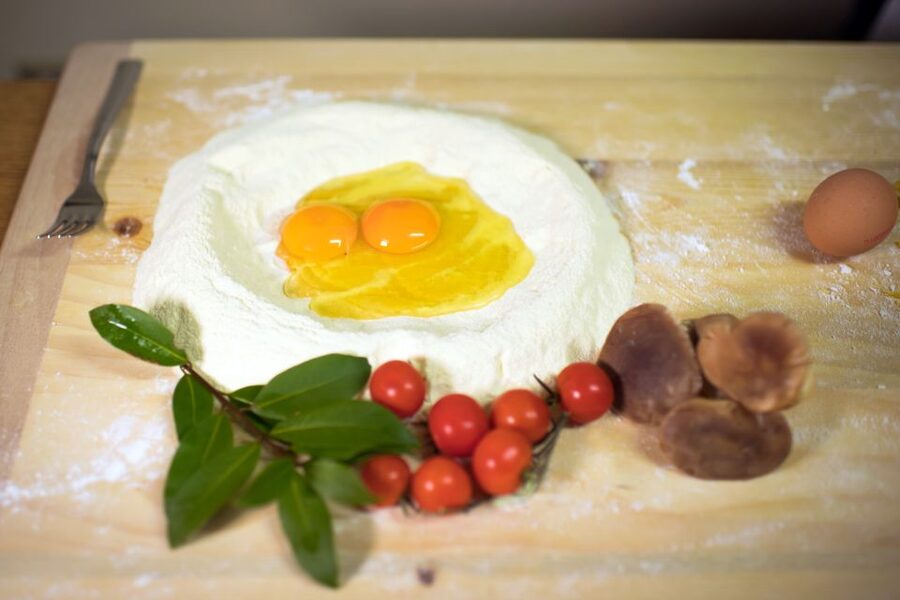
The biggest difference here is the location. This class happens in a local family’s home, and for privacy, you receive the full address only after booking. That means you’re not just visiting another “activity room.” You’re stepping into an actual kitchen setting where the experience feels more personal and more Italian day-to-day.
You’ll also be cooking under a certified home cook. In practice, that matters because this is the kind of instruction that focuses on repeatable steps: how the dough should feel, when sauce needs time, how a kitchen actually runs when someone is feeding a family. Even if you’re not an experienced cook, this style helps you understand what you’re aiming for, not just what buttons to press.
Cesarine coordinates the experience in Umbria, and you’ll be contacted by the local partner with meeting-point instructions. Since the address isn’t shared until after booking, I’d treat the first message you get as part of your planning. Reply quickly if you have questions, especially if you’re arriving from another part of town and want to time it right.
Why this is good value: you’re paying for more than a recipe. You’re paying for a setting that turns the class into a meal you can actually eat and talk about, with a real home-cook perspective guiding you.
Possible downside to keep in mind: because it’s in a home, the class depends on that household’s space and schedule. The session time is fixed (about 3 hours), but the home environment can feel different from what you might expect at a cooking school.
You can also read our reviews of more tours and experiences in Perugia.
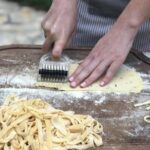
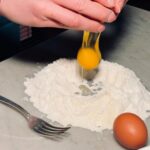
The 3-hour experience: from ingredients to the dining table
The class is structured around a clear, satisfying arc: you cook, then you taste, then you leave with skills you can use again.
Here’s what you can expect in the flow:
- You’ll have a workstation with utensils and ingredients set up for you.
- The cook will walk you through three authentic local recipes during the lesson.
- As you cook, you’ll learn the small technique points that often make the difference in regional dishes.
- Then you sit down and taste everything you prepared, paired with local wines.
This matters because it keeps your energy focused. Many classes stay “watch and taste a little.” This one builds around full participation and full tasting. You’re doing the cooking work, not just learning by observing.
Timing is also simple: it typically begins at 10:00 AM or 5:00 PM. If you advise in advance, start time can be flexible based on your requirements. That’s a practical advantage if you’re trying to line dinner up with your day’s walking, museum time, or an evening plan.
One more operational detail that affects comfort: the class requires a minimum of two people. That usually means it won’t feel like a massive group tour. If you’re coming solo, you may need to coordinate with someone else depending on availability, since the experience is set up for pairs/groups rather than single guaranteed slots.
What you’ll cook: three Umbrian classics, taught as home technique

You won’t just get a list of dishes. The key promise is that you’ll learn the secrets and tricks of the trade for the most famous dishes of regional cuisine—specifically, three local recipes revealed during the lesson.
Even though the exact recipes aren’t spelled out in the details you have here, the format is consistent:
- Each recipe is taught in a way that helps you understand what makes it “Umbrian,” not just how to follow a procedure.
- You’ll work with the ingredients provided, so you don’t have to guess what you’re missing or whether you bought the right item at a shop.
- You’ll test your results at the table, so you can connect your cooking steps to actual flavor and texture.
If you like cooking more than eating lectures, this format is a great match. You’ll be learning how to execute techniques you can replicate back home: pacing, adjusting seasoning, and handling key steps that determine the final dish.
And because the tasting is built around the meal you cook, you get immediate feedback. If a sauce seems too thick while you’re making it, you can likely notice what the right consistency should feel like as you progress. Then, later, you can taste the full dish and connect that sensation to flavor.
Eating the results with local wine and coffee
One of the most underrated parts of a cooking class is how the meal is handled. Here, the class ends the way a real home meal ends: you taste everything you made.
You’ll be served water, local wines, and coffee. The wine pairing includes a selection of red and white local wines, which is a nice touch for a region like Umbria where wine culture is part of everyday life.
For practical planning, this inclusion matters:
- You don’t need to find a separate place for a late lunch or early dinner right after cooking.
- You’re not adding extra costs for drinks during the experience.
- You can focus on the class itself, since you’ll already be settled for the meal portion.
Also, because the beverages come with the class, it’s easier to pace yourself. You can enjoy the wine with the meal without worrying about splitting tabs or finding payment methods mid-experience.
If you have dietary requirements, you must advise the provider ahead of time. The class says it can cater for dietary needs, but that only works if you share your situation early enough for planning.
Price and value: what $164.26 buys you in Perugia
At $164.26 per person, this is not a budget activity. But the value equation looks different than a typical “pay for a demo” tour.
Here’s what’s included:
- The cooking class itself
- Tasting of three local dishes
- Beverages (water, wine, and coffee)
- Local taxes
When you count those pieces together, you’re really paying for three things at once:
1) Instruction from a certified home cook, in an intimate home setting
2) A full meal created by your hands, not just samples
3) The pairing and drinks that normally add up when you’re eating out
If your goal is to come home with memories, plenty of tours do that. If your goal is to come home with skills, this has a stronger case. The experience is short enough (3 hours) that it’s doable on a travel day, yet substantial enough that you actually cook three recipes and taste the results.
My take on the tradeoff: you’re paying for access—into a home kitchen, with guided cooking and wine at the table. If you’re mainly interested in sightseeing, a museum visit plus a casual meal might feel better value. If you want to understand regional food the way locals do, this price can make sense fast.
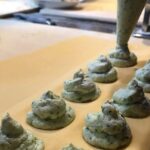

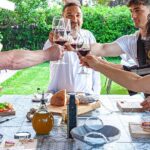

Who this is best for in Umbria
This class is built for people who want food as a hands-on experience.
It’s especially a good fit if you:
- Like cooking and want practical technique you can repeat later
- Prefer a smaller, more personal setting over a large group format
- Want a meal you can actually taste fully, rather than snack-sized samples
- Enjoy wine culture and want local red and white poured as part of the experience
- Are traveling as a couple or small group (the minimum requirement makes “two people” a natural fit)
On the other hand, it may feel like more than you want if:
- You’re not interested in cooking at all and just want something to watch
- You have strict dietary limitations and haven’t had time to communicate them
- You’re looking for an activity that doubles as a walking tour or major sight-seeing block (this focuses on the home and the meal)
Tips to make your class smoother (and tastier)
A few small prep steps can make the difference between an enjoyable class and a frustrating one.
1) Send dietary needs early. The class asks you to advise requirements so they can cater for you. Don’t wait until the day-of. It’s the difference between a tailored meal and a rushed workaround.
2) Plan your timing around the fixed 3-hour slot. With typical starts at 10:00 AM or 5:00 PM, choose the session that fits your energy level. Midday classes can be easier if you like a structured plan. Later sessions can work well if you like a slower morning.
3) Come ready to cook and ask questions. Since you’ll have a workstation with utensils and ingredients, you’ll likely have time to get feedback. Ask how the cook knows when something is ready. Those cues are the real “secret.”
4) Treat the wine as part of the lesson. The class includes wine with your meal. I’d keep it moderate so you can stay engaged with the food and the instructions through the end.
5) Expect a home-like pace. Because this is a local family home, the vibe won’t be identical to a cooking school classroom. That’s the point. Go with the flow and focus on the process.
Should you book this Perugia cooking class?
If you’re trying to choose between another “see and taste” experience and something hands-on, I’d lean toward booking this one. The combination of three recipes, a full tasting of everything you make, and included local wine plus coffee makes it feel like you’re paying for an actual meal experience with skills attached.
I’d book it if:
- You want regional Umbrian cooking explained in a practical, home-cook way
- You value eating at the table right after cooking
- You want a cultural connection that happens through shared food, not just photos
I’d hesitate if:
- You’re on a super tight schedule or don’t want to spend 3 hours cooking
- You’re not comfortable communicating dietary needs in advance
- You’d rather put your money toward other sightseeing and dining add-ons
FAQ
FAQ
Where does the cooking class take place?
It’s held in a local family’s home in Umbria, Italy. For privacy, you receive the full address of your host after booking, and the local partner contacts you with meeting instructions.
How long is the cooking class?
The experience lasts about 3 hours.
What’s included in the price?
The price includes the cooking class, tasting of three local dishes, beverages (water, wine, and coffee), and local taxes.
What languages is the instructor?
The instructor speaks English and Italian.
Do I need to tell them about dietary needs?
Yes. You must advise the provider of any dietary requirements so they can cater for you.
When do classes start?
Classes usually begin at 10:00 AM or 5:00 PM. If you advise in advance, the start time can be flexible based on your requirements.