REVIEW · GREECE
Mykonos: Traditional Cooking Class with the Locals
Book on GetYourGuide →Operated by Delos Travel · Bookable on GetYourGuide
A Mykonos kitchen class feels like a shortcut to local food. I love the hands-on cooking time with patient guidance, and I also love how the host turns the meal into a real conversation about Myconian gastronomy. The main drawback to plan for is that it’s largely outdoors, with limited shade, so you’ll want sun protection and comfy shoes.
You’ll spend about three hours learning simple Myconian comfort-food techniques using traditional ingredients, then you’ll eat what you make. There’s also a Greek coffee and dessert welcome to start things off gently, plus wine and local beer as the feast ramps up.
In This Review
- Key Highlights I’d Put on Your Radar
- Where This Mykonos Class Really Happens (And Why the Setting Matters)
- The Welcome: Greek Coffee and Dessert Before the Apron Goes On
- Cooking Myconian Comfort Food: What You Learn and How It Feels
- The Hands-On Flow: From Prep to Plate (What Your 3 Hours Looks Like)
- Wine Tasting and Local Beer Pairing: Small, Social, and Practical
- Conversation Time: Mykonos Gastronomy Goes Beyond the Recipes
- Vegan and Allergy Notes: Good Flexibility, But Check the Rules
- Practical Timing and Outdoor Comfort (Bring Sun Gear)
- Group Size, Language, and What That Means for Your Experience
- Price and Value Check: What $129 Buys You in Real Life
- Who Should Book This Mykonos Cooking Class (And Who Should Skip It)
- Should You Book This Mykonos Traditional Cooking Class?
- FAQ
- How long is the Mykonos traditional cooking class?
- What is included in the price?
- Do I need hotel pickup or drop-off?
- Is the class hands-on?
- Is the class suitable for vegans or dietary restrictions?
- Is the class in English?
- Where do we meet for the class?
- What should I bring?
- Is smoking allowed during the class?
- Is it wheelchair accessible?
Key Highlights I’d Put on Your Radar
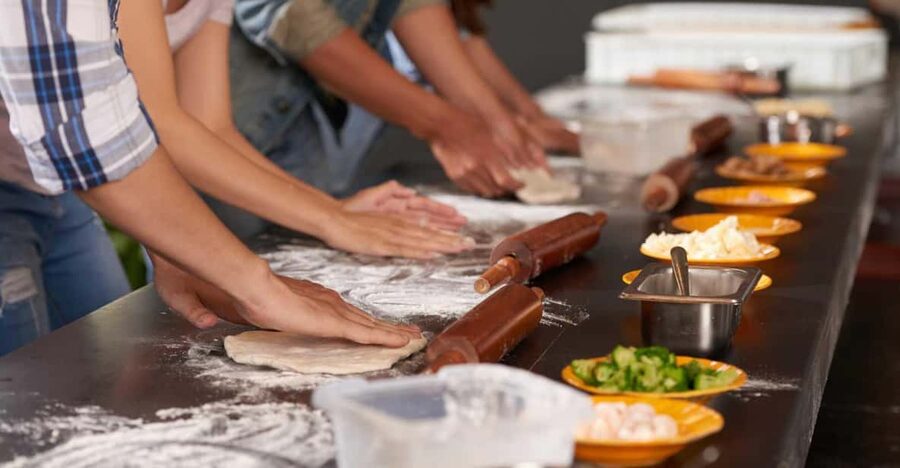
- Chef-led, hands-on cooking where you actually do the work, not just watch
- Greek coffee + dessert right at the start, setting the warm tone
- Wine tasting and local beer paired alongside what you’re learning to cook
- Small-group feel with time for conversation about Mykonos food traditions
- Recipe handouts so you can recreate the dishes back home
Where This Mykonos Class Really Happens (And Why the Setting Matters)
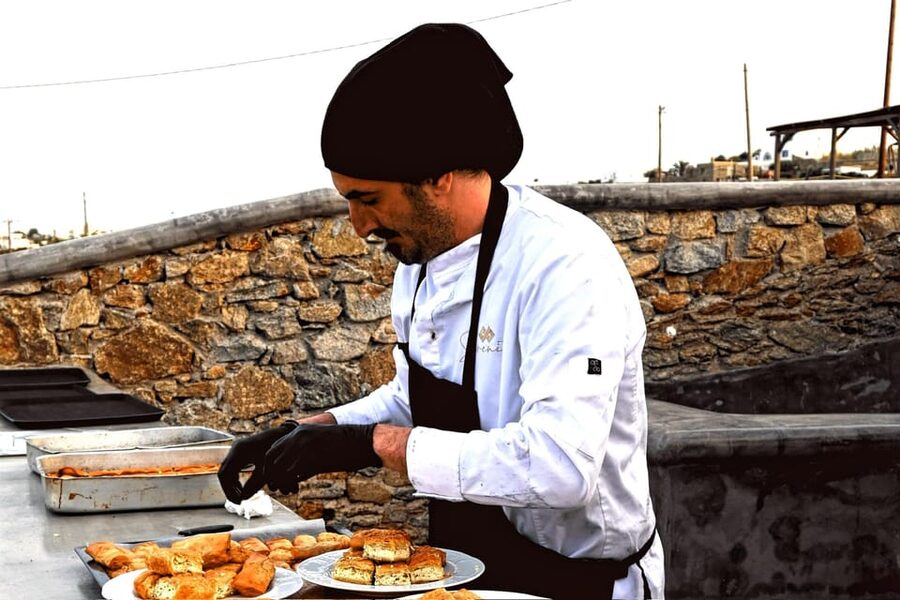
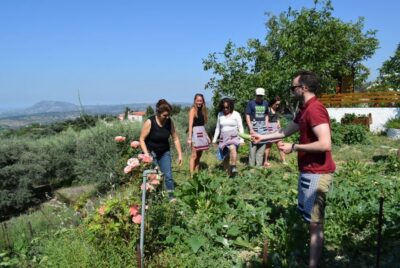
This experience is built around a casual, local rhythm: meet, snack, cook, chat, then eat. One of the smartest parts is that you’re not rushed through a screen-and-seats format. Instead, you’ll be in a working kitchen space that feels connected to the island, and that makes the techniques easier to remember.
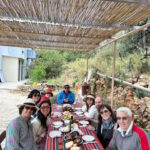
Expect an outdoor component, including time where you’ll be standing and working. A past guest even flagged the shade limits, which checks out—this matters because the class is only about three hours, so you’ll feel the sun if you arrive unprepared. Bring a hat, wear sunscreen, and plan to drink water during the session rather than “saving it for later.”
The Welcome: Greek Coffee and Dessert Before the Apron Goes On
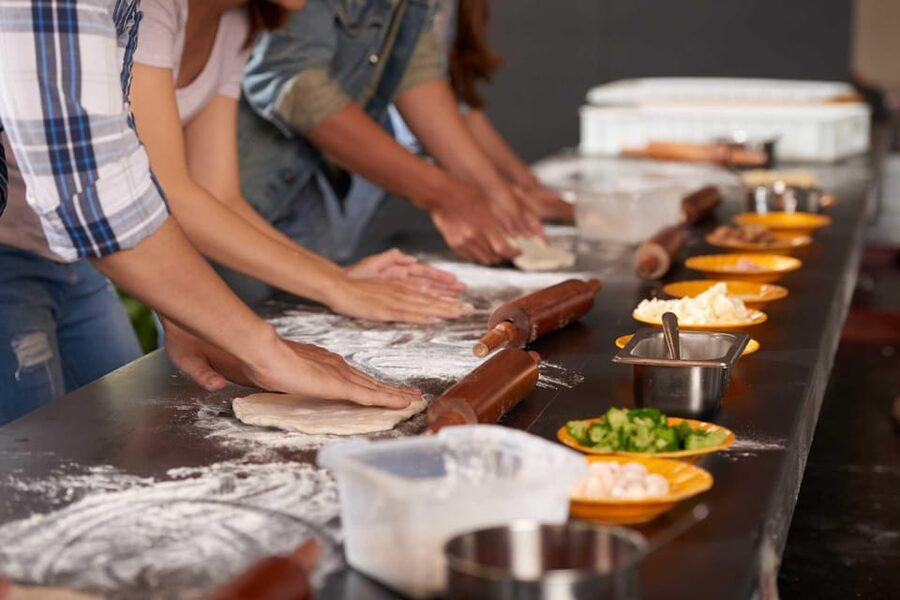
The class starts with a warm welcome: Greek coffee plus a dessert. This isn’t just a nice extra—it’s a good way to slow down and settle in, especially if you’re arriving after a walk in the sun.
It also helps you get into the right mindset for what comes next. Greek hospitality here is about conversation, not formality. Once you sit for a moment, you’ll be more relaxed when the chef starts explaining the first steps and how they connect to everyday Myconian cooking.
If you’re thinking about timing, treat this like part of the experience, not a waiting room. You’ll get the snack first, then get to work.
Cooking Myconian Comfort Food: What You Learn and How It Feels
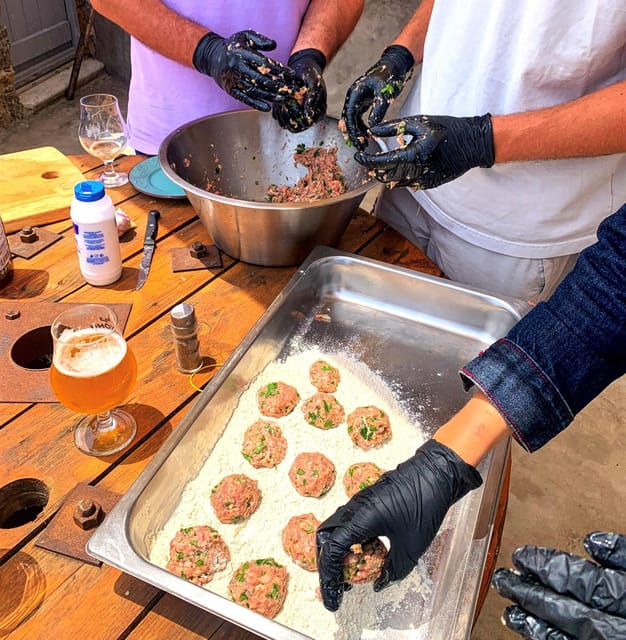
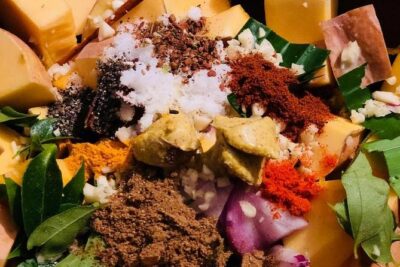
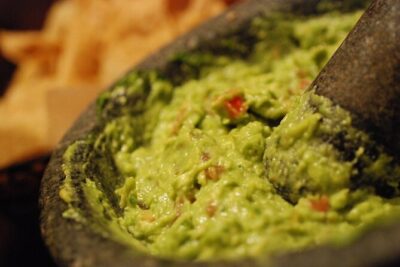
The cooking focuses on traditional Myconian comfort food, taught in a way that works for both younger and older visitors. You’ll get easy-to-follow recipes and plenty of hands-on preparation, with the chef coaching you through techniques as you go.
Here’s what I like about this style: it’s not just about making one dish. It’s about learning the logic behind the cooking—how ingredients behave, what to watch for, and what the chef considers the right texture or balance. That’s why the guidance matters so much, and why reviews consistently mention patience and organization.
You’ll also spend time learning the “family knowledge” angle—tips that are usually passed down, not written on a menu. In the class you may hear from named hosts/chefs such as Chef Nikos, along with Host Nicolas, who share background and practical advice while you cook. That context turns the meal into something you can tell people about later, not just something you ate.
The Hands-On Flow: From Prep to Plate (What Your 3 Hours Looks Like)
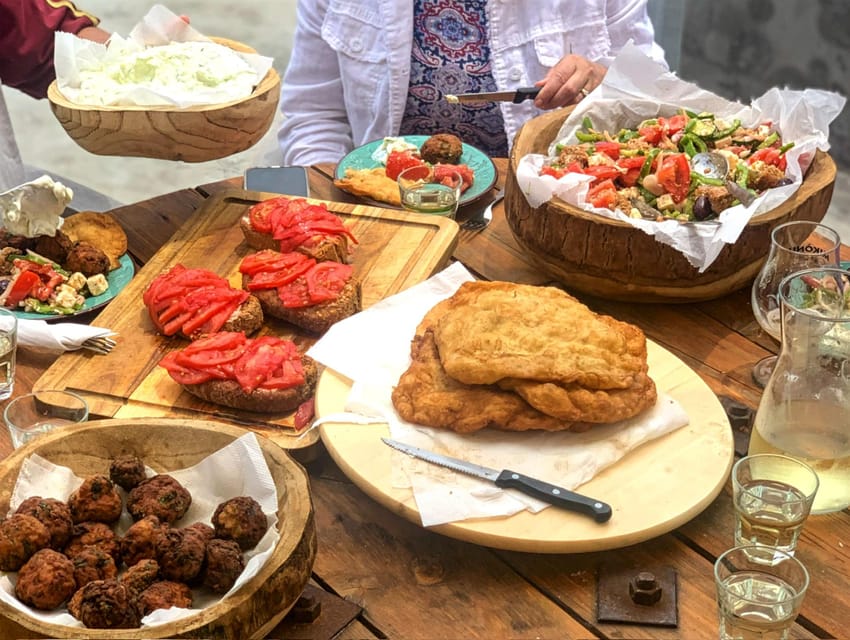
While the exact menu can vary by group and any dietary needs, the structure tends to follow a clear arc:
1) Meet and welcome with Greek coffee and dessert
2) Cooking instruction with ingredient setup and step-by-step guidance
3) Hands-on prep where you take part in the process, not just supervise
4) Tasting moments as dishes come together, with paired drinks
5) Final feast where you sit and enjoy what you cooked
This flow is useful because it keeps your brain engaged. You’re learning, then applying almost right away. And at the end, you’re not standing forever—you get the payoff: you eat the dishes you worked on.
If you’re the type who likes “useful skills,” this format is better than many cooking tours that only show you a trick or two. You leave with recipes and a real sense of how the dishes are built.
Wine Tasting and Local Beer Pairing: Small, Social, and Practical
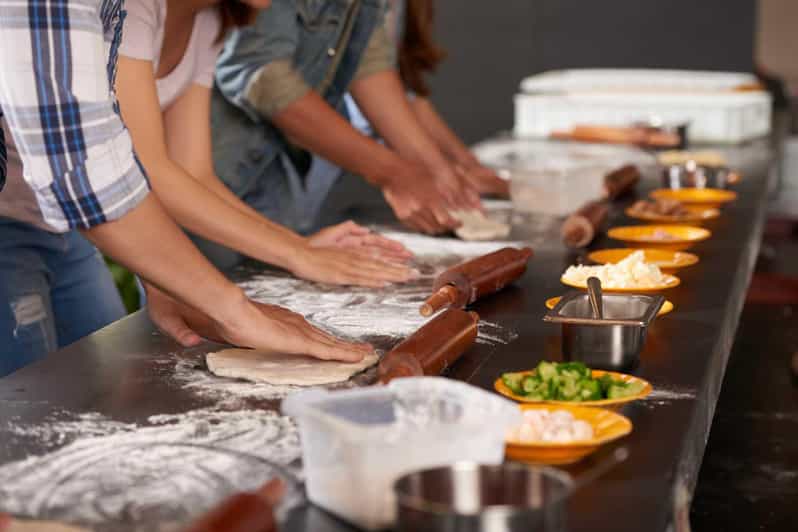
A big part of the class is the drink pairing. You’ll taste Greek wines and also have local beer during the experience. This matters for two reasons.
First, the tasting turns the class into a social evening in the middle of the day—so you’re not stuck in a quiet “classroom” mood. Second, pairing helps you understand why certain flavors work together. Even if you’re not a wine expert, you’ll start noticing the balance between food and drink.
What I’d suggest: don’t treat it like a race to finish drinks. Sip, taste, then pay attention to what you’re eating. That’s how you’ll remember what worked and what you’d want to replicate at home.
Conversation Time: Mykonos Gastronomy Goes Beyond the Recipes
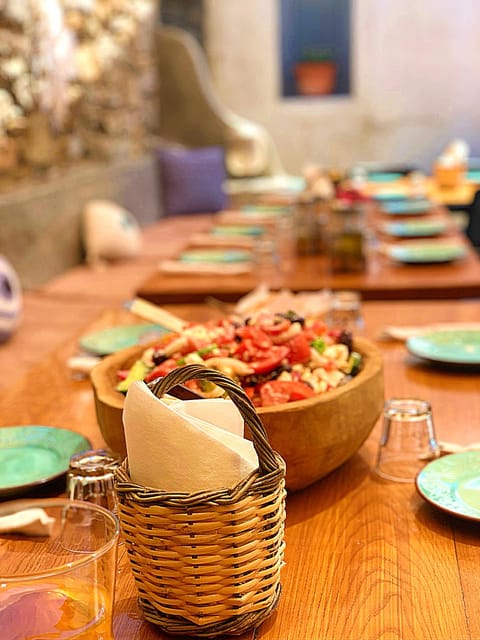
One of the underrated pleasures of this class is the chat. Hosts and chefs talk about Myconian gastronomy—how dishes relate to daily life on the island, and why certain choices are “correct” in local kitchens.
In particular, hosts like Nicolas are described as personable and gregarious, including sharing family and Mykonos background while you cook. That kind of talk doesn’t feel like a lecture. It’s more like you’ve been pulled into someone’s kitchen rhythm for a few hours.
If you care about authentic travel, this is the moment that turns a “food activity” into a cultural one. You’ll learn what to order, what to look for in shops, and how locals think about comfort food.
Vegan and Allergy Notes: Good Flexibility, But Check the Rules
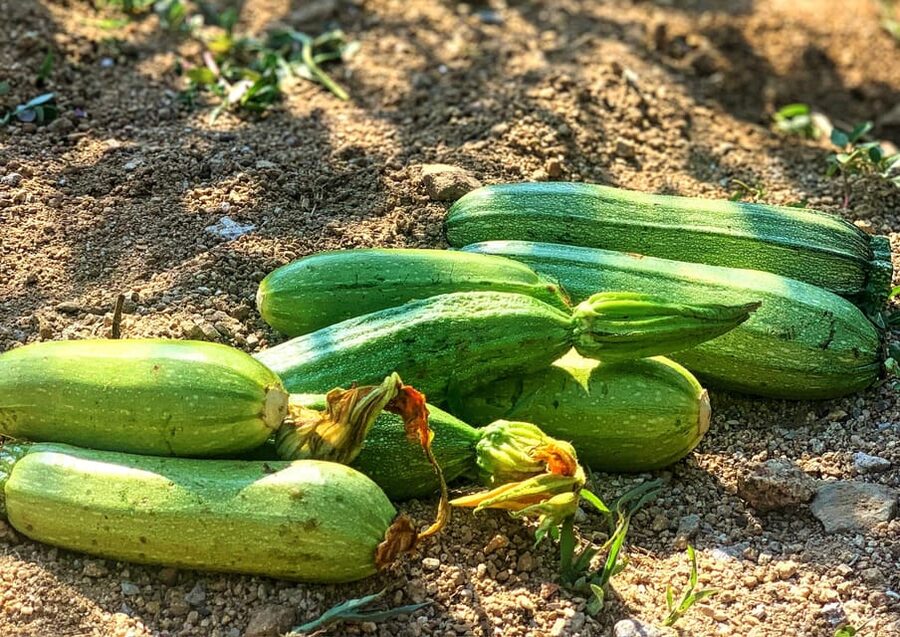
The class says the menu can be adapted for vegan friends and also mentions adaptations for allergies. But the activity is also listed as not suitable for people with food allergies.
So here’s the practical way to handle it: if you have allergy concerns, contact the provider and clearly state the restriction before booking. Don’t assume that “adapted menu” means “safe for your specific allergy,” especially because the stated suitability is strict.
If you’re vegan, you’ll generally be in good shape as long as you share your needs ahead of time. And even if you’re not, this is still a fun class because the flavors tend to be ingredient-driven and fairly straightforward.
Practical Timing and Outdoor Comfort (Bring Sun Gear)
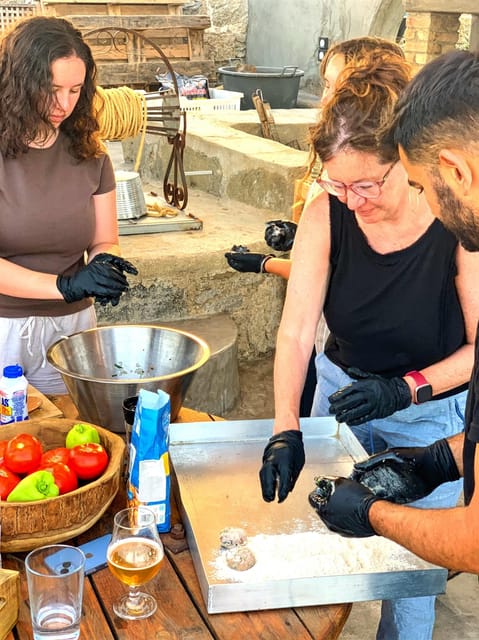
The experience lasts three hours, and you’ll be standing while you cook. Since part of it runs outdoors with limited shade, treat clothing and gear like a real part of your preparation.
Bring:
- A hat
- Sunscreen
- Water
- Comfortable clothing
- Comfortable shoes suitable for standing
Also, avoid smoking during the class—this is explicitly not allowed.
This is a small thing that makes a big difference. If you’re heat-stressed, you’ll remember the discomfort more than the food. If you’re comfortable, you’ll enjoy the cooking and the meal at the end.
Group Size, Language, and What That Means for Your Experience
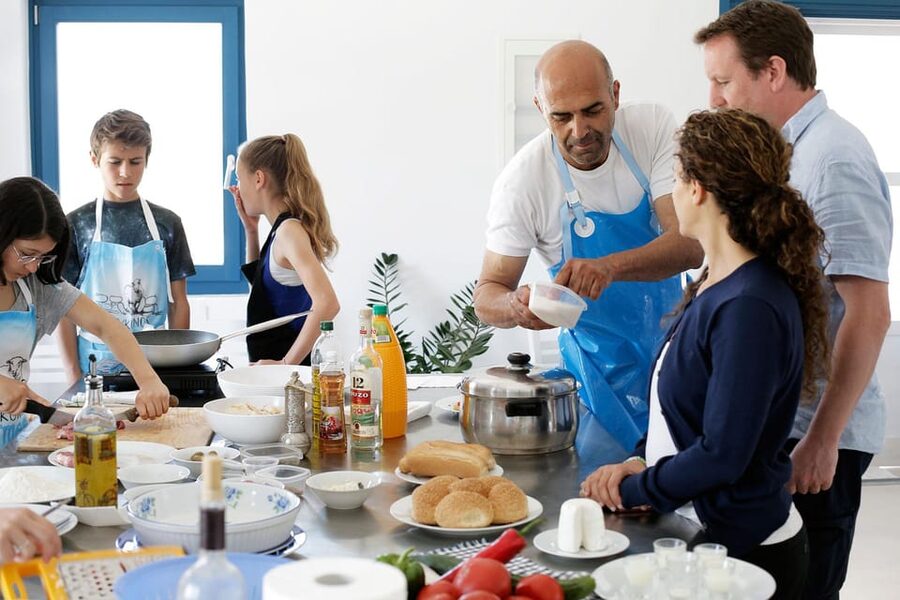
The class runs in small private groups or larger groups, depending on the option you choose. Couples and families can be accommodated “upon agreement,” and the timing is adjustable based on available start times and days.
The instructor is English, which is helpful if you want explanations without guessing. Reviews also point to groups around eight people, mixing nationalities, which tends to create a friendly environment without getting chaotic.
Wheelchair accessibility is listed, so if mobility is a factor, you can ask about the exact setup at the meeting point. (The meeting point can vary depending on what you book, so confirm the address/time details.)
Price and Value Check: What $129 Buys You in Real Life
At $129 per person for about three hours, this isn’t a “cheap snack class.” You’re paying for the chef time, ingredients, and the full meal experience—not just cooking demonstrations.
Here’s what you actually get included:
- Greek coffee and dessert welcome
- Cooking class with a local chef
- Ingredients and equipment
- Greek wine tasting
- Local beer
- Recipes for the dishes prepared
- Free parking
So the value angle is simple: you’re not only eating; you’re learning and leaving with written recipes. If you’ve ever tried to recreate a Greek dish at home and it turned out bland or off-texture, the hands-on technique plus recipe notes are what you’re really paying for.
Is it worth it? If you like practical skills, enjoy chatting with locals, and want a break from the usual Mykonos day (beach, bus, dinner roulette), then yes. If you only want a quick tasting and zero cooking involvement, you might prefer something shorter or less hands-on.
Who Should Book This Mykonos Cooking Class (And Who Should Skip It)
This class is a great fit if you:
- Want a hands-on cooking session with a local chef
- Enjoy learning the stories behind food, not just eating it
- Like small-group conversation and a friendly atmosphere
- Want recipes to take home
- Are vegan and can share dietary needs ahead of time
It’s not the best match if you:
- Are traveling with food allergies (the activity is listed as not suitable)
- Have children under 12
- Are pregnant (listed as not suitable)
- Hate standing for a few hours or struggle with sun exposure
If you’re otherwise healthy and ready for sun, this is a solid way to spend part of your Mykonos day with something that feels grounded and real.
Should You Book This Mykonos Traditional Cooking Class?
I’d book it if you want more than a meal. The combination of hands-on cooking, a Greek coffee + dessert welcome, and the end-of-class feast makes the three hours feel complete.
Before you go, do two quick checks:
- If you have any allergy risk, ask detailed questions and don’t rely on general “adapted menu” language.
- Dress for outdoor time—hat, sunscreen, water, and shoes that won’t punish you by hour two.
If those boxes work for you, this is the kind of experience that turns into a memory you’ll still talk about when the rest of your Mykonos photos start blending together.
FAQ
How long is the Mykonos traditional cooking class?
The class lasts 3 hours.
What is included in the price?
It includes Greek coffee and dessert welcome, a cooking class with a local chef, all ingredients and equipment, tasting of Greek wines, local beer, and recipes of the dishes prepared, plus free parking.
Do I need hotel pickup or drop-off?
No. Hotel pickup and drop-off are not included.
Is the class hands-on?
Yes. You’ll prepare dishes with the chef and get plenty of hands-on time.
Is the class suitable for vegans or dietary restrictions?
The menu can be adapted for vegan friends and for allergies, but it is also listed as not suitable for people with food allergies, so you should confirm your situation in advance.
Is the class in English?
Yes, the instructor is English.
Where do we meet for the class?
The meeting point may vary depending on the option booked.
What should I bring?
Bring a hat, camera, sunscreen, water, comfortable clothes, and comfortable shoes.
Is smoking allowed during the class?
No, smoking is not allowed.
Is it wheelchair accessible?
Yes, the activity is listed as wheelchair accessible.