REVIEW · AO NANG
Krabi: Morning/Afternoon Thai Cooking Class at Ya’s Cookery
Book on GetYourGuide →Operated by Ya Thai Cookery School · Bookable on GetYourGuide
You get to cook Thailand in a few focused hours. This small-group Krabi class with professional chef Ya is built around hands-on prep, fresh ingredient choices, and a proper meal you finish by eating what you made. If you like food that tastes like real Thai cooking, this is a great use of a morning or afternoon in Krabi.
Two things I really like here: the way you get to choose four dishes for your session, and the fact that you leave with a cookbook you can actually use later. It’s also comforting that dishes can be adjusted to your taste, including vegetarian options.
One consideration: if you’re staying outside the free pickup zones (Ao Nang and Ao Nam Mao), you may need to pay extra for transfers from places like Klong Muang, Tubkaek Beach, or Krabi Town.
In This Review
- Key highlights worth your attention
- Getting to Ya’s Cookery: pickup, the small-stream setting, and what to expect
- Morning vs afternoon choices: how the dish menu works
- Ingredient picking and prep style: herb garden first, chopping second
- Cooking curries, stir-fries, soups, and salads without the guesswork
- Spice levels and vegetarian flexibility: make it fit your taste
- The meal you take home: why the lunch or dinner matters
- The cookbook factor: what you get to keep after the class
- Price and value: why $53 for four hours feels fair
- Who this Krabi cooking class is best for (and who should skip it)
- Should you book Ya’s Cookery in Krabi?
- FAQ
- How long is the Ya’s Cookery Thai cooking class in Krabi?
- Where does pickup happen and what’s included?
- Can I choose which dishes I cook?
- Is the class suitable for vegetarians?
- What languages do you teach in?
- What should I bring, and can I bring luggage?
- Are transfers included from Krabi Town, Klong Muang, or Tubkaak Beach?
Key highlights worth your attention
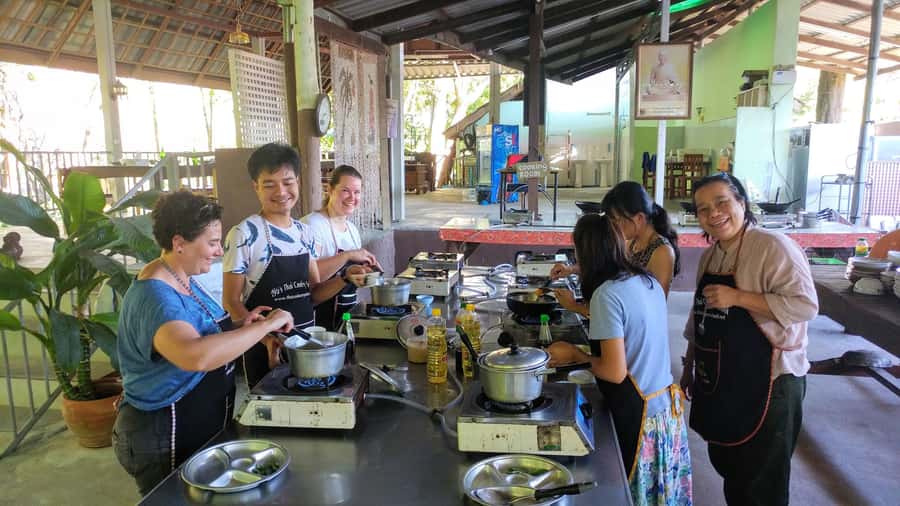
- Chef Ya leads the class and teaches in English (with Thai support), so you can follow along without guessing.
- Choose your own 4-dish menu (morning or afternoon), which makes the class fit what you actually want to eat.
- Pick fresh ingredients from the herb garden setup before you start chopping.
- Everything is measured out for you in plates and trays, so it’s skill-building, not chaotic shopping.
- Spice control and vegetarian swaps are part of the experience, not an afterthought.
- You eat the results at the end, plus you get food, water, and fruit included.
Getting to Ya’s Cookery: pickup, the small-stream setting, and what to expect
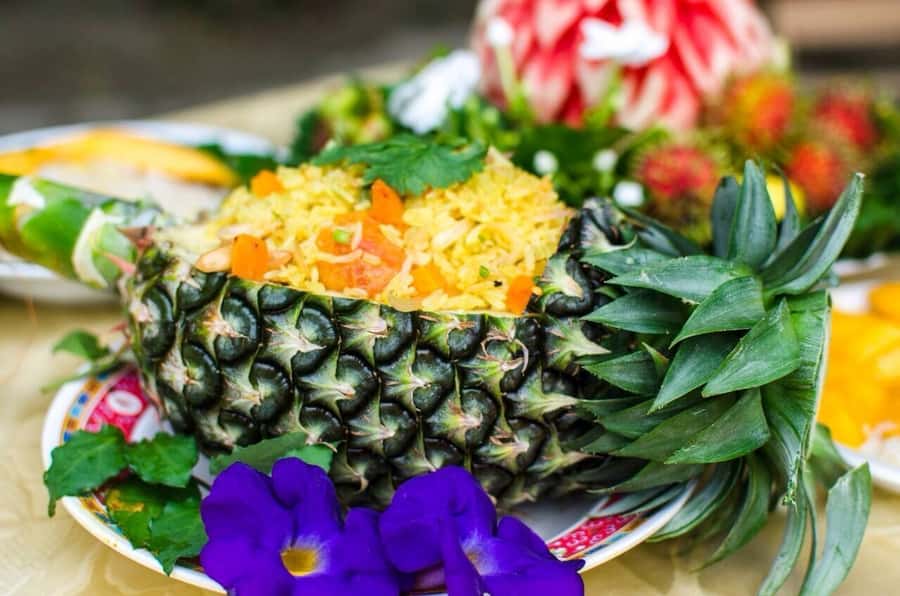
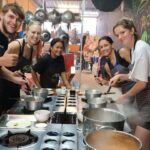
In Krabi, it’s easy to spend a half day just getting around. Here, you start with round-trip pickup from your hotel lobby in Ao Nang or Ao Nam Mao (included), then ride to Ya’s Thai Cookery School by local truck. The school is described as being on a small stream, so the setting feels more like a working cookery space than a formal classroom.
You’ll start by getting oriented and then moving straight into food mode. What I like about that is you don’t waste your energy on lectures that never translate into a plate of food. You get a practical flow: choose ingredients, prep them, cook, then eat.
A small heads-up that matters in real life: you should wear closed-toe shoes. Also, you can’t bring luggage or large bags. If you’re hoping to bring a backpack that’s bigger than you’d normally carry in the street, plan to keep it small.
You can also read our reviews of more tours and experiences in Ao Nang.

Morning vs afternoon choices: how the dish menu works
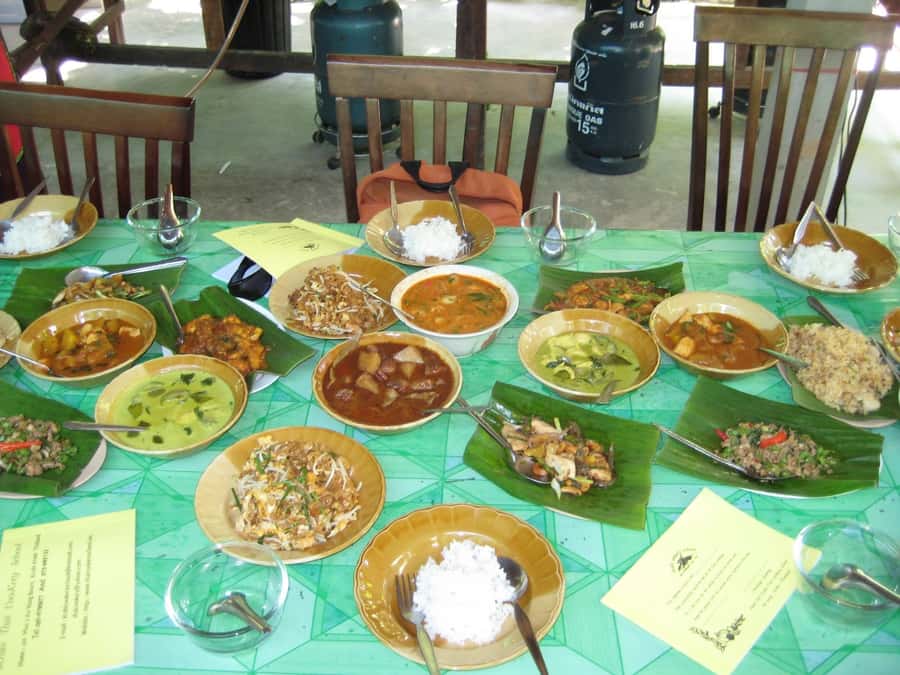
This class is built around choice. You’ll pick four dishes for your session, and you can select from a menu that’s geared toward classic Thai flavors, including Southern-style curries, noodle dishes, soups, and salads.
Morning class options include choices like:
- Massaman Curry or Red Curry
- Chicken with Vegetable Yellow Curry
- Lab kai (Chicken Mint Salad)
- Pad Thai
- Stir-Fried Chicken with Cashew Nuts
- Stir-Fried Sweet and Sour Chicken
- Vegetable Fried Rice (with chicken or vegetables)
- Spicy Prawn Soup (Tom Yam Goong)
- Chicken in Coconut Milk
Afternoon class options include choices like:
- Spring Rolls
- Sweet Sticky Rice with Mango Curry
- Green Curry
- Panang Curry
- Pad Thai
- Chicken in Coconut Milk
- Stir-Fried Chicken & Holy Basil
- Papaya Salad
- Stir-Fried Morning Glory
- Spicy Prawn Soup
Why this choice setup is smart: it prevents the classic cooking-class problem where everyone cooks the same menu and half the class ends up tolerating ingredients they don’t like. Here, you’re much more likely to cook what you’d order in a Krabi street-food sit-down later.
Also, note the overlap: Pad Thai, Chicken in Coconut Milk, and Tom Yam style soup show up in both sessions. So if you’re picky or want a specific dish, you can plan your time accordingly.
Ingredient picking and prep style: herb garden first, chopping second
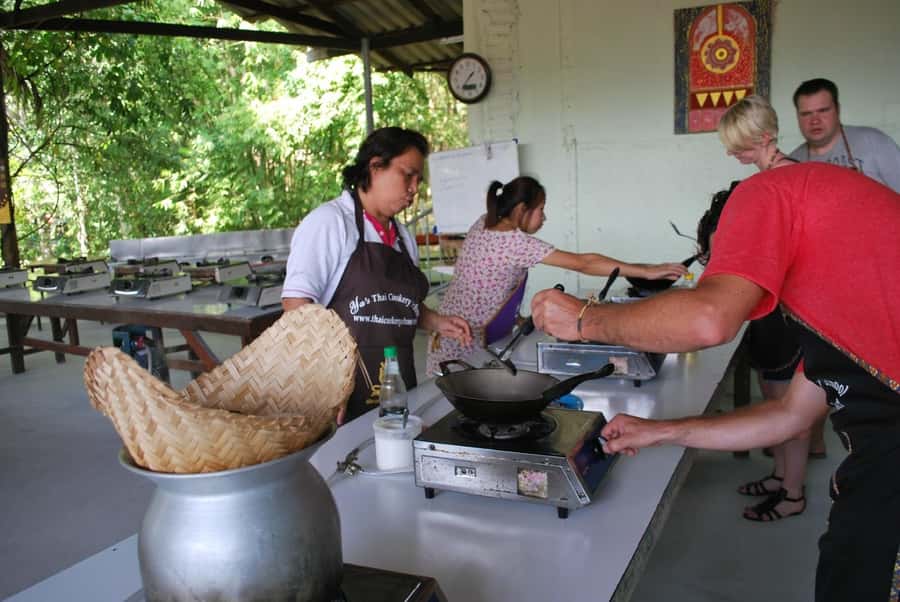
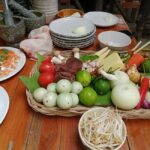
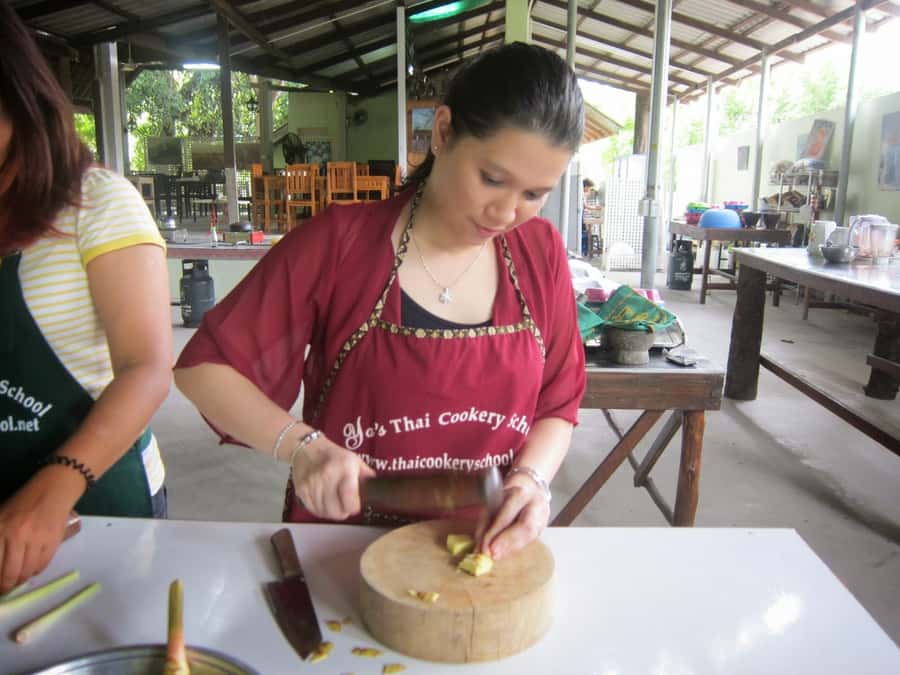
Before the stove work starts, you select fresh ingredients. The class describes choosing from their potteries and plants in an herb garden setup. It’s not just theater. Getting to pick what goes into your dishes helps you understand what Thai cooking actually relies on: aromatics, fresh herbs, and a balance of textures.
Then comes one of the most practical parts of this experience: ingredients are measured out in plates and trays for the dishes you selected. You don’t have to weigh everything yourself, and you don’t have to hunt down portions while other people are still deciding what to cook.
What you do instead is the hands-on work:
- cut
- slice
- chop
- dice
That structure is perfect for first-timers. You build real cutting skills and cooking confidence without being overwhelmed by kitchen math. It also helps the class move smoothly, which matters when you only have about four hours total.
Cooking curries, stir-fries, soups, and salads without the guesswork
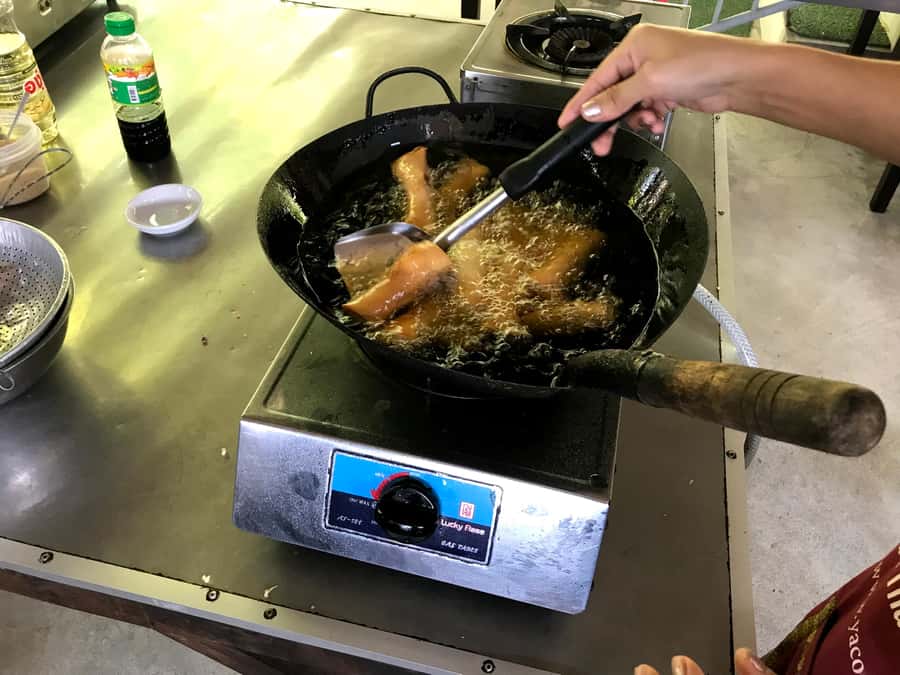
Thai food can sound complicated, but this class keeps it doable. You’re taught the secrets behind cooking a perfect Thai meal, with a focus on the flavors that define the dishes: rich colors, unique flavor combinations, and fragrant spices.
You’ll work on core skills tied to the menu you chose. The experience description is specific about the categories you’ll learn:
- stir-frying
- making curries
- cooking Thai soups
- preparing salads
Here’s what that means for you at the stove. You’re not just assembling; you’re learning the method behind the flavor. Curries are about combining ingredients in the right sequence and getting the right balance when liquids and seasonings meet. Soups like Tom Yam style prawn soup rely on getting the aroma and heat level right so it tastes bright rather than flat.
Salads (including options like Lab kai and Papaya Salad) teach a different kind of control. Thai salads often depend on dressing and balancing salty, sour, and spicy notes. You’ll also see a focus on fruits and spicy Thai salad prep, which gives you a taste of the contrast that makes these dishes so addictive.
One more real-life benefit: because you cooked it yourself, you’ll start noticing what makes a dish taste Thai. That might sound obvious, but most people only realize it after they’ve done the work.
Spice levels and vegetarian flexibility: make it fit your taste
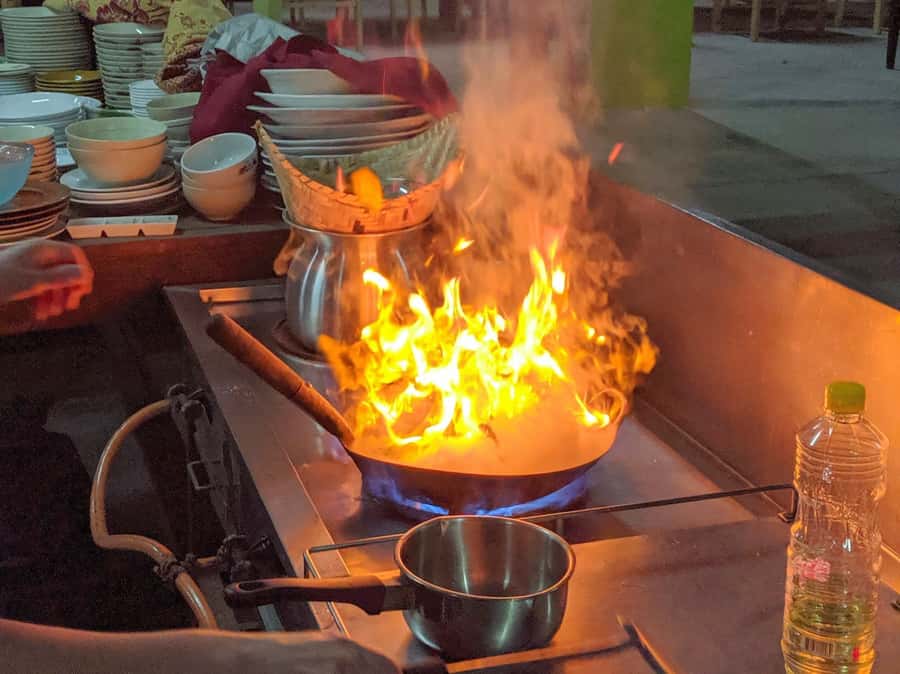
This is one of the best-value parts of the class: you’re not stuck with a one-size-fits-all palate.
The experience notes say dishes can be adapted to taste or vegetarian preferences. And the class structure (where everyone picks their own dishes) makes that flexibility practical. You can aim for mild, medium, or more heat depending on what you like.
If you’re traveling with a partner or group, that matters. One person can go bold while someone else keeps it comfortable, without forcing the entire class to match one spice level. That’s exactly the kind of detail that separates a fun class from an annoying one.
Vegetarian? You have options. The information clearly states vegetarian adaptation is available, so you’re not just hoping the chef figures it out at the last second. Ask during class setup so you cook what you’ll actually enjoy.
The meal you take home: why the lunch or dinner matters
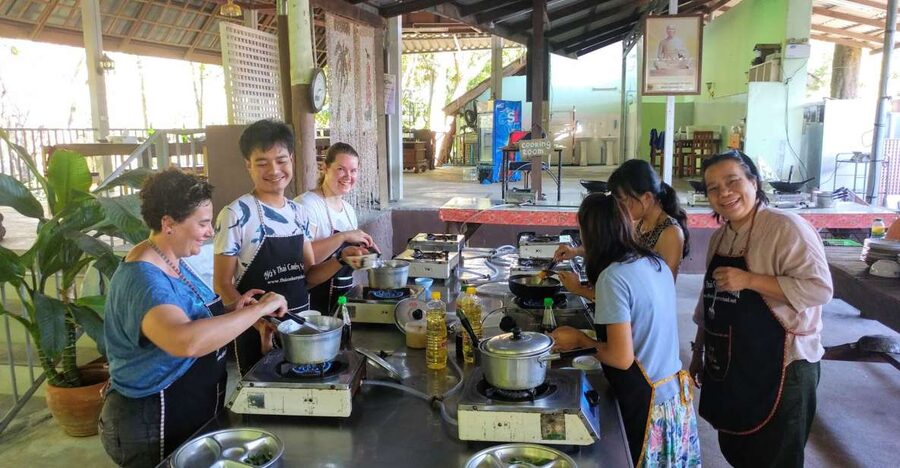
This isn’t a class where you leave with a box of disappointment. You finish by eating the Thai specialties you prepared. That means you learn in a way that checks your work instantly.
It also helps you understand portion, plate balance, and how Thai dishes work as a set. Even if you only cook four items, you’ll taste how curry thickness compares to soup brightness, and how noodle chew compares to salad crunch.
Included in the experience are food and water, plus fruits as part of the class experience. For a day that already includes a transfer and a cookbook, eating what you make feels like part of the price rather than an add-on.
The cookbook factor: what you get to keep after the class

At the end, you receive a cookbook to take home with recipes and instruction. That’s a big deal for value, because you’re not just buying a one-time meal. You’re buying a reference you can use when you want to recreate what you learned.
The class description also specifies ingredients, recipes, and instructions in English, which makes the cookbook genuinely usable. If you’ve ever tried to cook from a travel photo of a recipe, you know the limitation. Here, you get structured recipes plus guidance.
My practical advice: cook one of your dishes again within a week or two of the class. Your memory of what you did at the stove will still be fresh, and you’ll figure out which steps you want to repeat or simplify at home.
Price and value: why $53 for four hours feels fair
At about $53 per person for a four-hour session, this class is priced like a serious activity, not a gimmick. What makes it feel fair is the bundle you get:
- Round-trip hotel transfer from Ao Nang and Ao Nam Mao (included)
- Ingredients for the dishes you choose
- Food and water during the class
- Fruits and salad prep elements
- English recipes and instructions
- A take-home cookbook
- A professional Thai chef teaching in English/Thai
When you total those pieces, it starts to look less like paying for “being in a class” and more like paying for a full culinary experience with real labor involved on your side.
The main potential cost surprise is location-based. Transfers are included only from Ao Nang and Ao Nam Mao. If you’re in Klong Muang, Tubkaek Beach, or Krabi Town, there are add-on fees during checkout, paid directly to staff the day of cooking class. If you’re comparing options, factor that into the true price for your hotel area.
Who this Krabi cooking class is best for (and who should skip it)
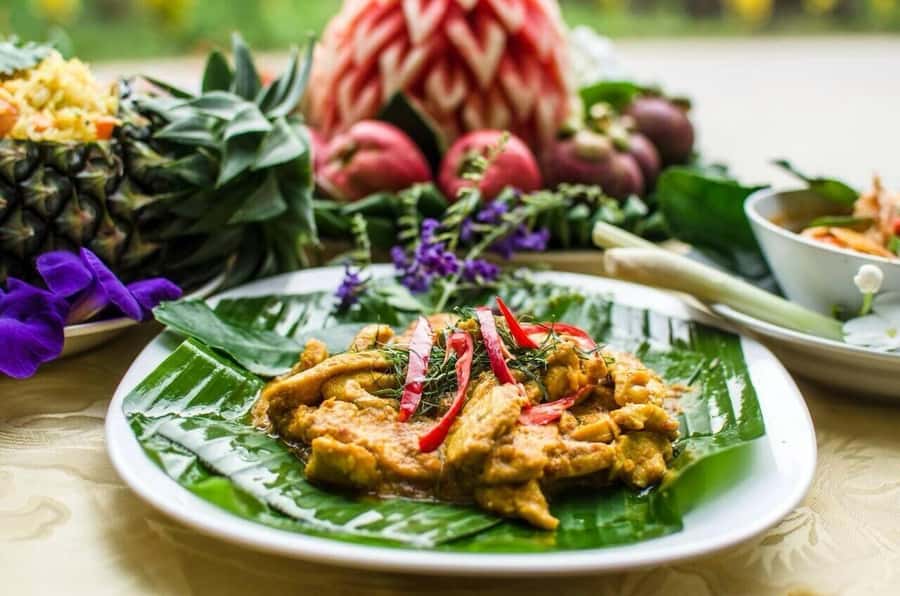
This class is a strong fit if you:
- want hands-on cooking more than watching
- like Thai staples like curry, Pad Thai, and Tom Yam style soup
- want control over spice level
- prefer not to cook the same menu as everyone else
- enjoy taking a cookbook home and trying again later
It’s not described as suitable for people with mobility impairments. It also isn’t a good match if you need to travel with large luggage or you’re not comfortable wearing closed-toe shoes for a prep-focused activity.
If you’re a die-hard foodie who already cooks Thai well, you might find it a lighter intensity class than a full culinary workshop. But for most visitors, it’s the right blend of learning and payoff.
Should you book Ya’s Cookery in Krabi?
I’d book this if your goal is a practical, authentic Thai cooking session with clear outcomes: you cook four dishes, eat what you make, get an English cookbook, and you don’t have to stress about ingredient prep because the supplies are organized for you.
If you’re staying in Ao Nang or Ao Nam Mao, the included pickup makes the value even better. If you’re farther out, double-check your transfer add-on cost before you commit so the final price still feels like a win.
Bottom line: pick the dishes you actually crave, choose your spice level, wear your closed-toe shoes, and treat it like a mini cooking project. You’ll leave with a better understanding of Thai flavor—and a meal you can’t fake.
FAQ
How long is the Ya’s Cookery Thai cooking class in Krabi?
The class duration is 4 hours. Starting times depend on availability.
Where does pickup happen and what’s included?
You get hotel pickup from the Ao Nang and Ao Nam Mao areas. Round-trip hotel transfers are included from those locations. The exact pickup time is confirmed by email after booking.
Can I choose which dishes I cook?
Yes. For either the morning or afternoon class, you choose 4 dishes from the listed options for that session.
Is the class suitable for vegetarians?
Yes. Dishes can be adapted to taste or for vegetarian preferences.
What languages do you teach in?
The instructor teaches in English and Thai. Recipes and instructions are provided in English.
What should I bring, and can I bring luggage?
Bring closed-toe shoes. Luggage or large bags are not allowed.
Are transfers included from Krabi Town, Klong Muang, or Tubkaak Beach?
Transfers are not included from those areas by default, but round-trip transfers are available as add-ons during checkout, with fees paid directly to staff the day of the class.