REVIEW · CHIBA
Japanese Cooking Class and Cultural Experience Around Tokyo
Book on Viator →Operated by Home-style Authentic basic Japanese Cooking Class & Experience of Japanese culture · Bookable on Viator
A cooking class around Tokyo sounds fun, but this one adds real craft—dashi and home-style dishes, then a culture turn. I like that you’re taught basics you can actually repeat later, and you also get sake (or tea) as part of the lesson flow. It’s hands-on, small, and built for people who want more than a quick meal photo.
One thing to consider: you pick a menu option from A, B, C, or D, but your choice can be limited if other groups are in the same class. If you have allergies, you’ll want to flag them ahead of time so the menu can be adjusted.
In This Review
- Key points to know before you go
- A Hands-On Japanese Class in Chiba That Feels Personal
- Dashi, Ingredients, and the Home-Style Focus You’ll Appreciate Later
- How the Cooking Portion Really Works (and Why It’s Not Rushed)
- Menu Choices and the Real-World Group Timing Effect
- Sake Tasting in a 30-Minute Slot: What It Adds to the Meal
- Tea Tasting and Calligraphy Options That Don’t Feel Like a Trade-Off
- Meeting at Chiba Station: Where to Start Without Stress
- Small Group Size: The Difference Between Watching and Doing
- Price and Value: What You’re Paying For
- Who Should Book This Japanese Cooking and Culture Class
- Booking Tips That Make the Day Smoother
- Should You Book This Japanese Cooking and Culture Class?
- FAQ
- How long is the experience?
- Where do we meet?
- Is pickup available?
- What do we cook in the class?
- What if I don’t want to taste alcohol?
- Can I choose what menu we cook?
- Is free cancellation available?
Key points to know before you go
- Chiba Station meeting point, with pickup offered if that’s easier for you
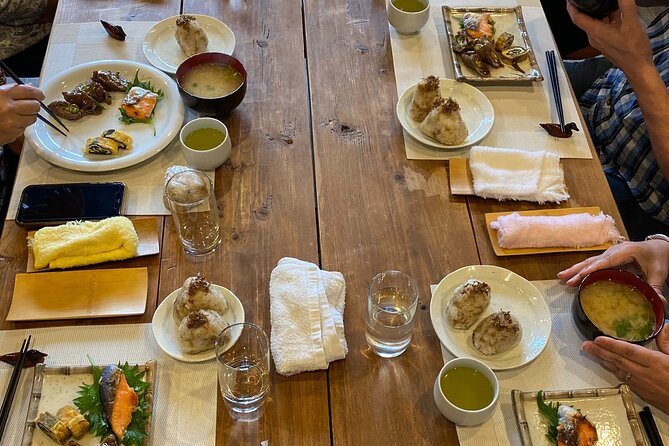
- 3–4 home-style dishes, including how to make dashi the Japanese way
- Small group size (max 8) for more time with the instructor
- Sake tasting included, with a switch to tea or calligraphy if you prefer
- Menu choices (A–D) can vary by group situation on the day
- Cultural add-ons like calligraphy and a fan decoration after instruction
A Hands-On Japanese Class in Chiba That Feels Personal
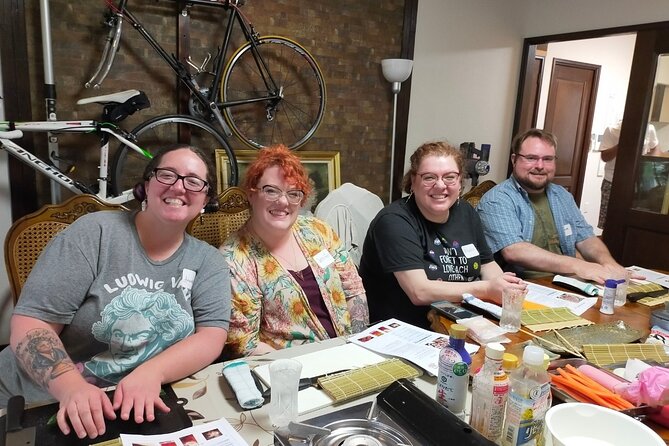
Chiba is a smart base for a food-and-culture session because it’s close to Tokyo enough to feel convenient, but it doesn’t carry the same “tourist stage” vibe. You’ll be starting near Chiba Station, so the logistics are straightforward. And with a maximum of 8 travelers, this isn’t the kind of class where you only get half an explanation.
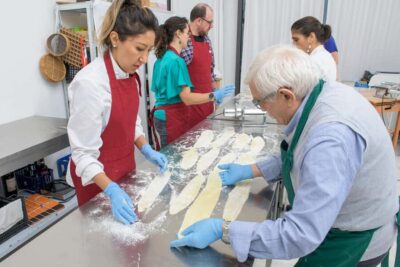
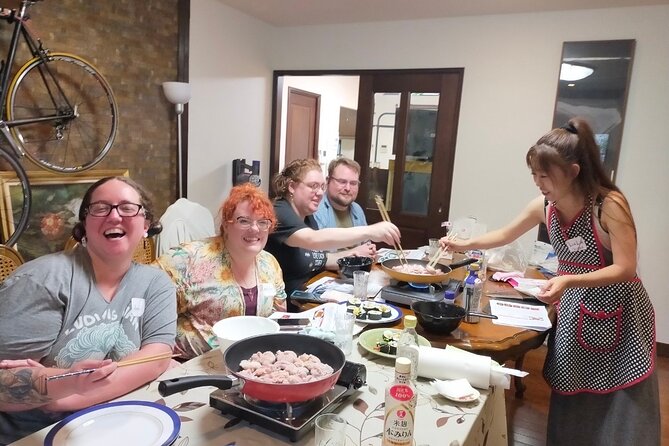
What I like most is the structure: you learn a core Japanese cooking skill first, then you make multiple dishes together, and then you move into a tasting and culture component. In practice, that means you’re not just “standing near someone cooking.” You’re involved, and the class keeps you busy for the full 3 hours.
The program also gives you choices. If you’re not an alcohol fan, you can switch the tasting part to Japanese tea tasting, or trade it for calligraphy. That flexibility matters, because it lets you tailor the experience to your comfort level without losing the cultural payoff.
Dashi, Ingredients, and the Home-Style Focus You’ll Appreciate Later
This class is built around Japanese home-style cuisine, not fancy restaurant theatrics. You’ll cook 3–4 dishes together, guided through basic but authentic methods. One standout theme is dashi, the Japanese soup stock that shows up in everything from simple noodles to deeper flavored simmered dishes.
If you’ve ever tasted Japanese food and wondered why it feels so “clean” and satisfying, dashi is a big part of that. Instead of treating stock like a background detail, this class makes it a learning moment. You’ll also get time learning about Japanese ingredients, which is usually what trips people up when they try to cook later at home.
From a practical point of view, this is a class you can use. After one session, you’ll know what you’re looking for at the store, which ingredient types matter, and how the cooking steps fit together. That’s more useful than a lesson that only teaches one dish.
How the Cooking Portion Really Works (and Why It’s Not Rushed)
The cooking segment takes about 2.5 hours, which is enough time to do the real work: prep, cooking, and tasting what you made. Ingredients are prepared beforehand by the instructor, so you’re not spending your limited class time hunting, chopping everything from scratch, or guessing measurements.
Here’s what you should watch for: the menus are selected from A, B, C, or D. All menus are described as popular and well-known in Japan, and the instructor prepares ingredients ahead of time. If your group is the only group attending that day, you can choose your favorite menu option. If another group is also attending, you may not get to pick freely.
So, if you have a must-try dish, it’s smart to book with flexibility in mind and ask what’s possible once you see the schedule confirmation. The class is still designed to be good, even if the menu pairing is set by what other groups select.
Also, don’t ignore the allergy question. The class notes that you should let the instructor know in advance, and they can discuss menus with you. That’s a big deal in Japanese cooking where ingredient substitutions can affect flavor and texture.
Menu Choices and the Real-World Group Timing Effect
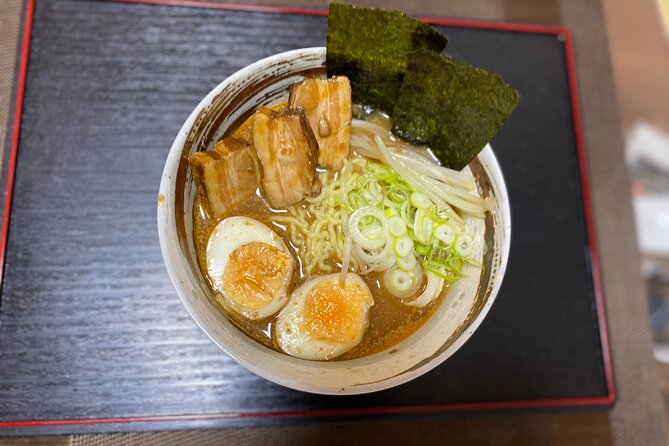
You’re probably thinking about what you want to cook. The class handles this by letting you choose from multiple menu options when booking, but with one real condition: menu selection is easier if only your group is present. If other groups join the same class, menu choice might be constrained.
That’s not a flaw, it’s how small-group cooking classes work. With limited time and shared equipment, menus have to match the ingredient prep. The upside is that the instructor still aims to keep the experience authentic and well-organized.
If you like structure and don’t want a chaotic “pick whatever” experience, this setup is fine. If you’re picky or have strong dietary needs, message the provider early and be clear about what you can and can’t eat.
Sake Tasting in a 30-Minute Slot: What It Adds to the Meal
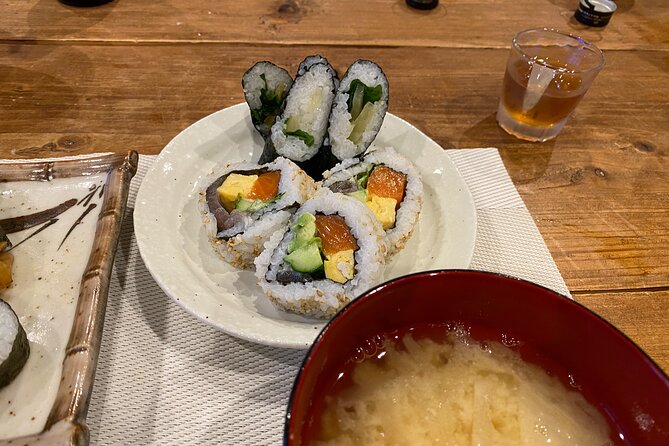
After cooking, you’ll move into the tasting portion for about 0.5 hour. The plan includes sake tasting, with locally distilled sake prepared for you as part of the experience. The phrasing emphasizes that it’s rare and high quality, and that it’s connected to Japan rather than generic mass-produced options.
Even if you don’t consider yourself a sake person, a short tasting segment is a friendly way to learn. It’s enough time to pay attention, compare impressions, and ask questions, without turning the afternoon into a long drinking event.
And again, you can swap it. If you’re not a fan of alcohol or you’re not an adult, the tasting can change to Japanese tea tasting instead. That’s a practical solution that keeps the cultural purpose intact.
Tea Tasting and Calligraphy Options That Don’t Feel Like a Trade-Off
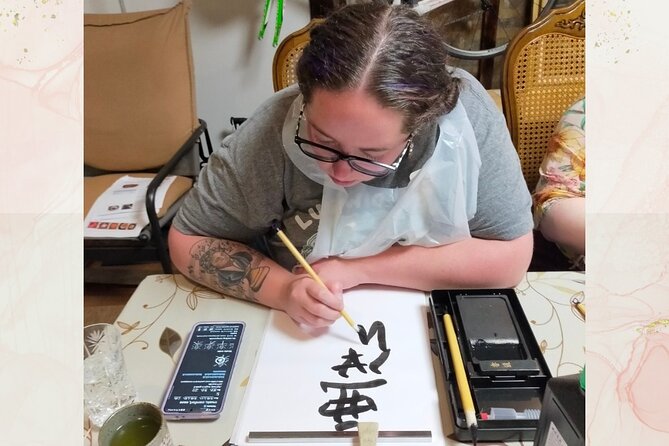
This class tries hard not to treat “no alcohol” as an afterthought. If you opt out of sake, you can choose Japanese tea tasting or calligraphy. Both still fit the same time block after cooking, so the class rhythm stays the same.
Tea tasting makes sense here because it pairs naturally with Japanese food, especially after you’ve just learned about ingredients and dashi. You’ll be able to compare a beverage experience that isn’t based on fermentation in the same way as sake, and it can feel lighter if you want something mellow.
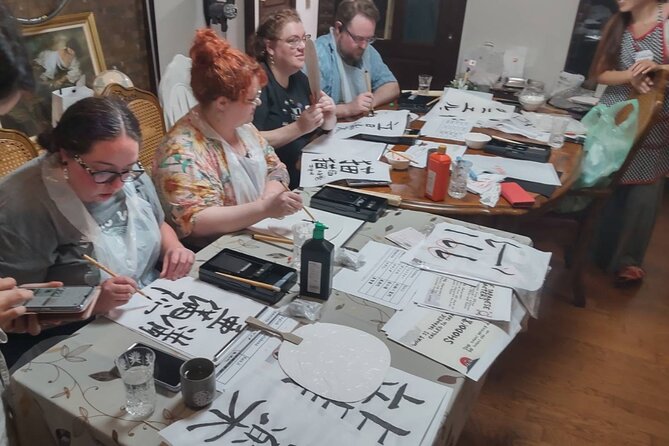
Calligraphy is also a strong option if you want a hands-on culture activity beyond cooking. You can write your name or a Kanji character using special brushes and ink. That’s the kind of souvenir you actually keep, because it’s personal and made by you, not printed or mass-produced.
One detail worth knowing: a past participant described doing calligraphy instruction and then decorating their own fan. That fan element isn’t spelled out in the main overview, but it matches the overall theme of hands-on craft. If it’s offered on your day, you’ll likely enjoy it.
Meeting at Chiba Station: Where to Start Without Stress
You’ll meet at Chiba Station, Shinchiba (listed address: Chiba, Chuo Ward, Shinchiba 1-chōme 1, 260-0031). The tour also offers pickup, which can be a relief if you’d rather not figure out train transfers while hungry.
Because the class starts at a fixed meeting point, it helps to arrive a few minutes early. Even if public transportation is nearby (it is), you’ll want time to orient yourself and meet up with the group. Small-group classes can move quickly once everyone checks in.
Timing-wise, plan for a total of about 3 hours (approx.) from start to finish. The cooking and culture portion is laid out clearly, but your arrival timing affects whether you start calmly or on the edge.
Small Group Size: The Difference Between Watching and Doing
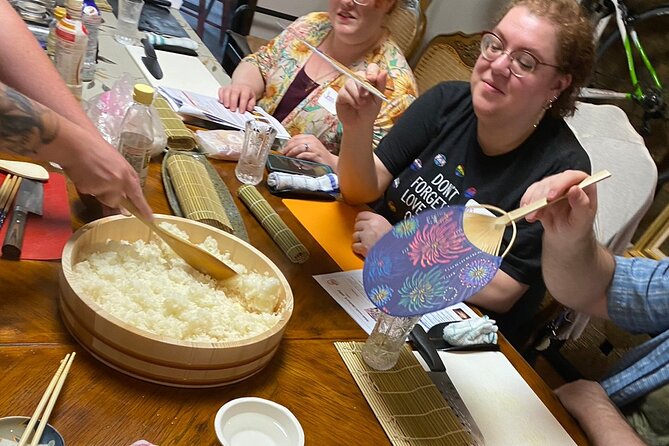
Maximum 8 travelers is a meaningful detail here. In a class this hands-on, fewer people usually means more feedback. You’re more likely to get help if something goes wrong while you’re learning dashi technique or handling Japanese ingredients.
It also affects the vibe. With a small group, the instructor can talk through steps and answer questions without repeating themselves forever. That matters for beginners, and it still matters for experienced cooks who want a more precise explanation of Japanese basics.
And this is where the reviews’ tone lines up with the description: participants highlighted how engaging and kind the hosts felt, and how the group stayed cheerful and fun. That energy matters because cooking lessons can be awkward if you feel lost. The goal is for you to feel guided, not judged.
Price and Value: What You’re Paying For
The price is $100.11 per person for an experience that runs around 3 hours, includes cooking instruction, and ends with either sake tasting or a cultural alternative (tea or calligraphy). On paper, that sounds like “a class,” but in practice you’re paying for a few specific things.
First, you’re paying for guided dashi learning and hands-on cooking of multiple dishes. Getting the technique right at home without instruction can be hard, especially with ingredient types you may not use daily.
Second, you’re paying for someone to coordinate ingredients and keep timing smooth. The class notes that ingredients are prepared beforehand by the instructor, which saves you time and reduces guesswork.
Third, you’re paying for the culture add-on: tasting plus calligraphy or fan-style craft elements. If you’re traveling to Japan, these are experiences you’d otherwise have to book separately.
Bottom line: it’s a solid value if you want real skills and a memorable cultural moment in one package, not just a meal.
Who Should Book This Japanese Cooking and Culture Class
This class is a good match if you:
- Want a practical intro to Japanese home cooking, especially dashi
- Enjoy learning food through doing, not just watching
- Want a mix of food and culture, with a choice between sake, tea, or calligraphy
- Prefer small groups where you can ask questions
It may be less ideal if you:
- Need total freedom over menu choice on the day (A–D choices can depend on other groups)
- Have very complex dietary needs that require special substitutions beyond what can be discussed
- Want a strictly passive activity (this is hands-on by design)
Booking Tips That Make the Day Smoother
A few simple things will help you get the most out of the class.
- When you book, choose the activity you want for the tasting slot: sake, tea, or calligraphy. The provider asks you to let them know which option you prefer.
- If you have allergies, message in advance so the menu can be discussed and adjusted.
- If you care about the exact menu selection (A, B, C, or D), aim to book with enough flexibility to handle the “group situation” rule.
- Arrive a little early at Chiba Station so you’re not starting rushed.
These aren’t glamorous tips, but they keep your experience from turning into last-minute stress.
Should You Book This Japanese Cooking and Culture Class?
I’d book it if you want a hands-on Japanese cooking lesson that teaches a core technique like dashi, then adds a cultural layer with sake tasting or a no-alcohol alternative. The small group size and the focus on authentic home-style cooking make it feel more like learning than consuming.
If you’re someone who loves food skills, this is the kind of class that can stick with you. You’ll leave with knowledge of ingredients and basic methods, plus a personal souvenir option through calligraphy. If that sounds like your style, this is a worthwhile use of your time in the Tokyo area.
FAQ
How long is the experience?
The class runs for about 3 hours total. Cooking is about 2.5 hours, and the sake/tea tasting or calligraphy portion is about 0.5 hour.
Where do we meet?
The meeting point is Chiba Station, Shinchiba (Chiba, Chuo Ward, Shinchiba 1-chōme 1, 260-0031).
Is pickup available?
Yes, pickup is offered.
What do we cook in the class?
You’ll cook 3–4 Japanese home-style dishes together. You’ll also learn how to make dashi and learn about Japanese ingredients.
What if I don’t want to taste alcohol?
If you’re not a fan of alcohol (or not an adult), the program can be changed to Japanese tea tasting or a calligraphy experience.
Can I choose what menu we cook?
You choose a cooking menu from options A, B, C, or D. If you and your group are the only attendees that day, you can choose your favorite menu. If another group also attends, your menu choice may be limited.
Is free cancellation available?
Yes, you can cancel for a full refund up to 24 hours before the experience starts. If you cancel less than 24 hours before, the amount paid will not be refunded.